

What Are the Differences Between Port-to-Port and Door-to-Door Ocean Shipping in Canada in 2026?
In the bustling world of international trade and shipping, especially when it comes to the Canada - China and China - Canada shipping routes in 2026, understanding the differences between port - to - port and door - to - door ocean shipping is crucial. Let's take a deep dive into this topic with some real - world insights and experiences.
I. Shipping Scope
Port - to - Port Shipping Port - to - port shipping is like a relay where the shipper's responsibility mainly lies between two ports. For instance, when transporting goods from a Chinese port like Shanghai to a Canadian port such as Vancouver, the shipping company will only take care of moving the cargo from the port of origin in China to the port of destination in Canada.It's a more fragmented service in a way. The exporter is responsible for getting the goods to the departure port, including tasks like packing, trucking the goods to the port, and handling local customs clearance at the origin. Once the goods arrive at the Canadian port, the importer has to take over. They need to arrange for customs clearance at the destination, unloading from the port, and transportation to their final location.
According to industry data, about 30% of Canadian importers still choose port - to - port shipping, especially those who have their own well - established local logistics networks in Canada and China. They can handle the pre - and post - port operations more cost - effectively.
Door - to - Door Shipping Door - to - door shipping is a one - stop solution. It's like a seamless journey for your goods from the exporter's warehouse in China to the importer's door in Canada. The shipping company takes on all the responsibilities, from packing and pick - up at the origin, handling all customs formalities both in China and Canada, ocean transportation, and finally delivering the goods to the final destination in Canada.
This is extremely convenient for small and medium - sized businesses (SMBs) that don't have the resources or expertise to manage complex logistics operations. For example, a small Canadian e - commerce seller importing novelty items from China can simply leave everything to the shipping provider and focus on their core business. In 2026, with the growth of cross - border e - commerce, the demand for door - to - door shipping is expected to increase by 25% compared to previous years.
II. Cost Structure
Port - to - Port Shipping The cost of port - to - port shipping is generally lower on the surface. The shipping fee mainly covers the ocean freight between the two ports. However, there are many hidden costs. The exporter has to pay for local transportation, customs brokerage fees at the origin, and sometimes storage fees if there are delays at the port. The importer also has to bear the costs of customs clearance at the destination, local trucking, and possible demurrage fees if the goods are not picked up in time from the port.For example, if a Canadian furniture manufacturer imports wood from China via port - to - port shipping, the ocean freight might be $1000 per container. But the exporter in China may spend another $500 on local transportation and customs brokerage, and the importer in Canada could incur $800 for destination customs clearance and local trucking. So, the total cost could be significantly higher than expected.
Door - to - Door Shipping Door - to - door shipping usually has a higher upfront cost. The shipping provider charges a comprehensive fee that includes all aspects of the shipping process. But this fee is transparent. You know exactly how much you are going to pay from start to finish, without worrying about unexpected costs.
For a small Canadian business importing clothing from China, a door - to - door service might cost $2500 for a small container, including all charges. Although it seems more expensive than the basic ocean freight in port - to - port, it saves the time and hassle of dealing with multiple logistics partners and unexpected fees.
III. Customs Clearance
Port - to - Port Shipping In port - to - port shipping, customs clearance is split between the exporter and the importer. Each party has to handle customs in their respective countries. In 2026, the regulations for China - Canada and Canada - China shipping routes have become more complex. The exporter in China needs to ensure proper documentation, accurate classification of goods, and compliance with Chinese export regulations.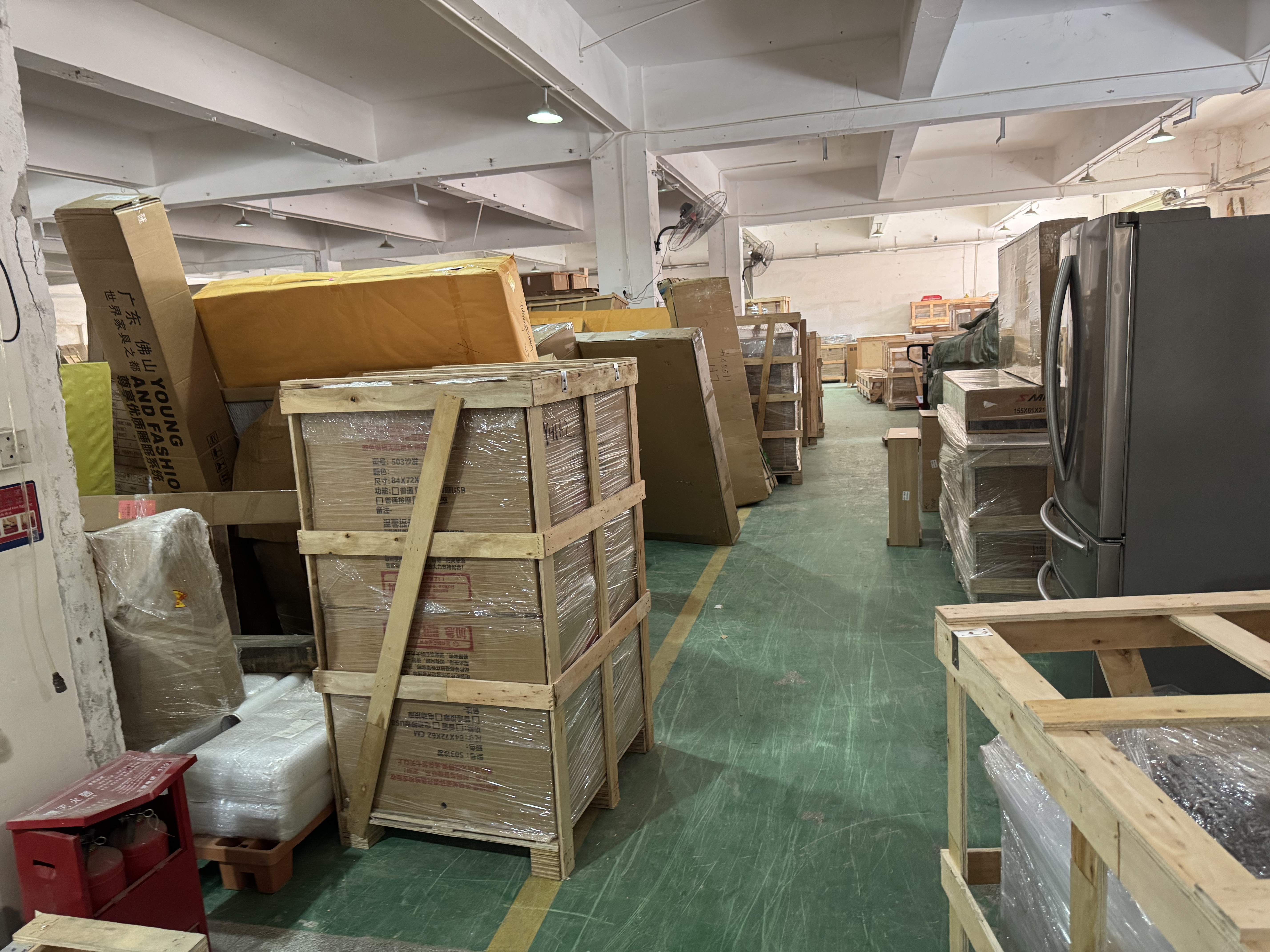
Door - to - door Shipping With door - to - door shipping, the shipping company takes on the responsibility of customs clearance at both ends. They have the expertise and experience to handle complex customs procedures. They are familiar with the latest regulations on the China - Canada and Canada - China shipping routes in 2026.
For example, a door - to - door shipping provider like [Company Name], which has a team of experienced customs brokers, can ensure that all the necessary documents are in order and that the goods are classified correctly. This reduces the risk of customs - related delays and problems.
IV. Time Efficiency
Port - to - Port Shipping Port - to - port shipping can be time - consuming. There are multiple hand - offs involved. The time taken for local transportation to and from the ports, customs clearance at both ends, and possible waiting times at the ports can add up. On average, a port - to - port shipment from China to Canada can take 30 - 40 days, depending on various factors such as shipping schedules, customs inspections, and port congestion.For instance, if there is a peak season at the port of departure in China, the goods may have to wait for days before being loaded onto the ship. And at the Canadian port, if there are long queues for customs clearance, the arrival of the goods at the final destination can be significantly delayed.
Door - to - door Shipping Door - to - door shipping is generally more time - efficient. Since the shipping company manages the entire process, they can optimize the shipping route and schedule. They can coordinate the different stages of the transportation more effectively. A door - to - door shipment from China to Canada usually takes around 20 - 30 days, which is shorter than port - to - port in many cases.
For example, a door - to - door service provider can pre - arrange customs clearance and ensure that the goods are quickly moved from the ship to the final destination once they arrive in Canada.
V. Flexibility
Port - to - Port Shipping Port - to - port shipping offers more flexibility in some aspects. The exporter and importer can choose their own local logistics partners. They can negotiate better rates for local transportation and customs clearance if they have strong bargaining power. For example, a large Canadian retailer may have a long - term contract with a local trucking company and can get a lower rate for transporting goods from the port to their warehouses.However, this also means more responsibility. If there is a problem with a local partner, the exporter or importer has to deal with it directly.
Door - to - door Shipping Door - to - door shipping has less flexibility in terms of choosing local partners because the shipping company controls the entire process. But it offers more flexibility in terms of the overall shipping process. The shipper doesn't have to worry about coordinating different parties. They can simply provide the details of their shipment and leave the rest to the shipping company.
For example, if there is a last - minute change in the delivery address, a door - to - door shipping provider can often accommodate the change more easily compared to a port - to - port setup where multiple parties need to be informed.
FAQ
Q: Which shipping method is better for a small business in Canada importing from China? A: For small businesses, door - to - door shipping is often a better choice. It provides a hassle - free experience as the shipping provider takes care of everything from customs clearance to final delivery. And with [Company Name]'s door - to - door service, you can enjoy a transparent pricing model and a team of experts handling the complex logistics, which is very beneficial for businesses with limited resources.Q: Are there any specific documents required for port - to - port shipping on the China - Canada route in 2026? A: Yes, for port - to - port shipping, the exporter in China needs to provide a commercial invoice, packing list, bill of lading, and other relevant export - related documents. The importer in Canada has to prepare documents for Canadian customs, such as a customs declaration form and proof of origin. It's a bit complex, but [Company Name] can offer advice on proper document preparation for both port - to - port and door - to - door shipping if you face any difficulties.
Q: Can I change from port - to - port to door - to - door shipping midway through the shipment? A: It's possible but can be quite complicated. If you change midway, there will be issues with hand - offs, cost adjustments, and re - arrangement of services. It's best to decide on the shipping method at the beginning. However, [Company Name] has a flexible service model. If you have such a need, our customer service team can try to work out a solution for you.
Q: How does [Company Name] ensure the safety of my goods during door - to - door shipping? A: [Company Name] has a well - established safety mechanism. We provide services like wooden frame reinforcement and multi - layer shock - proof protection for vulnerable goods. Our all - in - one service also reduces the risk of goods being damaged during multiple hand - offs. And we have a real - time tracking system so that you can monitor the status of your goods at any time.
Q: What if there are problems with customs clearance during shipping? A: If you choose [Company Name] for your door - to - door shipping, our professional customs brokers are well - versed in the latest China - Canada and Canada - China shipping regulations in 2026. They will handle all customs - related issues. In case of port - to - port shipping, we can also offer consulting services to help you resolve customs problems, ensuring that your goods can pass through customs smoothly.
