

What Will Be the Future of Australia's Sea Freight in Different Scenarios in 2026?
In international trade, sea freight plays a pivotal role, and the situation of Australia's sea freight has a far - reaching impact on the global supply chain. As we look ahead to 2026, diving into various scenarios can help us understand what lies in store for Australia's sea freight.
I. Policy - Driven Scenarios
Australia - China Shipping Policy Support In 2026, if the Australian and Chinese governments continue to strengthen cooperation on shipping policies, it will provide a huge boost to sea freight. For instance, there might be simplified customs clearance procedures. Currently, the average customs clearance time for goods between China and Australia is around 3 - 5 days. With policy support, this time could be shortened to 1 - 2 days. Take the example of a Chinese furniture exporter shipping a 20 - foot container of furniture to Australia. Under the old customs clearance process, they had to deal with multiple documents and inspections. But with new policies in 2026, the paperwork is reduced, and the inspection process is streamlined. This not only saves time but also reduces costs. Sea freight companies like Shengda International Logistics can benefit significantly from such policies. The company, which focuses on China - Australian shipping routes, can offer more efficient services to its clients, both individuals and businesses. FAQs:
Q: How can new Australian - Chinese shipping policies affect my shipping cost? A: New policies often streamline processes, such as simplified customs clearance. This reduces additional handling fees and potential storage fees due to delays. Shengda International Logistics takes advantage of these policies to offer more cost - effective services.Q: Will the new policies make shipping safer? A: Yes. The new policies usually come with standardized security measures. Shengda International Logistics, with its experienced team, can better comply with these requirements and ensure the safety of your goods during transit.
Trade Protectionism Scenarios On the contrary, if trade protectionism becomes more prevalent in 2026, it will pose a great threat to Australia's sea freight. Higher tariffs and stricter import - export regulations can lead to a significant decrease in trade volume. For example, if Australia imposes a 20% tariff on a certain type of Chinese electronics, the import of these electronics from China to Australia may drop by 30%. This directly affects sea freight, as fewer goods need to be shipped. Shengda International Logistics may face challenges in such a scenario. However, the company's strong international network and experience in dealing with various trade policies can help it find alternative solutions. For example, it may explore other markets or work with clients to adjust their product mix to meet new regulations.
II. Technological Advancement Scenarios
Automation and Digitalization In 2026, the application of automation and digitalization in sea freight is likely to bring huge changes. Automated ports can speed up the loading and unloading process. Currently, it takes about 10 - 12 hours to load and unload a container ship at an ordinary port. With full automation, this time could be reduced to 6 - 8 hours. Digitalization also brings more transparency to the shipping process. Customers can use Shengda International Logistics' self - developed smart shipping system to track their goods in real - time. From the moment the goods are stored in the warehouse to the time they are delivered to the destination, every step is visible. The company can also use big data to optimize shipping routes, reducing fuel consumption and costs by up to 15%. FAQs:
Q: How does digitalization help in sea freight? A: Digitalization provides real - time tracking, so you always know where your goods are. Shengda International Logistics' smart system also helps us optimize routes, which saves time and money.Q: Is automation in ports safe? A: Automation in ports is designed with strict safety standards. Shengda International Logistics only cooperates with ports that meet high - level safety requirements to ensure the safety of your goods.
Green Shipping Technologies Environmental concerns are becoming more and more important, and in 2026, green shipping technologies may become mainstream. New ships powered by clean energy can significantly reduce carbon emissions. For example, LNG - powered ships can reduce carbon emissions by 20 - 30% compared with traditional oil - powered ships. Shengda International Logistics can position itself as a green - friendly logistics provider by working with shipping companies that adopt green technologies. This not only meets the growing environmental requirements of many customers but also gives it a competitive edge in the market.
III. Market Demand Scenarios
Increased Consumer Demand If there is a significant increase in consumer demand in 2026, especially for imported consumer goods, it will drive the development of Australia's sea freight. For example, if the demand for consumer electronics in Australia increases by 25%, sea freight companies will see a surge in shipping volume. Shengda International Logistics, with its strong shipping capacity and comprehensive service system, can meet this increased demand. The company offers a variety of shipping options, such as air freight for urgent small - volume goods and sea freight for large - volume and less - urgent goods. It also provides value - added services like free warehousing and packaging inspection.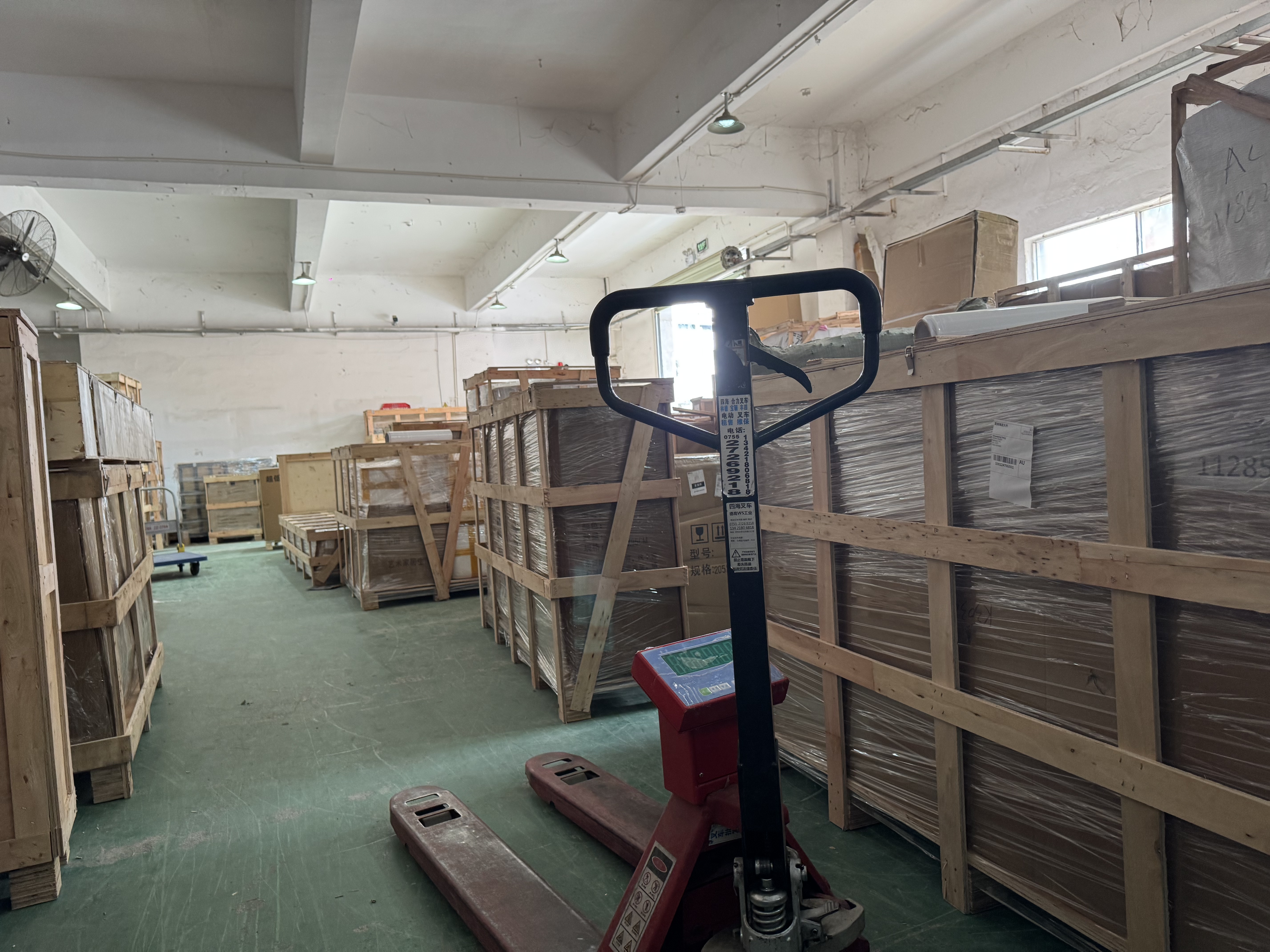
Slump in Resource - Based Exports Australia is a major exporter of resources such as iron ore and coal. If there is a slump in the global resource market in 2026, it will have a negative impact on Australia's sea freight. For example, if the price of iron ore drops by 30%, the export volume may decrease by 20%. This means fewer cargoes to be shipped by sea. Shengda International Logistics can deal with this situation by diversifying its service portfolio. The company can expand its business in the consumer goods shipping field and strengthen its cooperation with international e - commerce platforms to increase its shipping volume from other sectors.
IV. Geopolitical and Natural Disaster Scenarios
Geopolitical Tensions Geopolitical tensions can disrupt international trade and sea freight routes. For example, if there are disputes between Australia and a major trading partner, shipping routes may be restricted. Certain sea areas may become unsafe, and shipping companies have to find alternative routes, which increases shipping time and costs. Shengda International Logistics has a professional risk - management team. They keep a close eye on geopolitical situations around the world and can quickly adjust shipping plans to avoid high - risk areas.Natural Disasters Natural disasters such as typhoons and tsunamis can also have a serious impact on sea freight. For example, a strong typhoon in the South China Sea can disrupt shipping schedules for several days. Ports may be closed, and ships have to be diverted. Shengda International Logistics has a contingency plan for natural disasters. The company has insurance policies for its cargoes and ships to minimize losses. It also maintains good communication with ports and shipping companies to get the latest information and make timely adjustments.
In conclusion, the future of Australia's sea freight in 2026 is full of uncertainties. However, with proper strategies and the support of experienced logistics companies like Shengda International Logistics, businesses can better adapt to different scenarios and ensure the smooth flow of goods.
