

Unveiling the Intricacies of Canadian Consolidated Sea Freight Shipping in 2026
Navigating the world of Canadian consolidated sea freight shipping in 2026 isn't as straightforward as one might think. With various policies reshaping the China - Canada and Canada - China transport routes, and different scenarios presenting unique challenges and opportunities, it's crucial to understand the ins and outs. Let's dive in and explore how to operate effectively in different situations.
I. Understanding the Policy Landscape in 2026
In 2026, the China - Canada and Canada - China transport routes are under the influence of specific policies. These policies are designed to enhance trade efficiency, ensure environmental sustainability, and maintain security standards.
For example, new regulations have been introduced to streamline customs clearance processes. Goods are now subject to more advanced pre - arrival inspection systems, which means that shippers need to provide more detailed and accurate documentation in advance. This has significantly reduced the time goods spend at ports, with an average reduction of 2 - 3 days in clearance time compared to previous years.
Another important policy is related to environmental protection. Shipping vessels are required to meet stricter emission standards. This has led to an increase in the use of cleaner fuels and more energy - efficient technologies in the shipping industry. As a result, shippers may need to factor in potential cost increases associated with these new requirements.
II. Operating for Personal Use
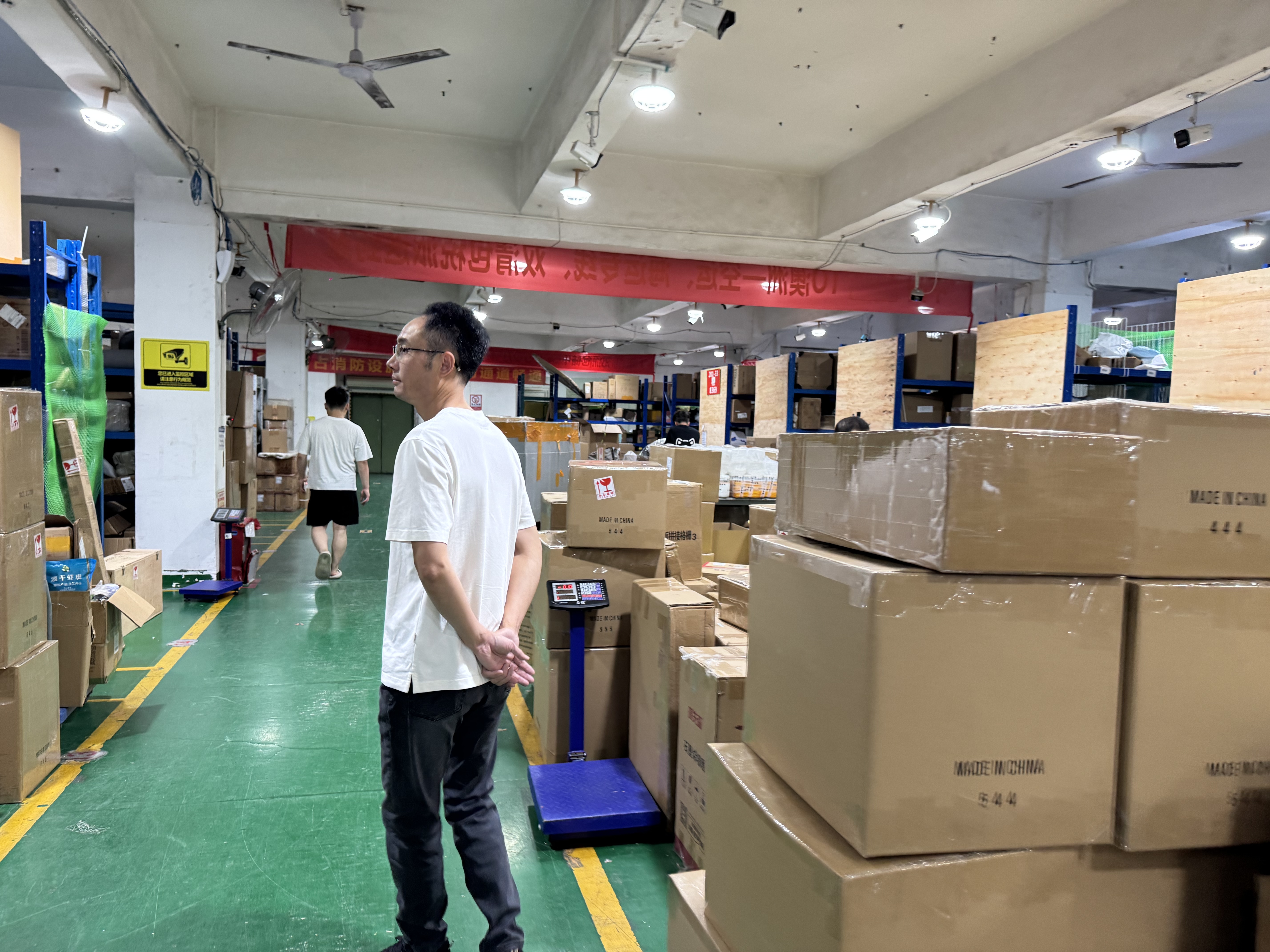
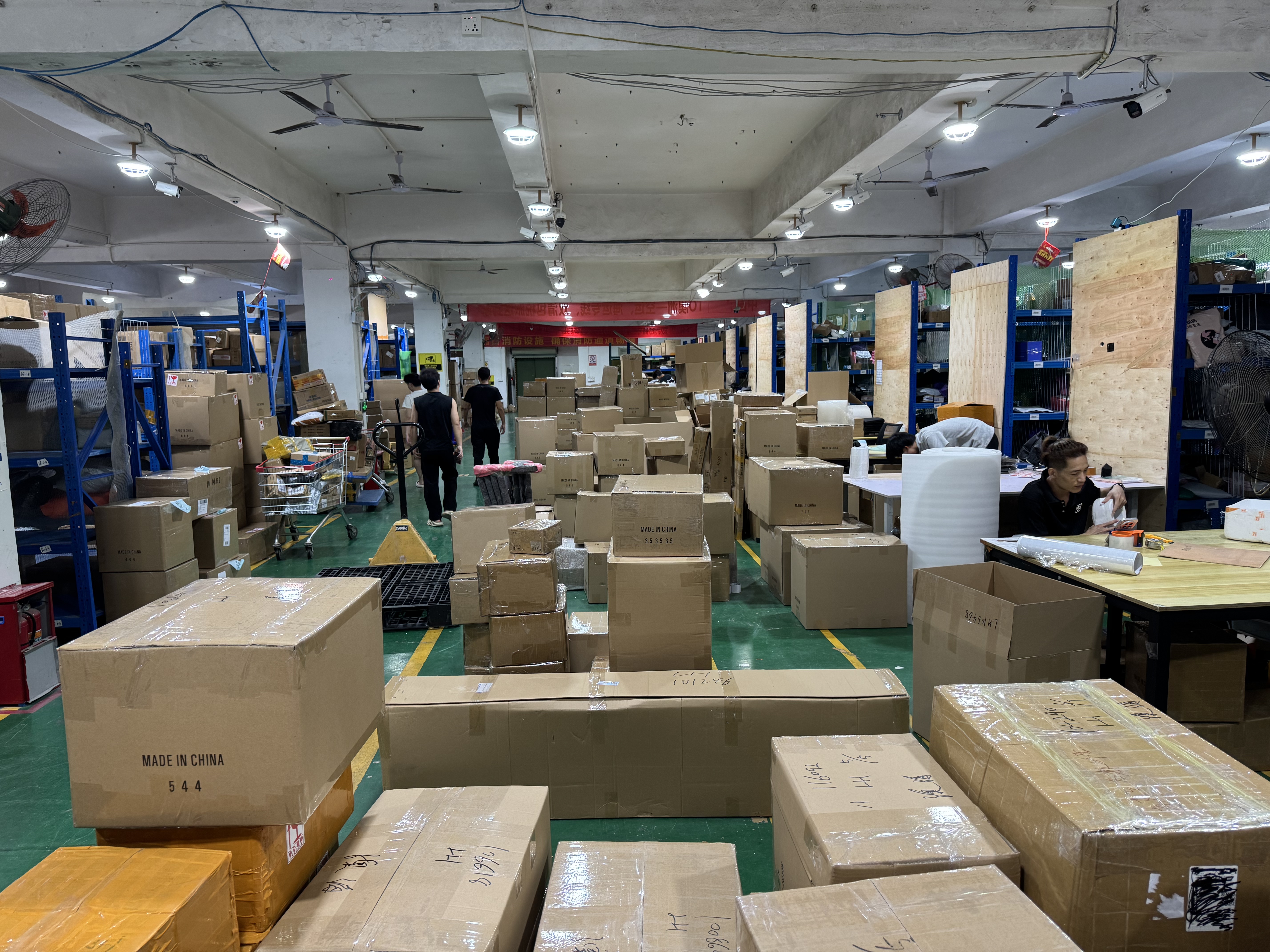
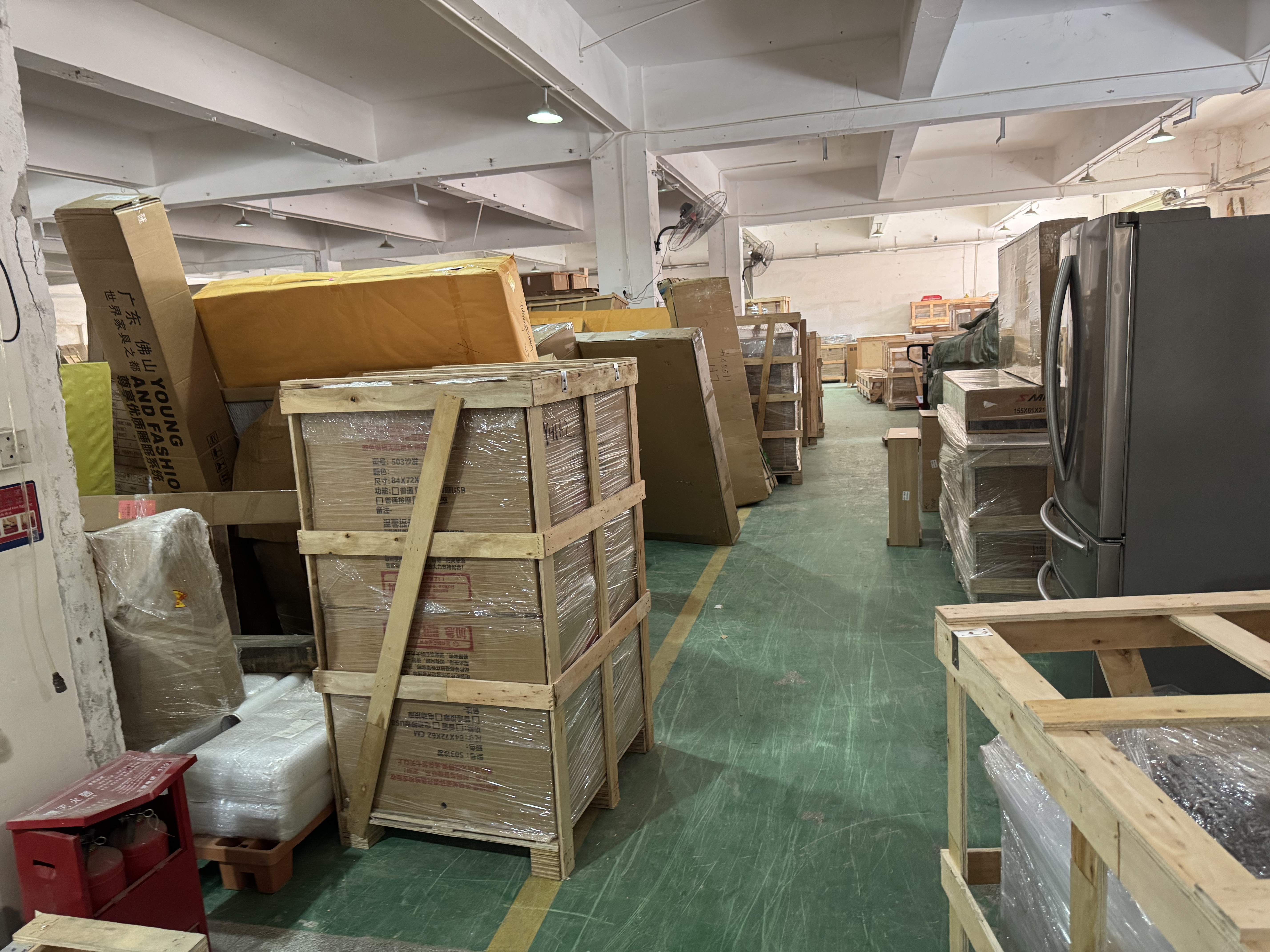
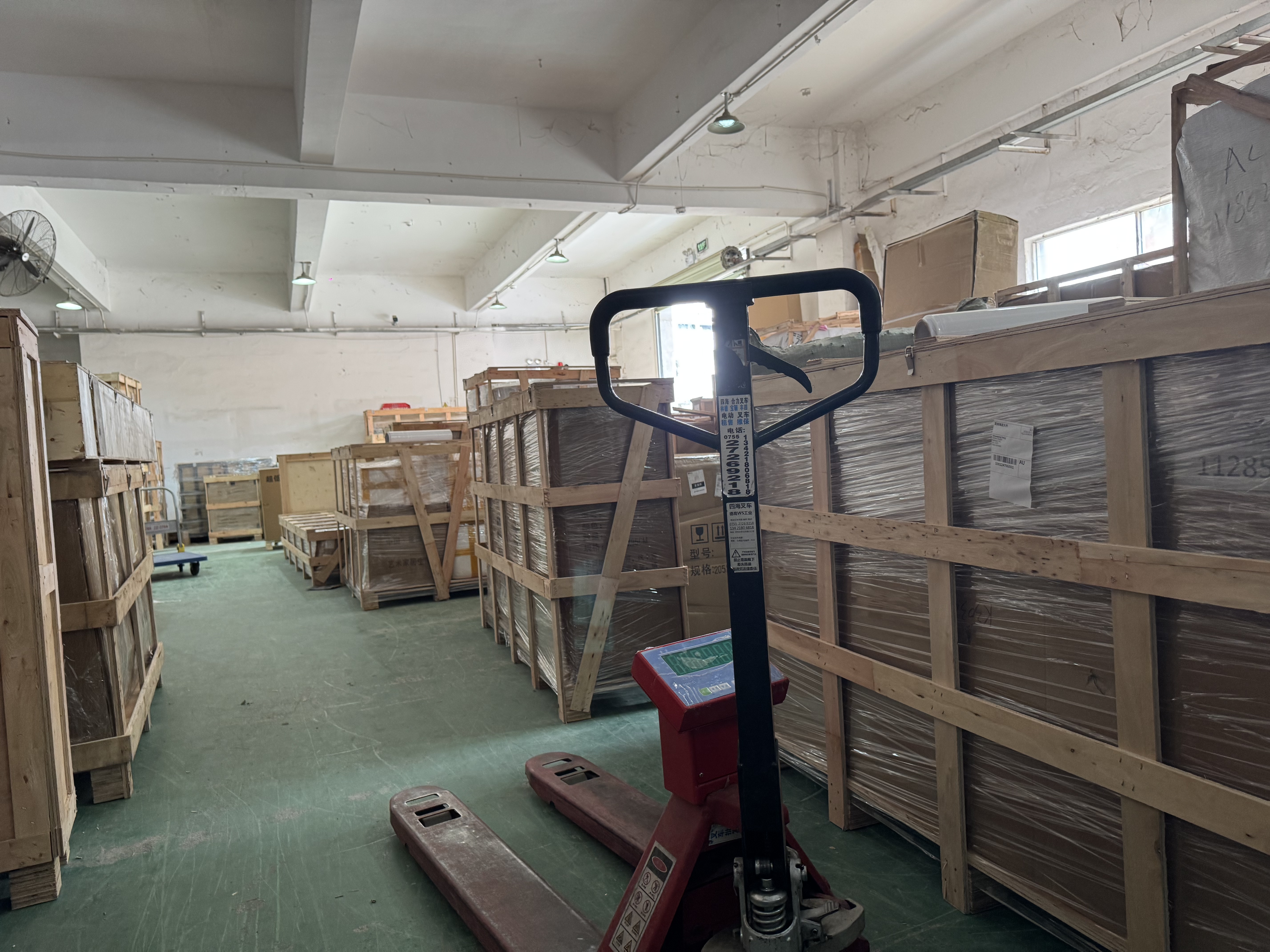
Small - scale Consolidation for Personal Items Many individuals in Canada are now using sea freight for personal items, such as furniture, clothing, and household goods. For example, a Canadian immigrant moving back to Canada from China may want to ship their belongings. In this case, they can opt for a consolidated sea freight service.The process usually starts with collecting all the items at a warehouse. The items are then carefully packed and labeled to ensure safe transportation. Once the container is filled with multiple customers' goods, it is shipped to Canada.
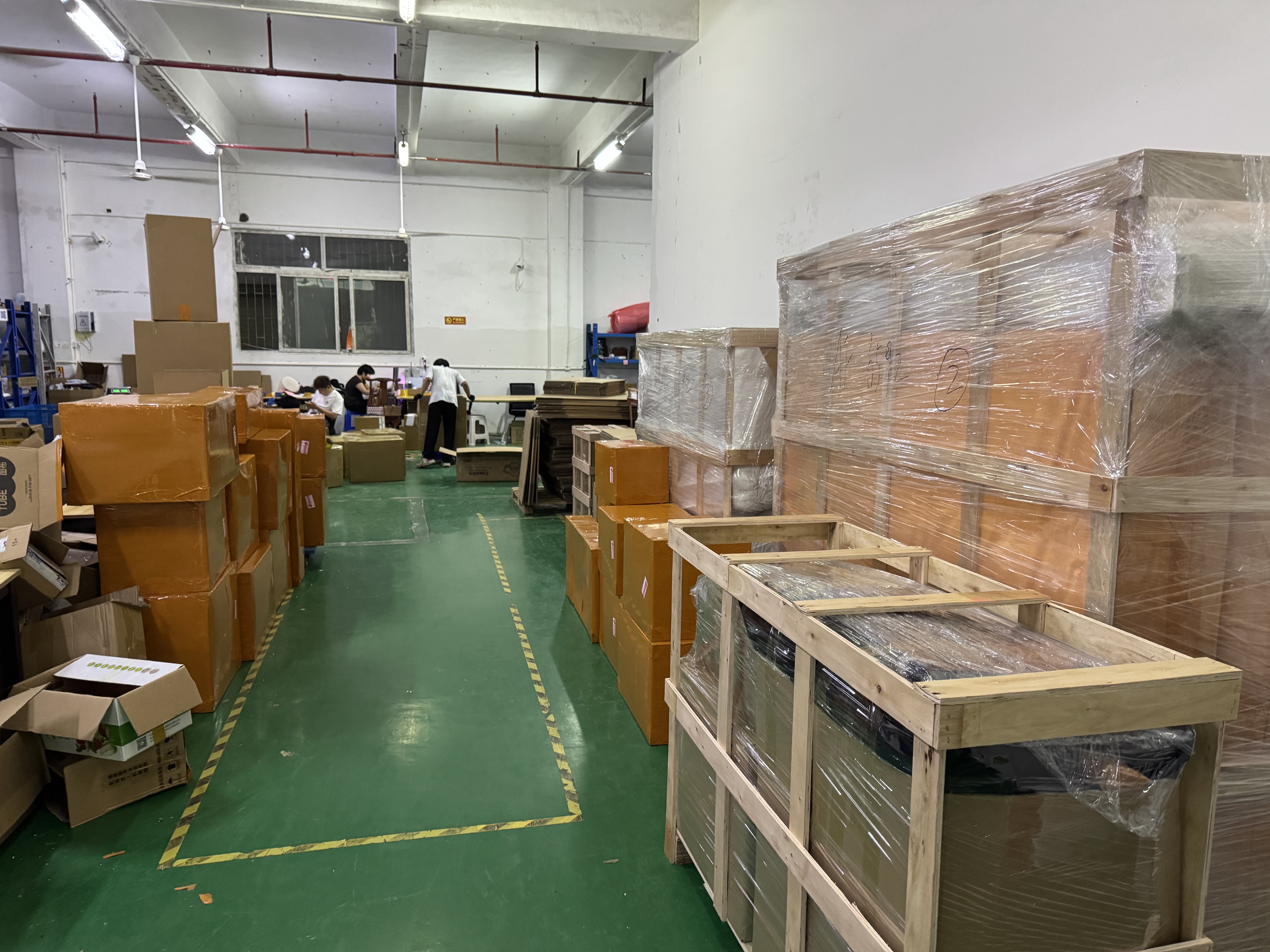
The advantage of this method is cost - effectiveness. Since the shipping cost is shared among multiple customers, it can be significantly lower than shipping a full container. However, it also means longer waiting times as the container needs to be filled before departure. On average, the transit time for small - scale consolidated sea freight is around 30 - 45 days.
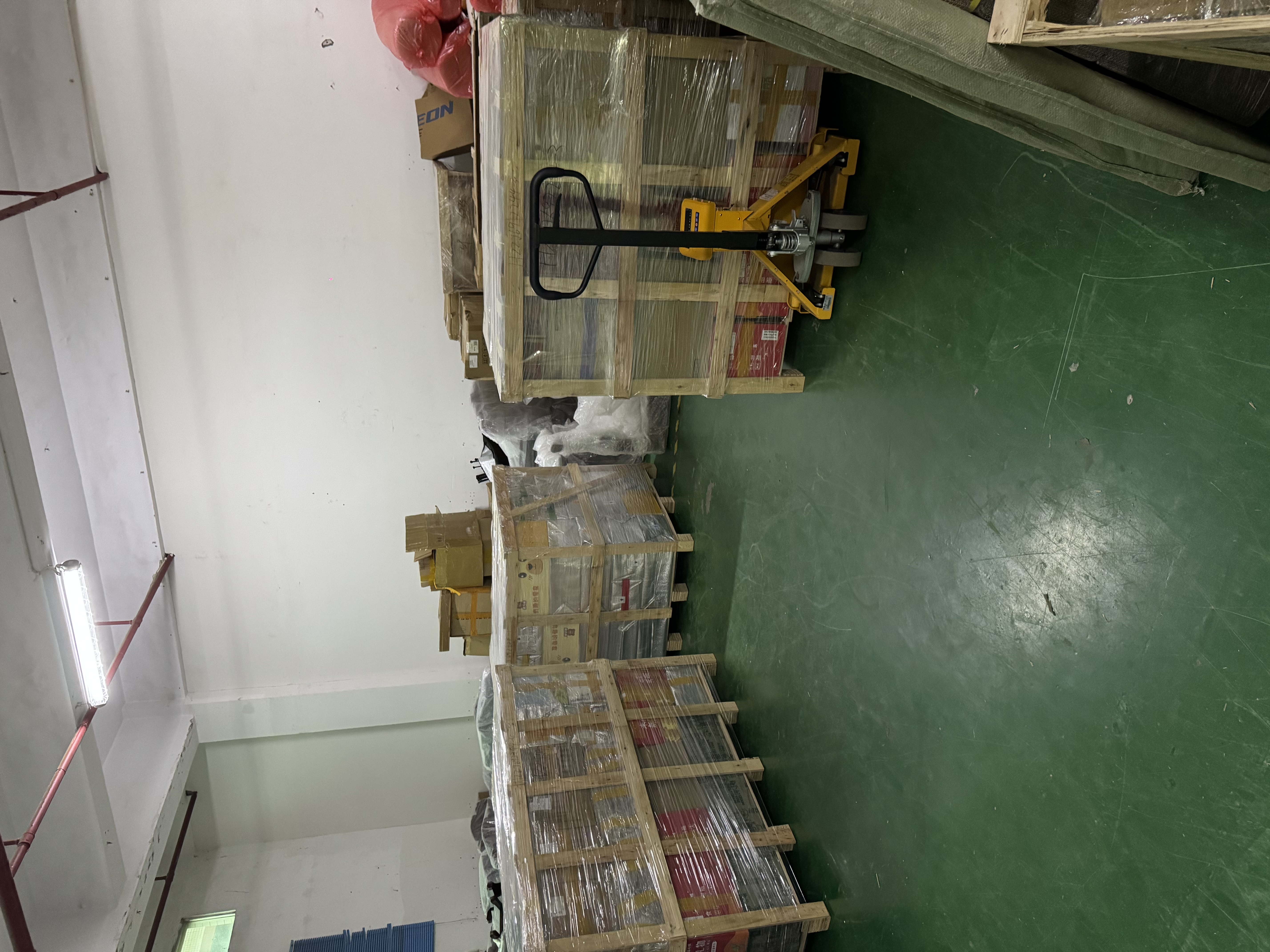
Handling Fragile Items When shipping fragile items like glassware or electronics, extra care is required. Shippers need to provide proper packaging materials to ensure the safety of the items. For instance, using bubble wrap, foam inserts, and sturdy boxes can prevent damage during transit.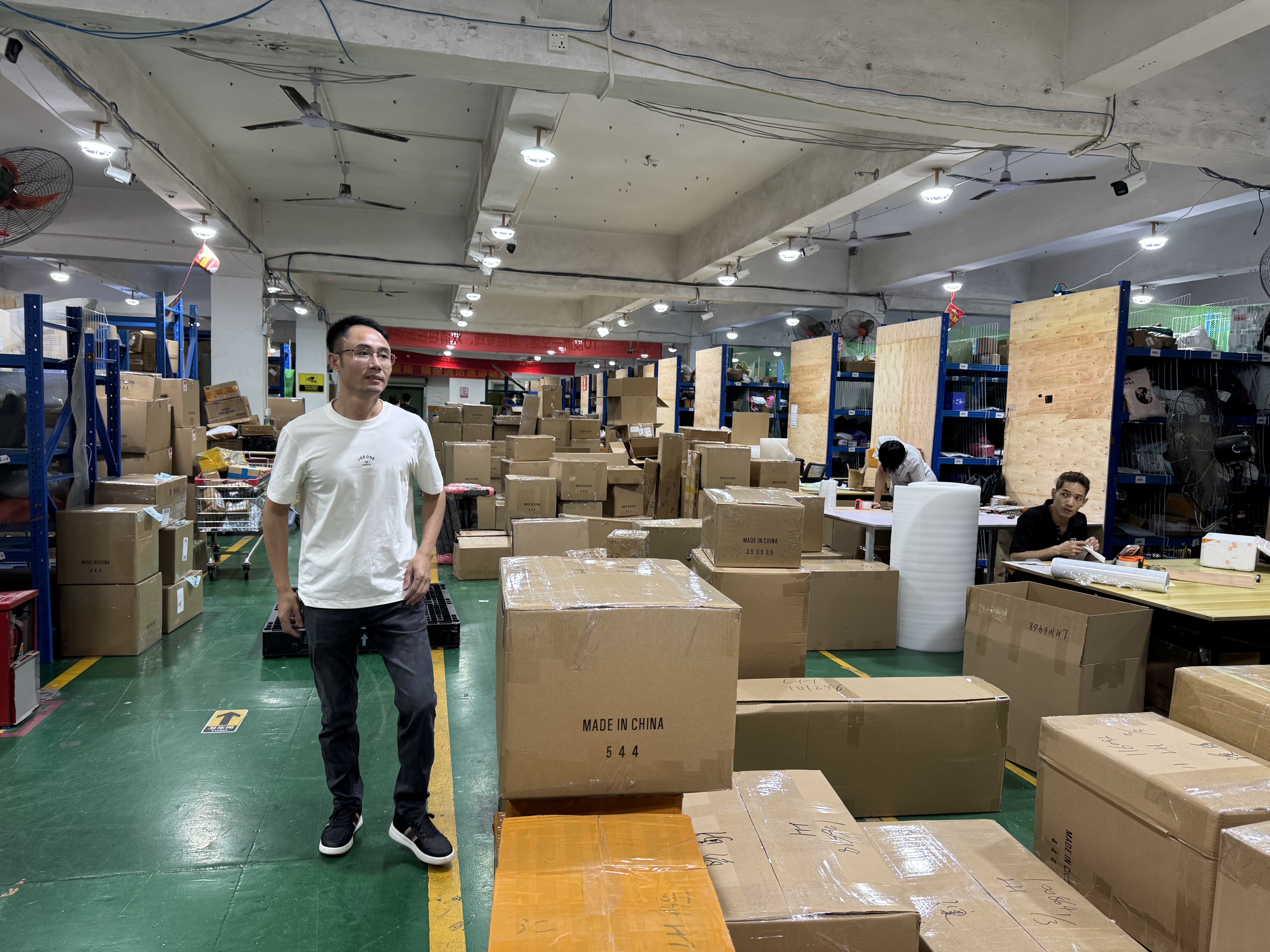
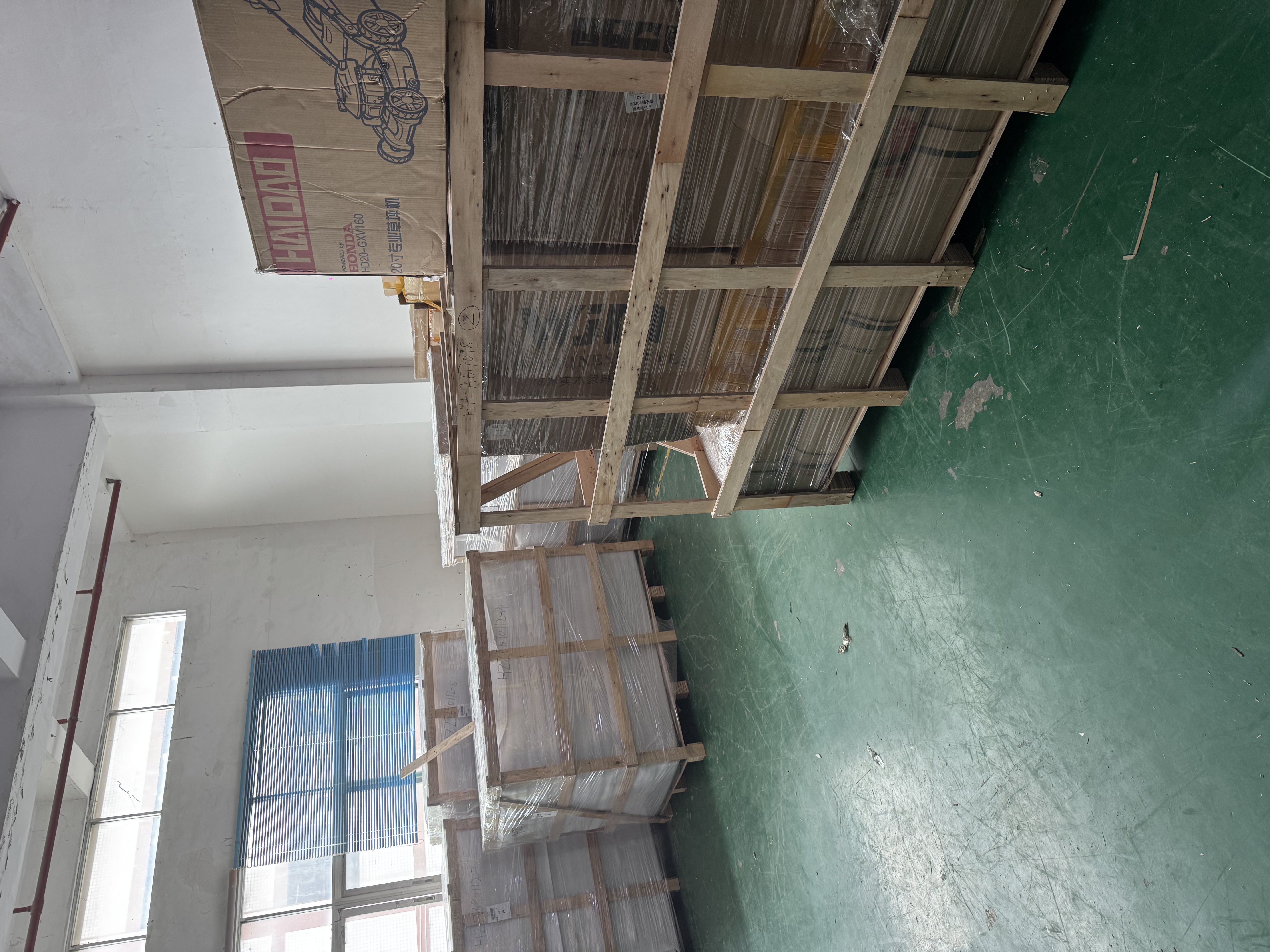
Some logistics companies, like Shengda International Logistics, offer specialized packaging services for fragile items. They use multi - layer shock - proof packaging to protect the goods from impacts. This has reduced the damage rate of fragile items to less than 1% in their shipments.
III. Serving Small and Medium - sized Enterprises (SMEs)
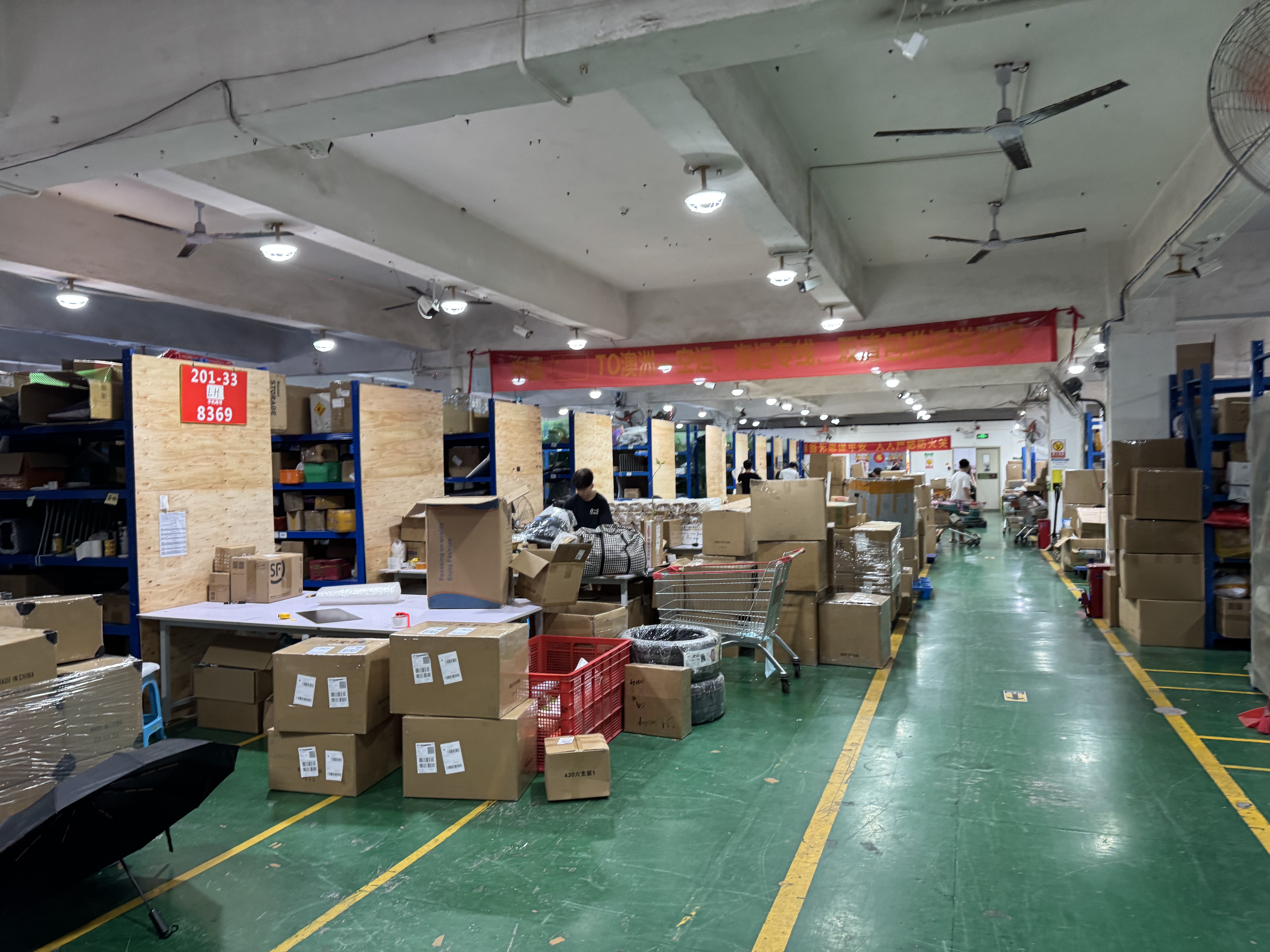
Inventory Management and Shipping SMEs often face challenges in managing their inventory and shipping. With consolidated sea freight, they can optimize their inventory levels. For example, a Canadian SME importing clothing from China can ship a small quantity of different styles in a consolidated container.This allows them to test the market demand without having to commit to large - scale orders. The cost - saving is significant, with SMEs reporting up to a 20% reduction in shipping costs compared to traditional full - container shipping.
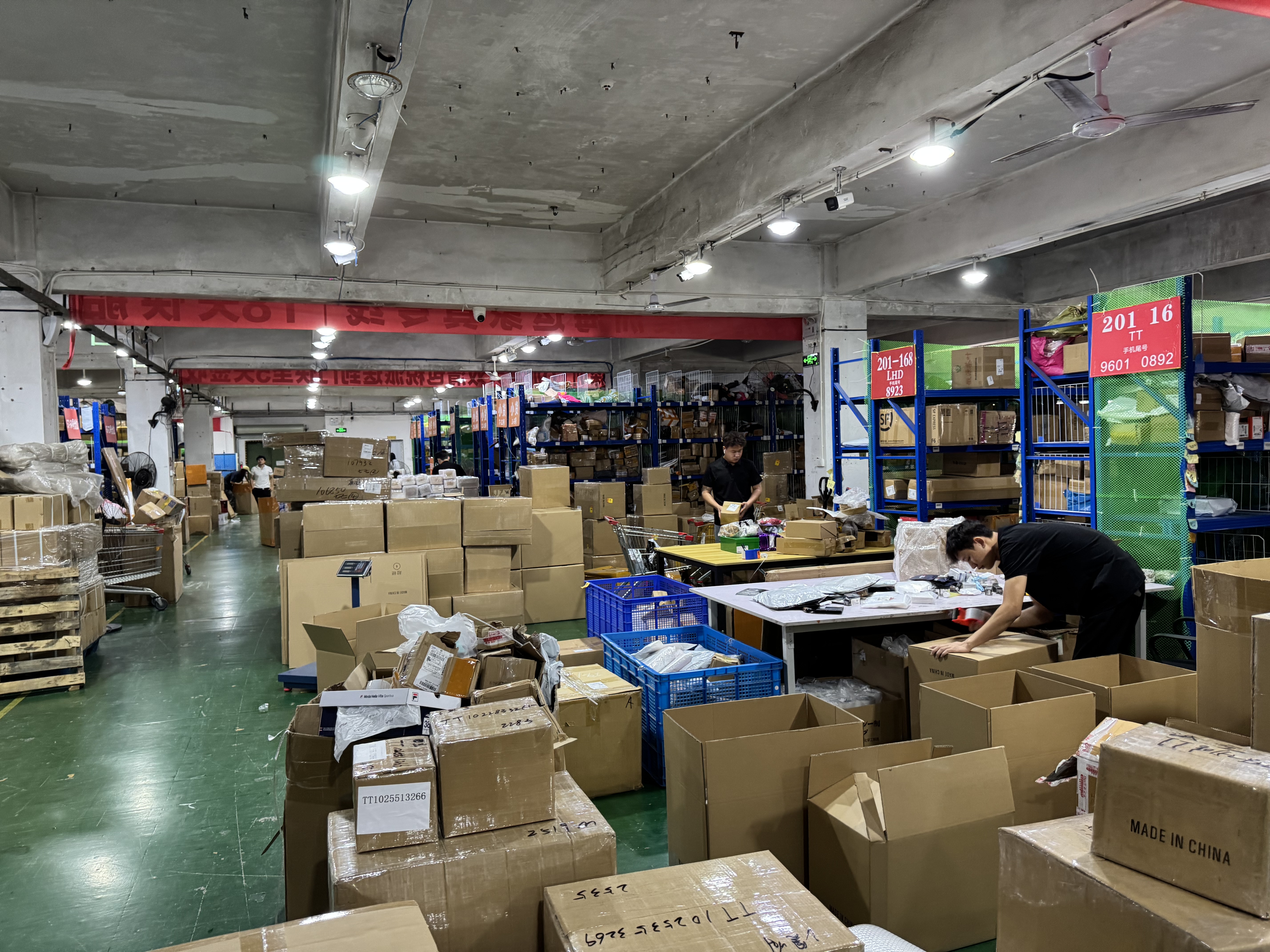
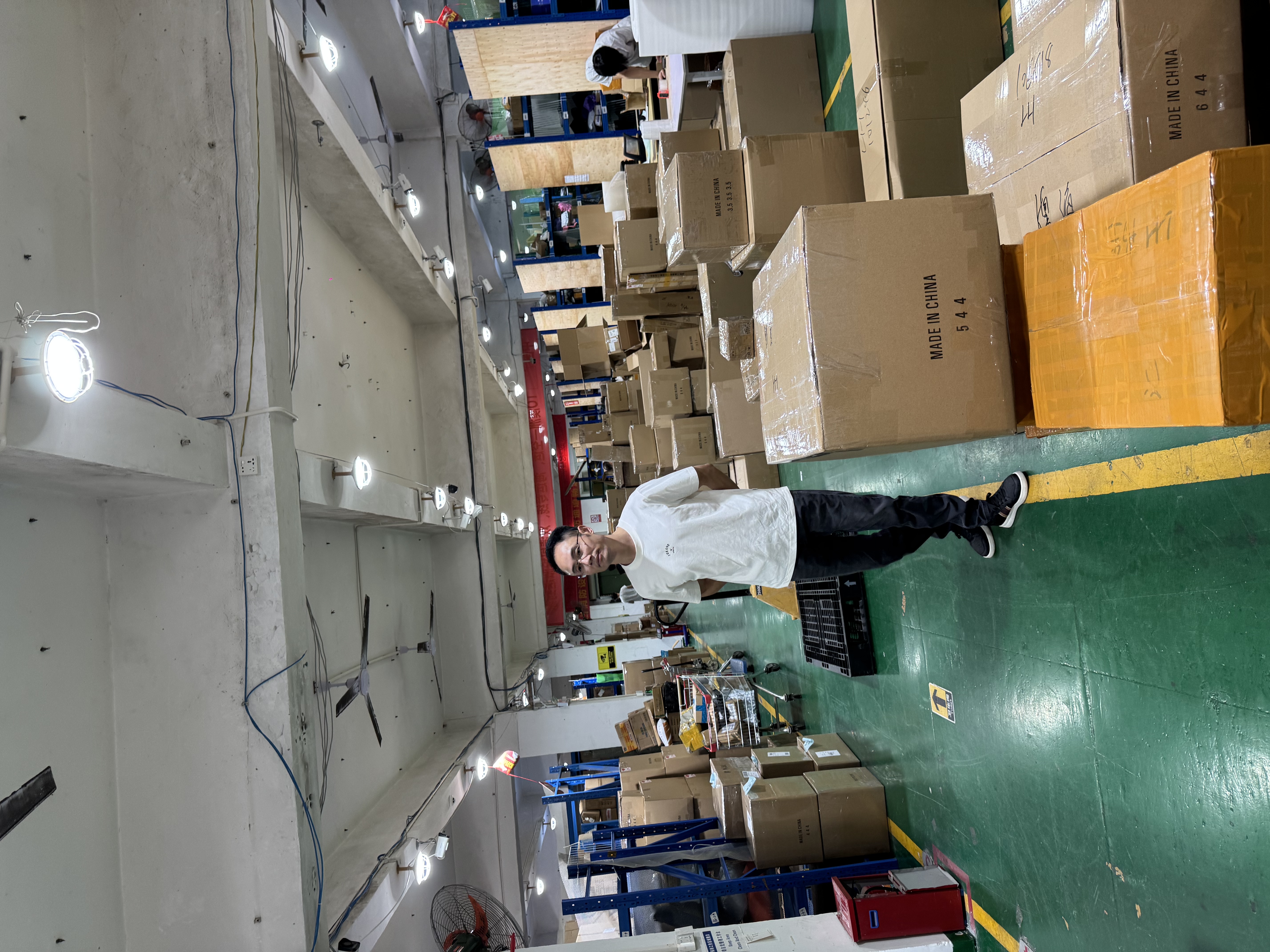
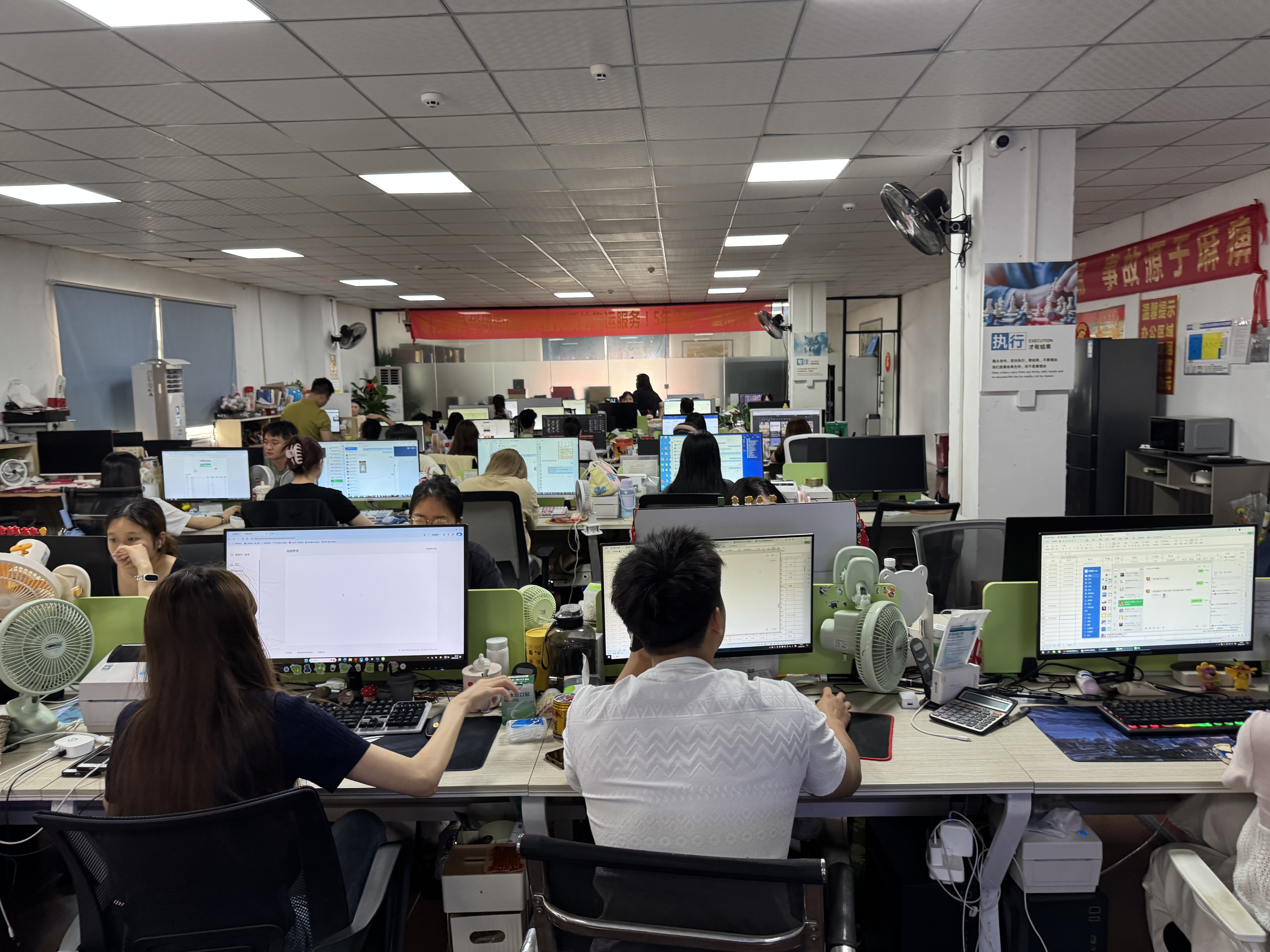
They also provide value - added services such as warehousing, inventory management, and customs clearance assistance, which can help SMEs focus on their core business.
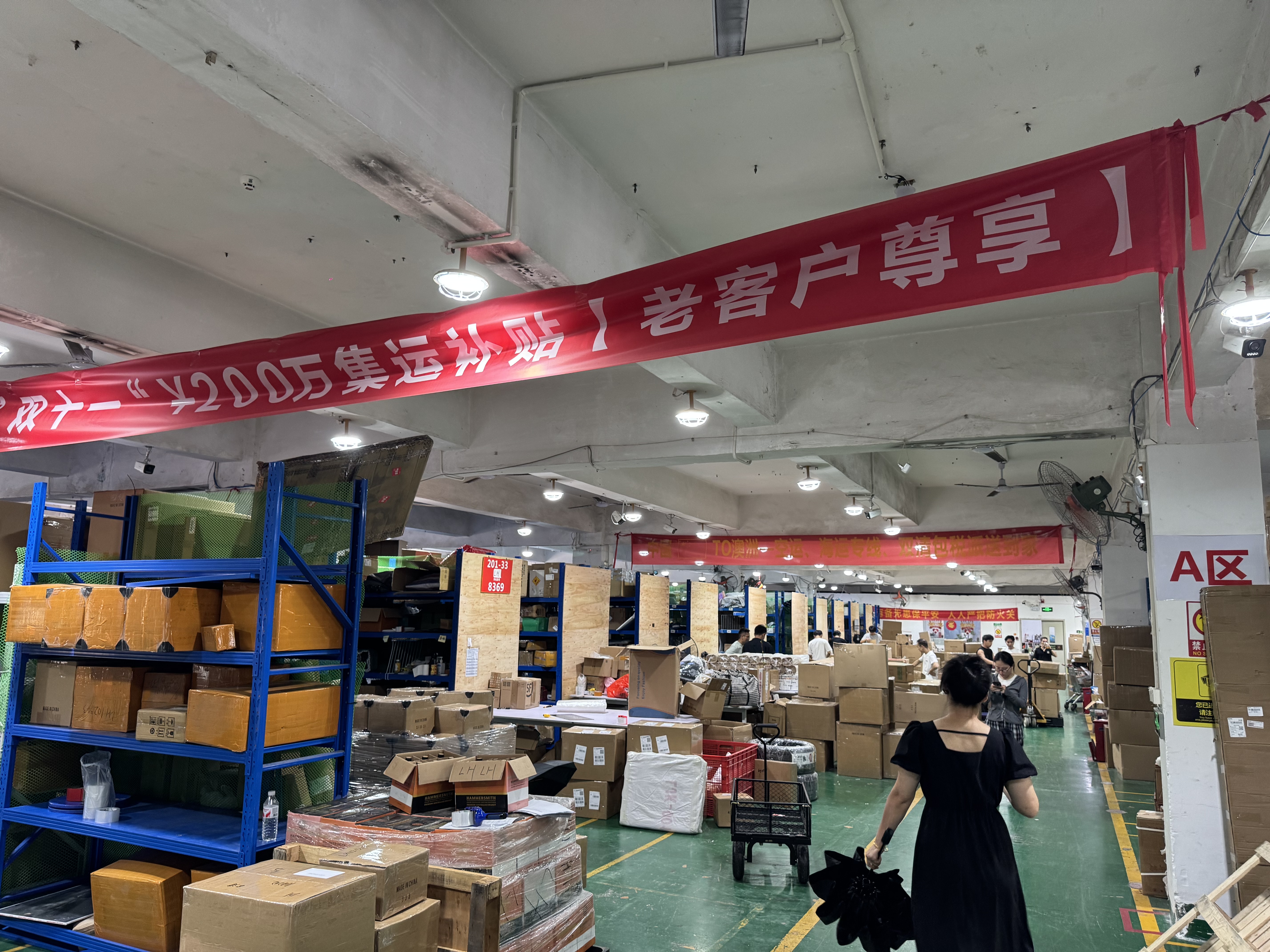
IV. Large - scale Commercial Shipping
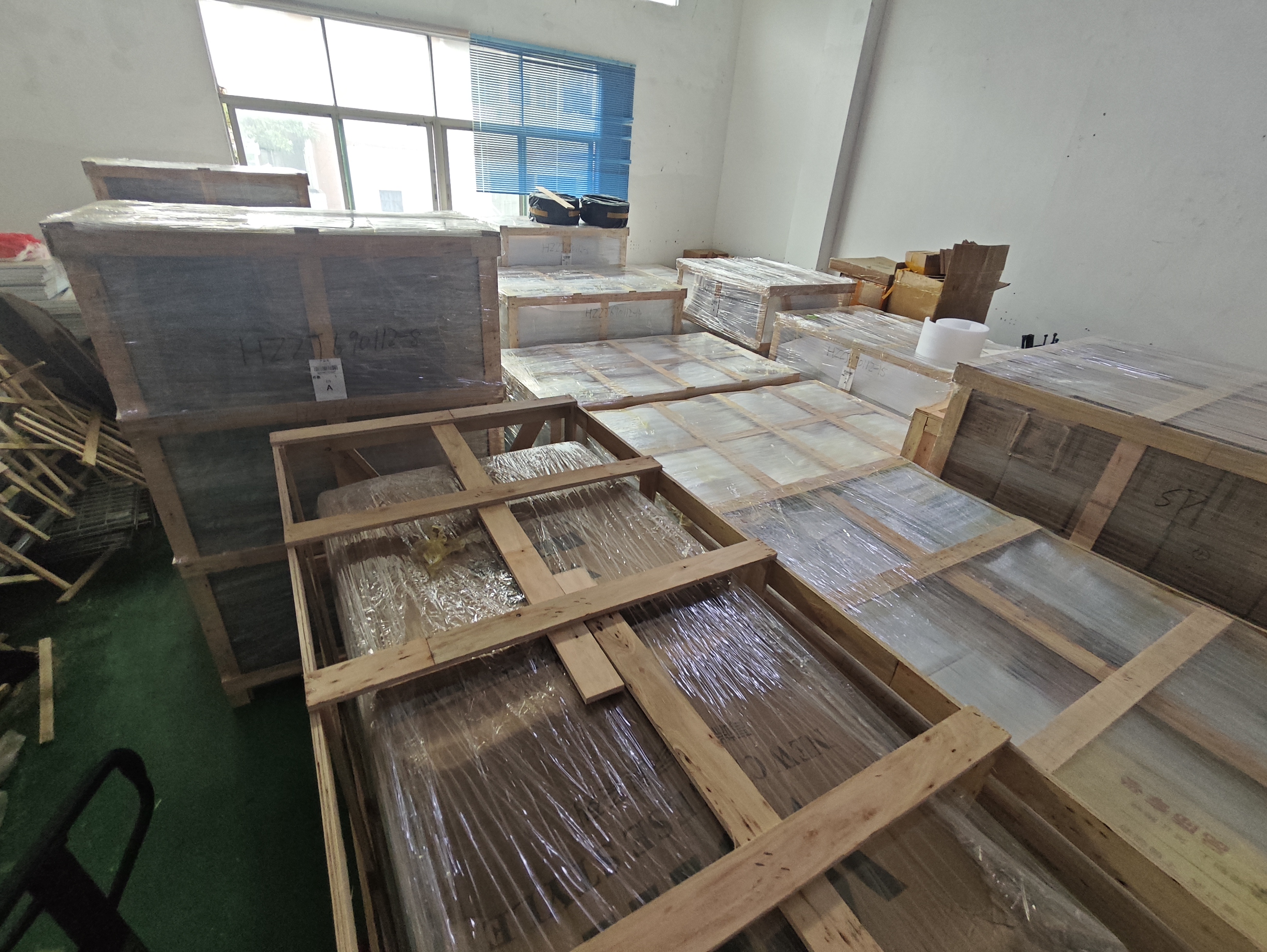
LCL, on the other hand, is more cost - effective for smaller quantities. It allows companies to share the container space with other shippers. But it also means that there may be more handling and potential delays.
In 2026, with the new policies promoting more efficient shipping, the choice between FCL and LCL has become even more critical. Companies need to carefully analyze their shipping volume, budget, and delivery time requirements.
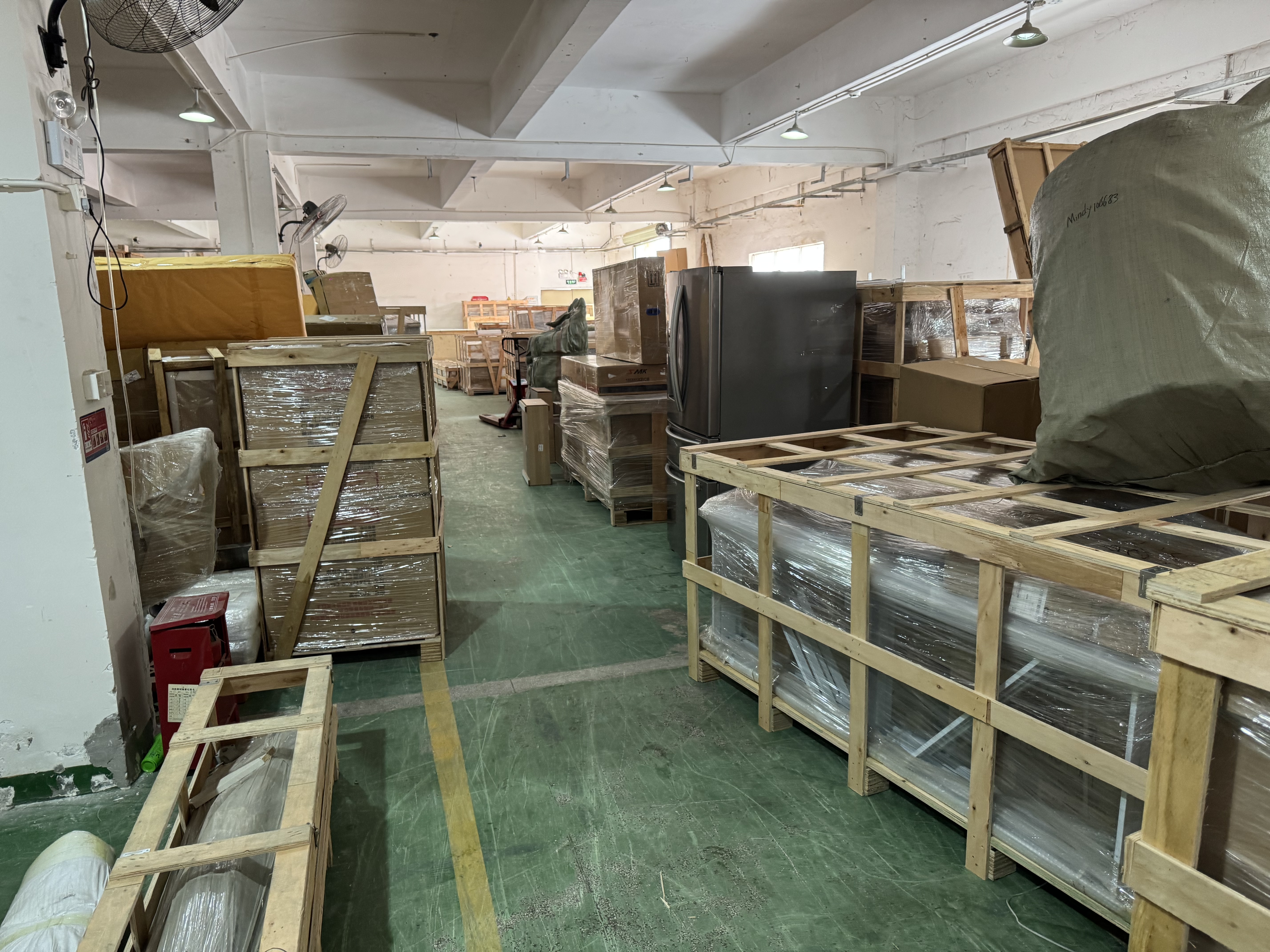
For example, a large Canadian furniture manufacturer importing raw materials from China needs to ensure that the materials arrive on time to meet production schedules. Logistics providers like Shengda International Logistics can play a crucial role in this process. They have a self - developed logistics system that allows real - time tracking of goods, which helps companies manage their supply chains more effectively.
V. FAQs
Q: How do I ensure my goods comply with the new 2026 policies on the China - Canada and Canada - China transport routes? A: It's essential to work with a reliable logistics provider like Shengda International Logistics. They have a team of experts who are well - versed in the latest policies. They can help you prepare the necessary documentation and ensure that your goods meet all the requirements. For example, they can assist with pre - arrival inspection documentation and ensure that your shipping vessel meets the environmental standards.Q: What if my fragile items get damaged during transit? A: If you choose a reputable company like Shengda International Logistics, they have a standardized damage and loss claim mechanism. They use high - quality packaging materials and specialized packaging techniques to minimize the risk of damage. In case of any damage, they will assess the situation and provide compensation according to the established standards. Their damage rate for fragile items is extremely low, thanks to their strict packaging procedures.
Q: Can I track my goods during the shipping process? A: Absolutely. Shengda International Logistics has a self - developed intelligent shipping system. You can track your goods at every stage, from warehousing to delivery. This system provides real - time updates, so you always know the status of your shipment. You can check the location of your goods, the estimated arrival time, and any other relevant information through their online platform.
Q: How can SMEs benefit from consolidated sea freight? A: SMEs can save a significant amount of money on shipping costs through consolidated sea freight. They can also optimize their inventory management by shipping smaller quantities more frequently. Additionally, logistics providers like Shengda International Logistics offer value - added services such as customs clearance assistance and warehousing, which can help SMEs focus on their core business and reduce administrative burdens.
Q: What is the difference between FCL and LCL, and which one is better for my business? A: FCL is for large - quantity shipments. It offers faster transit times and more control but is more expensive. LCL is suitable for smaller quantities and is more cost - effective. To decide which one is better for your business, you need to consider your shipping volume, budget, and delivery time requirements. For example, if you have a large order that needs to be delivered quickly, FCL may be the better choice. If you have a smaller order and are more concerned about cost, LCL may be more suitable.
