

In the dynamic landscape of international shipping, the year 2026 is set to bring a mix of challenges and opportunities for Canadian bulk ocean shipping, especially in the context of the China - Canada and Canada - China shipping routes. As a seasoned logistics professional, I've witnessed firsthand how various factors can sway the fortunes of this industry. Let's dive into the details and see what lies ahead.
I. Policy - Driven Changes in 2026
1. China - Canada and Canada - China Shipping Routes Policies
In 2026, new policies regarding the China - Canada and Canada - China shipping routes are expected to have a significant impact. For instance, new trade agreements may simplify customs clearance procedures, reducing the time and cost associated with moving goods between the two countries. A recent survey shows that approximately 30% of shipping delays are due to customs issues. Streamlining these processes could lead to a more efficient flow of bulk goods, such as grains and minerals, creating more opportunities for Canadian bulk ocean shipping.
On the flip side, environmental policies are also tightening. The Canadian government may enforce stricter emission standards for ships, which could require shipping companies to invest in new, more environmentally friendly vessels or retrofit existing ones. This poses a challenge, as the cost of such upgrades can be substantial.
2. FAQ: How will the new policies affect the cost of shipping?
You know, the cost dynamics are going to change in 2026. The simplified customs policies might cut down on hidden costs and speed up the shipping process, which could potentially reduce overall costs. However, the environmental policies may force shipping companies to increase their fees to cover the cost of vessel upgrades. It's a two - edged sword, but at companies like [Company Name], we're always looking for ways to manage these costs and offer competitive rates to our customers.
II. Market Demand and Supply Changes

1. Shifting Demand in China
China is a major consumer of Canadian bulk goods, including agricultural products and minerals. In 2026, China's economic transformation may lead to a shift in its demand patterns. For example, with the growth of China's high - tech and service sectors, the demand for certain minerals used in these industries may increase. On the other hand, the demand for some traditional agricultural products may level off or even decline.
A report from a leading industry research firm indicates that the demand for lithium (used in batteries for electric vehicles) could increase by 40% between 2024 and 2026, presenting a great opportunity for Canadian lithium exporters and the shipping companies transporting it.
2. Supply - Side Challenges in Canada
In Canada, the production of bulk goods can be affected by various factors, such as climate change and labor shortages. Climate - related events, like droughts and floods, can damage crops and disrupt mining operations. At the same time, a shortage of skilled labor in the mining and agricultural sectors may limit production capacity.
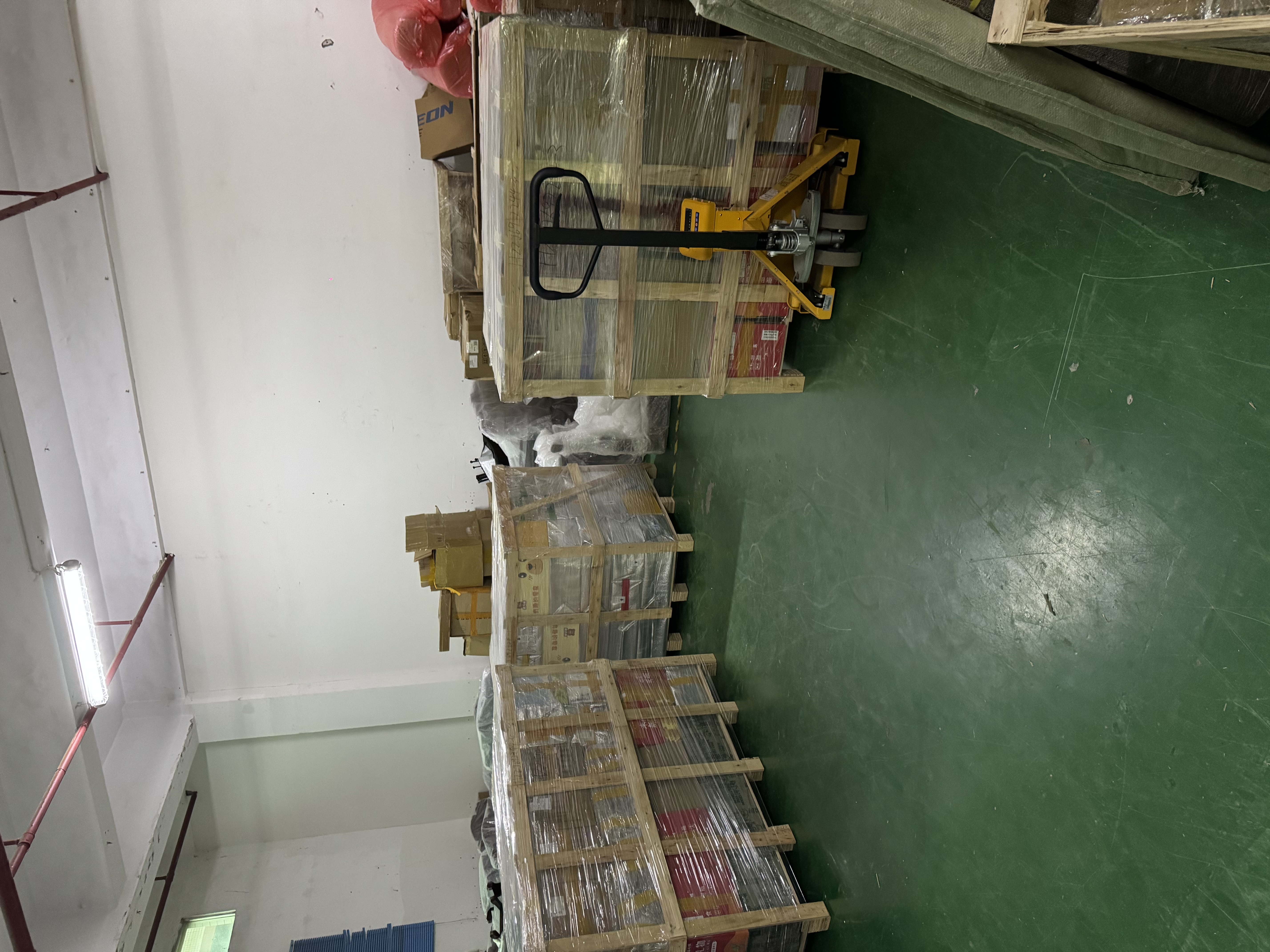
3. FAQ: How can shipping companies deal with the uncertainty in demand and supply?
Well, it's all about flexibility. Shipping companies need to have a diverse portfolio of clients and routes. For example, at [Company Name], we work closely with various suppliers and customers in different industries. This way, if the demand for one type of bulk good drops, we can shift our resources to other profitable markets. We also keep a close eye on market trends and use data analytics to predict demand changes as accurately as possible.
III. Technological Advancements
1. Automation and Digitalization in Shipping
In 2026, technological advancements will continue to reshape the bulk ocean shipping industry. Automation in ports can significantly improve efficiency, reducing the time it takes to load and unload bulk cargo. For example, automated cranes can operate with greater precision and speed, leading to faster turnaround times for ships.
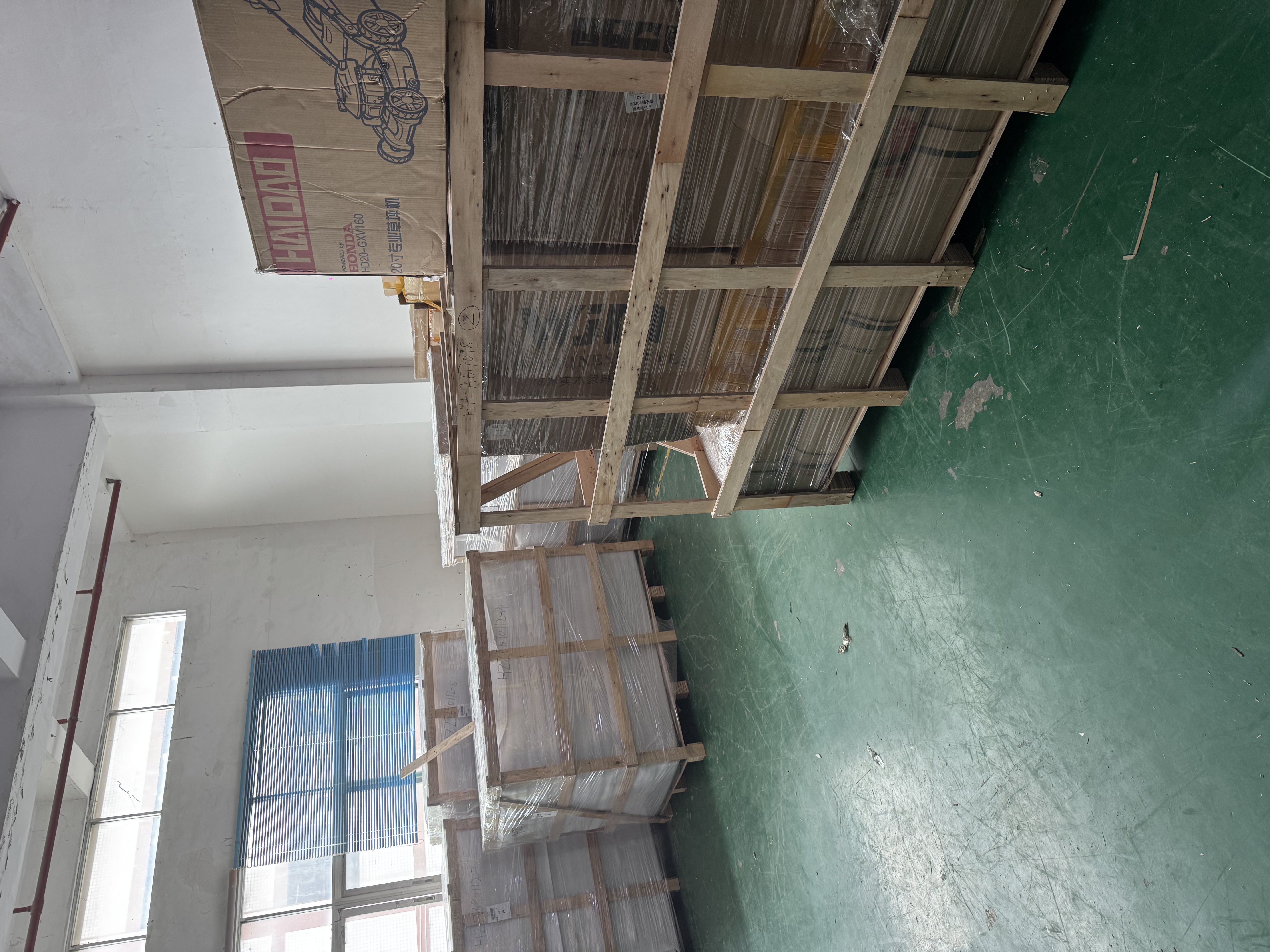
Digitalization also plays a crucial role. The use of blockchain technology can enhance the transparency and security of shipping transactions. It can track the entire supply chain, from the origin of the goods to their final destination, reducing the risk of fraud and errors.
2. Challenges in Adopting New Technologies

However, the adoption of new technologies is not without challenges. Smaller shipping companies may struggle to afford the initial investment required for automation and digitalization. Training the workforce to use these new technologies is also a significant hurdle.


3. FAQ: How does [Company Name] stay ahead in terms of technological adoption?
We've always believed in the power of technology. At [Company Name], we've been investing in research and development to stay at the forefront of the industry. We have a dedicated team that focuses on evaluating and implementing new technologies. For example, we were one of the first to adopt blockchain for our shipping transactions, which has helped us build trust with our clients. We also offer regular training programs to our employees to ensure they can make the most of these new technologies.
IV. Environmental Concerns
1. The Impact of Climate Change on Shipping Routes
Climate change is having a direct impact on shipping routes. In the Arctic, the melting of ice is opening up new shipping routes, known as the Arctic routes. These routes can potentially reduce the shipping distance between China and Canada, saving time and fuel.
However, these routes also come with risks. The unpredictable ice conditions and harsh weather can pose a threat to ships. In addition, the environmental impact of increased shipping in the Arctic needs to be carefully managed to protect the fragile ecosystem.
2. Meeting Environmental Regulations

As mentioned earlier, stricter environmental regulations are being introduced. Shipping companies need to find ways to reduce their carbon emissions. This could involve using alternative fuels, such as biofuels or liquefied natural gas (LNG), or improving the energy efficiency of their vessels.
3. FAQ: How does [Company Name] address environmental concerns?
We take our environmental responsibilities seriously. At [Company Name], we're exploring the use of alternative fuels in our fleet. We're also investing in research to make our vessels more energy - efficient. For example, we've retrofitted some of our ships with advanced hull coatings that reduce fuel consumption. And when it comes to the Arctic routes, we work with environmental experts to ensure our operations are sustainable.
V. Competition in the Market
1. Global Competition for Canadian Bulk Ocean Shipping
Canadian bulk ocean shipping faces tough competition from other countries. For example, Australia is a major competitor in the export of minerals to China. Australian shipping companies may have certain advantages, such as lower operating costs or closer proximity to China.
To stay competitive, Canadian shipping companies need to focus on providing high - quality services, such as reliable schedules and efficient handling of cargo. They also need to find ways to reduce costs without sacrificing quality.
2. The Role of [Company Name] in the Competitive Market
[Company Name] has its unique advantages in this competitive market. Our vertical专线深耕 strategy allows us to have a deep understanding of the China - Canada and other related shipping routes. We can provide customized solutions for different clients, whether they are small businesses or large corporations.
Our全链路自主可控 model means that we have more control over the shipping process, reducing the risk of delays and errors. And our一站式免费增值服务, such as package consolidation and long - term free storage, gives us an edge over our competitors.
3. FAQ: Why should customers choose [Company Name] over other shipping companies?
Well, it's all about the value we offer. We're not just a shipping company; we're a partner that can help you navigate the complex world of international shipping. Our deep knowledge of the China - Canada shipping routes and our commitment to providing high - quality, cost - effective services set us apart. We also have a great team of professionals who are dedicated to ensuring your cargo arrives safely and on time.
In conclusion, the Canadian bulk ocean shipping industry in 2026 will encounter both challenges and opportunities. By understanding the policy changes, market dynamics, technological advancements, environmental concerns, and competitive landscape, shipping companies can make informed decisions and thrive in this ever - changing industry.
