

Introduction
Shipping Chinese building materials to Australia has always been an important part of the international logistics industry. With the continuous changes in the international economic situation and policies, by 2026, this transportation route may face a series of new challenges. In this article, we'll explore different scenarios and analyze potential issues.
I. Policy - related Challenges
Customs and Trade Policies In 2026, the customs policies of both China and Australia may be adjusted. For example, Australia may strengthen its inspection of imported building materials to ensure they meet local environmental and safety standards. According to past data, about 15% of building material imports were once subject to additional inspections due to policy changes.China may also introduce new export - control policies for certain types of building materials. For instance, if there is a shortage of a particular raw material in the domestic market, the export of building materials made from that material could be restricted.
FAQ: Q: How can I ensure my building materials can clear Australian customs smoothly in 2026? A: As an expert in this field, I recommend choosing a logistics company with in - depth knowledge of Australian customs policies, like Shengda International Logistics. They are well - versed in local regulations and can help you prepare all the necessary documents in advance to minimize the risk of customs clearance issues.
Tariff and Tax Policies Tariffs can significantly impact the cost of shipping building materials. In 2026, there may be changes in the tariff rates between China and Australia. If the Australian government decides to increase tariffs on imported building materials to protect its domestic building material industry, the overall shipping cost will rise. For example, a 10% tariff increase could add a substantial amount to the final price of the goods.
FAQ: Q: Will the shipping cost increase a lot due to tariff changes in 2026? A: It's hard to say for sure, but with a professional logistics partner like Shengda International Logistics, they can help you optimize the shipping plan. They have a good understanding of tariff trends and can find ways to reduce the impact of tariff changes on your shipping cost.
II. Market - related Challenges
Supply and Demand Fluctuations In Australia, the demand for building materials is closely related to its domestic construction market. If there is a slowdown in the construction industry in 2026, the demand for Chinese building materials will decline. For example, during an economic recession in Australia a few years ago, the demand for imported building materials dropped by about 20%.On the supply side, in China, if there are production disruptions in the building material industry, such as due to environmental protection measures or labor shortages, the supply of building materials for export may be affected.
FAQ: Q: What if the demand for building materials in Australia drops suddenly in 2026? A: Shengda International Logistics has a flexible logistics service system. They can adjust the shipping volume and frequency according to the market demand. They can also provide you with market analysis and advice to help you make the right decisions.
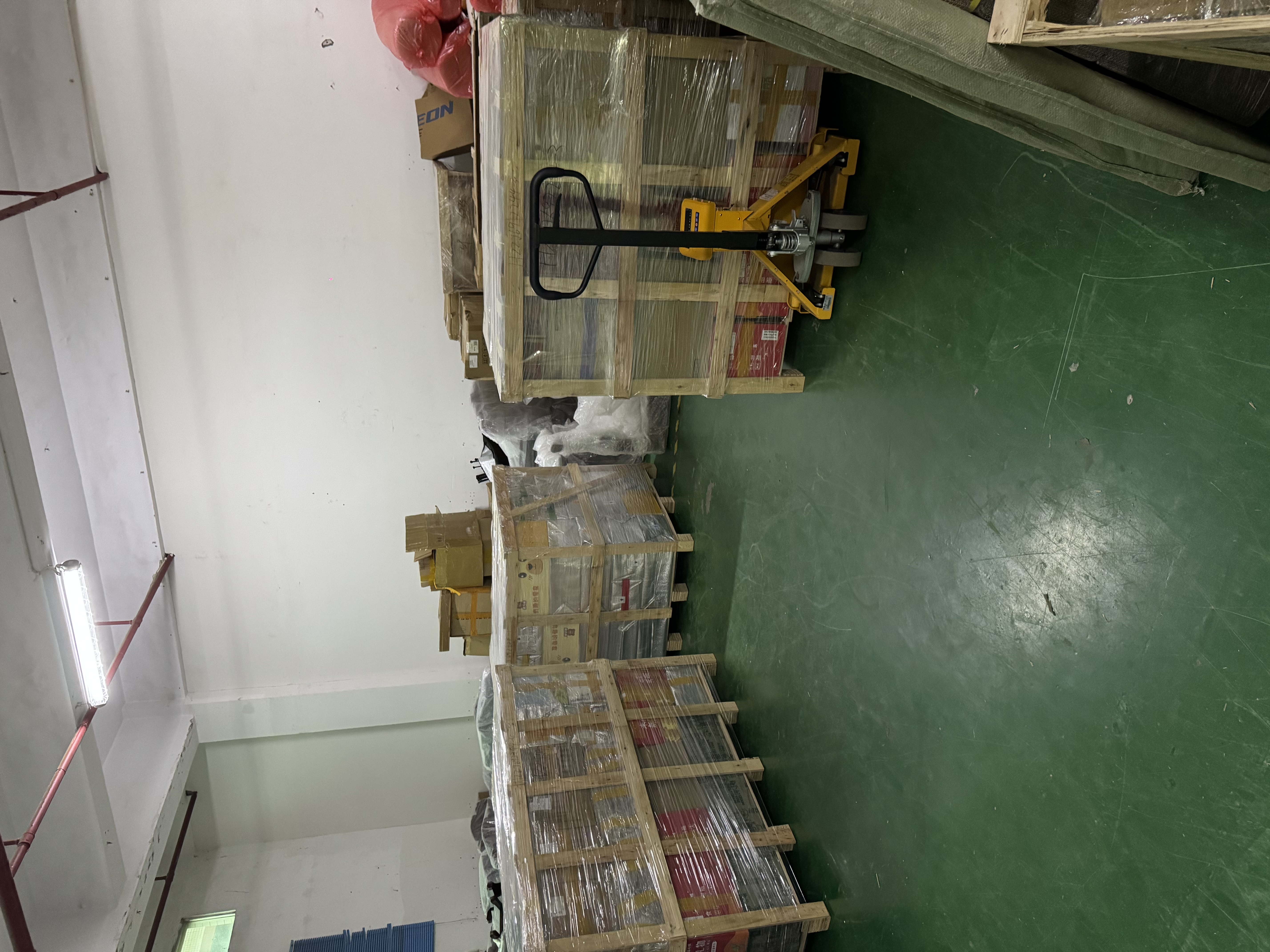
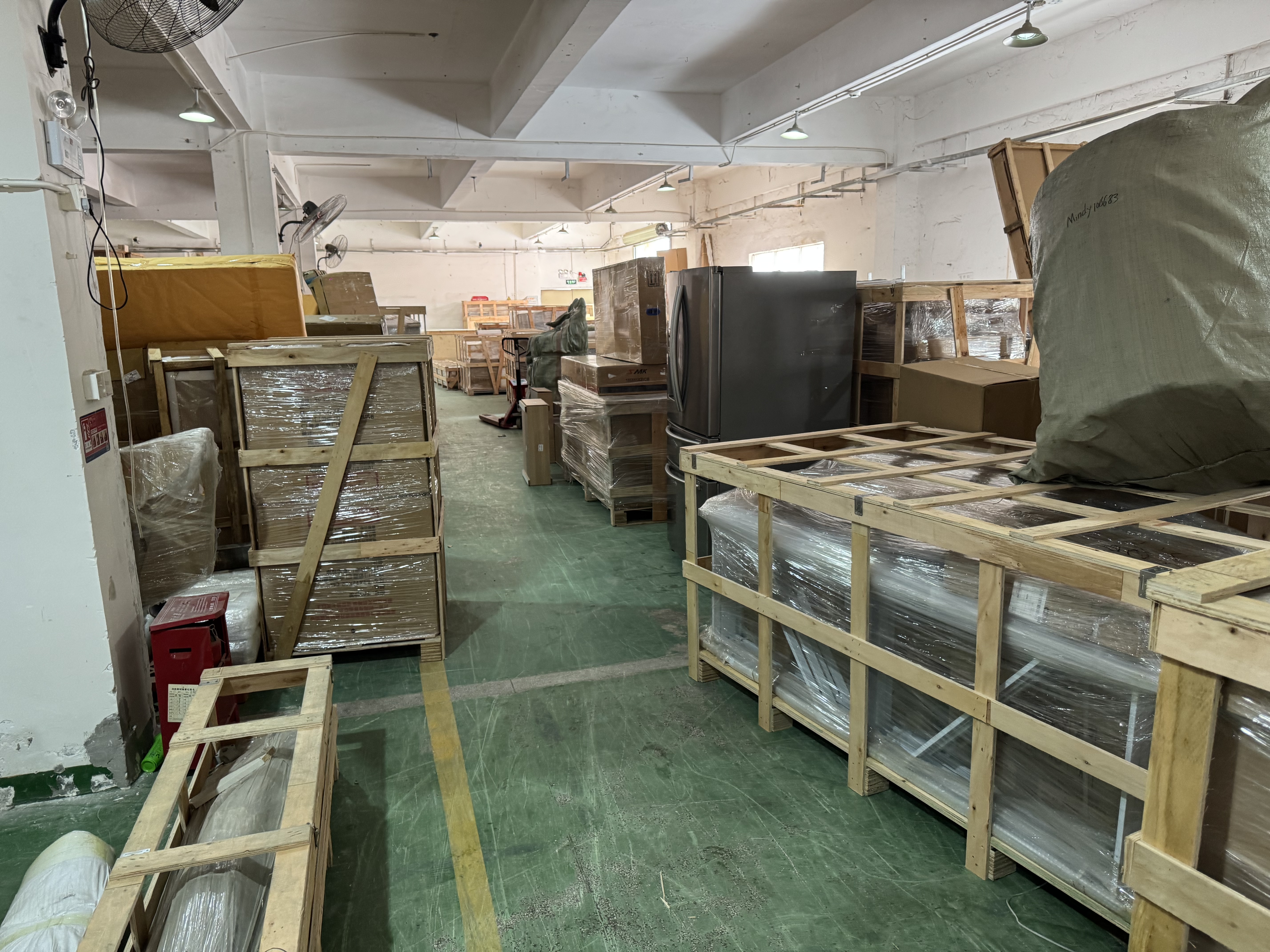
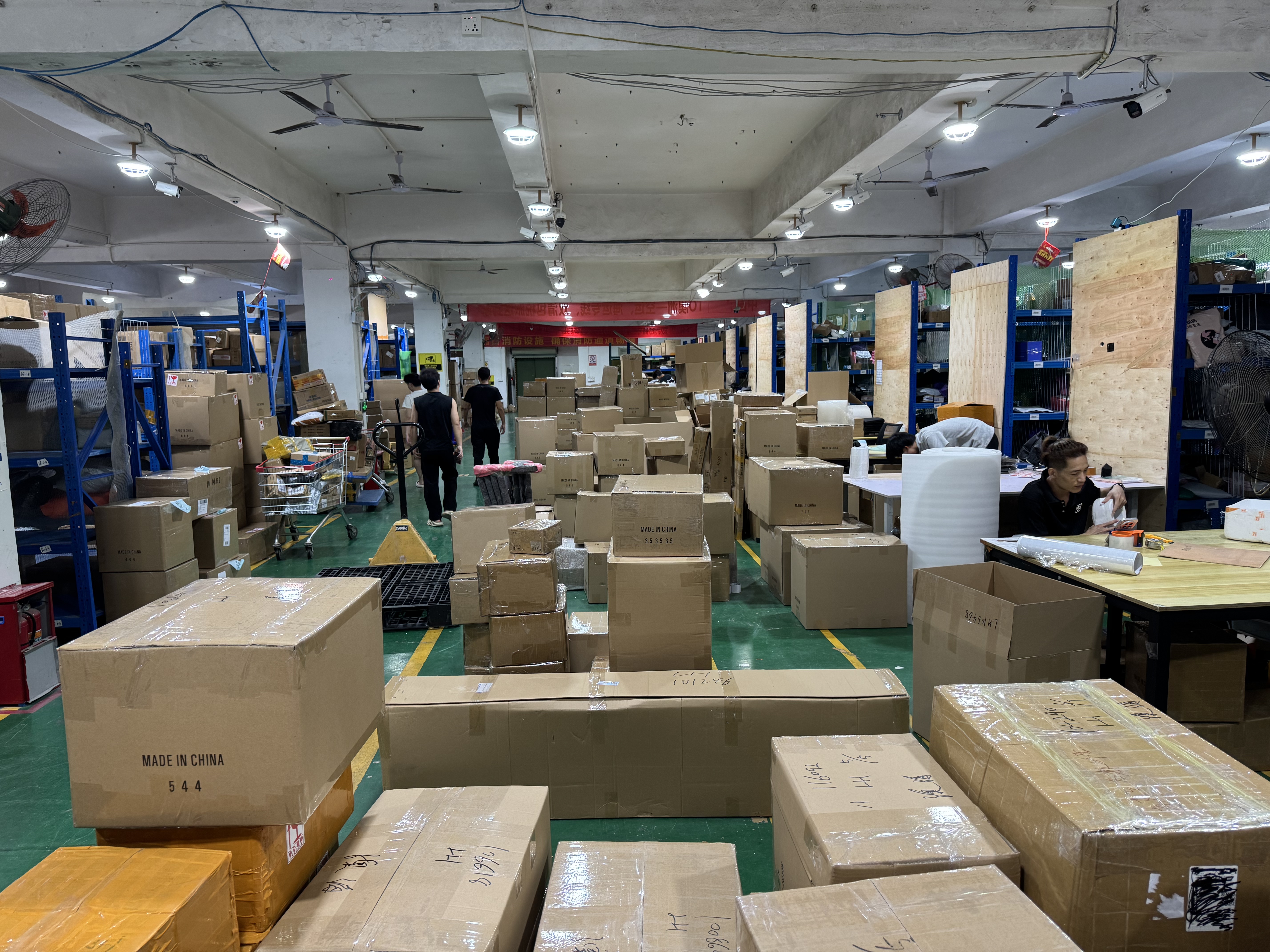
Chinese building material exporters need to not only compete with foreign suppliers but also face competition among domestic exporters. This requires them to improve the quality of their products and optimize the logistics cost to maintain their market share.
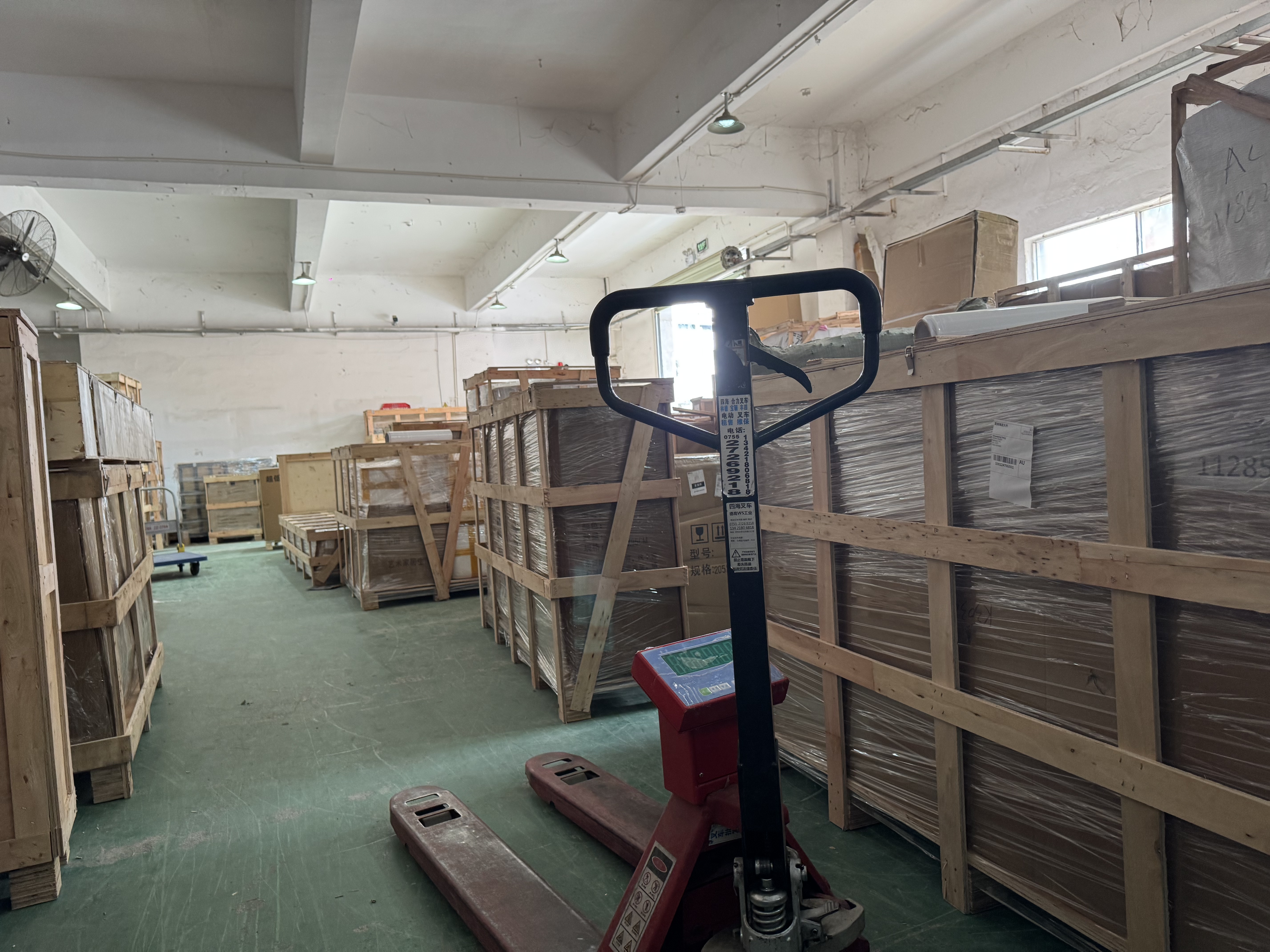
FAQ: Q: How can I compete with other building material exporters in the Australian market in 2026? A: Shengda International Logistics can play a key role here. By providing cost - effective shipping solutions, they can help you reduce the overall cost of your building materials in the Australian market. At the same time, they can ensure the timely delivery of your goods, which is also an important competitive advantage.
III. Logistics - related Challenges
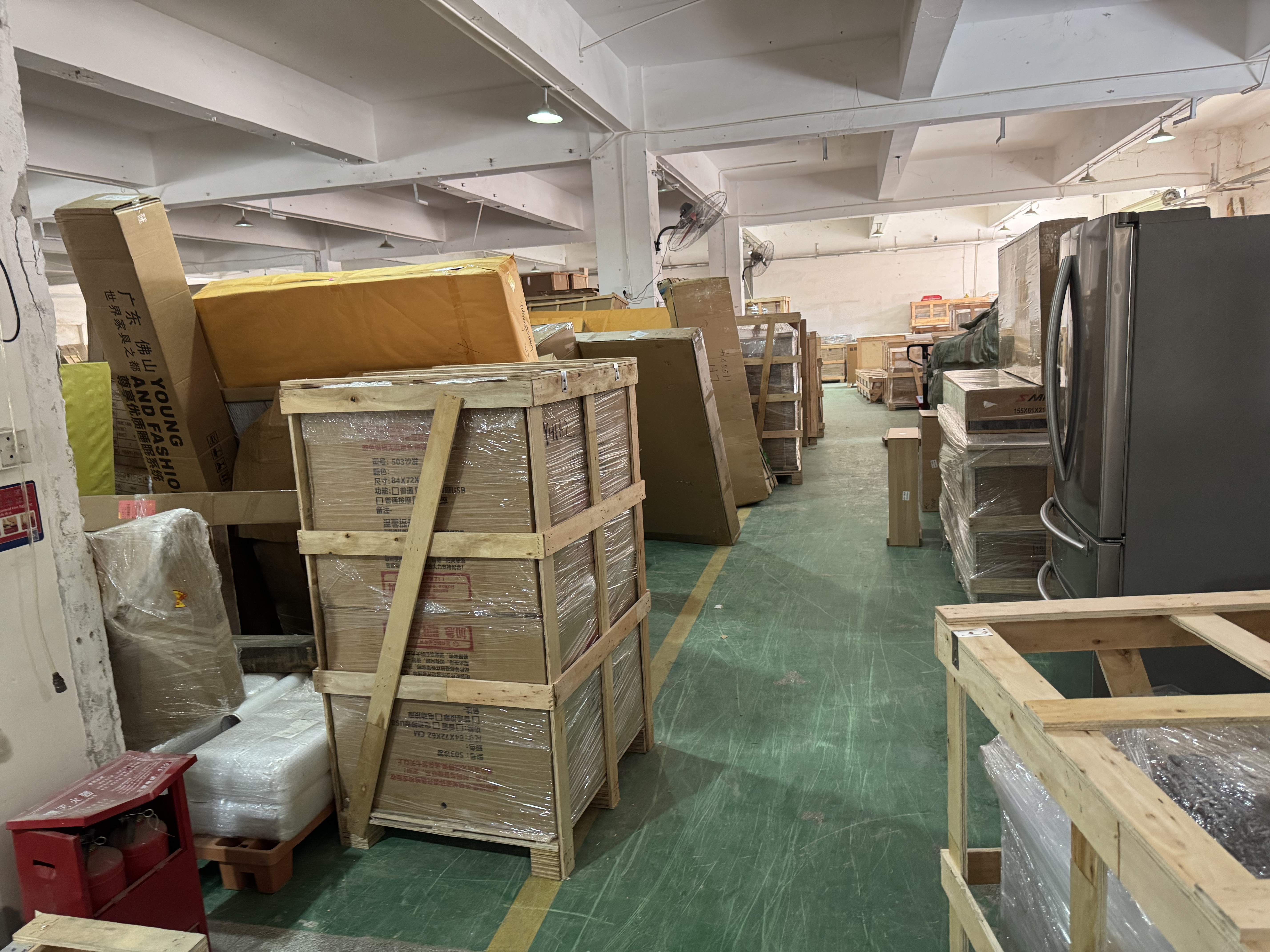
Transport Capacity and Shipping Routes
In 2026, the shipping capacity between China and Australia may be affected by various factors. For example, if there are more carriers operating on this route, there may be an oversupply of shipping capacity, which can lead to price wars. On the other hand, if some shipping companies reduce their operations on this route, there will be a shortage of shipping capacity.
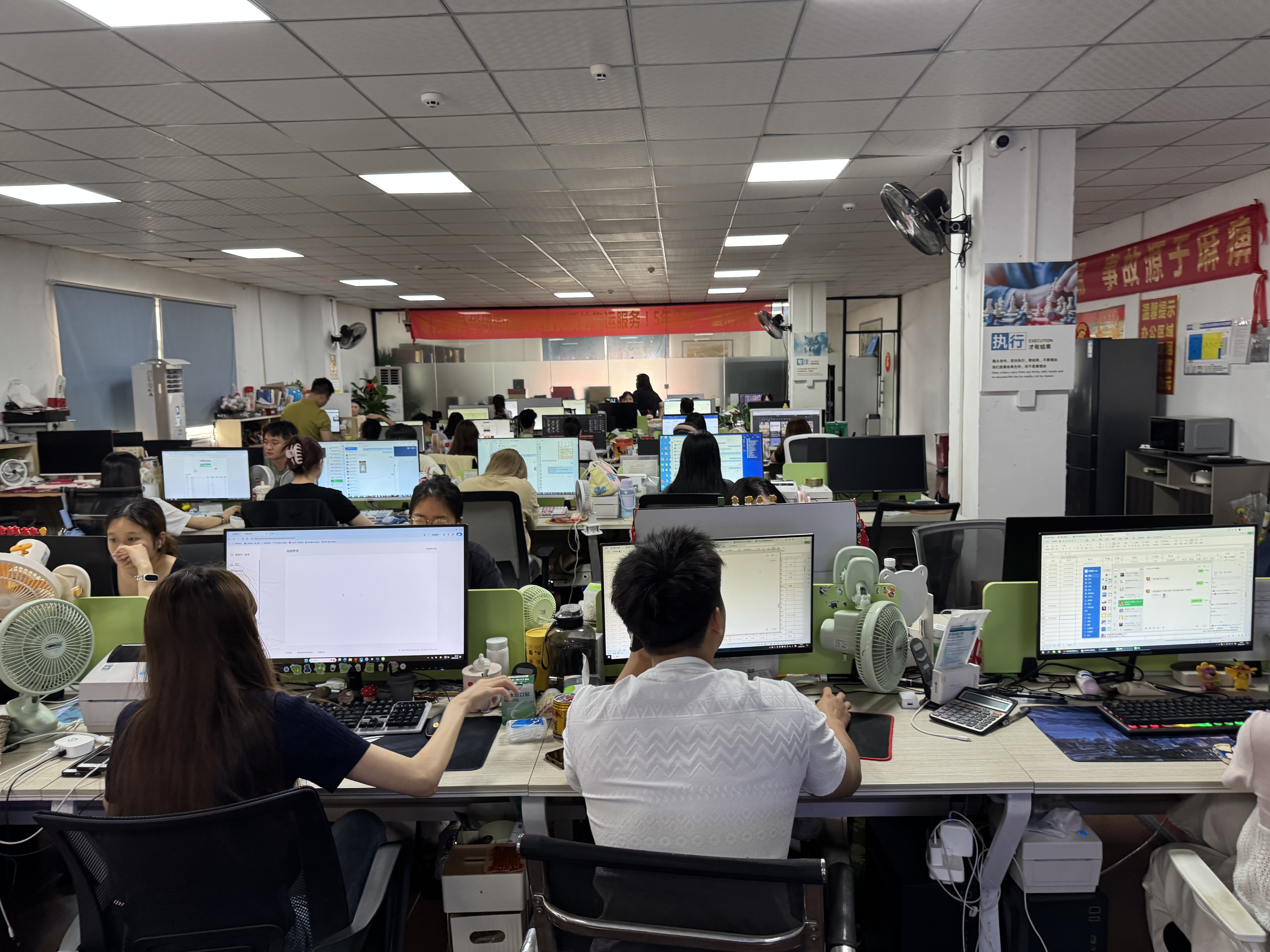
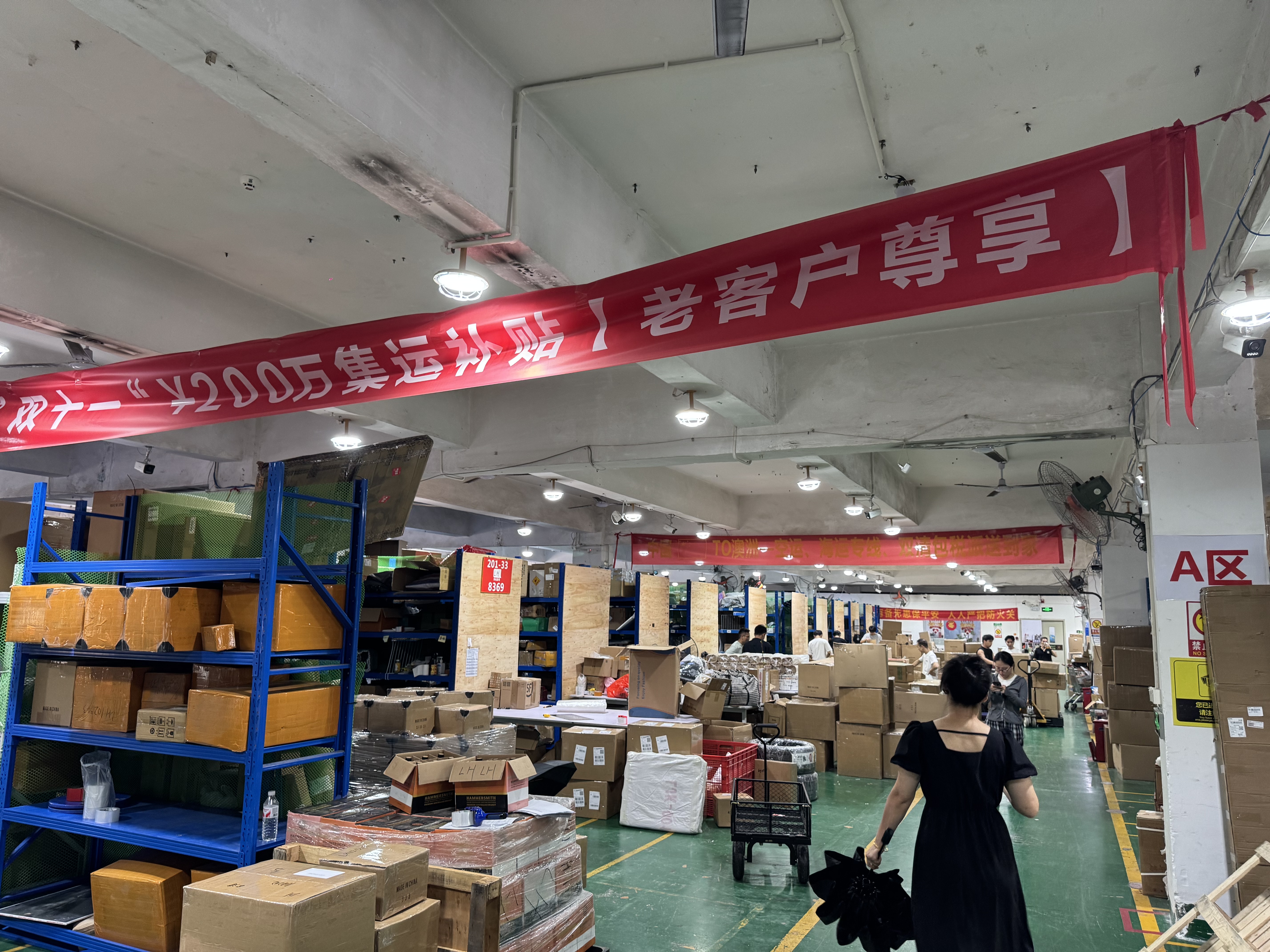
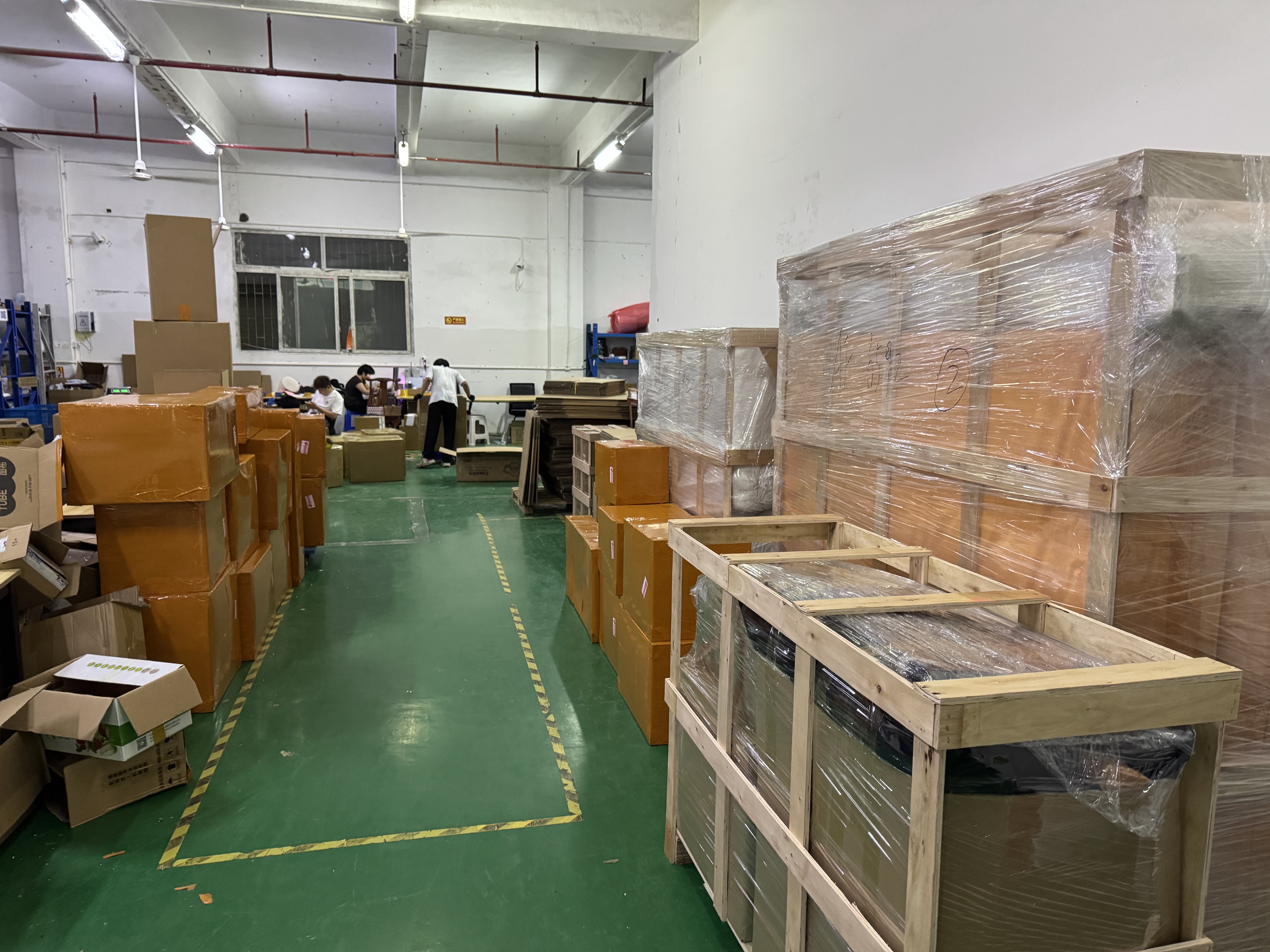
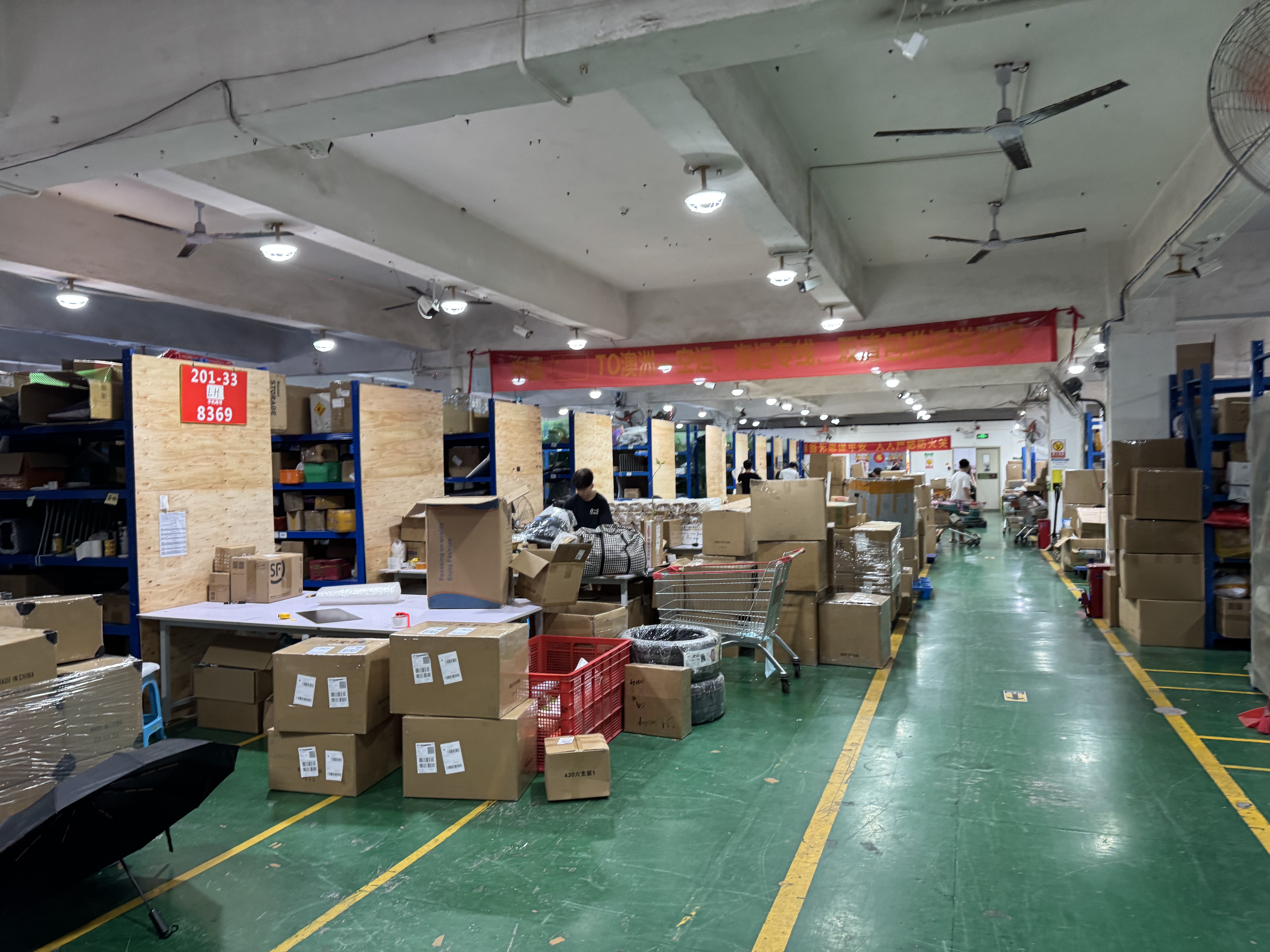
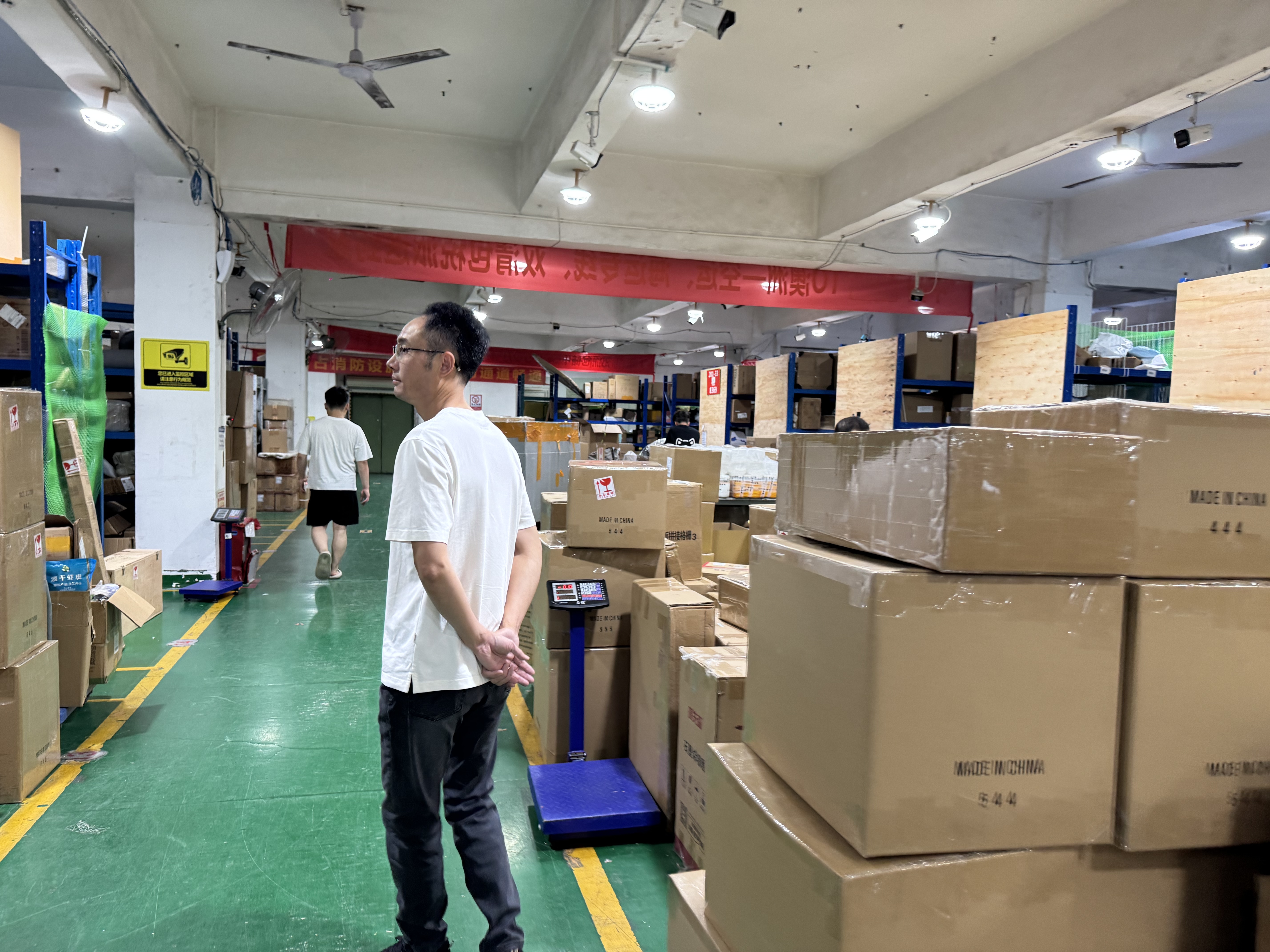
The choice of shipping routes can also be a challenge. With the changing geographical and political situations, the traditional shipping routes may face new problems, such as piracy or bad weather. New routes may need to be explored, but they also come with their own risks and costs.
FAQ: Q: What if there is a shortage of shipping capacity on the China - Australia route in 2026? A: Shengda International Logistics has long - term cooperation with many shipping companies and has a certain priority in booking shipping space. They can ensure that your building materials can be shipped in time, even in the case of shipping capacity shortage.
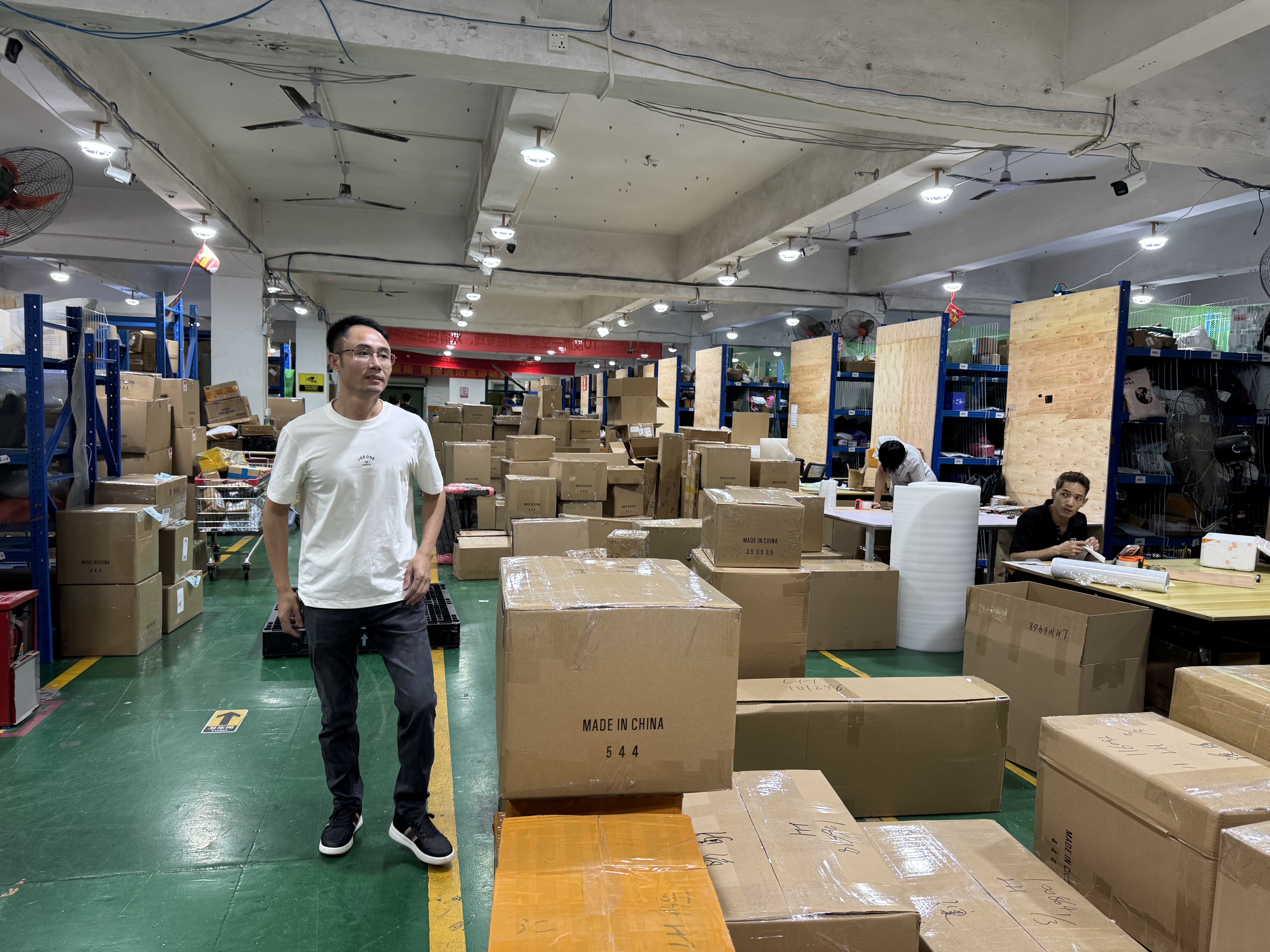
Logistics Costs and Efficiency Logistics costs include shipping fees, port handling fees, and insurance fees. In 2026, these costs may increase due to factors such as rising fuel prices and increased labor costs. For example, a 20% increase in fuel prices can lead to a significant increase in shipping fees.
Logistics efficiency is also crucial. Delays in shipping, customs clearance, or delivery can cause losses to both exporters and importers. For example, a one - week delay in delivery can disrupt the construction schedule in Australia.
FAQ: Q: How can I reduce logistics costs and improve efficiency in 2026? A: Shengda International Logistics offers a series of value - added services. They can optimize the shipping plan to reduce unnecessary costs. They also have a self - developed logistics system that can track the whole process of your goods, ensuring high - efficiency logistics operations.
IV. Environmental and Sustainability - related Challenges
Environmental Regulations Australia has strict environmental regulations for imported building materials. In 2026, these regulations may become even more stringent. For example, building materials may need to meet higher standards for energy efficiency and recyclability. Chinese building material exporters need to ensure that their products comply with these regulations to avoid being rejected at the Australian border.Sustainable Shipping Practices The shipping industry is also facing increasing pressure to adopt sustainable practices. In 2026, there may be more requirements for reducing emissions during the shipping process. Shipping companies may need to use more environmentally friendly fuels or improve the energy efficiency of their ships. This can also increase the shipping cost of building materials.
FAQ: Q: How can I ensure my building materials meet Australian environmental regulations in 2026? A: Shengda International Logistics can provide you with detailed information on Australian environmental regulations. They can also cooperate with relevant testing agencies to help you ensure the compliance of your products.
In conclusion, shipping Chinese building materials to Australia in 2026 will face multiple challenges in different scenarios. To successfully overcome these challenges, it is essential to choose a professional and reliable logistics partner like Shengda International Logistics, which can provide comprehensive solutions and support.
