

What Will the Container Shipping from China to Canada Look Like in Different Scenarios in 2026?
In the world of international trade, container shipping between China and Canada is a vital artery. As we look ahead to 2026, various scenarios could shape this shipping route. Let's explore what might happen under different circumstances.
I. Policy - Driven Scenarios
Favorable Trade Policies If in 2026, the Chinese and Canadian governments introduce more favorable trade policies, such as reducing tariffs or simplifying customs procedures, container shipping will likely see a significant upswing. For example, a reduction in tariffs on consumer goods could lead to an increase in the volume of products like electronics and clothing being shipped from China to Canada. According to historical data, when similar trade - promoting policies were implemented in the past, trade volumes between two countries increased by an average of 15 - 20% within a year.In terms of customs, if the customs clearance process is streamlined, it will reduce the waiting time at ports. Currently, the average customs clearance time for containers between China and Canada is about 3 - 5 days. With simplified procedures, this could be cut down to 1 - 2 days, which would make shipping more efficient and attractive to businesses.
FAQ: Q: How can favorable trade policies benefit my container shipping business? A: Favorable trade policies can reduce costs through tariff cuts and speed up the shipping process by simplifying customs. This means you can get your goods to the Canadian market faster and at a lower cost. At [盛达国际物流], we are well - versed in navigating these policies to ensure smooth shipping for our clients.
Restrictive Trade Policies On the other hand, if there are restrictive trade policies in 2026, such as increased tariffs or stricter regulatory requirements, container shipping will face challenges. Higher tariffs could lead to a decrease in the demand for Chinese goods in Canada. For instance, if the tariff on furniture from China is increased by 20%, Canadian importers may look for alternative sources.
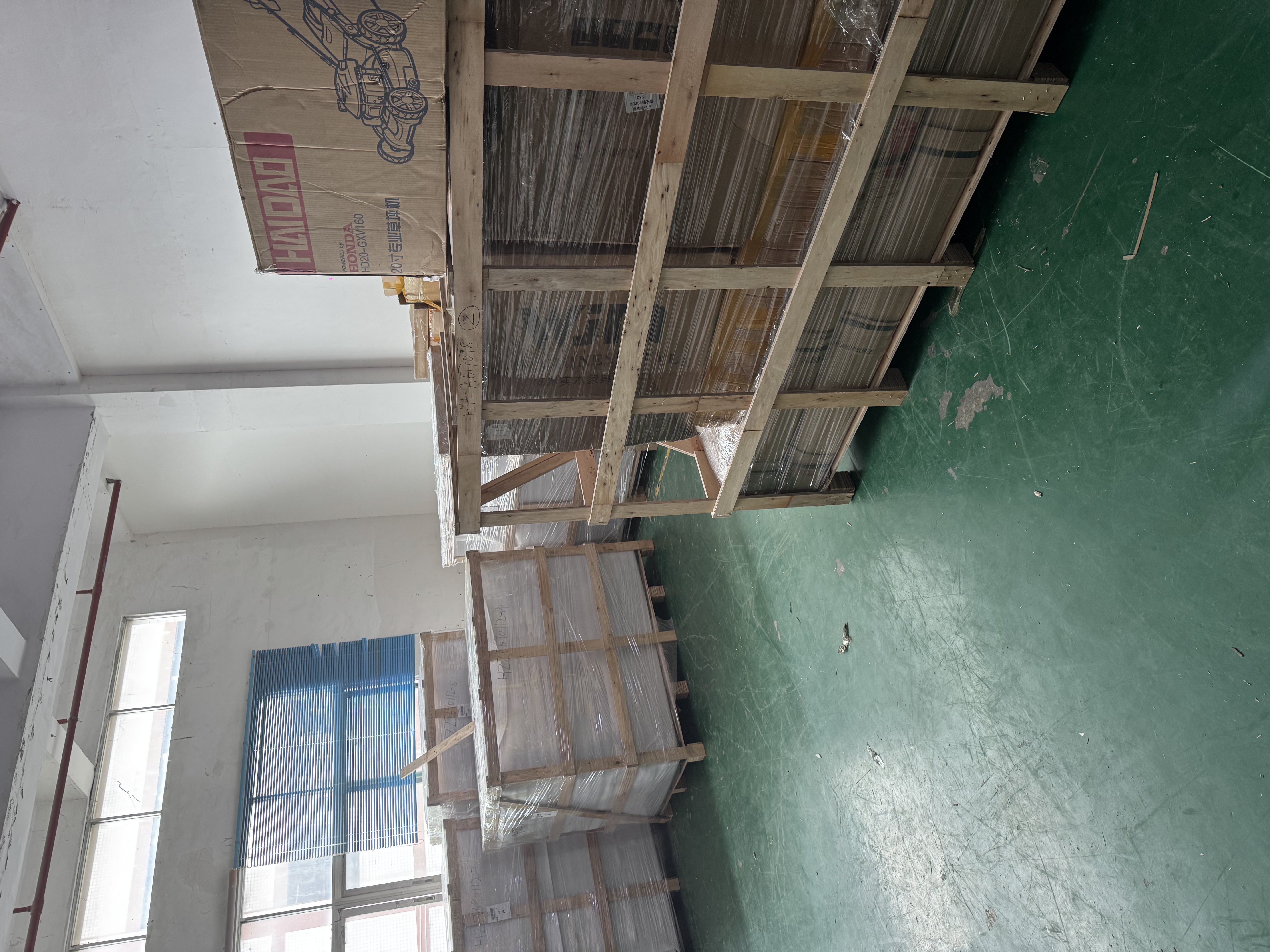
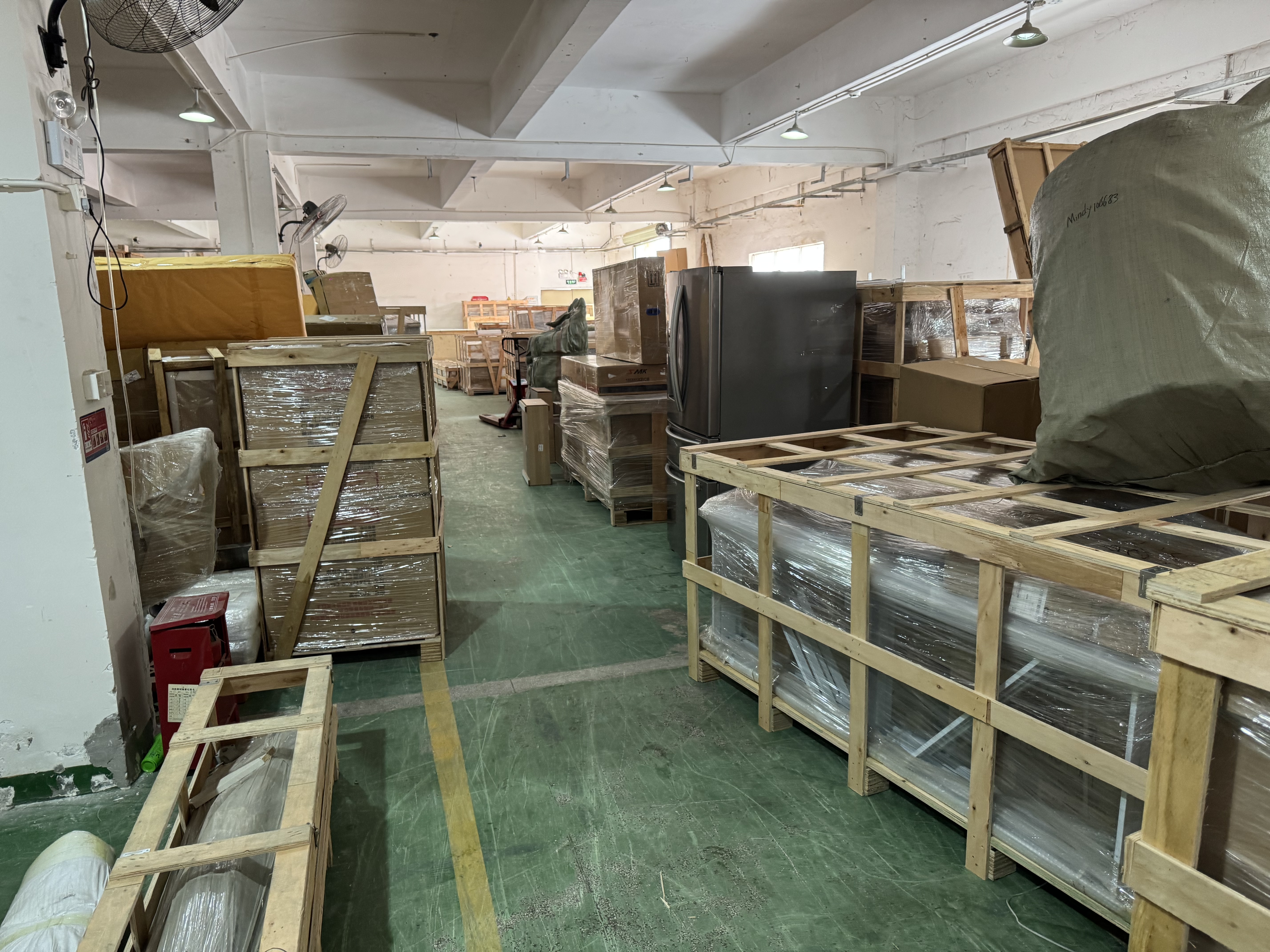
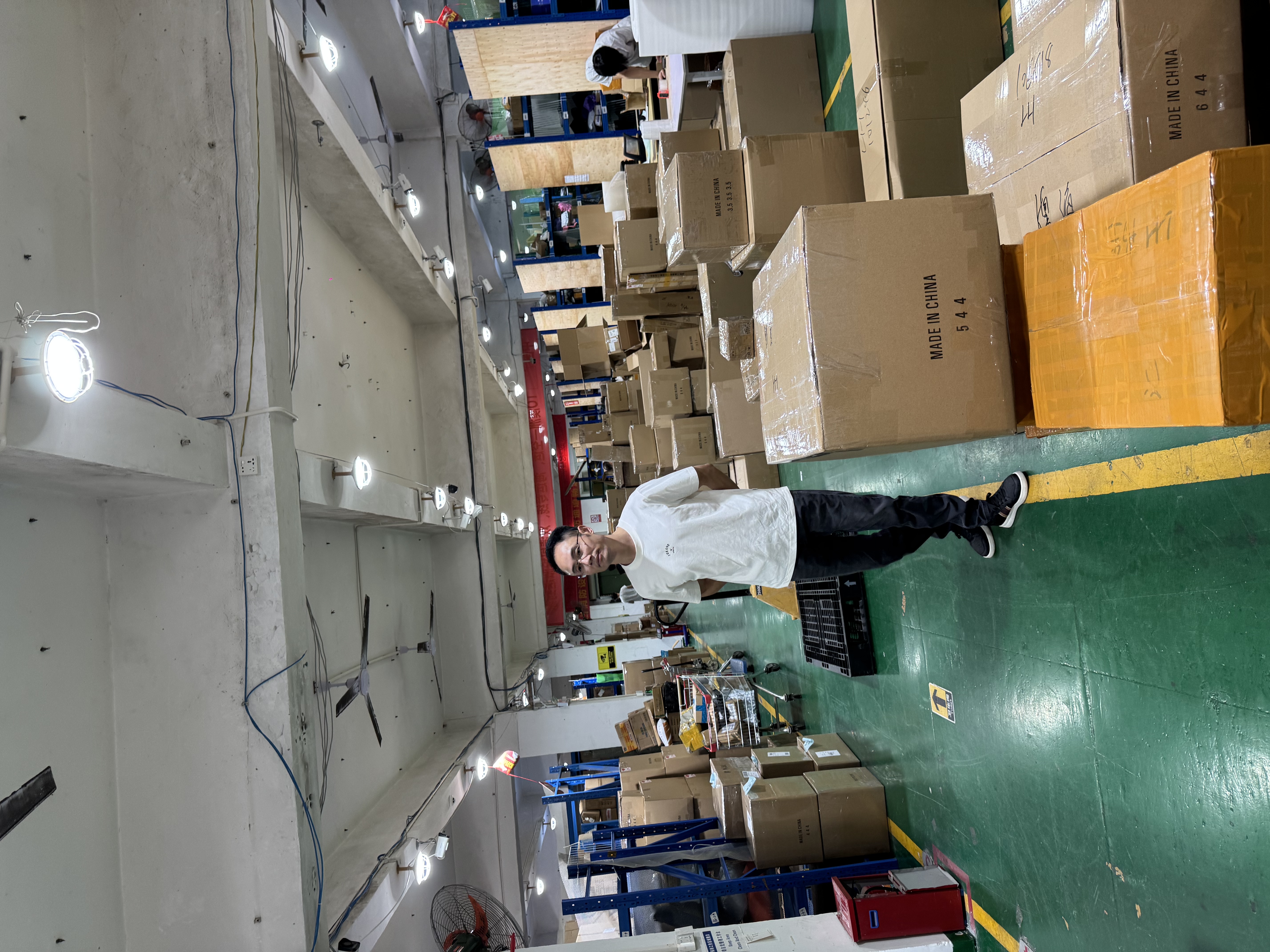
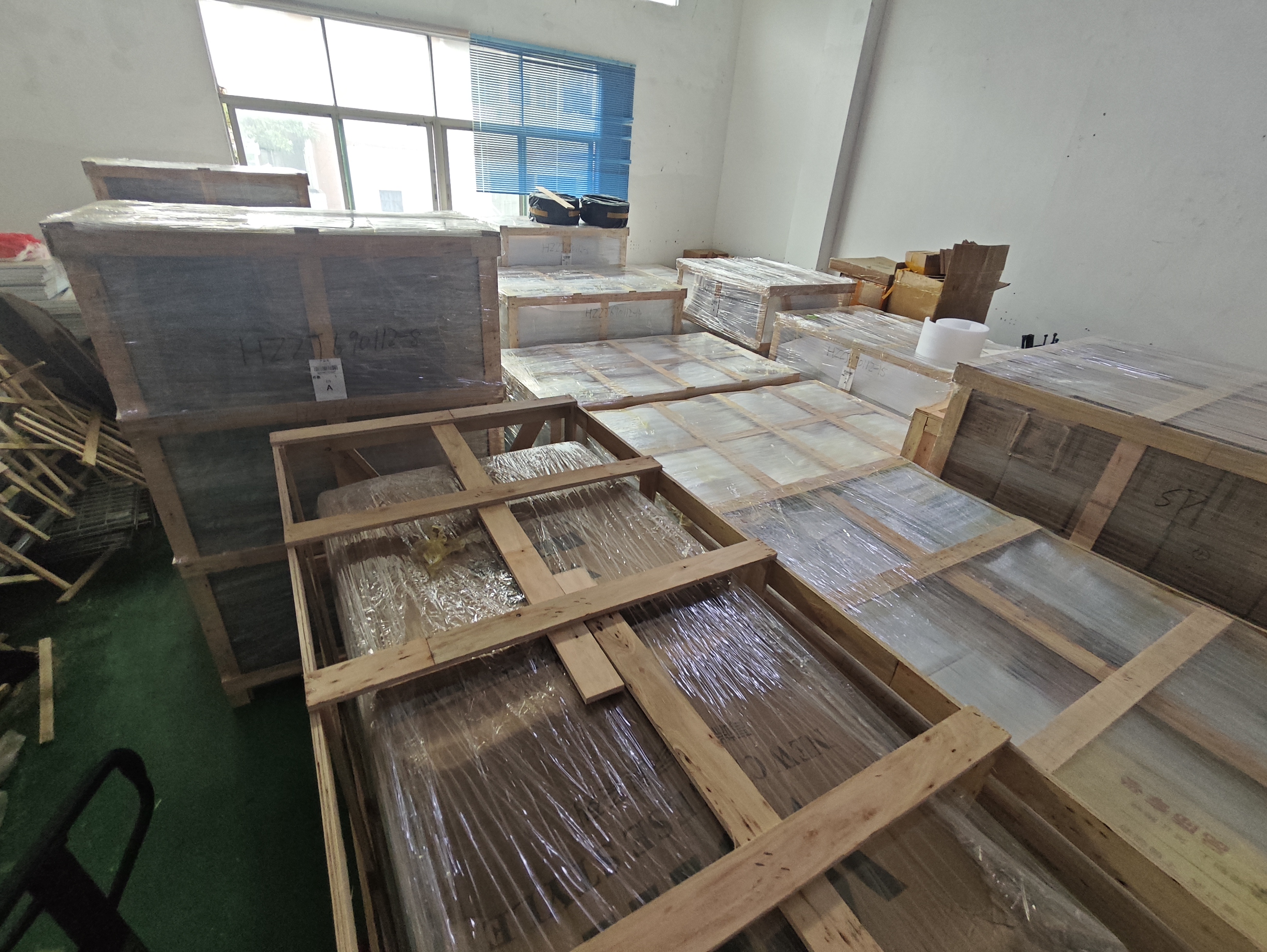
FAQ: Q: What if there are restrictive trade policies? Can [盛达国际物流] still handle my shipments? A: Absolutely. [盛达国际物流] has a deep understanding of international trade regulations. We can work with you to find solutions, such as exploring alternative shipping routes or finding cost - effective ways to meet the new requirements.
II. Economic Scenarios
FAQ: Q: If there is strong economic growth, how can I ensure my shipments are on time? A: [盛达国际物流] has a well - established network and strong partnerships with shipping lines. We can secure space on vessels in advance and closely monitor the shipping process to ensure your goods are delivered on time, even in a booming market.
Economic Recession In case of an economic recession in either China or Canada, container shipping will be negatively affected. A recession in Canada may lead to a decrease in consumer spending, which means less demand for imported goods from China. On the other hand, if there is a recession in China, the production of goods for export may slow down.
FAQ: Q: How does [盛达国际物流] deal with shipping during an economic recession? A: We have the flexibility to adjust our services according to the market situation. During a recession, we can help you find more cost - effective shipping options, such as consolidating shipments, to minimize your costs.
III. Technological and Environmental Scenarios
Technological Advancements In 2026, new technologies in container shipping could revolutionize the China - Canada route. For example, the use of smart containers equipped with sensors can provide real - time information about the location, temperature, and humidity of the goods inside. This can help shipping companies better manage the shipping process and reduce the risk of damage to goods.Digitalization in the shipping industry can also simplify the documentation process. Currently, the documentation for a single container shipment can be quite cumbersome, involving multiple paper - based forms. With digital systems, this can be done more efficiently, saving time and reducing errors.
FAQ: Q: How can [盛达国际物流] take advantage of technological advancements for my shipments? A: [盛达国际物流] is at the forefront of adopting new technologies. We use smart container tracking systems to provide you with real - time updates on your shipments. Our digital documentation process ensures quick and accurate handling of all paperwork.
Environmental Regulations Stricter environmental regulations in 2026 could also impact container shipping between China and Canada. Shipping companies may be required to use more environmentally friendly fuels or reduce their carbon emissions. For example, some countries are already promoting the use of liquefied natural gas (LNG) as a fuel for ships.
This shift towards environmental compliance may increase the operating costs of shipping companies. However, it could also lead to a more sustainable shipping industry in the long run.
FAQ: Q: How does [盛达国际物流] address environmental regulations? A: We are committed to environmental sustainability. We work with shipping lines that are adopting environmentally friendly practices. We also encourage our clients to choose more sustainable shipping options when possible.
In conclusion, the container shipping from China to Canada in 2026 could vary greatly depending on policy, economic, technological, and environmental factors. [盛达国际物流], with its professional expertise and experience, is well - positioned to handle these different scenarios and provide reliable shipping services for businesses and individuals.
