

Ocean freight is a vital part of international trade, and the Canadian ocean freight market is no exception. As we look ahead to 2026, it's natural to wonder if the freight costs and services will vary in different scenarios. Let's dive into this topic and explore the factors that could influence Canadian ocean freight in the coming years.
I. Impact of Trade Volume on Canadian Ocean Freight in 2026
1. High - volume Trade Scenarios
When trade volume between China and Canada is high, ocean freight rates are likely to be affected. For example, if Chinese manufacturers are exporting a large amount of consumer goods, such as electronics and textiles, to Canada, the demand for shipping space will increase. According to historical data from the past decade, during peak trade seasons, ocean freight rates can rise by up to 30%. In 2026, if there is a similar high - volume trade scenario, shipping lines will have more bargaining power, and they may increase the rates.
Take the case of a Chinese furniture manufacturer. If they plan to export a large number of sofas and tables to Canadian retailers in 2026, they may face higher freight costs due to the increased demand for container space. This is because shipping lines will charge more when the demand is high to maximize their profits.
2. Low - volume Trade Scenarios
On the other hand, in a low - volume trade scenario, ocean freight rates may decrease. If there are fewer goods being shipped between the two countries, shipping lines will try to fill their vessels by offering more competitive rates. In some cases, rates could drop by 15 - 20%. For instance, if the Canadian market is experiencing an economic slowdown and the demand for Chinese imports decreases, the shipping volume will go down, and shipping companies will have to lower their prices to attract customers.
II. Policy Changes and Their Influence on Canadian Ocean Freight in 2026
1. New Trade Policies

In 2026, new trade policies between China and Canada could have a significant impact on ocean freight. For example, if the two countries sign a free - trade agreement that reduces tariffs on certain goods, it could stimulate trade and increase the shipping volume. This would likely lead to more competition among shipping lines, which could result in more favorable freight rates for shippers.
Conversely, if there are new trade restrictions or tariffs imposed, it could dampen the trade volume. For example, if Canada decides to impose higher tariffs on Chinese steel products, the export of steel from China to Canada will decrease, and the ocean freight for transporting steel will also be affected.
2. Environmental Policies
Environmental policies are also becoming increasingly important in the shipping industry. In 2026, stricter environmental regulations may be in place, which could increase the operating costs of shipping lines. For example, if there are new regulations on reducing sulfur emissions, shipping lines may have to invest in new equipment or use cleaner fuels. These additional costs may be passed on to shippers in the form of higher freight rates.
III. Seasonal Factors Affecting Canadian Ocean Freight in 2026
1. Peak Seasons
Just like in previous years, peak seasons in 2026 will likely see higher ocean freight rates. The holiday season in Canada, especially around Christmas, is a peak period for importing consumer goods from China. During this time, retailers will stock up on products such as toys, clothing, and decorations. As a result, the demand for shipping space will be high, and shipping lines will charge premium rates.
2. Off - peak Seasons
In the off - peak seasons, such as the summer months when the demand for consumer goods is relatively low, ocean freight rates may be more affordable. Shippers can take advantage of these lower rates to transport their goods. For example, a Canadian importer of gardening tools may choose to ship their products during the off - peak season to save on freight costs.
IV. The Role of Shipping Routes in Canadian Ocean Freight in 2026
1. Direct Routes
Direct shipping routes are generally more expensive than indirect routes. However, they offer the advantage of shorter transit times. In 2026, if there are more direct routes available between China and Canada, shippers who need their goods to arrive quickly may choose these routes. For example, a Canadian electronics retailer who needs to restock their inventory quickly may opt for a direct shipping route, even though it may cost more.
2. Indirect Routes
Indirect routes, which involve transshipment at intermediate ports, are usually cheaper. Shippers who are not in a hurry can choose these routes to save on costs. For example, a Canadian wholesaler of bulk goods may choose an indirect route to transport their products, as the longer transit time may be acceptable in exchange for lower freight rates.
V. How Shipping Companies' Strategies Could Shape Canadian Ocean Freight in 2026
1. Alliance and Mergers
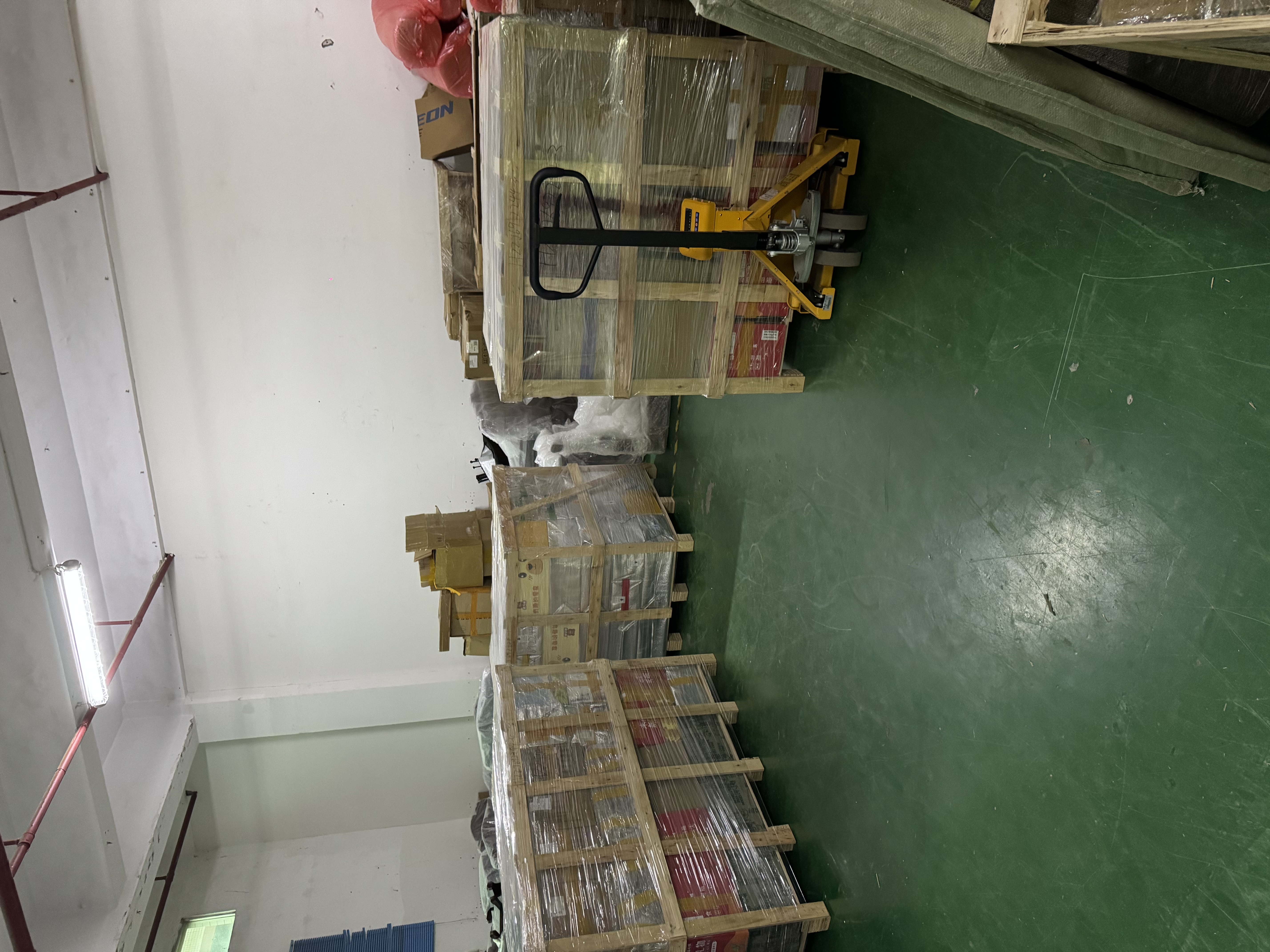
In 2026, we may see more alliances and mergers among shipping companies. These strategic moves can affect ocean freight rates. For example, if two major shipping companies merge, they may have more market power and could potentially increase the freight rates. On the other hand, alliances can also lead to more efficient operations, which could result in cost savings and more competitive rates for shippers.
2. Technology Adoption
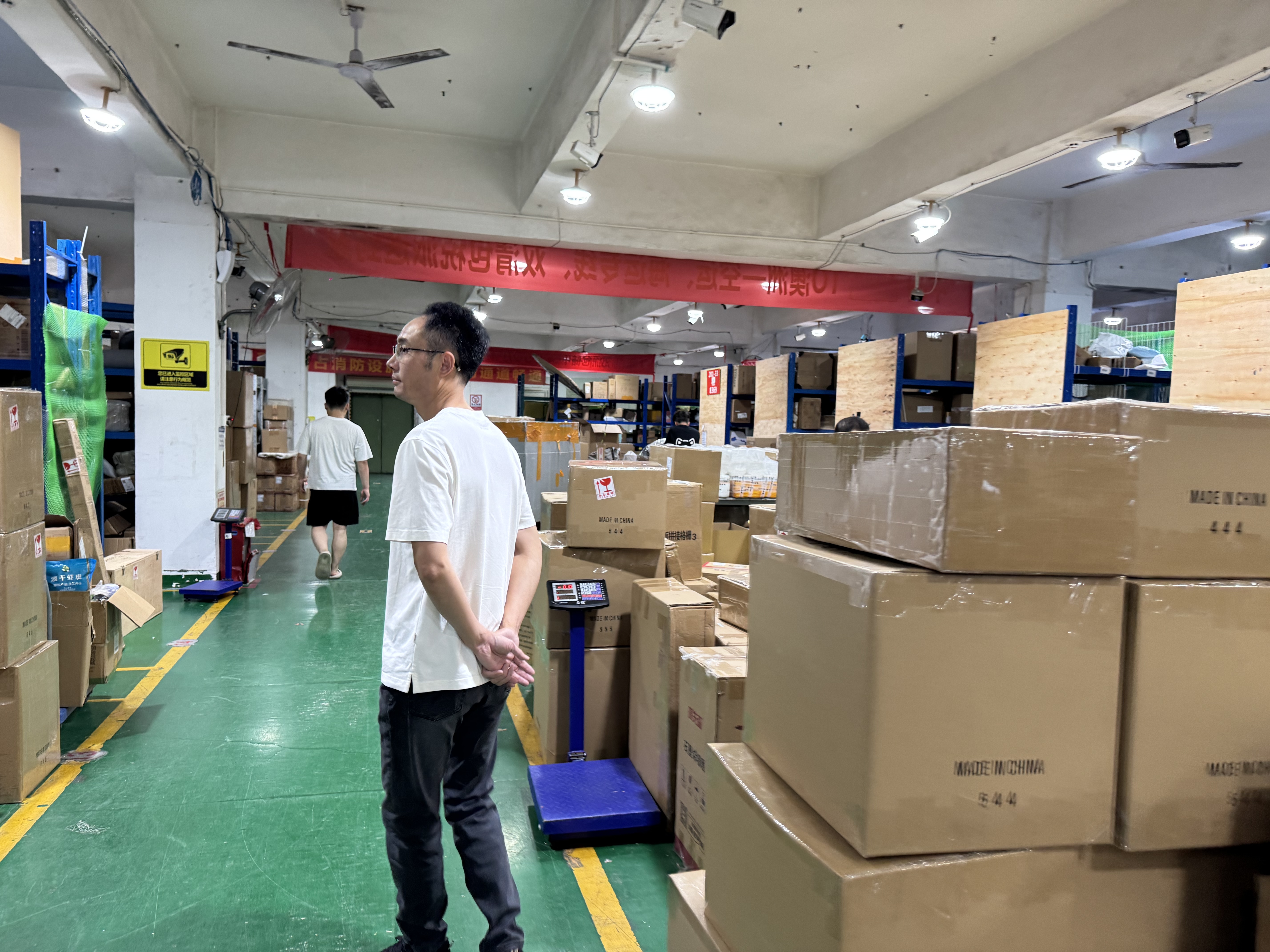
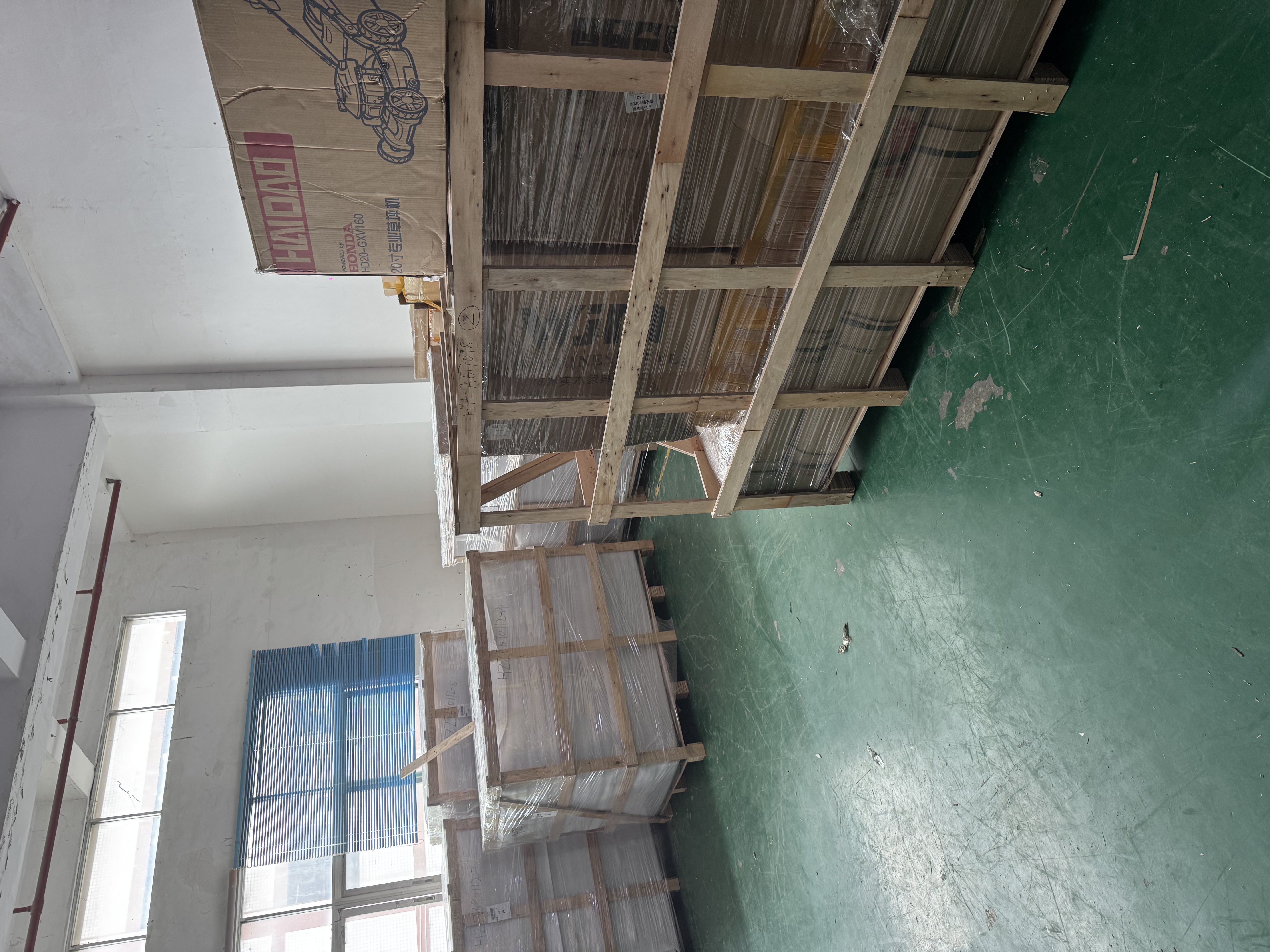
Shipping companies that adopt new technologies, such as autonomous ships and digital platforms for booking and tracking, may be able to offer more competitive services. In 2026, these technology - driven shipping companies may attract more customers, which could challenge the traditional shipping companies and lead to a more competitive market environment. This could ultimately benefit shippers in terms of lower rates and better services.

Frequently Asked Questions
1. How does the trade volume between China and Canada in 2026 impact ocean freight rates?

High trade volume usually leads to higher freight rates as the demand for shipping space increases. On the contrary, low trade volume can cause rates to drop as shipping lines try to fill their vessels. For example, if China exports a large amount of consumer goods to Canada, the rates will likely go up. At Shengda International Logistics, we closely monitor trade volume trends to offer our customers the most cost - effective shipping solutions.
2. Can new trade policies in 2026 really change the Canadian ocean freight situation?
Yes, they can. Free - trade agreements can stimulate trade and potentially lower freight rates due to increased competition among shipping lines. On the other hand, trade restrictions can reduce trade volume and affect freight rates. Our team at Shengda International Logistics has in - depth knowledge of international trade policies and can help customers navigate through these changes.
3. Are there significant differences in ocean freight rates during peak and off - peak seasons in 2026?
Definitely. Peak seasons like the Canadian holiday season will see higher rates because of the high demand for shipping space. Off - peak seasons, such as summer, usually have more affordable rates. We at Shengda International Logistics can help customers plan their shipments according to the seasons to save costs.
4. What are the pros and cons of direct and indirect shipping routes in 2026?
Direct routes offer shorter transit times but are more expensive. Indirect routes are cheaper but have longer transit times. Depending on the customer's urgency and budget, Shengda International Logistics can recommend the most suitable shipping route.
5. How do shipping companies' strategies in 2026 influence Canadian ocean freight?
Alliances and mergers can affect market power and rates. Technology adoption can lead to more competitive services. Shengda International Logistics keeps up with the latest strategies of shipping companies and uses this knowledge to provide the best services to our clients.
In conclusion, Canadian ocean freight in 2026 is likely to vary in different scenarios. Various factors such as trade volume, policies, seasons, shipping routes, and shipping companies' strategies will all play a role in determining the freight rates and services. As a shipper, it's important to stay informed about these factors and work with a reliable logistics provider like Shengda International Logistics to navigate the complex ocean freight market.
