

Ah, sea freight consolidation, a vital part of the logistics world! It allows shippers, whether individuals or businesses, to share container space and cut down on costs. But when it comes to shipping to Canada in 2026, the cost per cubic meter can vary quite a bit depending on different scenarios. Let's dig in and explore.
I. Factors Affecting the Cost of Canadian Sea Freight Consolidation in 2026
1. Route and Departure Port
The route from the departure port in China to various ports in Canada plays a huge role. For example, shipping from Shanghai, one of the busiest ports in China, to Vancouver in Canada might have a different cost compared to shipping from Xiamen to Toronto.
In 2026, new policies regarding shipping routes between China and Canada are expected to have an impact. Some ports may offer incentives to attract more shipping traffic, which could potentially reduce the cost per cubic meter. Meanwhile, if there are new restrictions or additional fees on certain routes due to environmental or safety regulations, the cost will go up.
2. Seasonal Demand
Just like in any other industry, the shipping industry has its peak and off - peak seasons. During the peak seasons, such as the period before Christmas when retailers are stocking up on goods, the demand for sea freight to Canada is extremely high.
In 2026, the peak season for shipping to Canada is likely to see a significant increase in the cost per cubic meter. According to historical data, during peak seasons, the cost can rise by up to 30% compared to off - peak times. This is because shipping companies have limited container space, and the high demand drives up prices.
3. Type of Goods
The nature of the goods being shipped also affects the cost. General cargo like clothing, toys, and electronics usually have a standard rate. However, if you're shipping hazardous materials or temperature - controlled goods, the cost will be much higher.
In 2026, with more stringent regulations on the shipping of specialized goods to Canada, the cost for shipping these items will continue to be on the high side. For example, shipping a cubic meter of pharmaceutical products that require a specific temperature range during transit could cost two to three times more than regular non - sensitive goods.
4. Fuel Prices
Fuel is a major expense for shipping companies. Fluctuations in global fuel prices will directly impact the cost of sea freight consolidation. In 2026, if the global oil market experiences instability, fuel prices could either skyrocket or plummet.
A rise in fuel prices will lead to an increase in the cost per cubic meter. Shipping companies may add a fuel surcharge to cover the additional cost. On the other hand, if fuel prices drop, shippers can expect a slight reduction in the overall shipping cost. According to some industry experts, a 10% increase in fuel prices could lead to a 5% increase in the cost of sea freight consolidation.
5. Customs Duties and Taxes
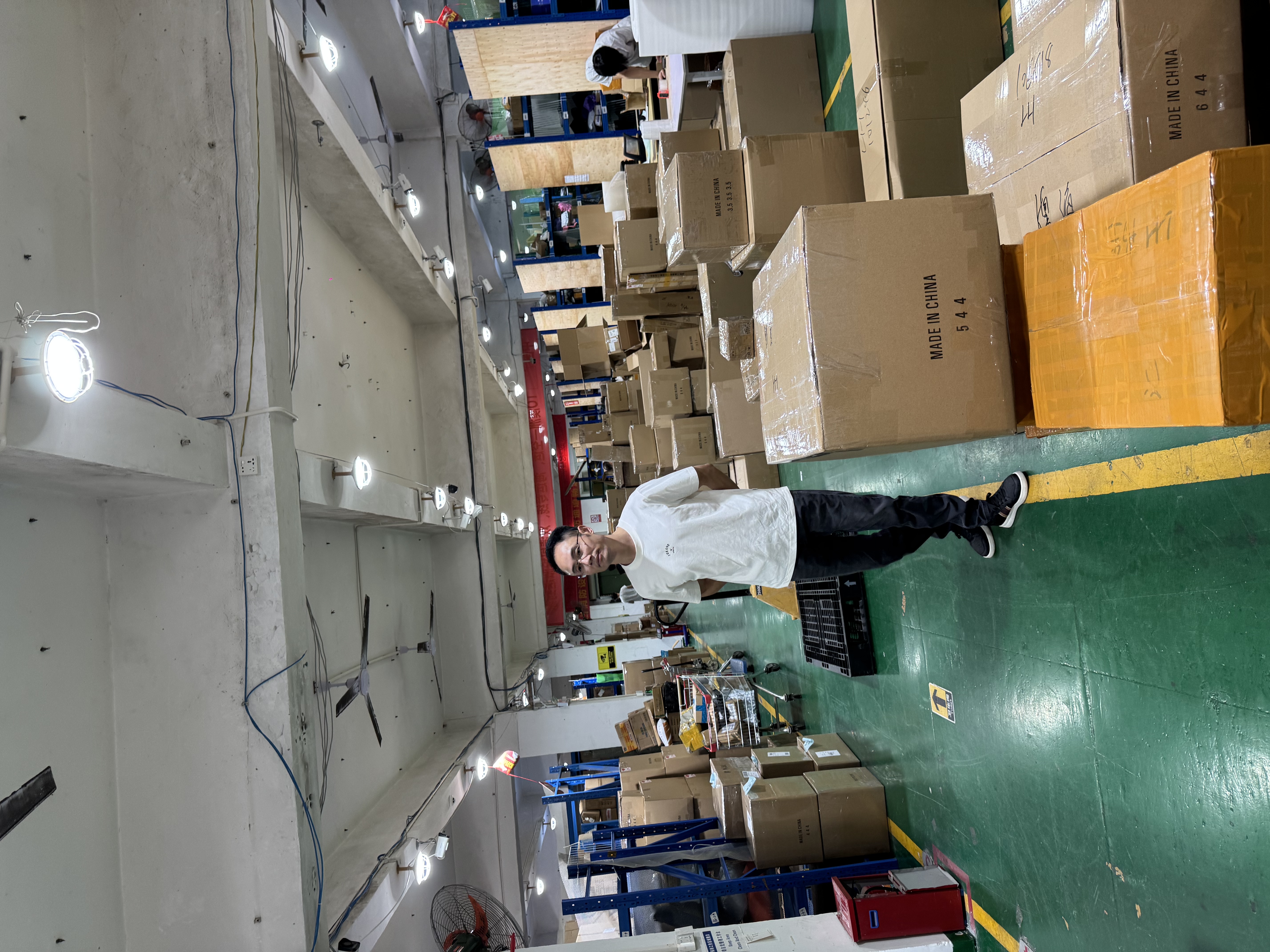
Cross - border shipping involves customs duties and taxes, which are determined by the Canadian government. The value of the goods, their origin, and their classification all play a role in calculating these fees.
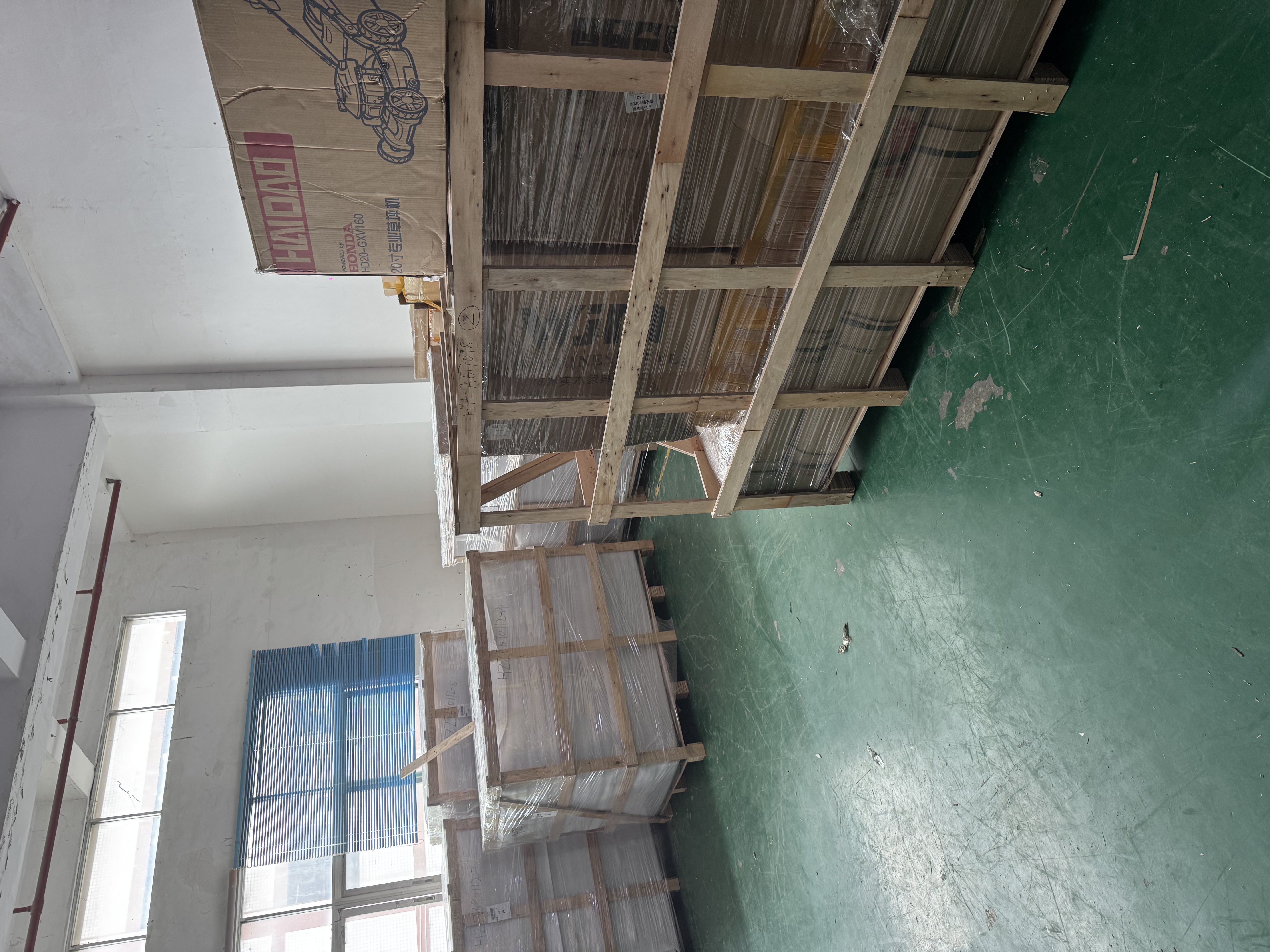
In 2026, Canadian customs may adjust their duty and tax rates based on trade agreements between Canada and China. Some goods may be subject to lower duties if there are preferential trade policies, while others could face higher rates. For example, if the Canadian government decides to protect a certain domestic industry, it may increase the duties on imported goods in that category, which will add to the overall cost of shipping a cubic meter of goods.
II. Cost Estimates in Different Scenarios
1. Personal Use Goods for New Immigrants
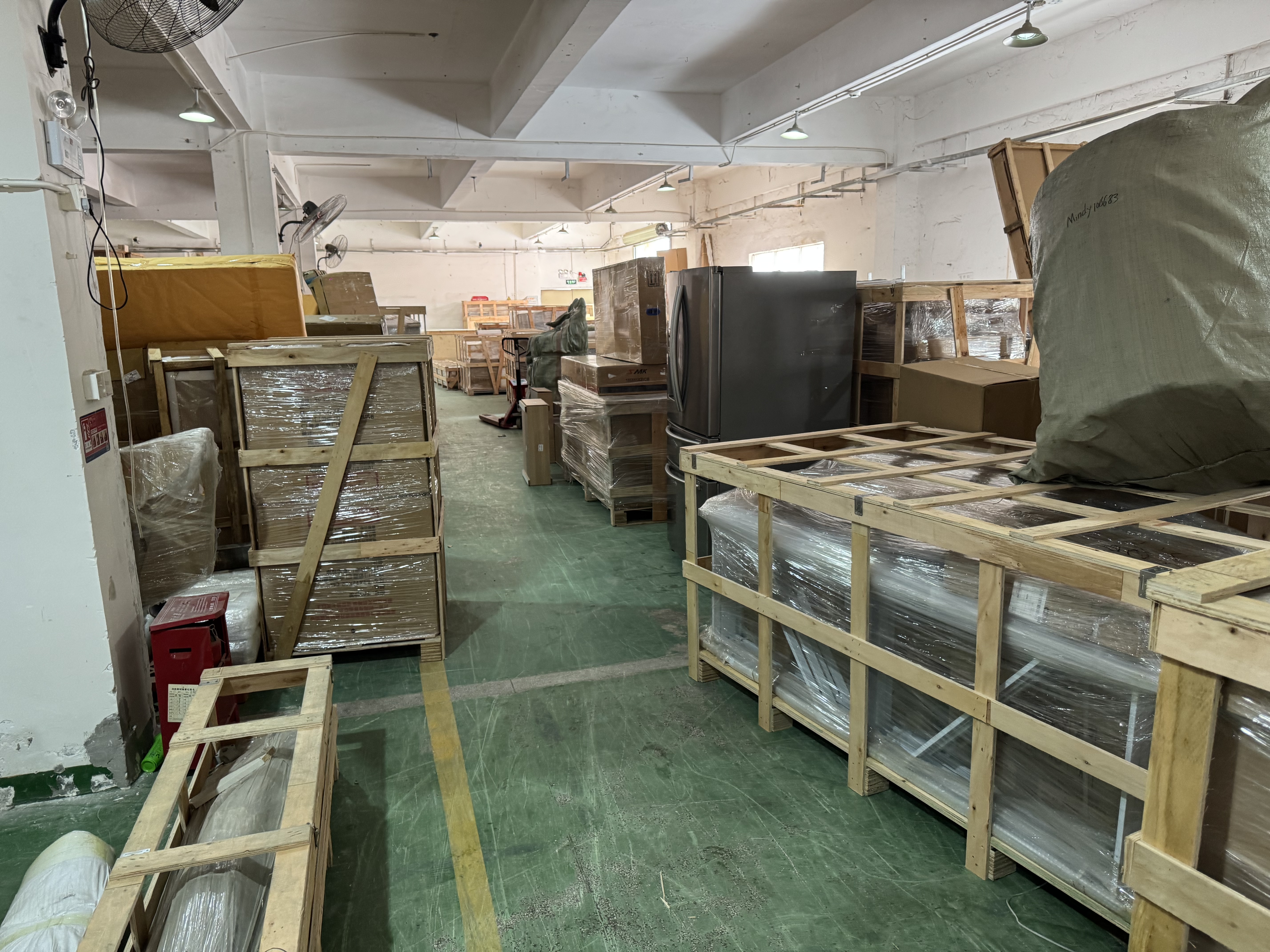
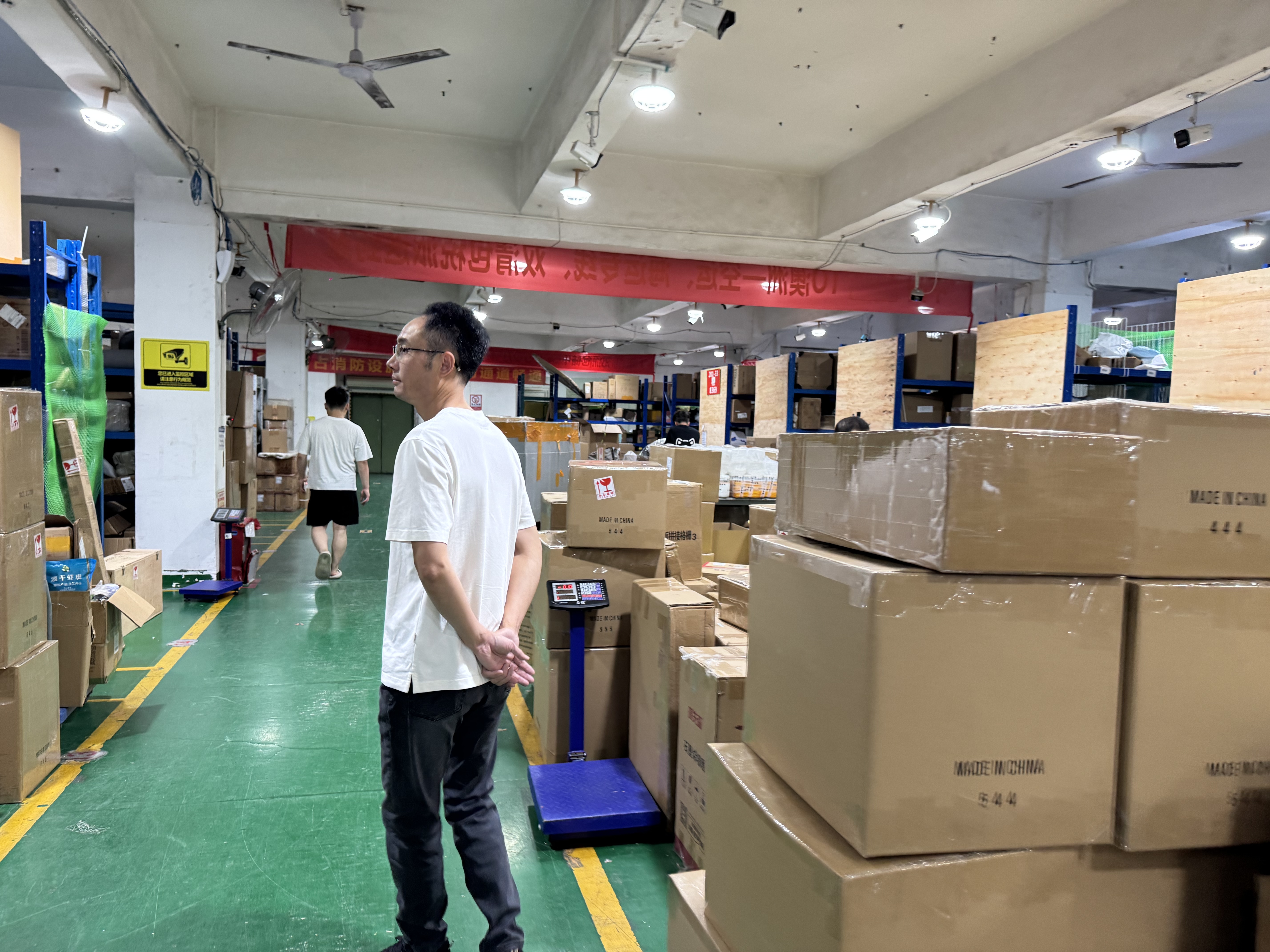
New immigrants often need to ship their household items, furniture, and personal belongings to Canada. For a cubic meter of such goods shipped via sea freight consolidation in 2026, the cost can range from $200 to $500.
Let's say you're an immigrant from China planning to settle in Winnipeg. You ship a mix of furniture, clothes, and some kitchenware. If you choose a reliable shipping company like Shengda International Logistics, they can offer a competitive rate. They have the expertise to handle immigration - related shipments and can ensure that your goods are packaged properly and go through customs smoothly.
The cost is relatively lower because personal use goods may be subject to some duty exemptions or lower tax rates in Canada. Shengda International Logistics also provides value - added services like free warehousing before shipping, which can help you save money.
2. Small - and Medium - Sized Business Shipments
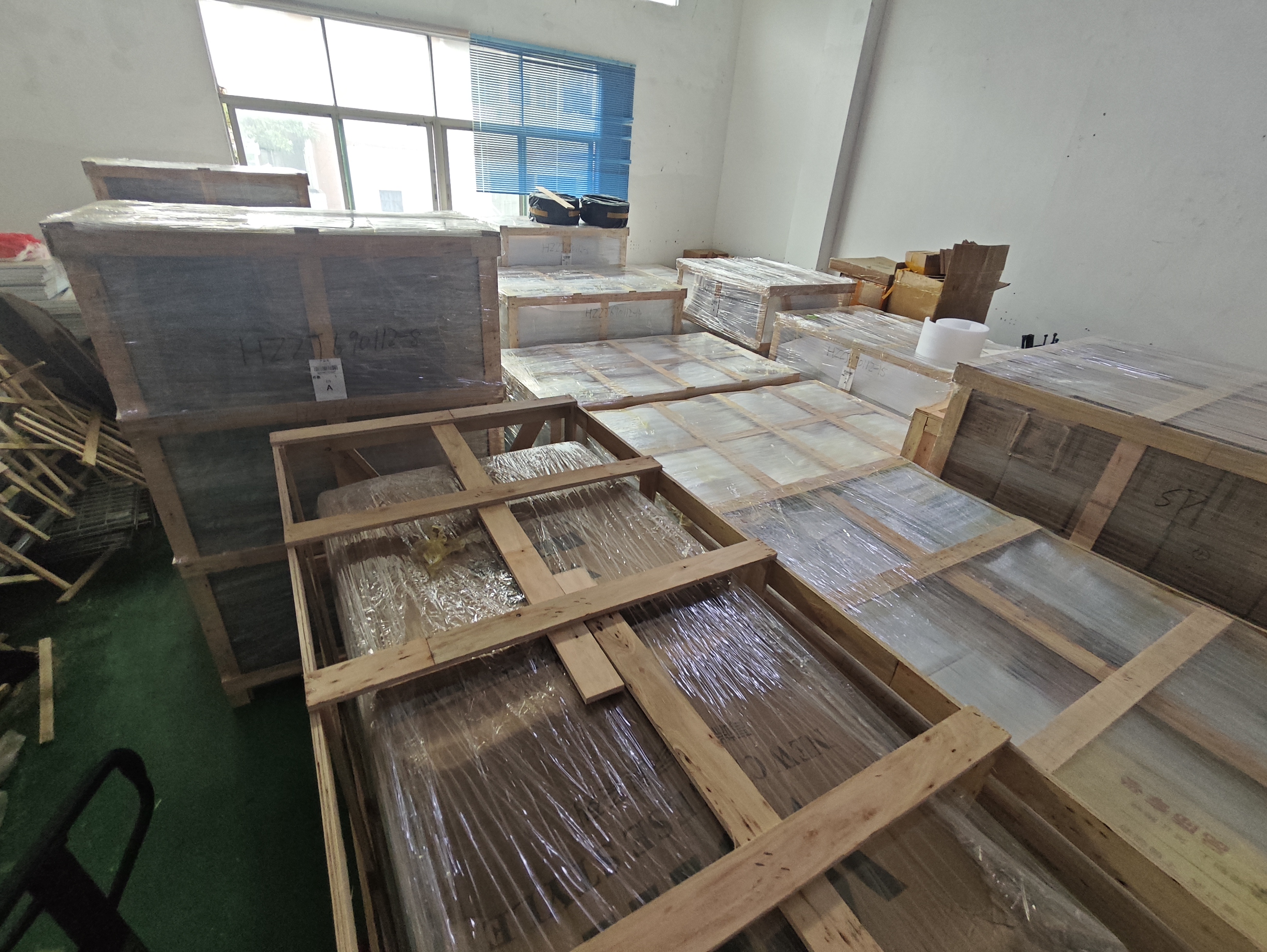
Small - and medium - sized businesses in China that export goods to Canada usually use sea freight consolidation to reduce costs. The cost per cubic meter for these shipments in 2026 is estimated to be between $300 and $600.
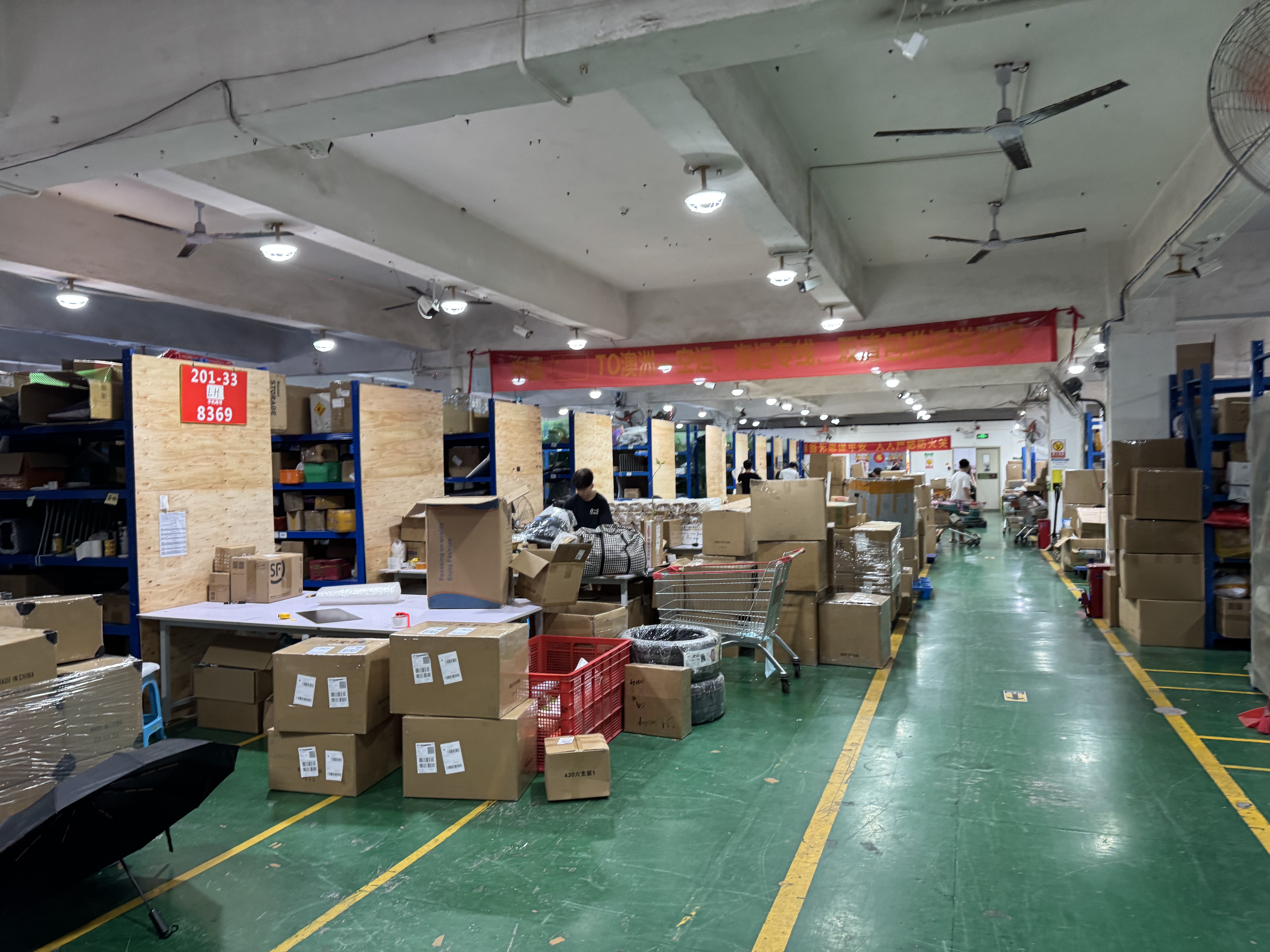
For instance, a small clothing business in Shenzhen wants to ship a bulk order of winter jackets to a retailer in Montreal. The shipping cost will depend on factors like the time of year and the route. During the off - peak season, a cubic meter of clothing may cost around $300. But in the peak season, it could go up to $600.
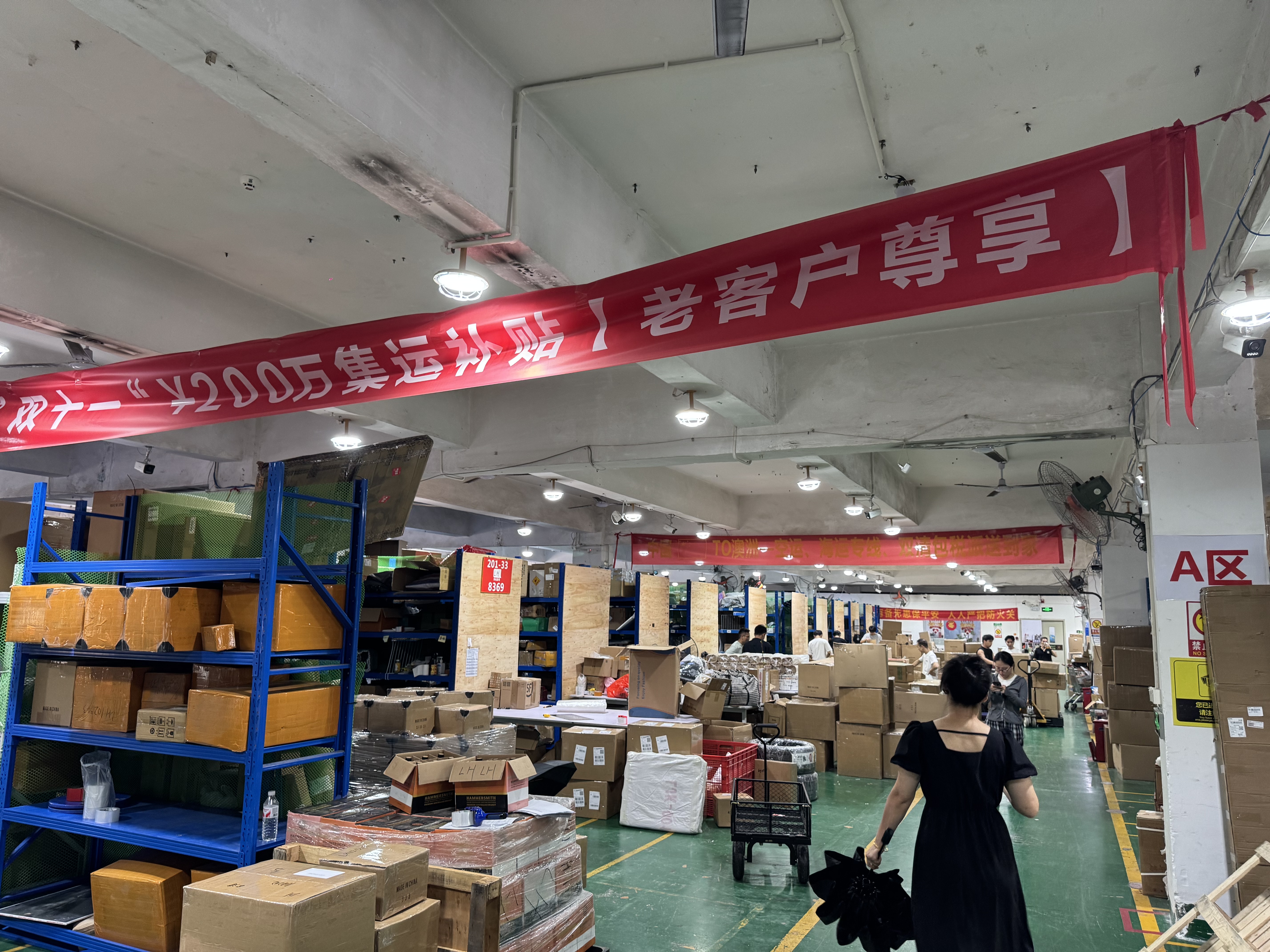
Shengda International Logistics can help these businesses by providing a clear and transparent pricing system. They don't have hidden fees, which is a common problem in the logistics industry. Also, their in - house customs clearance team can ensure that the goods clear customs quickly, reducing the risk of demurrage charges.
3. Large - Scale Commercial Shipments
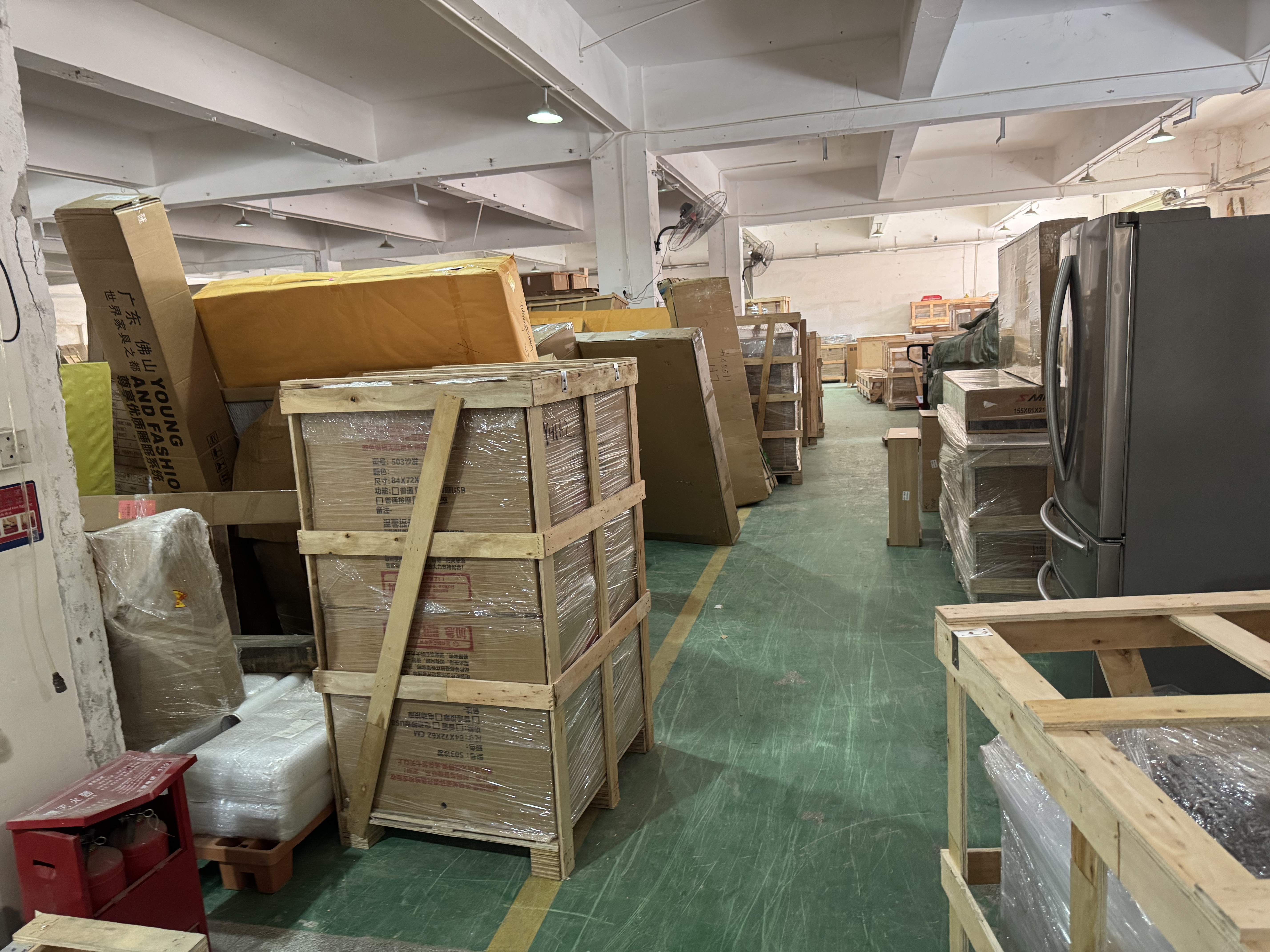
Large - scale commercial shipments, such as those from big manufacturers or wholesalers, often require a significant amount of container space. In 2026, the cost per cubic meter for these shipments can be between $400 and $800.
Imagine a furniture factory in Dongguan shipping a large consignment of high - end sofas and tables to a major distributor in Calgary. The factory will need to ship a large volume of goods, and the shipping cost will be a significant part of their overall expenses.
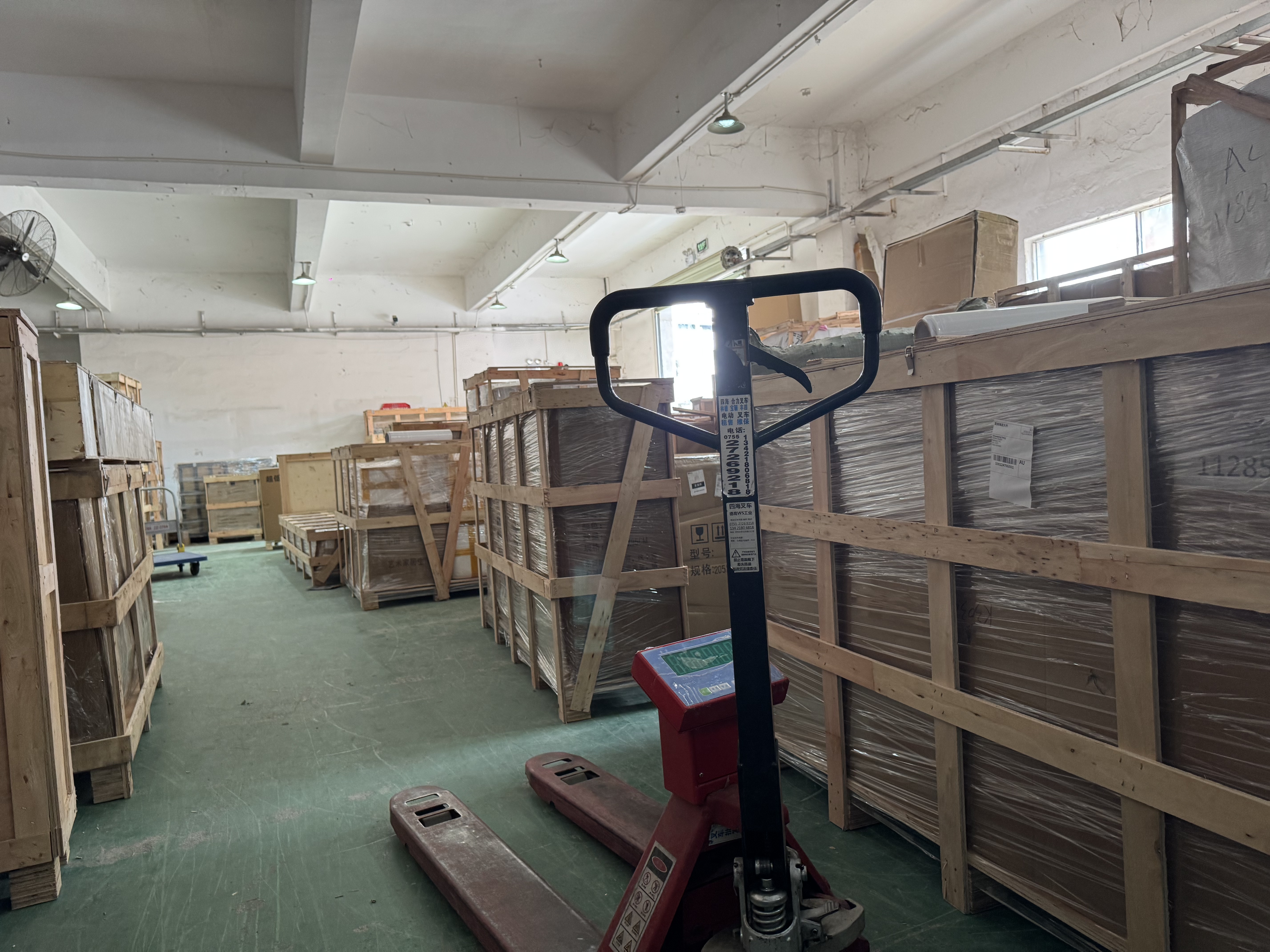
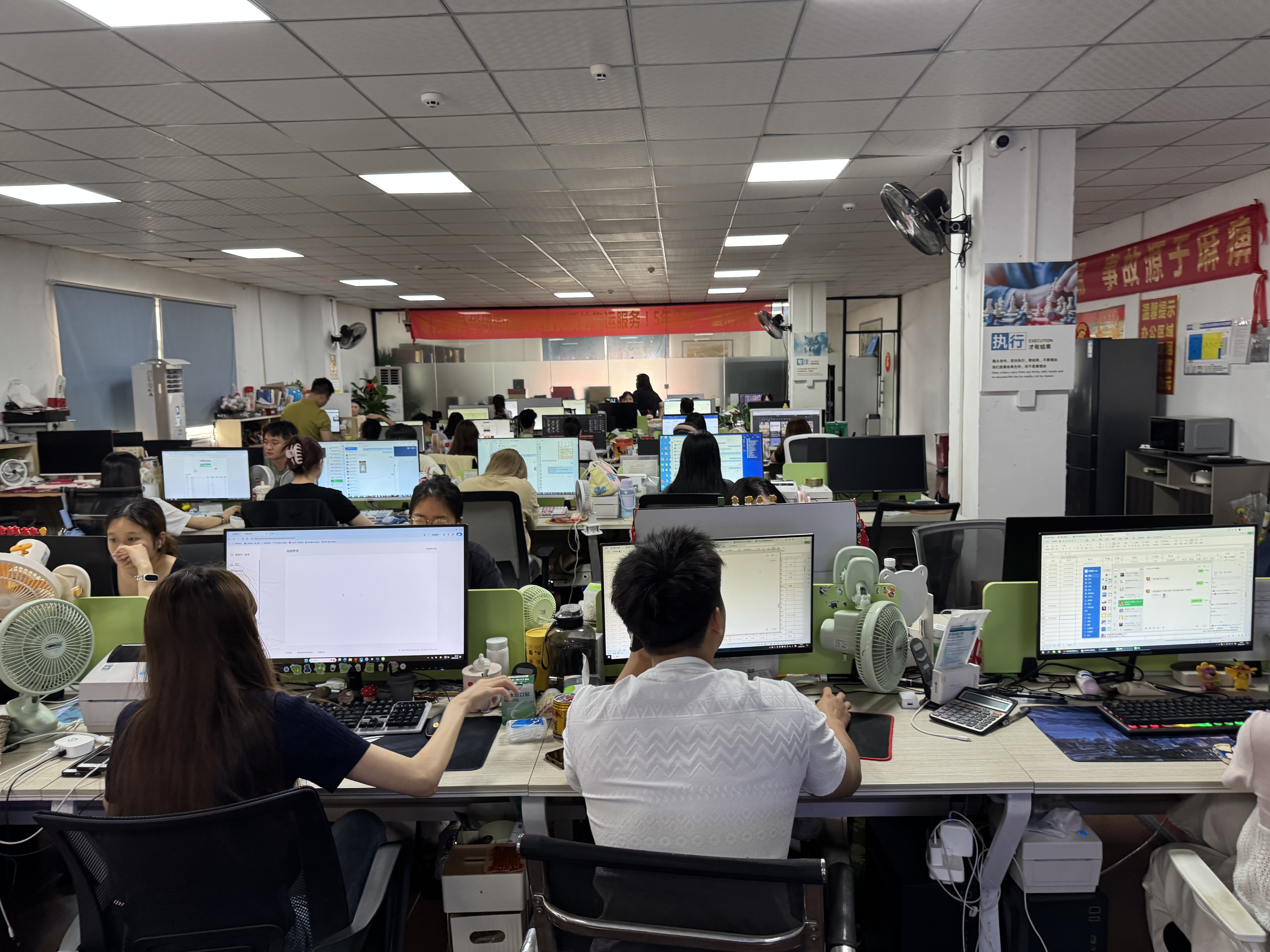
Shengda International Logistics offers a dedicated service for large - scale commercial shipments. They have long - term relationships with shipping lines, which allows them to negotiate better rates. Their full - service model, including packing, loading, and customs clearance, ensures a seamless shipping process for large - scale businesses.
III. Faq
1. Is it possible to get a fixed price for sea freight consolidation to Canada in 2026?
Well, it's a bit tricky. The shipping industry is influenced by many factors like fuel prices, route changes, and seasonal demand. While some shipping companies may offer a quote, it's usually subject to change. However, a company like Shengda International Logistics tries its best to give you a stable price estimate. They have a good understanding of the market and can take into account the possible fluctuations in advance.
2. How can I ensure that my goods are safe during sea freight consolidation to Canada?
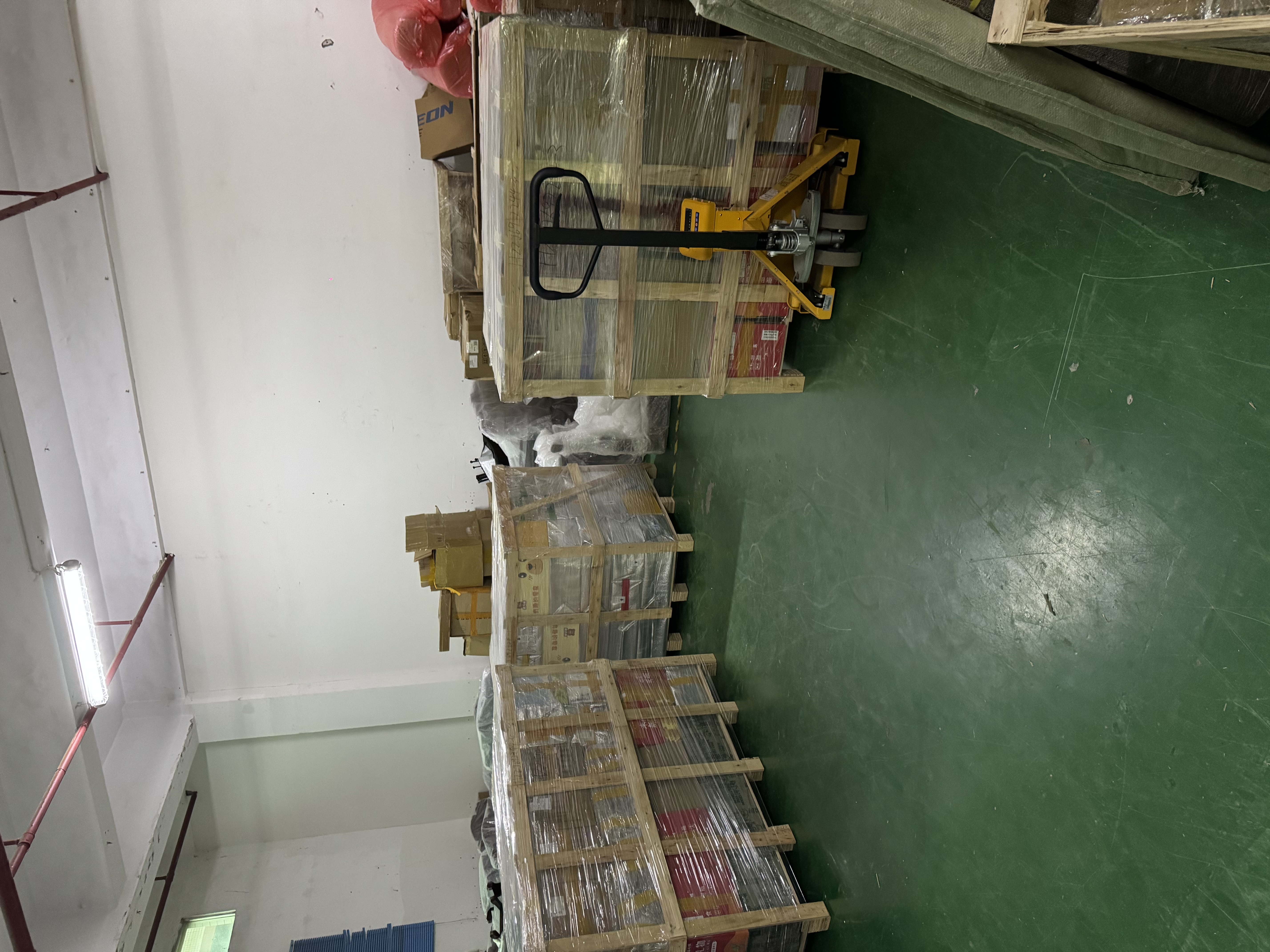
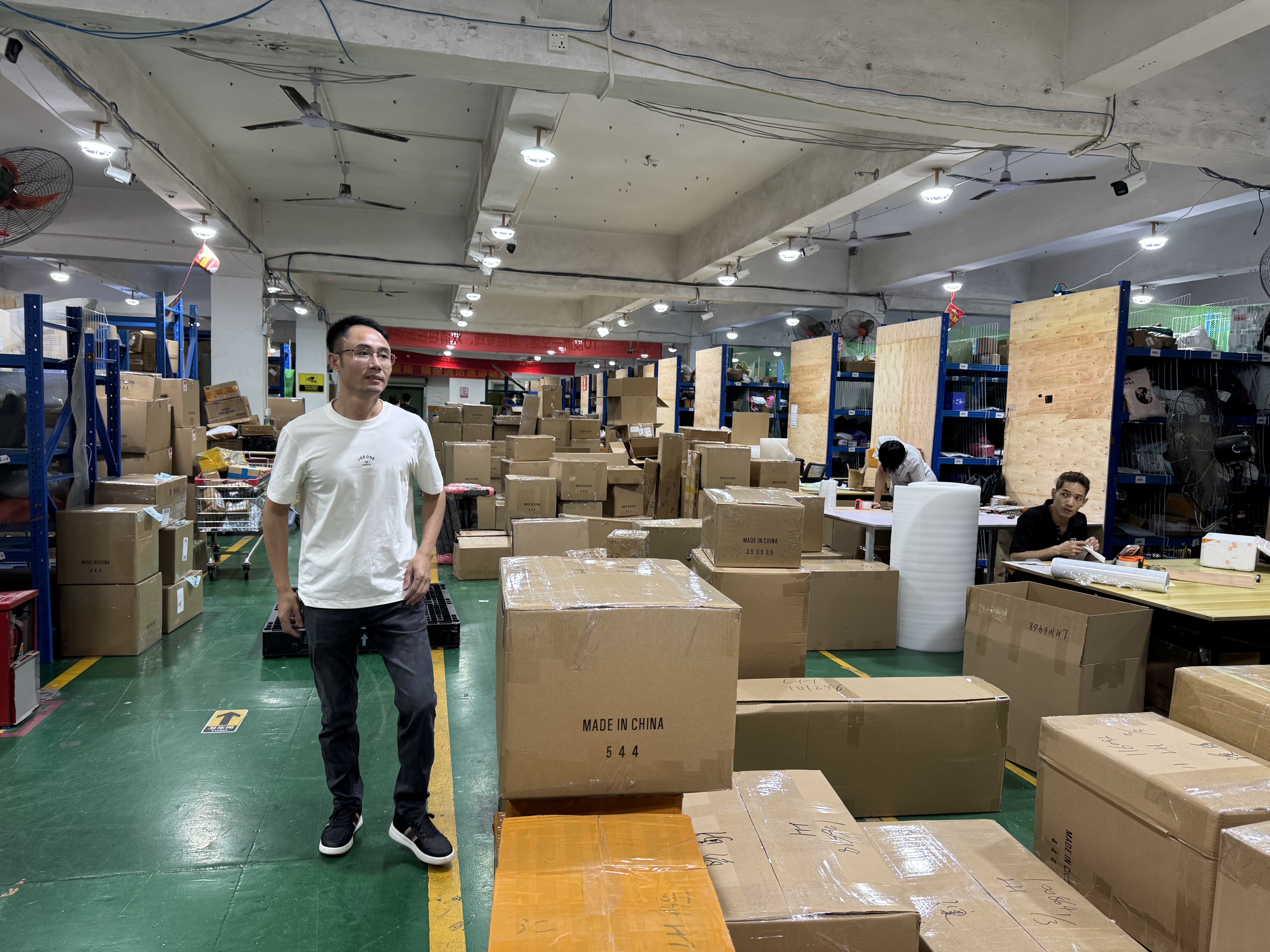
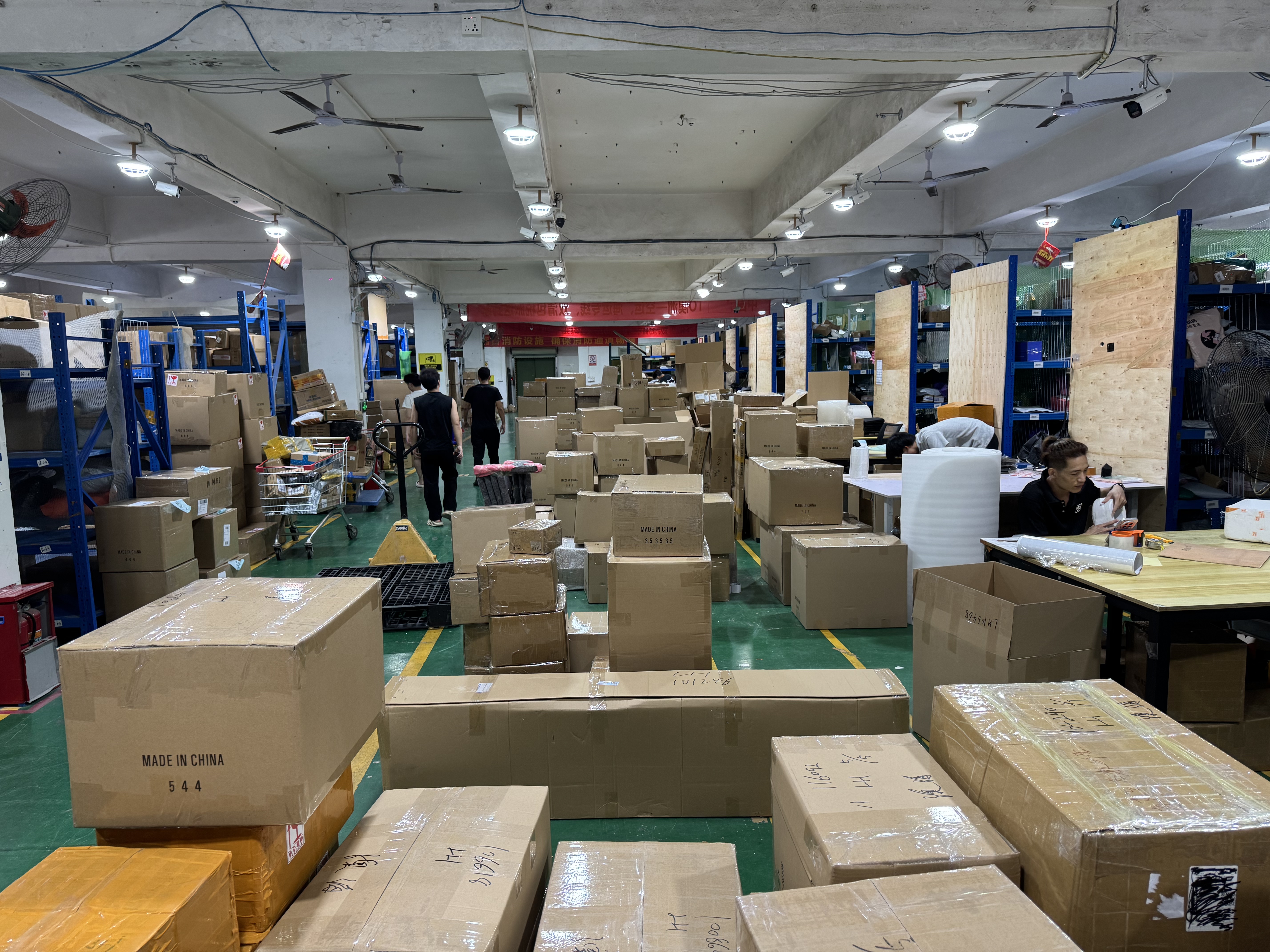
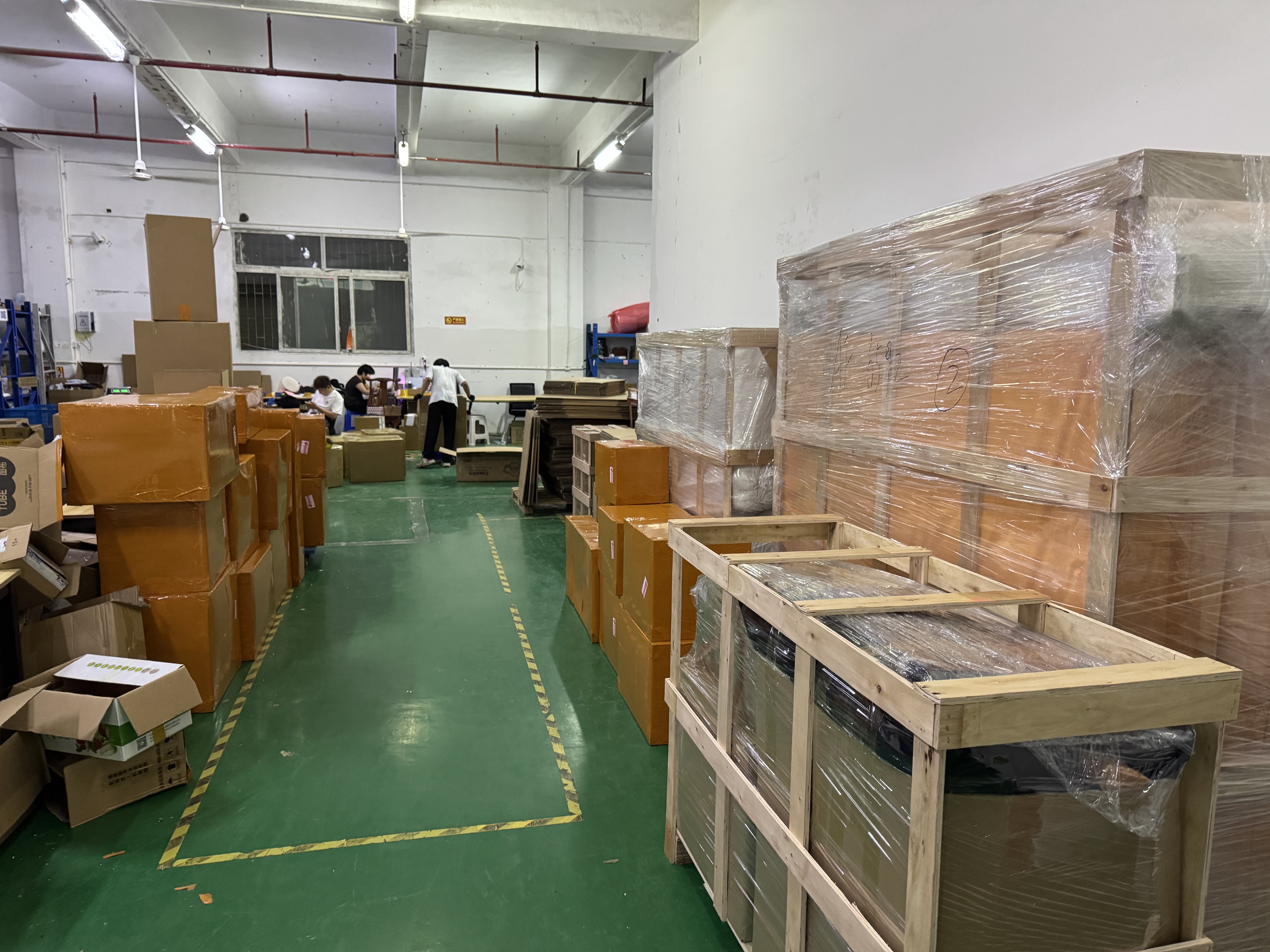
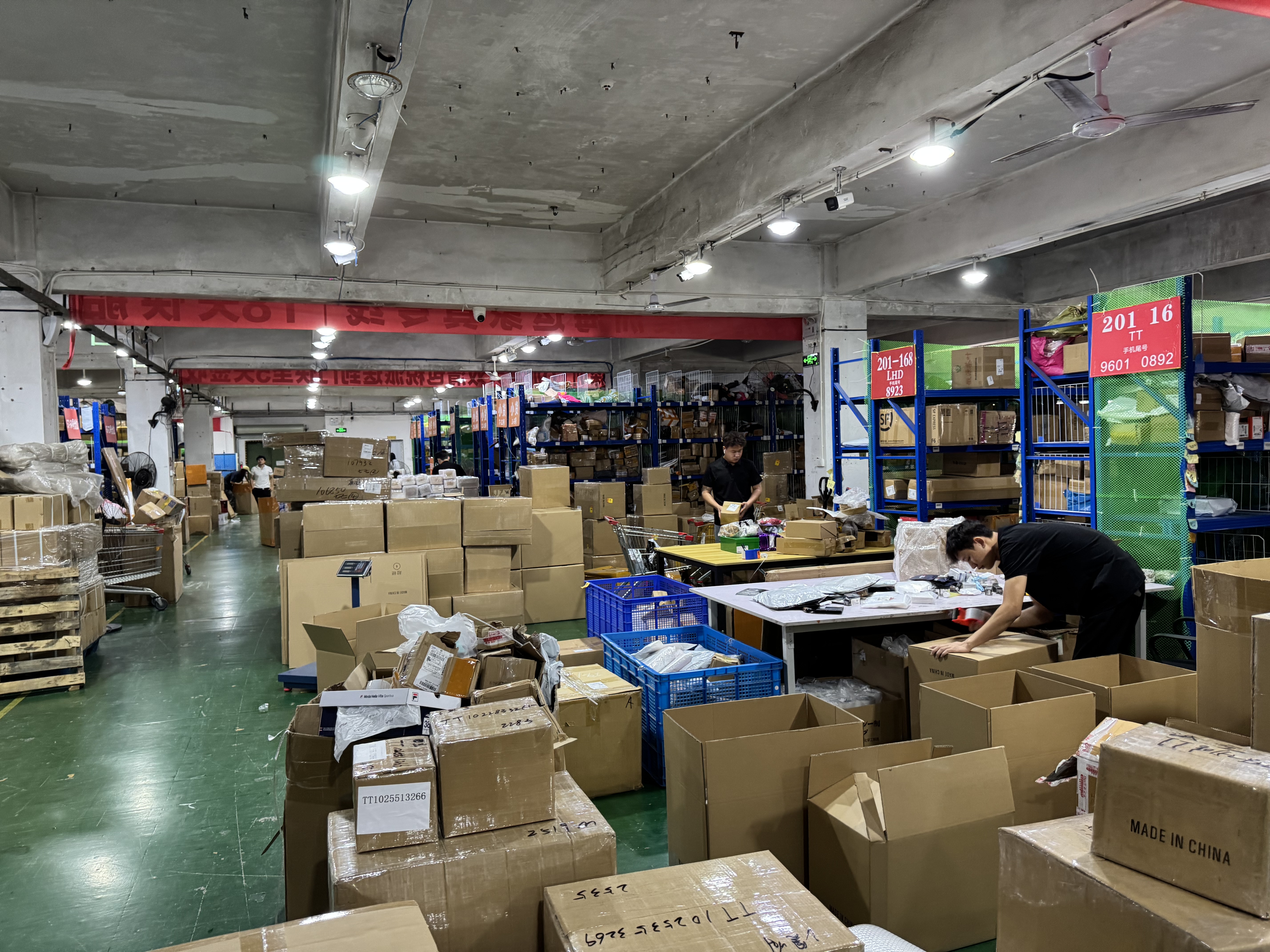
Safety is a top concern. First, you need to choose a reliable shipping company. Shengda International Logistics has a 35,000 - square - meter园区标准化自营实操warehouse in Shenzhen. They have strict packing and handling procedures. For items like furniture or fragile goods, they can provide special packaging like wooden frames and multi - layer shock - proof protection. Also, they use a self - developed intelligent shipping system to track the goods in real - time, so you can always know the status of your shipment.
3. What if my goods are delayed during transit to Canada?
Delays can happen due to various reasons such as bad weather, port congestion, or customs issues. A good shipping company should have a contingency plan. Shengda International Logistics has an experienced team that can quickly identify the problem and find a solution. If the delay is caused by their negligence, they have a regular compensation mechanism to protect your interests.
4. Are there any restrictions on the types of goods I can ship to Canada via sea freight consolidation in 2026?
Yes, there are restrictions. Canada has strict regulations on items like firearms, drugs, and some food products. For other goods, especially those that are sensitive like electronics or cosmetics, you need to make sure they meet the Canadian import standards. Shengda International Logistics has a special compliance channel for sensitive goods. They can help you declare the goods correctly and avoid customs inspection and detention risks.
5. How does Shengda International Logistics handle customs clearance for shipments to Canada in 2026?
Shengda International Logistics has a professional in - house customs clearance team. They are well - versed in Canadian customs laws and regulations. They will help you prepare all the necessary documents accurately, such as the bill of lading, commercial invoice, and packing list. They also keep an eye on the latest customs policies in 2026 to ensure that your goods get through customs smoothly and avoid unnecessary delays and fees.
