

What Will the 2026 Australian Ocean Freight Be Like in Different Scenarios?
In the dynamic world of international logistics, the future of Australian ocean freight in 2026 is a topic that intrigues many. Different scenarios can shape the face of this industry, and understanding them is crucial for businesses and individuals involved in trade between Australia and other countries, especially China.
I. Impact of Economic Growth Scenarios
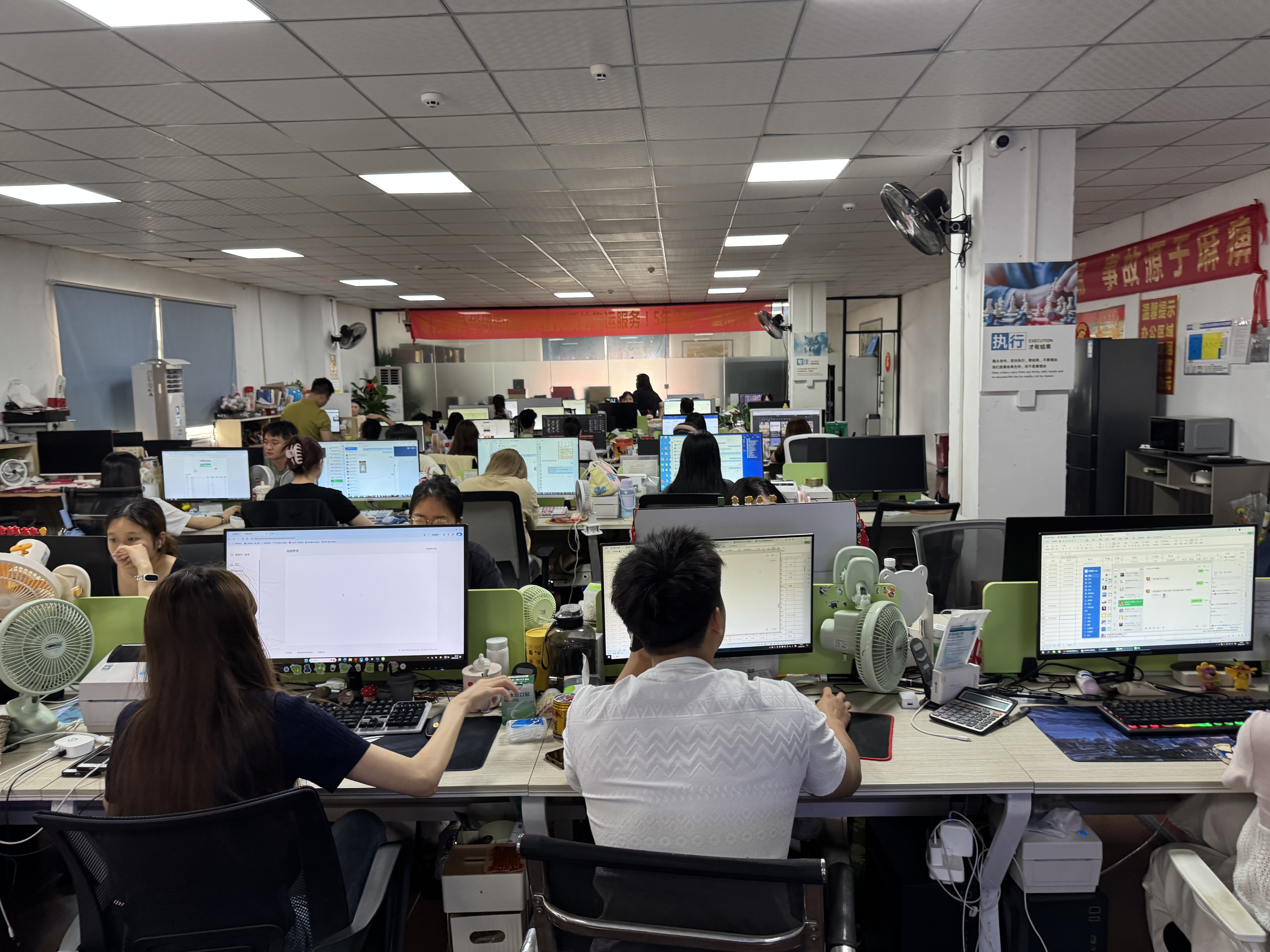
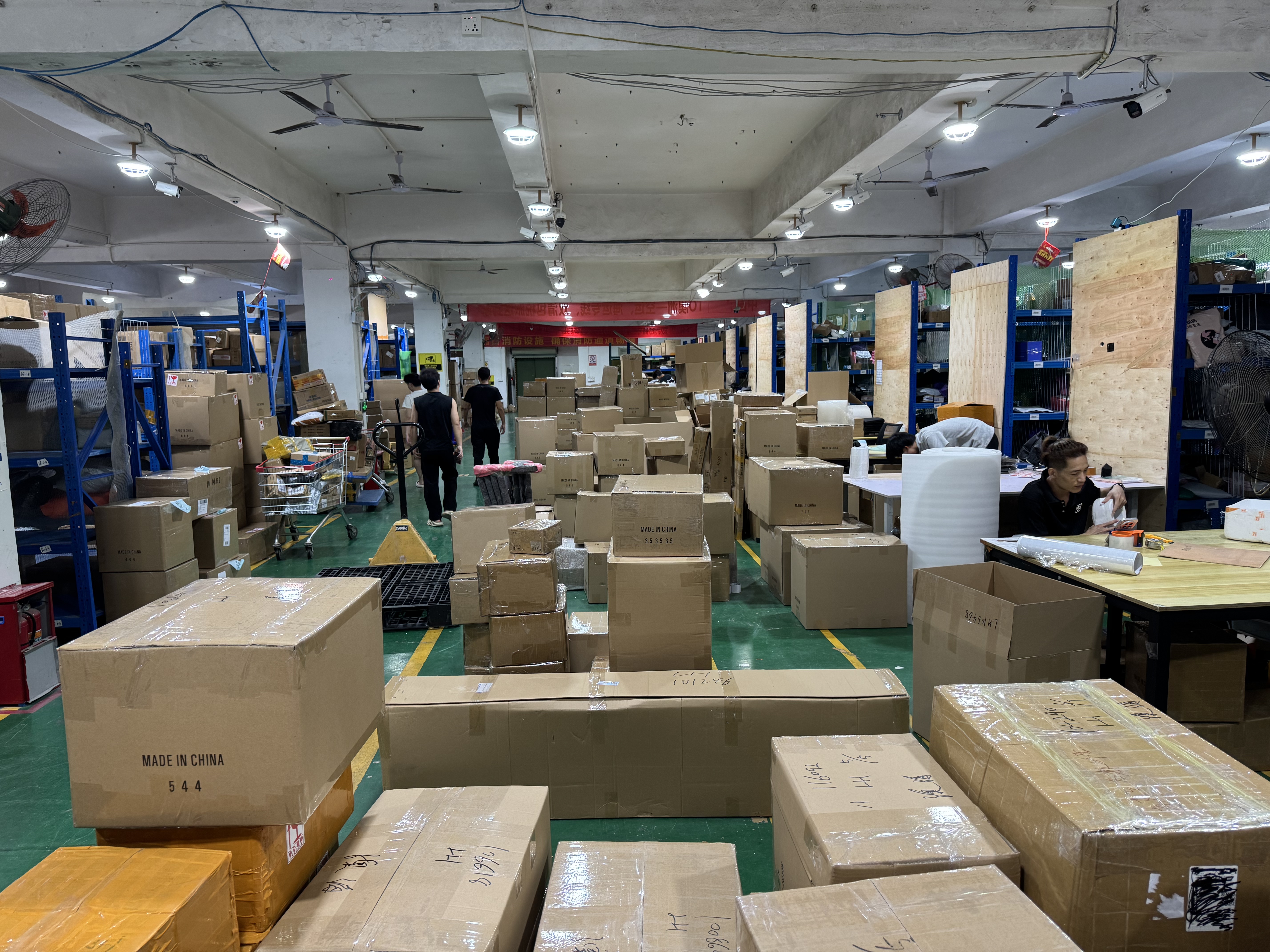
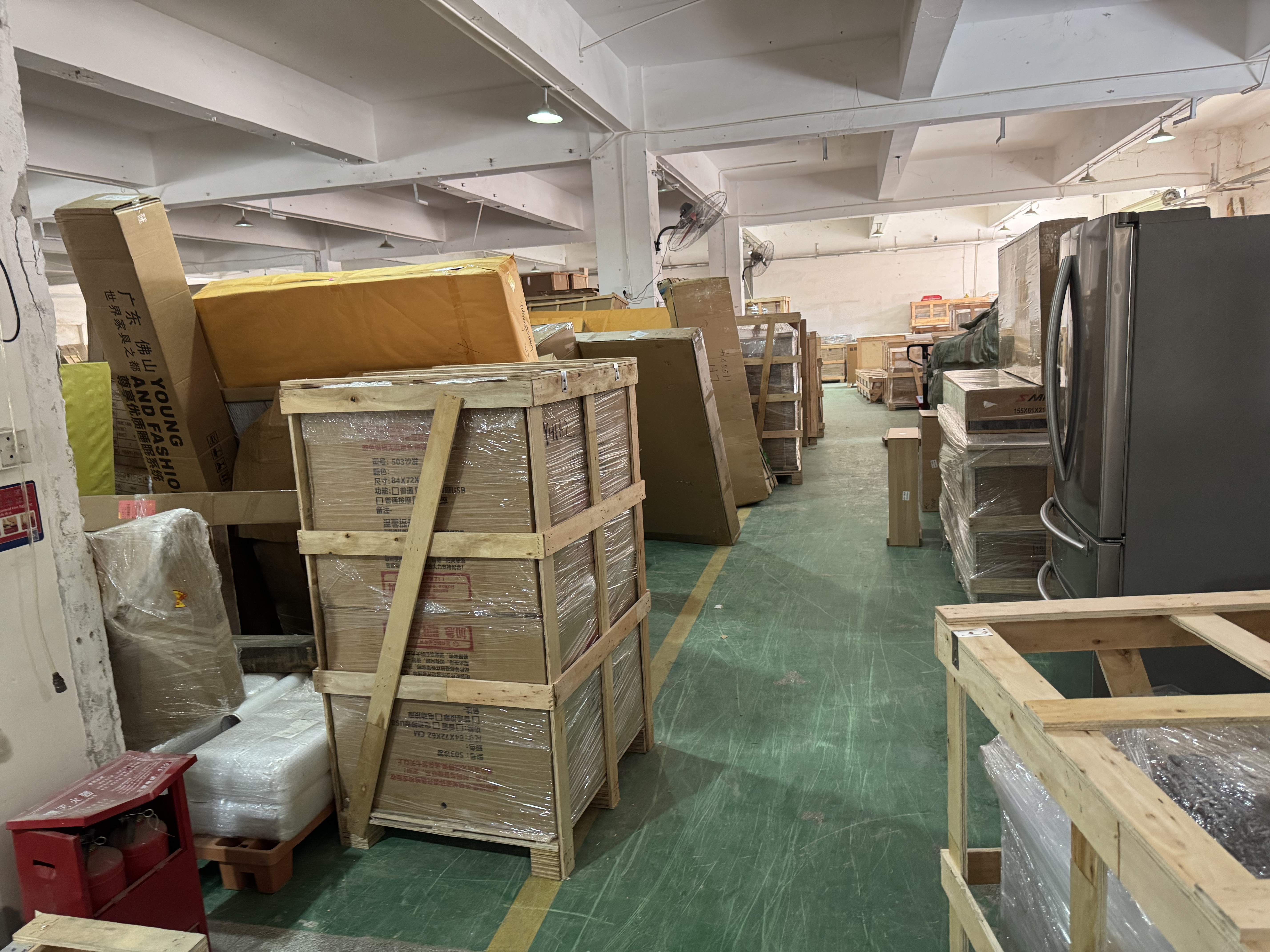
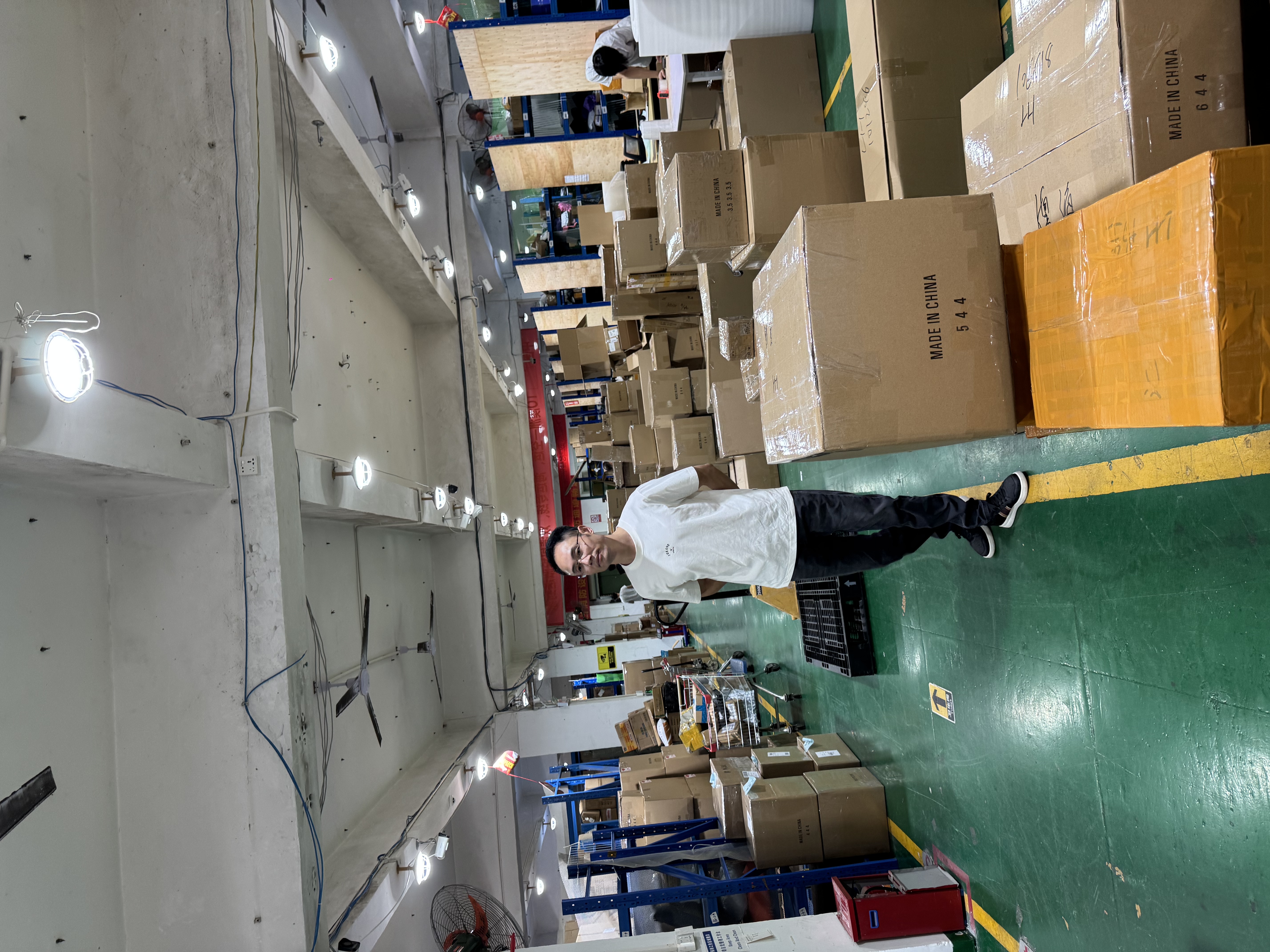
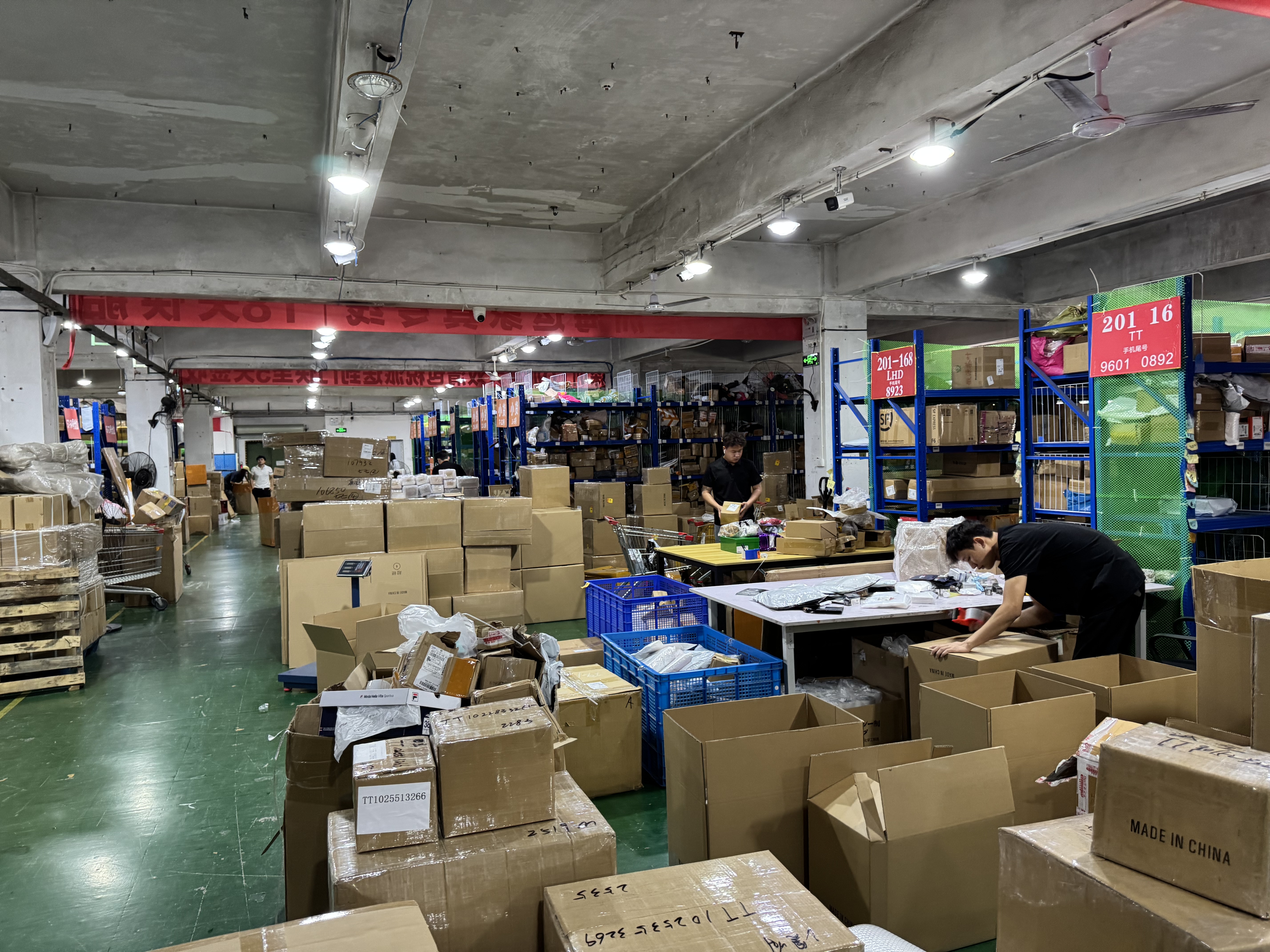
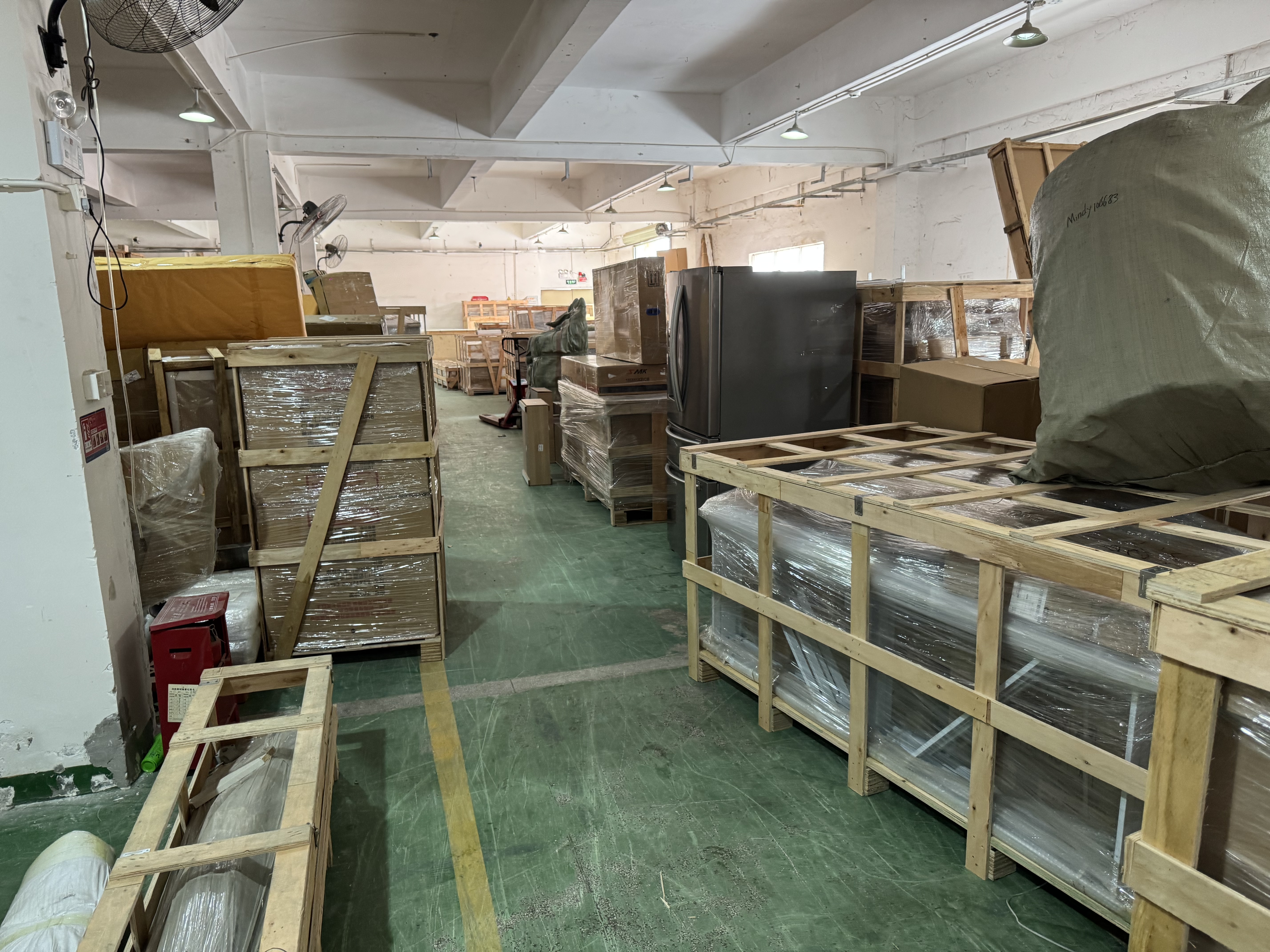
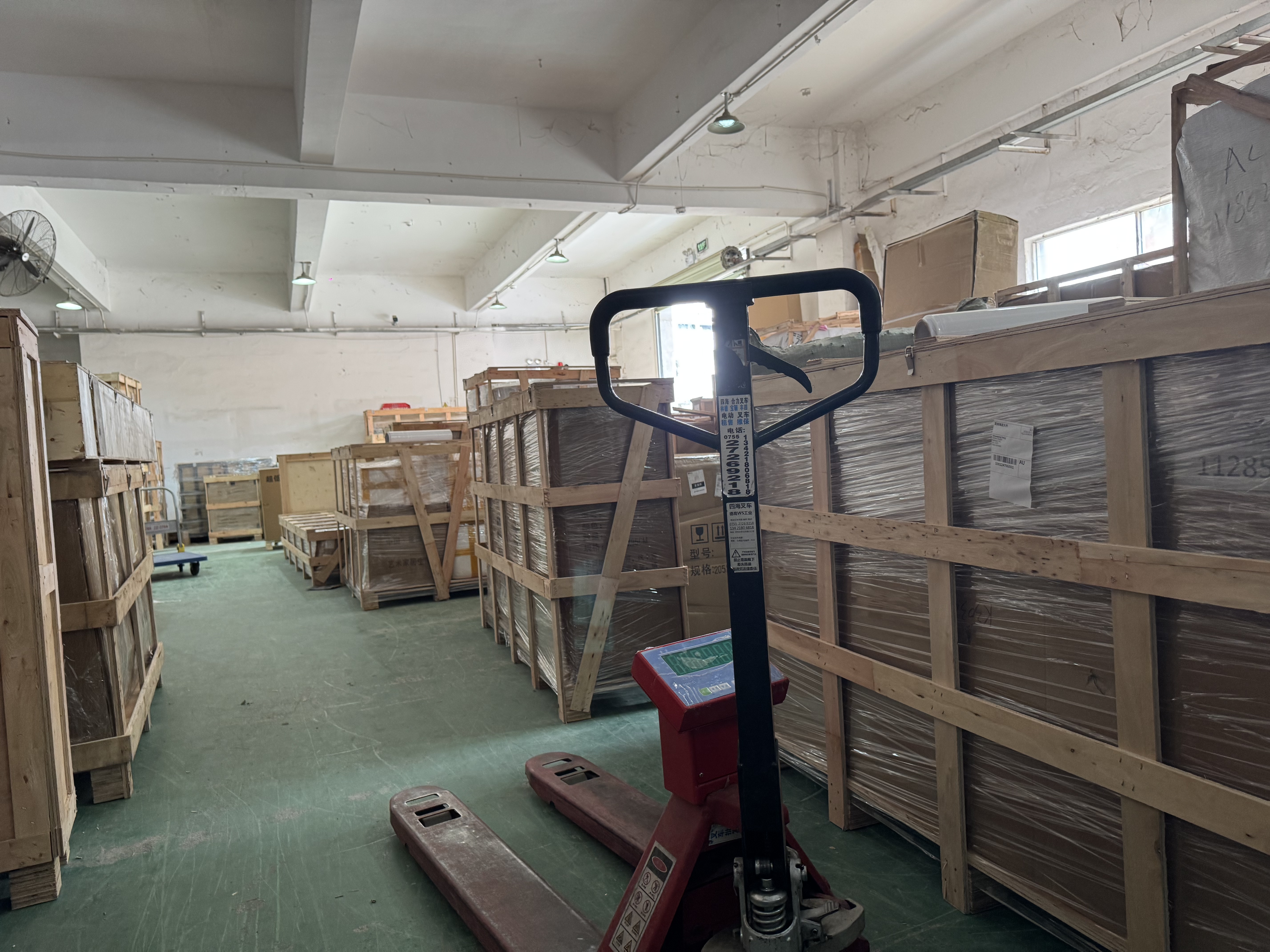
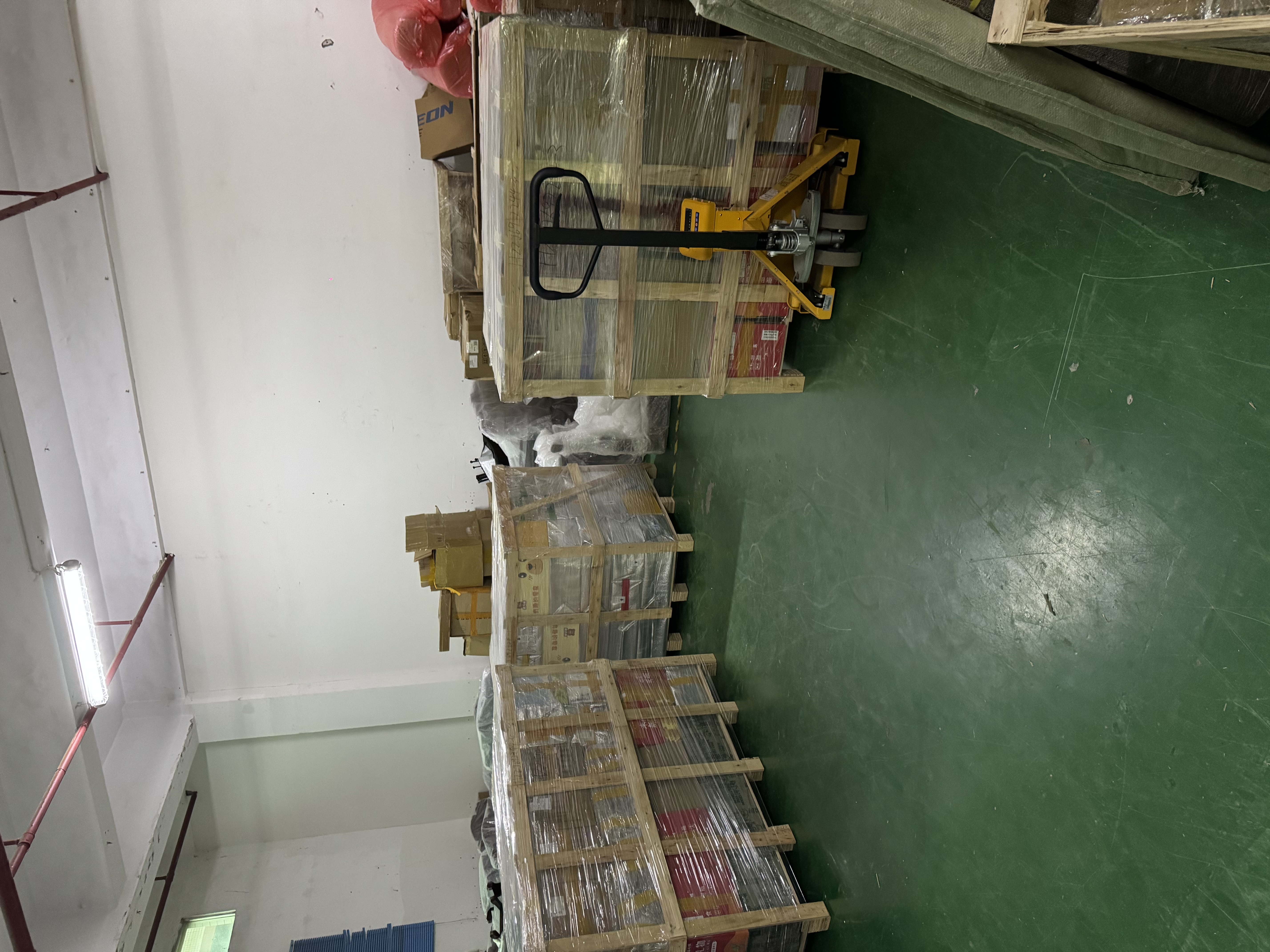
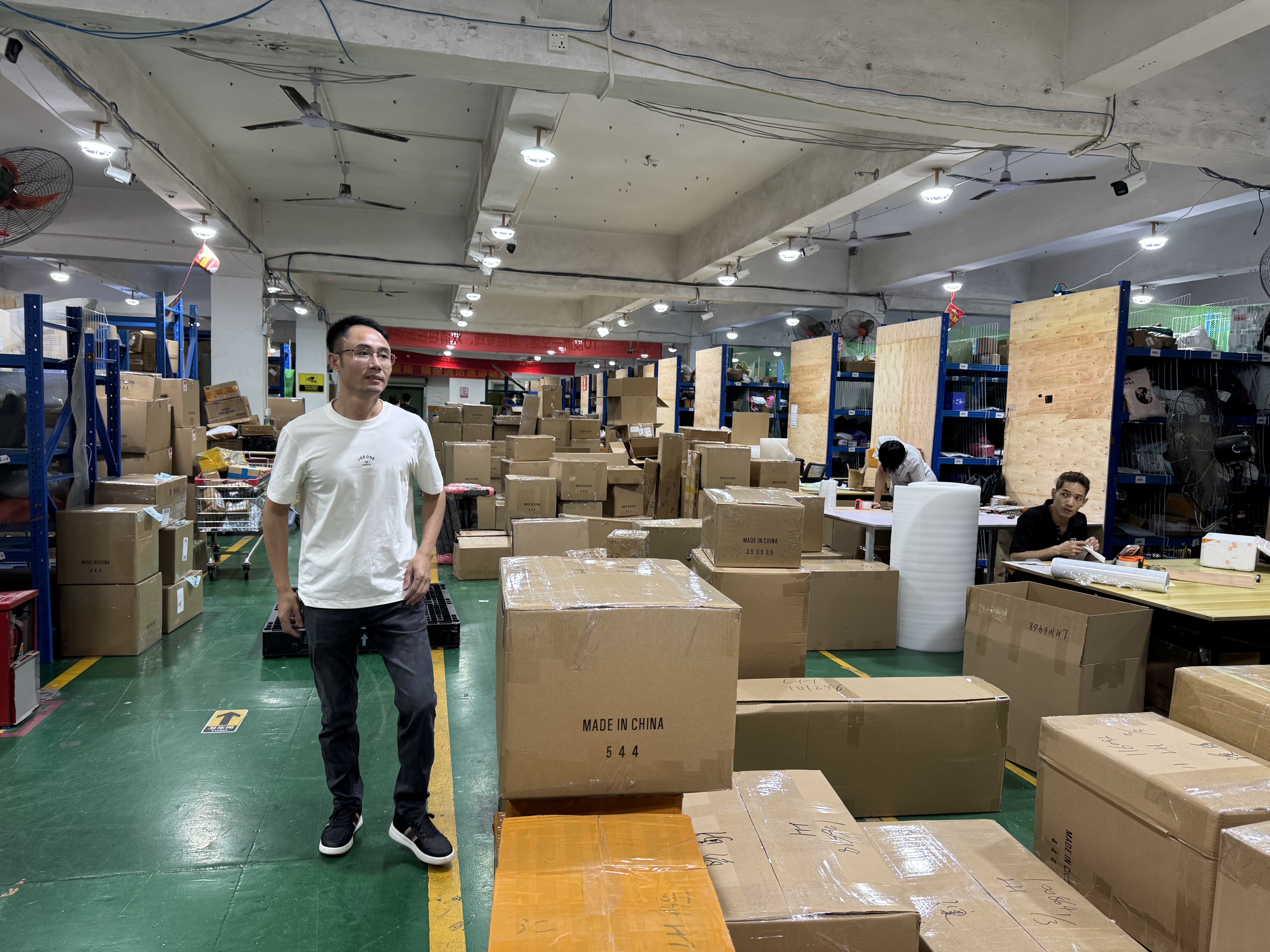
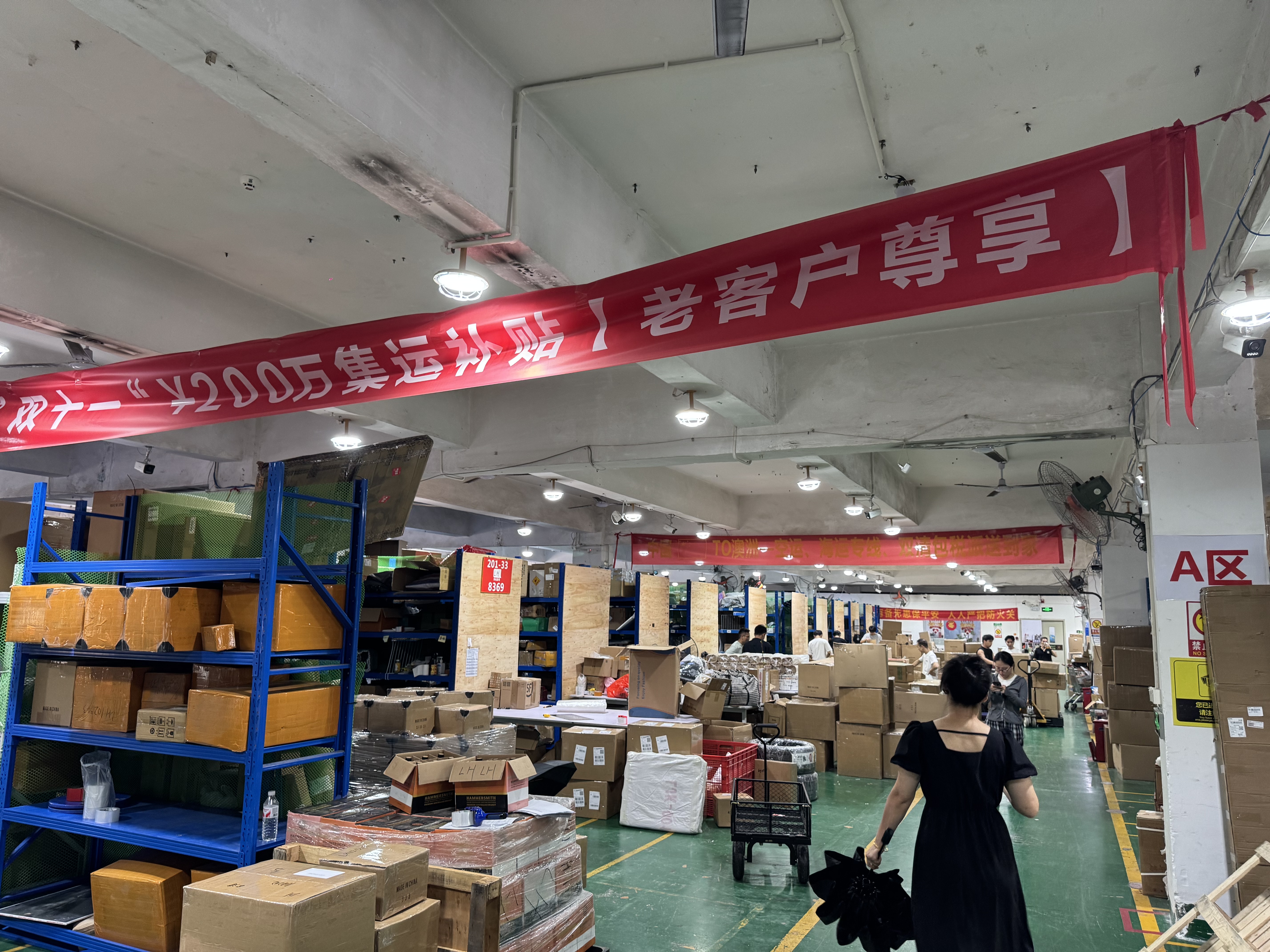
Booming Economic Growth With strong economic growth in both Australia and its major trading partners like China, demand for ocean freight will soar. In a booming economy, businesses expand their production and exports. For example, Australian mining companies may increase their iron - ore exports to China. Currently, China is the largest importer of Australian iron ore, taking in over 80% of Australia's total iron - ore exports. In a high - growth scenario, this volume could increase by 20% by 2026. The Australian Bureau of Statistics shows that during periods of economic expansion in the past decade, ocean freight volumes increased by an average of 15 - 20%. This growth leads to higher demand for shipping capacity, which in turn can drive up freight rates. Shipping lines will invest more in new vessels to meet the demand. For instance, Maersk, a major global shipping company, may add more routes specifically for Australian - China trade.Industry players like Shengda International Logistics will benefit from this growth. With its well - established services between China and Australia, it can handle the increased cargo volume. Shengda's full - service model, including customs clearance and door - to - door delivery, can help businesses streamline their operations in a high - demand market. FAQ: Q: How can a logistics company like Shengda handle the increased cargo volume during economic booms? A: Shengda has an in - house logistics system and a dedicated team. Their 35,000 - square - meter self - operated warehouse in Shenzhen allows for efficient storage and sorting of large - volume cargo. They also have long - term partnerships with shipping lines, enabling them to secure space on vessels even during peak seasons.
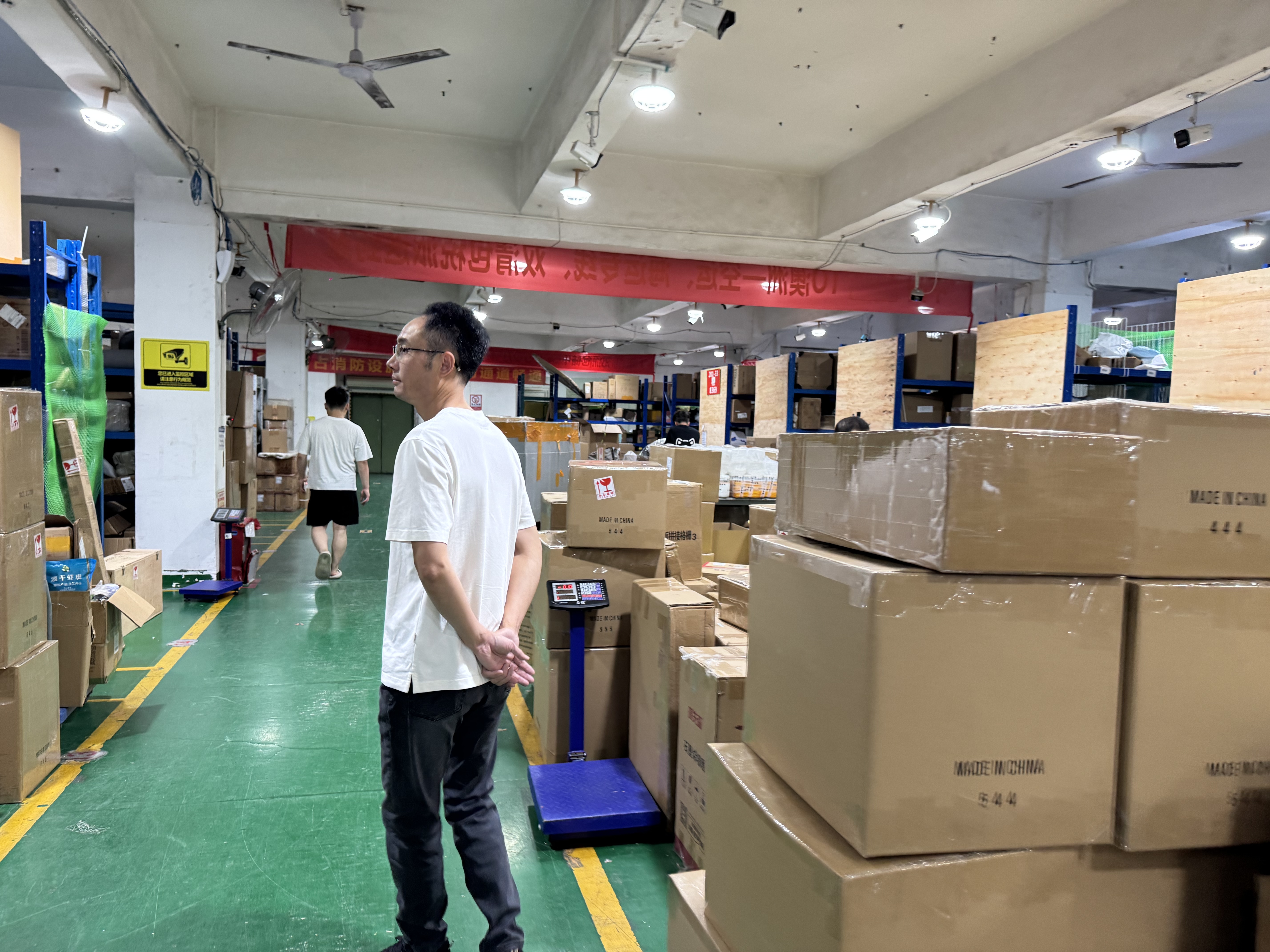
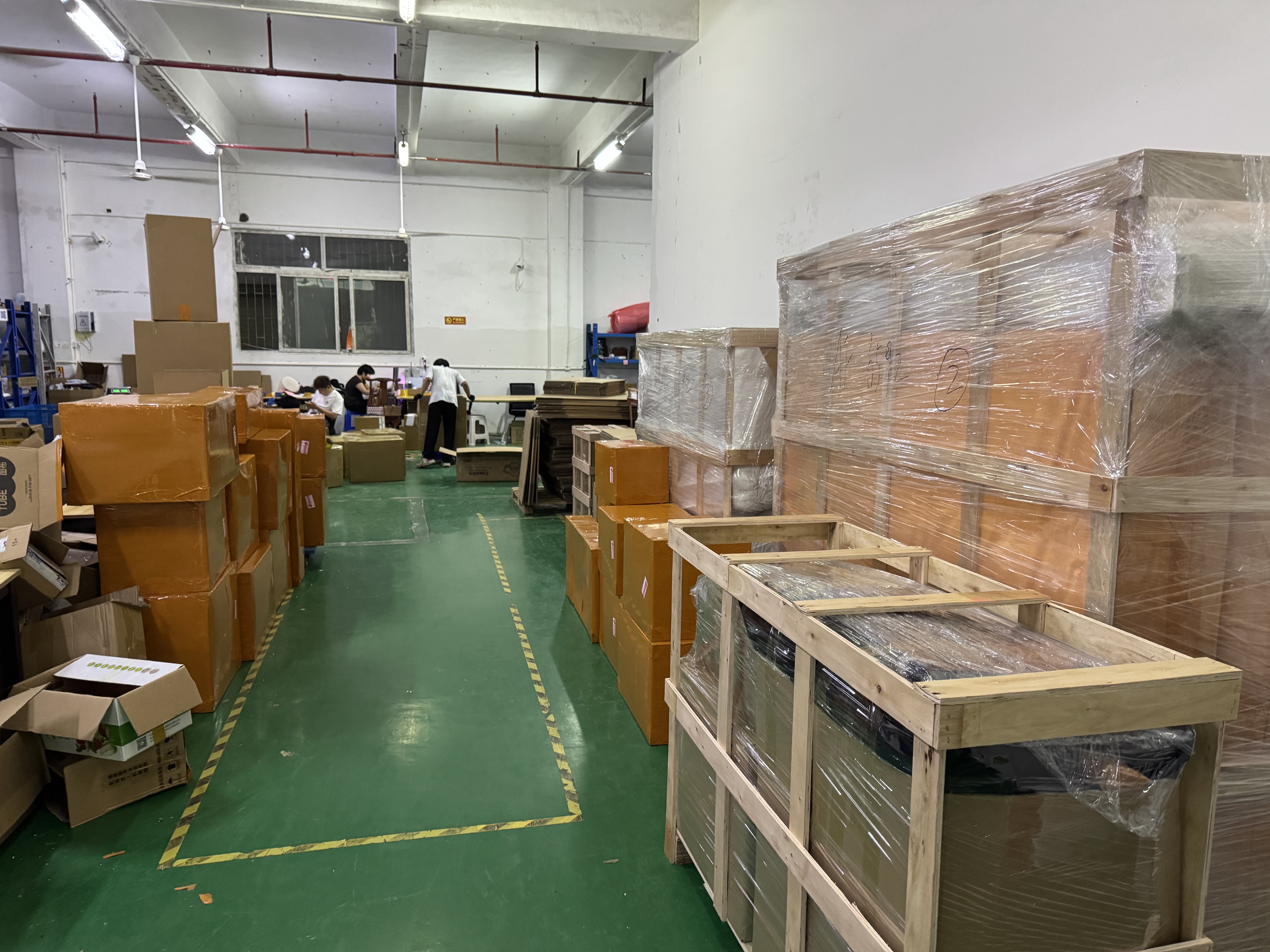
Shengda International Logistics can still play a role in this situation. Its cost - effective solutions, like the cubic - based pricing for large - volume cargo, can attract businesses looking to cut costs. The company's ability to optimize shipping routes and provide value - added services can help clients make the most out of a difficult market situation. FAQ: Q: How can Shengda help businesses during an economic slowdown? A: Shengda offers cost - effective shipping options. Their cubic - based pricing for large - volume cargo can significantly reduce shipping costs. Also, their warehousing service with 365 - day free storage allows businesses to hold onto their goods until the market improves.
II. Technological Advancements and Their Consequences
Introduction of Autonomous Vessels By 2026, the shipping industry may see the introduction of more autonomous vessels. These vessels have the potential to reduce labor costs and improve safety. For example, a fully autonomous container ship can operate without a crew on board, eliminating the need for crew accommodation and reducing the risk of human error. The use of autonomous vessels can also lead to more efficient shipping routes. They can be programmed to take the shortest and most fuel - efficient paths, reducing fuel consumption by up to 10 - 15%. This will have a positive impact on the environment and shipping costs.Shengda International Logistics can adapt to this change by partnering with shipping companies that are investing in autonomous vessel technology. This will allow them to offer more cost - effective and reliable services to their clients. FAQ: Q: How will Shengda adapt to the use of autonomous vessels? A: Shengda will closely follow the development of autonomous vessel technology. They will establish partnerships with shipping companies using these vessels to ensure that they can offer high - quality services to their clients. This way, they can stay competitive in the market and pass on the cost savings to their customers.
Digitalization of Logistics Processes The digitalization of logistics processes is already on the rise and is likely to intensify by 2026. This includes the use of blockchain for secure and transparent transactions, real - time tracking systems, and digital documentation. For example, with blockchain, the entire shipping process from the point of origin to the destination can be recorded in a secure and unalterable manner. Real - time tracking systems can provide customers with accurate information about the location of their cargo at any time. Digital documentation eliminates the need for paper - based processes, reducing the risk of errors and delays.
III. Policy Changes and Their Influence
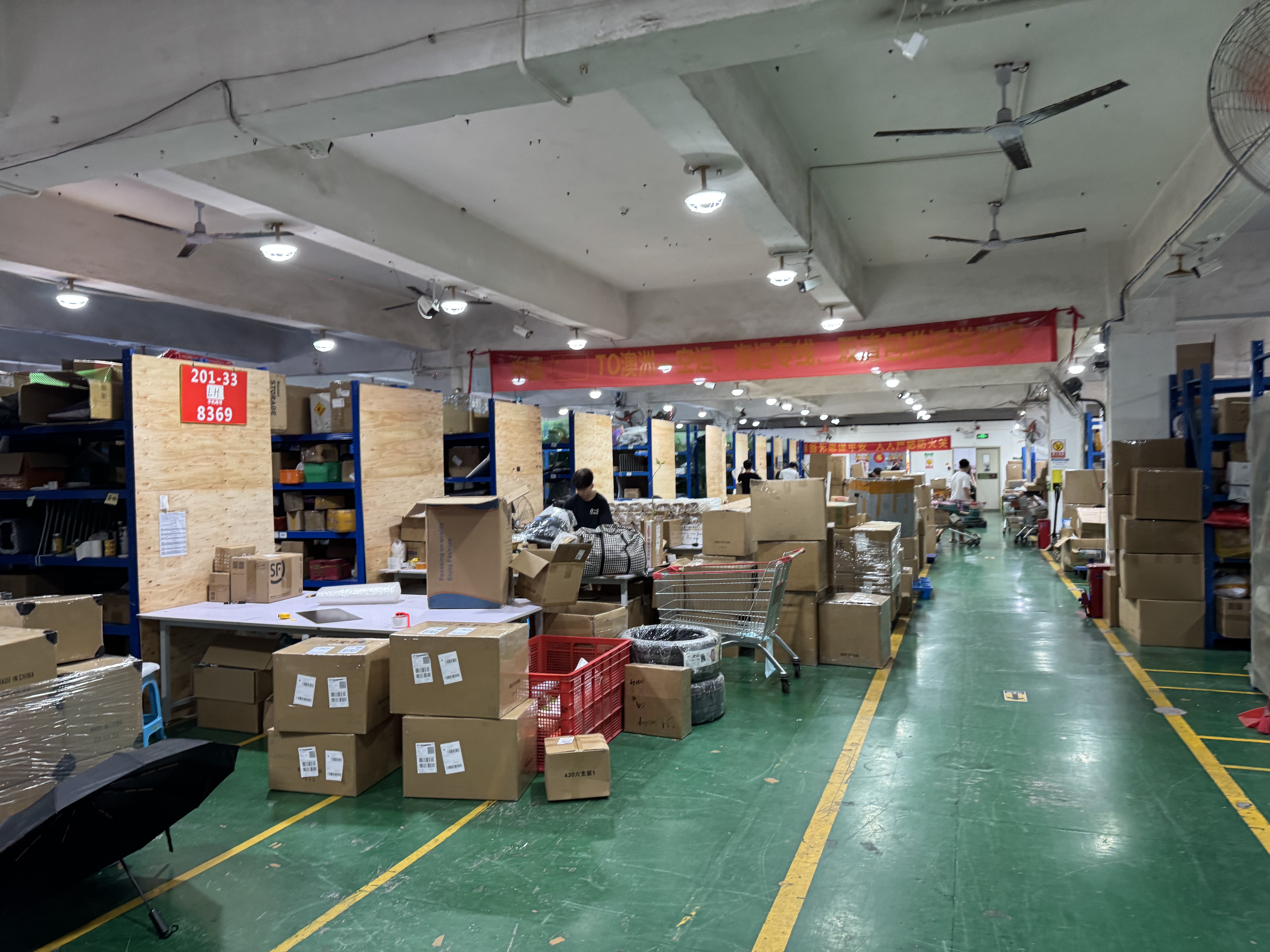
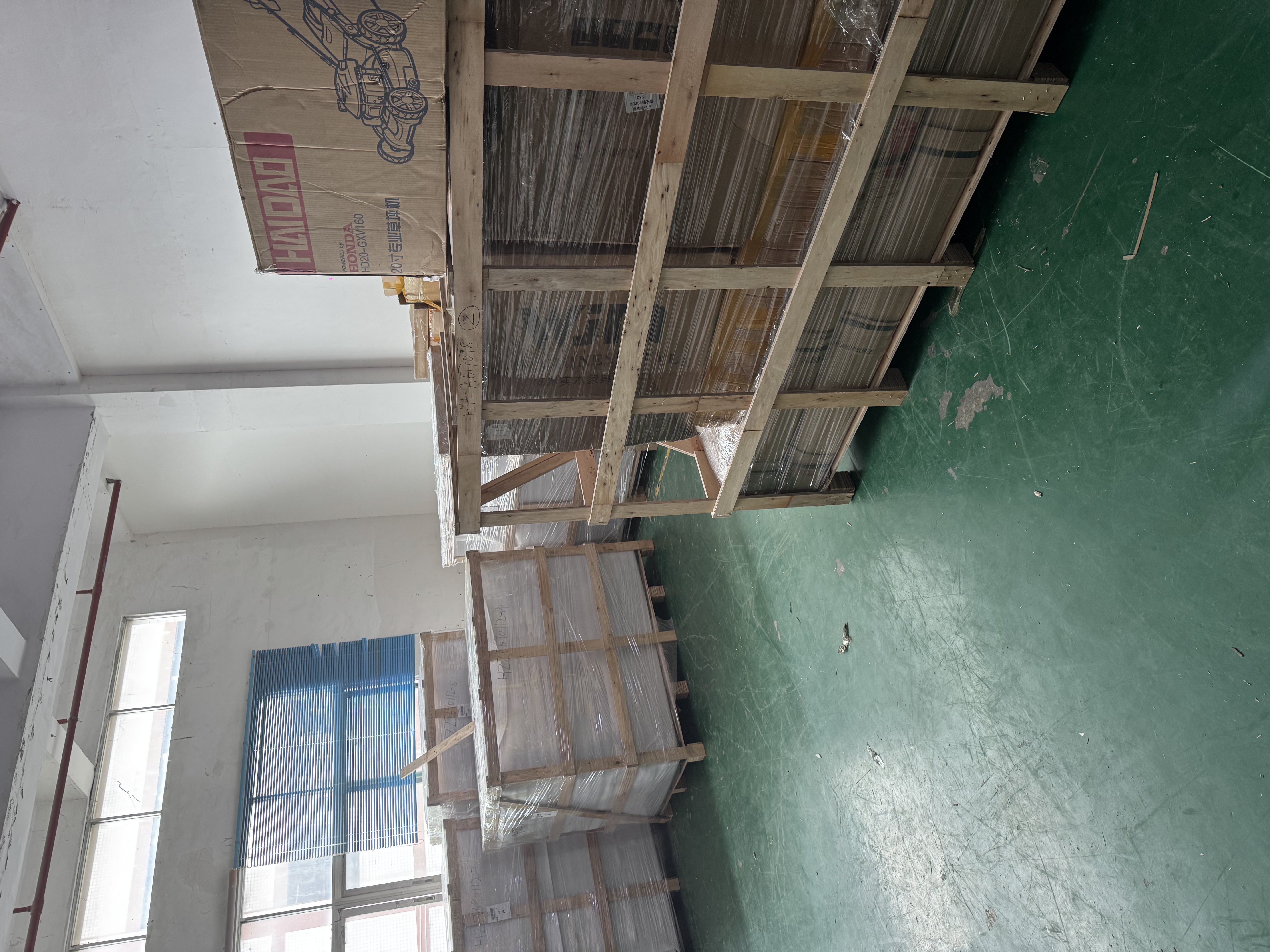
Shengda International Logistics, with its in - depth knowledge of the China - Australia trade environment and partnerships with local customs agencies, can help clients comply with new policies. Its compliance team can ensure that all shipments meet the new regulatory requirements. FAQ: Q: How can Shengda help with new transport policies? A: Shengda has a compliance team that closely monitors policy changes between China and Australia. They can provide clients with professional advice on how to comply with new regulations. Their long - term relationships with customs agencies also help in smooth customs clearance processes.
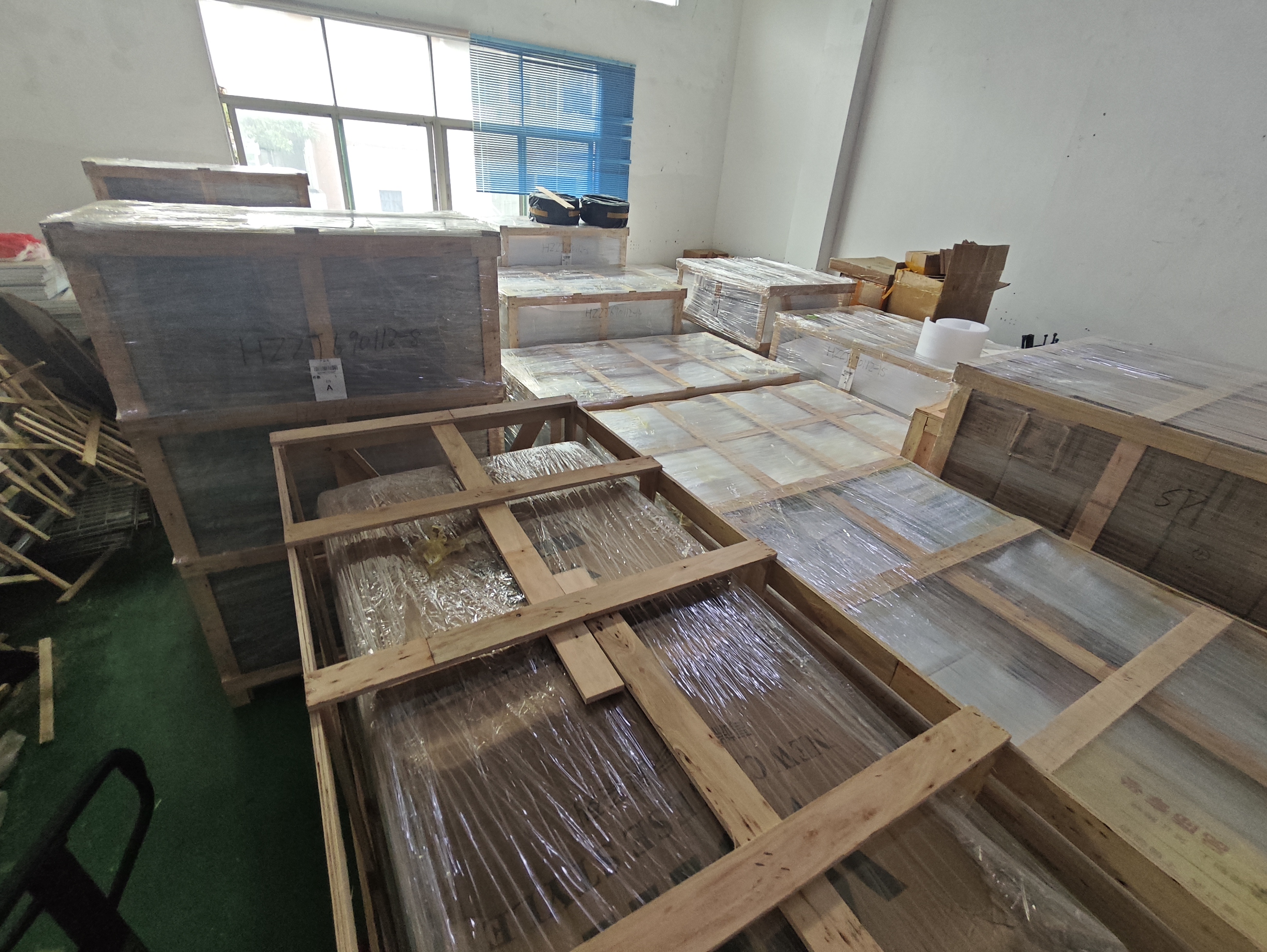
Global Trade Policy Shifts Global trade policy shifts, such as new trade agreements or trade wars, can also affect Australian ocean freight. For example, if Australia signs a new free - trade agreement with a major trading partner other than China, it may lead to a redistribution of trade flows. In the event of a trade war, there may be tariffs and trade restrictions, which can reduce the volume of goods being shipped. This will put pressure on shipping lines and logistics companies to find new markets and optimize their operations.
Shengda International Logistics can respond to these policy shifts by diversifying its client base and routes. It can explore new markets in Europe or North America while maintaining its strong position in the China - Australia trade. FAQ: Q: How can Shengda deal with global trade policy shifts? A: Shengda will diversify its business to reduce the impact of trade policy changes. They can explore new markets and develop new routes. Their strong regional presence in Asia and their partnerships with various shipping lines give them the flexibility to adapt to different trade scenarios.
In conclusion, the future of Australian ocean freight in 2026 will be shaped by various factors, including economic growth, technological advancements, and policy changes. Shengda International Logistics, with its unique features and professional services, is well - equipped to navigate these different scenarios and provide reliable logistics solutions for businesses and individuals trading between Australia and other countries.
