

Introduction
In 2026, various scenarios are going to have a significant impact on Canadian ocean freight companies. These scenarios cover everything from trade policies between Canada and China to market demand and economic fluctuations. In this article, we'll dig into the possible effects of different scenarios and explore how Canadian ocean freight companies can tackle the challenges and grasp the opportunities.
I. Trade Policy Changes on the China - Canada and Canada - China Routes
Tariff Adjustments: In 2026, if there are tariff changes on the China - Canada and Canada - China routes, it will directly influence the volume of goods shipped. Let's say, if tariffs are lowered, Canadian exporters can send more products to China, such as agricultural products and minerals. According to past trade data, a 10% reduction in tariffs could lead to a 15% increase in the export volume of certain goods. For example, in 2018 - 2020, when some trade barriers were eased, the export of Canadian canola to China saw a significant uptick.Customs Regulations: Stricter or more relaxed customs regulations will also play a role. Tighter regulations may slow down the clearance process, increasing the cost and time for ocean freight companies. In contrast, more streamlined regulations can improve the efficiency of cargo handling. For instance, if China simplifies the inspection process for Canadian food products, the shipping time can be reduced by up to 3 days on average.
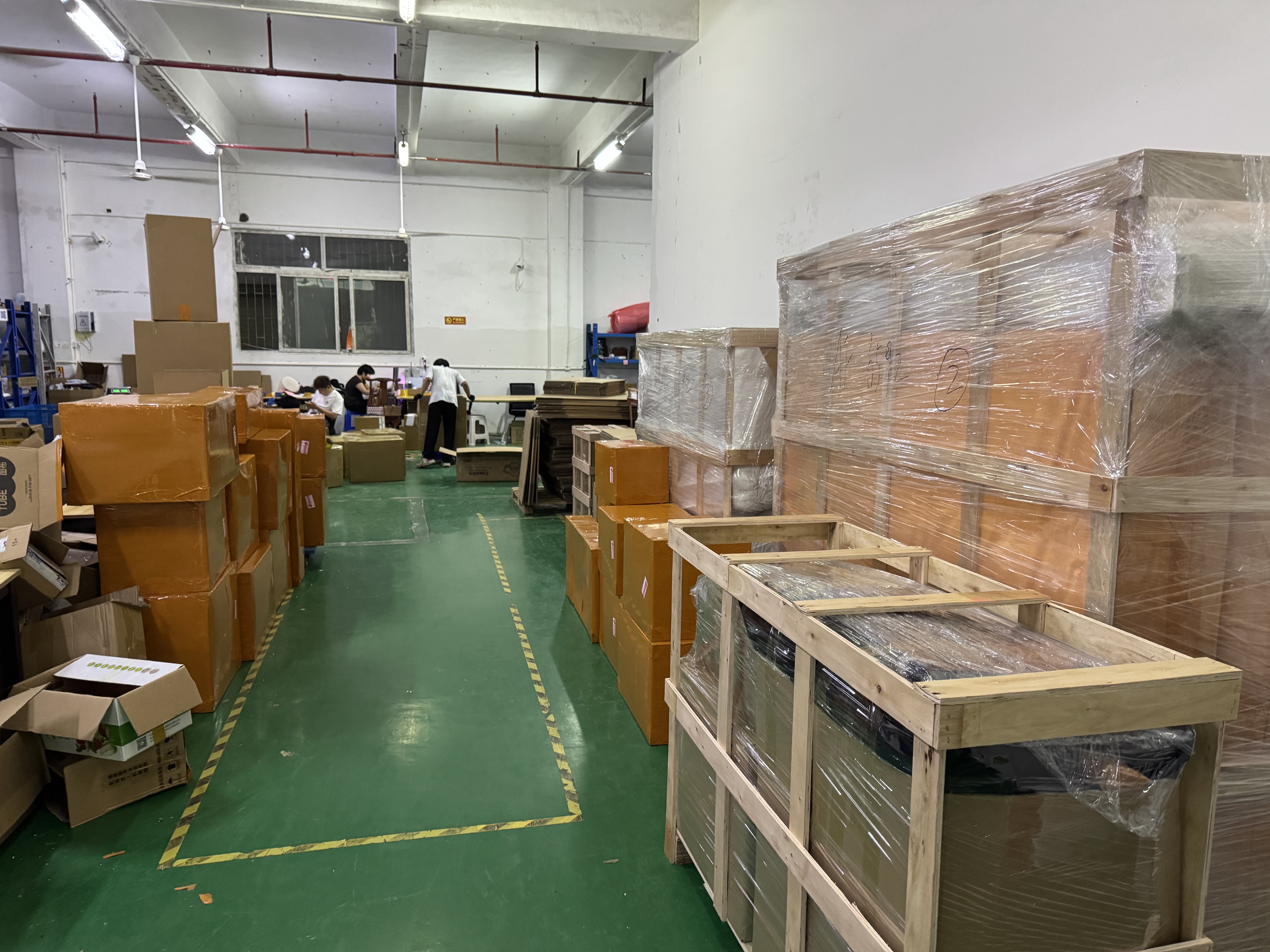
FAQ: Q: How can my company deal with sudden tariff changes in 2026? A: With tariffs being a wild card in 2026, partnering with a well - versed logistics firm like Shengda International Logistics can offer you stability. We closely monitor policy updates and can suggest cost - effective strategies. Our in - depth knowledge of the China - Canada trade conditions helps us anticipate tariff shifts and adjust shipping plans promptly.
II. Market Demand Fluctuations
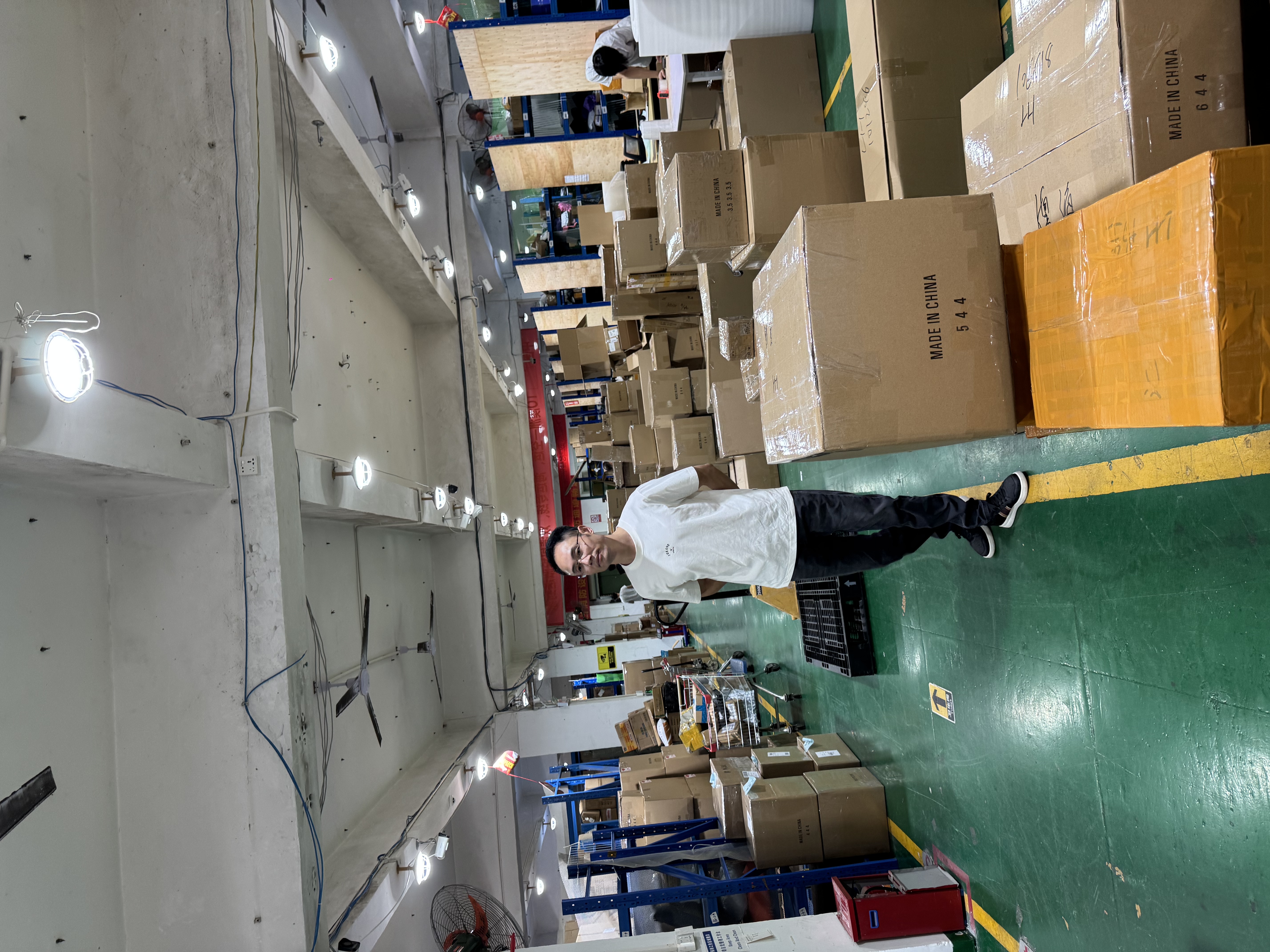
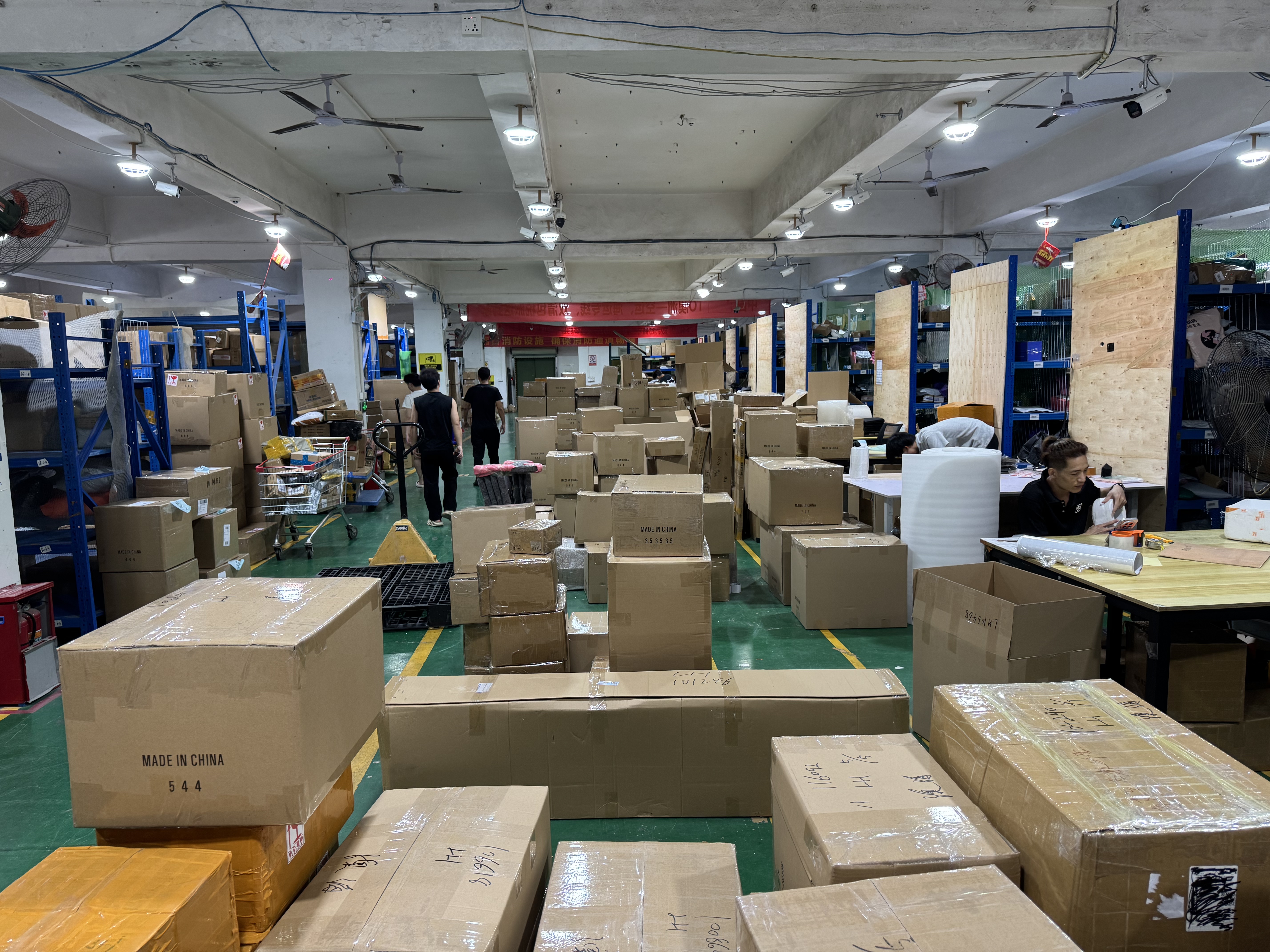
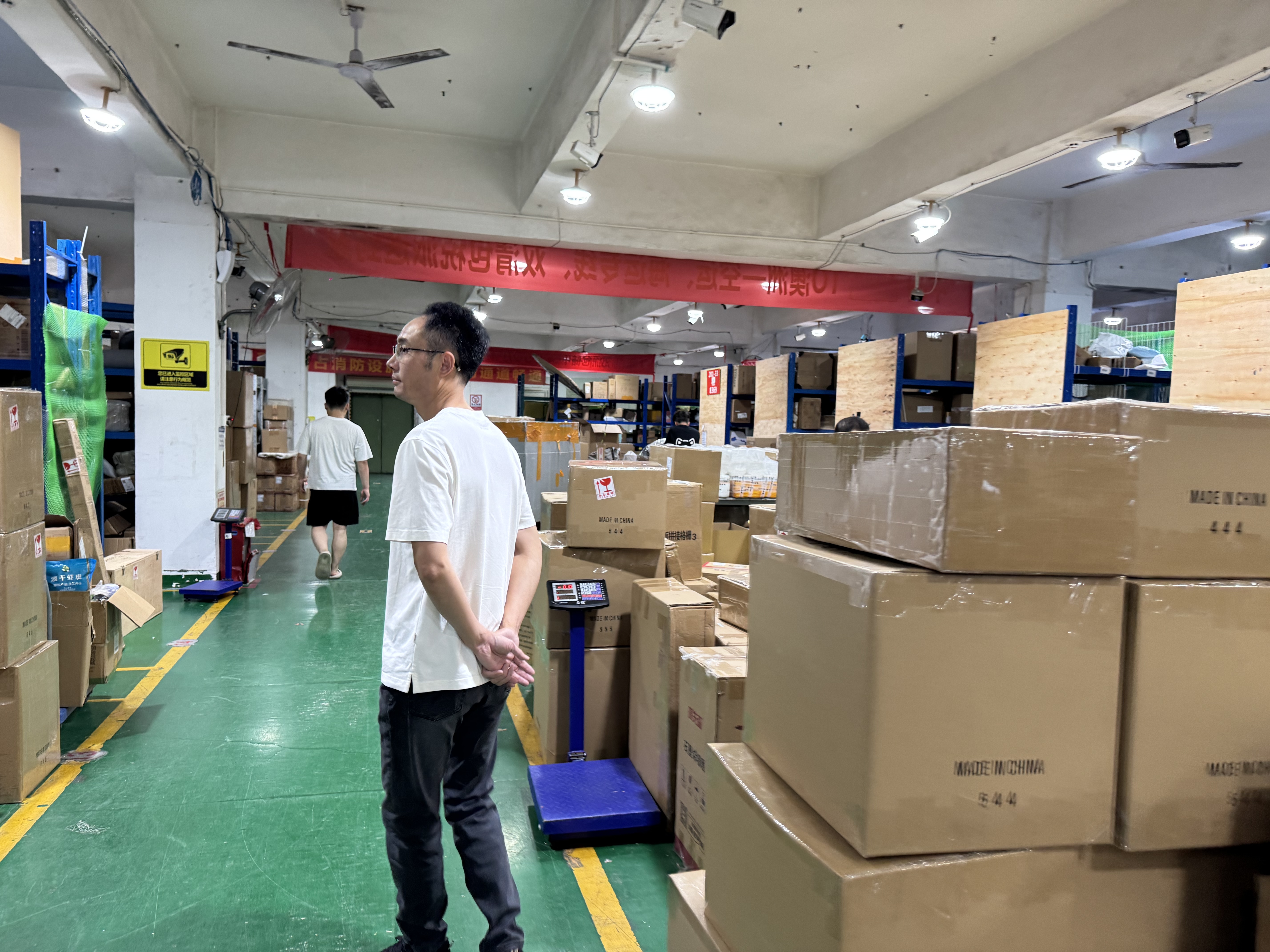
Industry Demand: Different industries also have varying demands for ocean freight. The manufacturing industry may need a large amount of raw materials, and the agriculture sector may need to export large quantities of products. In 2026, if the Canadian manufacturing industry is expanding, ocean freight companies will see an increase in demand for transporting raw materials like steel and plastics.
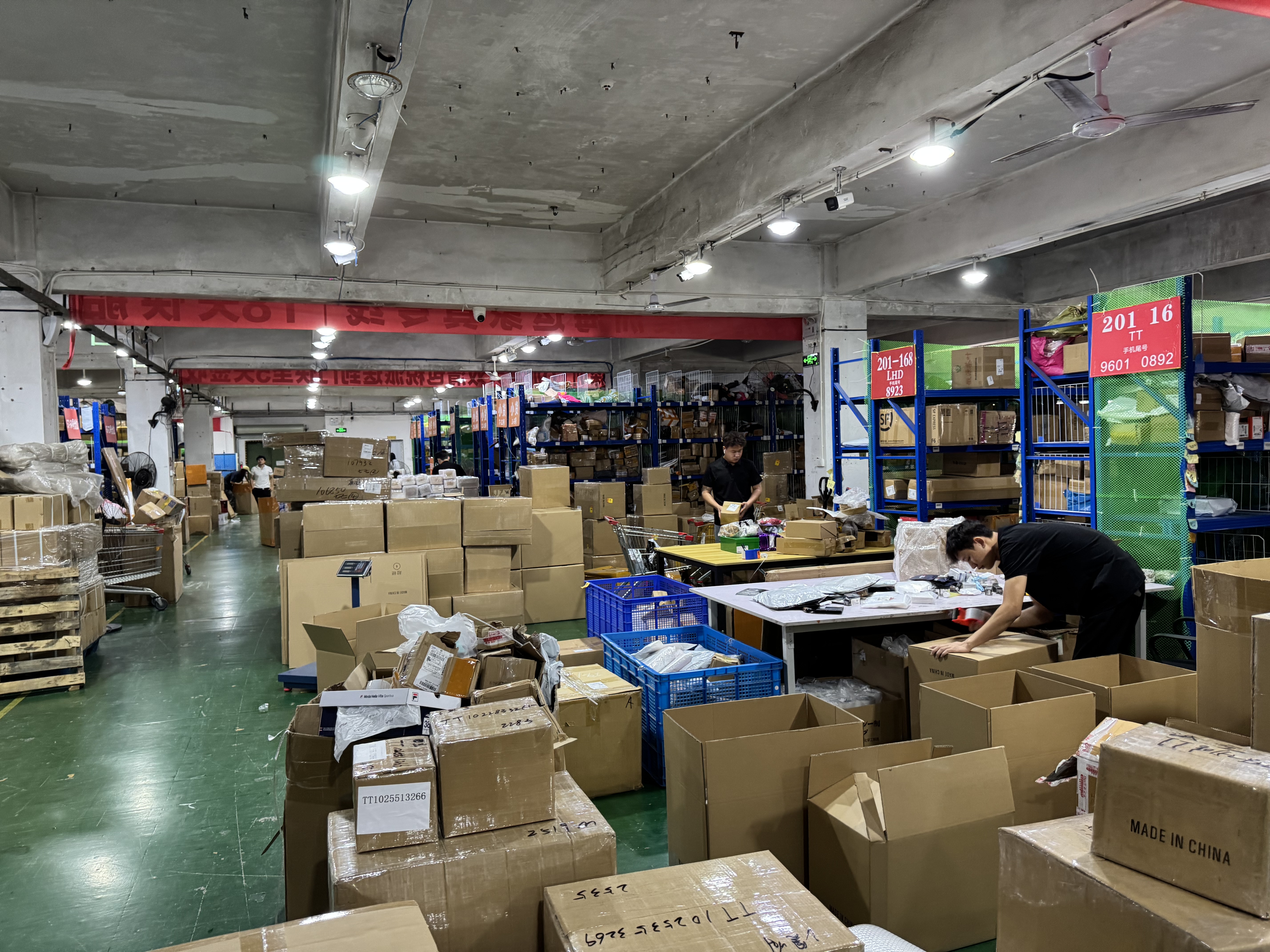
FAQ: Q: How can I ensure my goods are shipped on time during peak demand seasons in 2026? A: During high - demand periods in 2026, Shengda International Logistics has got you covered. We have well - established shipping schedules and a vast network of carriers. We also use advanced scheduling algorithms to manage our shipping resources efficiently. Our long - standing relationships with carriers allow us to secure priority space for your cargo, ensuring timely deliveries.
III. Technological Advancements
Automation: Automation in ports and on ships can improve the efficiency of ocean freight operations. In 2026, more Canadian ports may adopt automated container handling systems, reducing the time required for loading and unloading. For example, the Port of Rotterdam in the Netherlands has already seen a 30% increase in efficiency after implementing automation. Canadian ocean freight companies can benefit from these technological advancements by partnering with advanced ports.
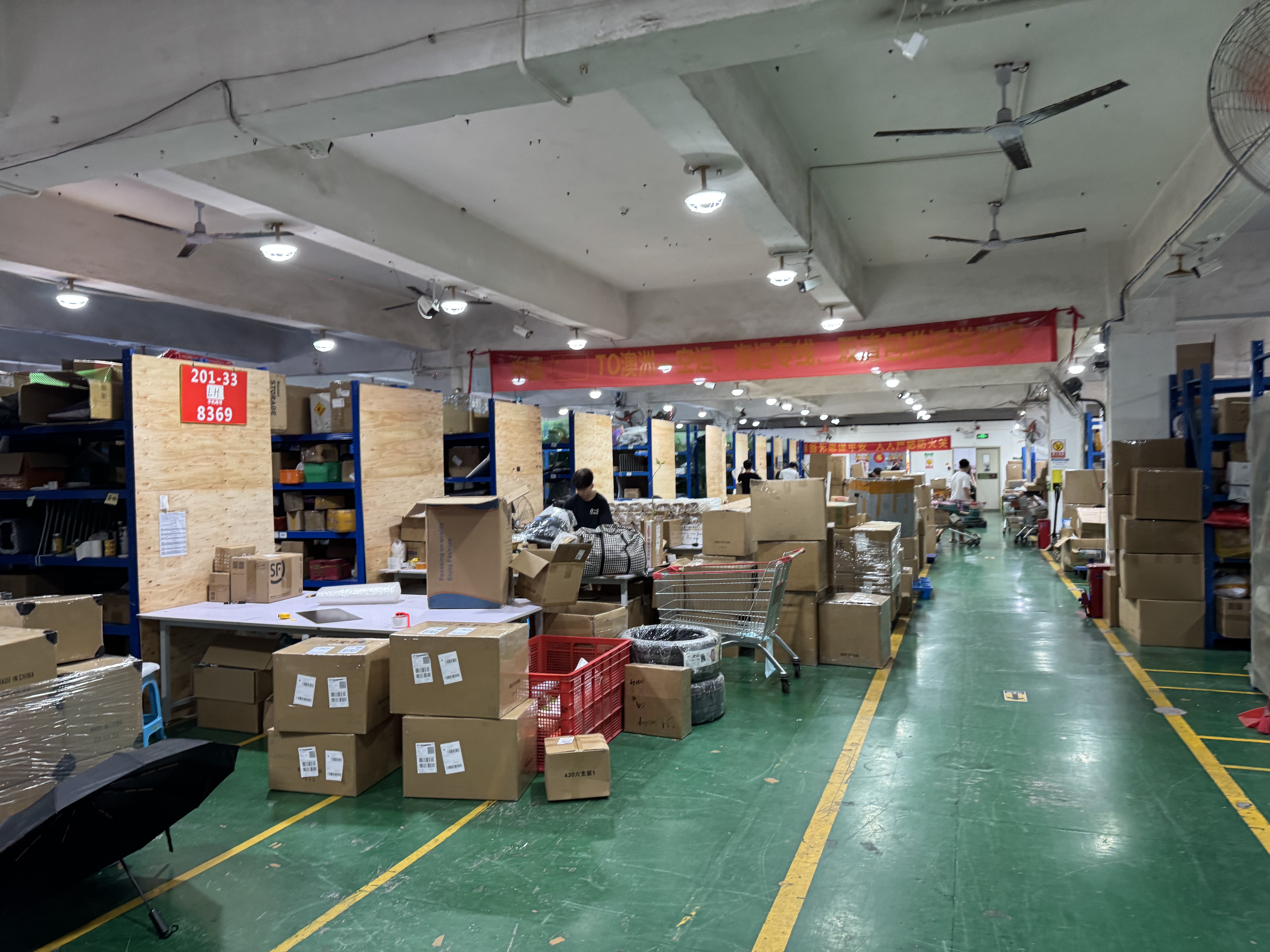
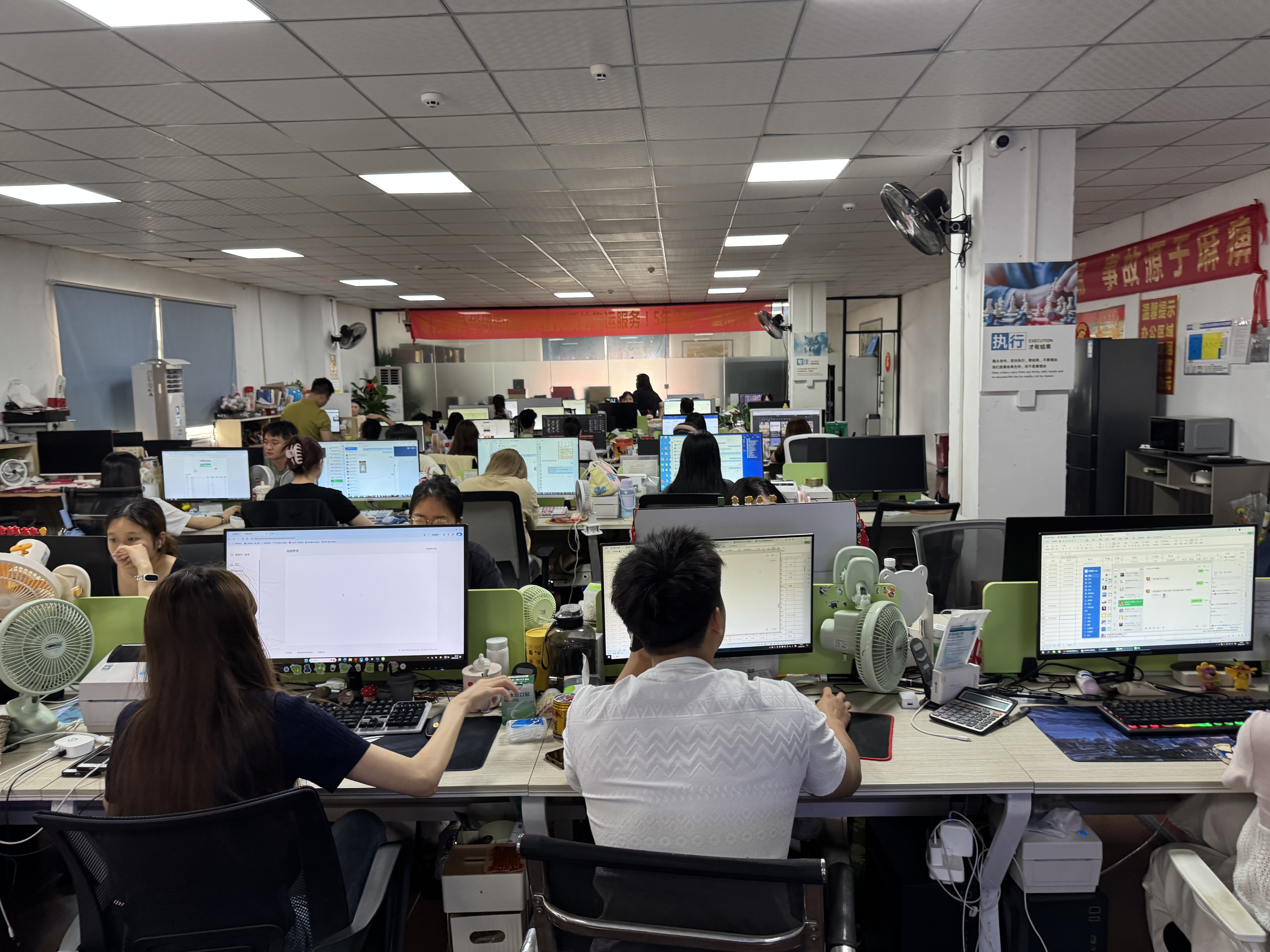
Digitalization: Digitalization of the supply chain can provide real - time visibility of cargo. Ocean freight companies can use digital platforms to track shipments, manage inventory, and communicate with customers. For instance, Shengda International Logistics uses its self - developed intelligent freight system, which allows customers to track their shipments from the moment they leave the warehouse until they reach the destination.
FAQ: Q: How does digitalization help in the shipping process in 2026? A: Digitalization is a game - changer in 2026. At Shengda International Logistics, our digital platform gives you real - time visibility of your cargo. You can track your shipment's location, see its estimated arrival time, and manage your inventory more effectively. Our system also simplifies communication. If there are any issues during transit, we can quickly inform you and take appropriate actions, ensuring a smooth shipping process.
IV. Environmental Regulations
Emission Standards: In 2026, stricter emission standards will be imposed on ocean - going vessels. Canadian ocean freight companies will need to upgrade their fleets to meet these standards or face fines. For example, the International Maritime Organization (IMO) has set new sulfur emission limits, which require ships to use low - sulfur fuels. This may increase the operating costs of ocean freight companies, but it can also promote the development of more environmentally friendly shipping technologies.
FAQ: Q: How can my company meet the environmental regulations in 2026 without breaking the bank? A: Meeting environmental rules in 2026 doesn't have to empty your wallet. Shengda International Logistics is at the forefront of sustainable shipping. We work with carriers that are investing in eco - friendly technologies. By consolidating shipments and optimizing routes, we can reduce fuel consumption and emissions. Our long - term partnerships with carriers also allow us to negotiate better rates for more sustainable shipping options, helping you save costs while being environmentally responsible.
V. Competition in the Market
Domestic Competition: In the Canadian ocean freight market, there is intense competition among different companies. In 2026, companies will need to differentiate themselves through better service, lower prices, or more efficient operations. For example, companies that can offer faster transit times or more reliable delivery services will attract more customers.International Competition: Canadian ocean freight companies also face competition from international players. Companies from other countries may have more advanced technologies or larger fleets, which can pose a challenge to Canadian companies. However, Canadian companies can leverage their knowledge of the local market and their relationships with local customers to compete effectively.
FAQ: Q: How does Shengda International Logistics stand out from the competition in 2026? A: In 2026's cut - throat market, Shengda International Logistics has several aces up our sleeve. We've honed our skills in the China - Canada and other key cross - border lanes, deeply understanding local policies and customer needs. Our all - in - one service means you don't have to deal with multiple parties. We offer a transparent pricing model, so there are no hidden costs. Plus, our self - developed logistics system provides real - time tracking, ensuring you're always in the loop. Our long - standing market presence and a large base of satisfied customers also speak for our reliability and quality of service.
Conclusion
In 2026, Canadian ocean freight companies will face a variety of scenarios that can bring both challenges and opportunities. By closely monitoring trade policies, adapting to market demand fluctuations, embracing technological advancements, complying with environmental regulations, and competing effectively in the market, these companies can ensure their sustainable development and continue to play an important role in international trade. And by choosing a reliable partner like Shengda International Logistics, companies can better navigate through these complex scenarios and achieve better shipping results.
