

How Will China-to-Canada Container Shipping Fare in Different Scenarios in 2026?
In the world of international logistics, container shipping between China and Canada has always been a crucial part, affecting numerous businesses and consumers. As we look ahead to 2026, various scenarios could unfold, each with its own impact on China - to - Canada container shipping.
I. Impact of Economic Growth Scenarios
Robust Economic Growth in Both Nations If both China and Canada experience strong economic growth in 2026, container shipping volume is likely to soar. For instance, a growing Canadian economy may increase its demand for Chinese consumer goods, like electronics and clothing. In 2019 (before the pandemic), China exported about $54.4 billion worth of goods to Canada, and a similar economic boom in 2026 could push this figure even higher.On the Chinese side, a prosperous economy would mean more production and export capabilities. Chinese manufacturers would be eager to ship their products to the Canadian market, leading to a significant increase in container bookings.
From my experience in the logistics industry, this kind of growth would also lead to more competition among shipping lines, potentially driving down prices in the short - term as they try to capture market share.
FAQ: Q: How can I benefit from the increased shipping volume during economic growth? A: As a business, you can negotiate better rates with shipping companies due to the increased competition. Also, you can plan ahead and secure more container space in advance. At盛达国际物流, we have a wide network of shipping partners, which allows us to get you competitive rates even during peak demand.
Economic Slowdown In case of an economic slowdown in either country or both, container shipping will face challenges. For example, a slowdown in Canada may lead to reduced consumer spending, which means less demand for Chinese imports. This could result in a decrease in the number of containers shipped.
Shipping companies may have to cut back on routes or increase prices to maintain profitability. In the past, during economic recessions, some shipping lines reduced their fleet size or merged to cut costs.
As a logistics professional, I believe that in such a scenario, businesses need to be more strategic in their shipping decisions. They may need to look for alternative routes or shipping methods to reduce costs.
FAQ: Q: What if the shipping volume drops? Will my shipping costs increase? A: It's possible that some shipping lines may increase prices to maintain profitability. However, at盛达国际物流, we have the advantage of our long - term partnerships with shipping companies. Even in a low - volume scenario, we can often negotiate stable rates for our clients.
II. Policy and Regulatory Scenarios
Favorable Trade Policies In 2026, if there are favorable trade policies between China and Canada, such as reduced tariffs or simplified customs procedures, container shipping will thrive. For example, a reduction in tariffs on Chinese - made furniture would lead to an increase in the export of these items to Canada.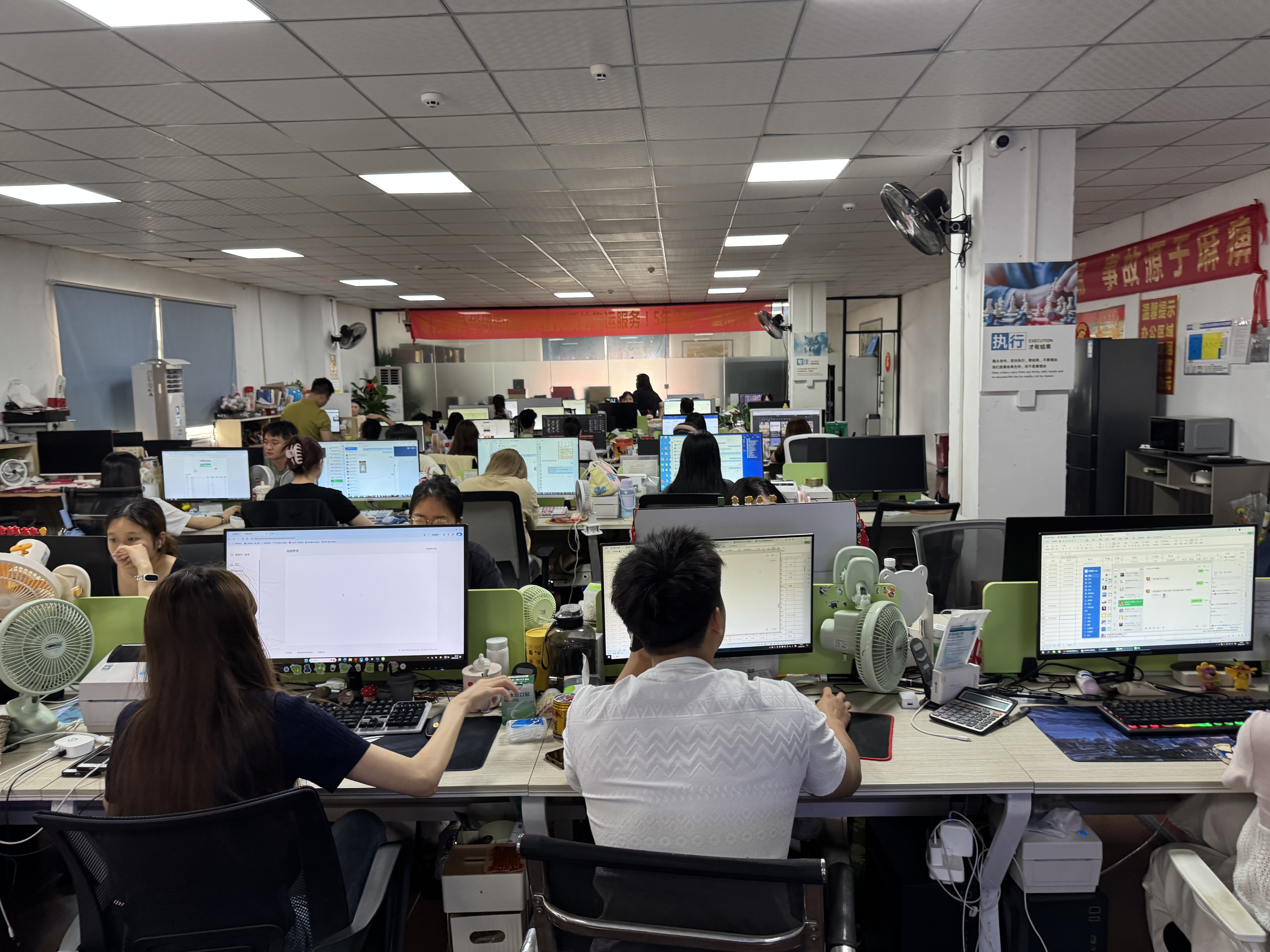
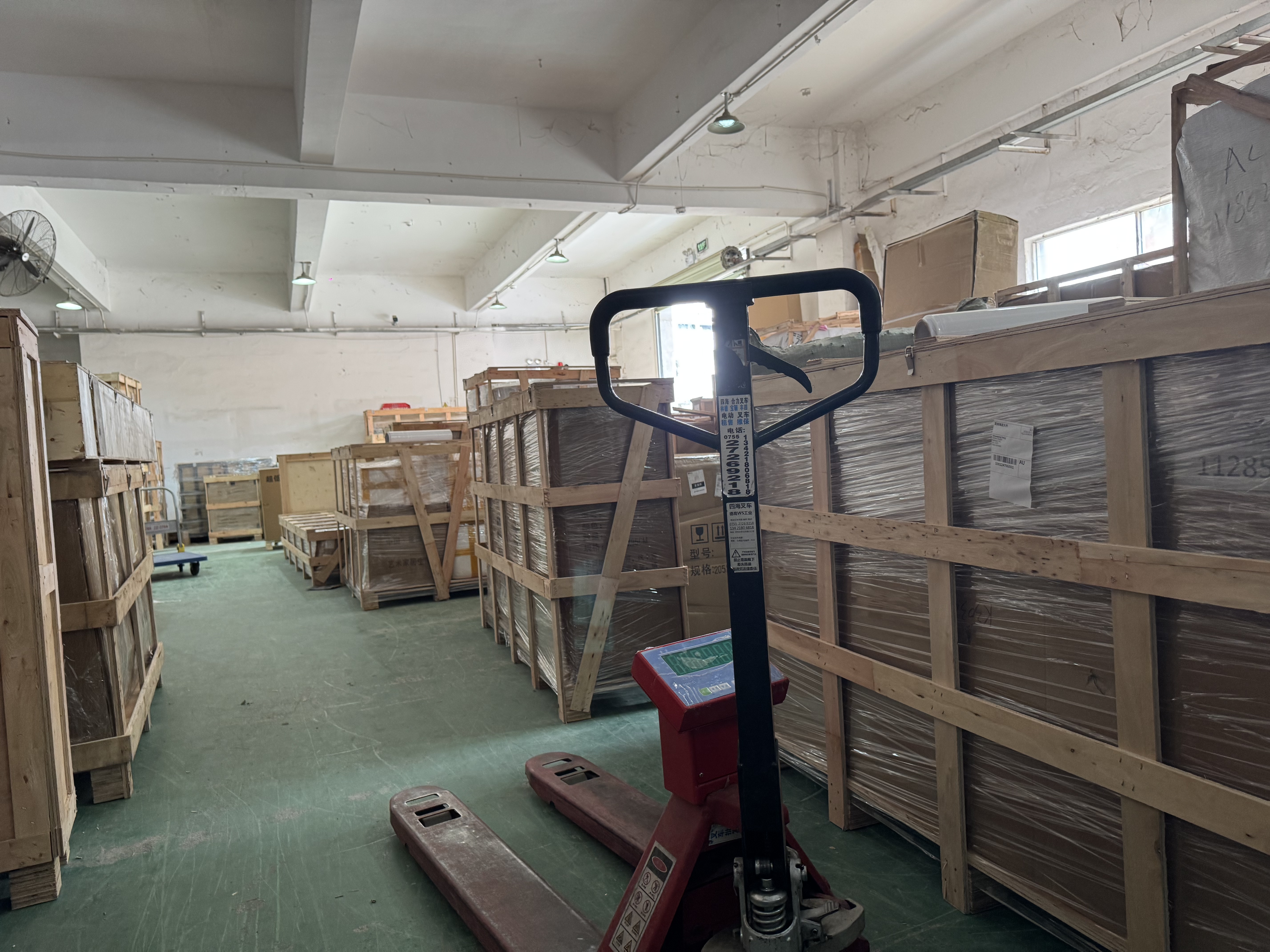
Favorable policies would also encourage more small and medium - sized enterprises to enter the cross - border trade market, further boosting container shipping.
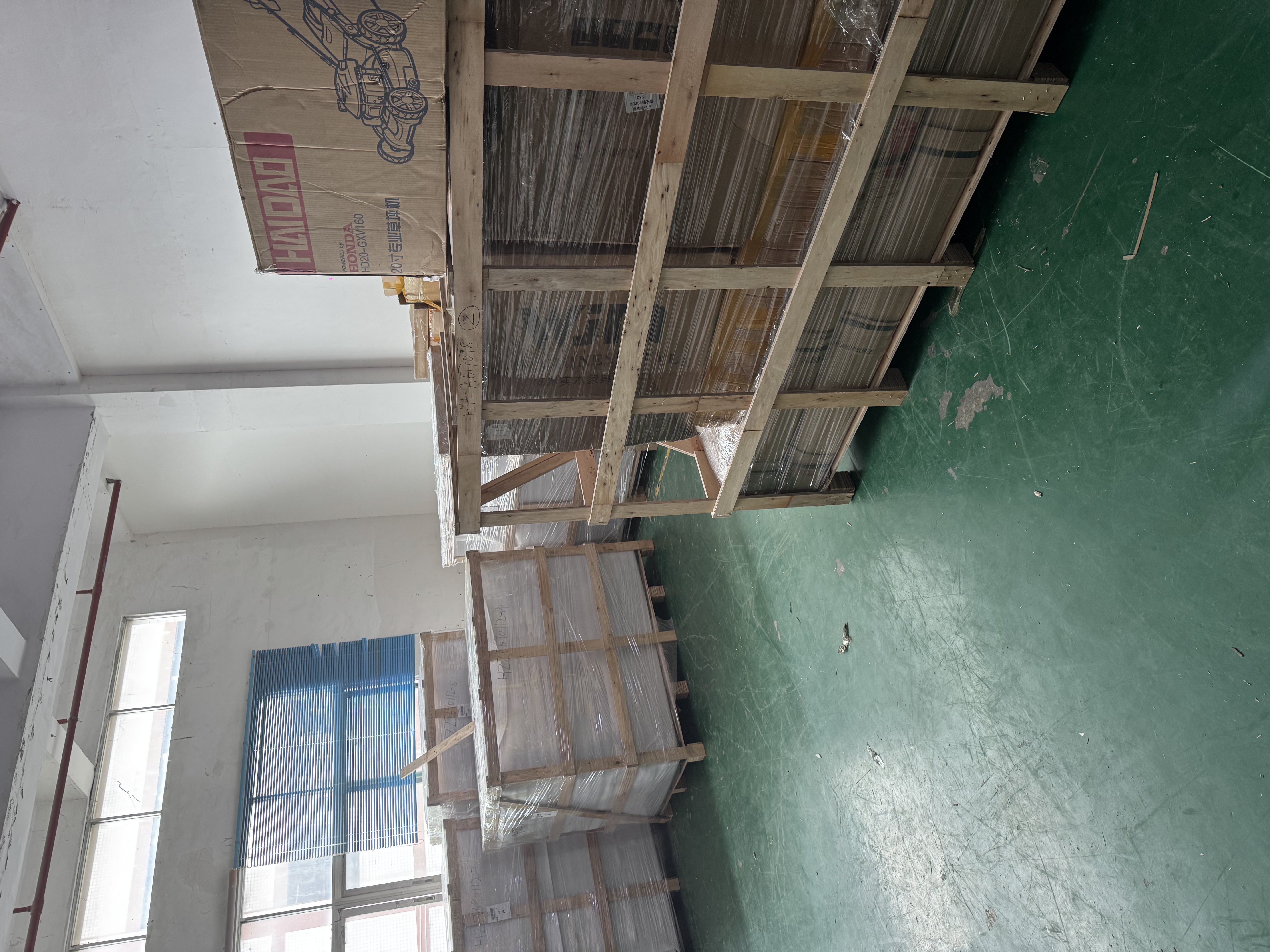
FAQ: Q: How do I take advantage of favorable trade policies? A: You need to stay informed about the latest policy changes. At盛达国际物流, we have a professional team that monitors trade policies closely. We can help you adjust your shipping strategy according to these policies to make the most of the situation.
More Stringent Regulations On the other hand, more stringent regulations, such as stricter environmental regulations on shipping vessels or more complex customs inspections, could pose challenges to container shipping. For example, new emissions standards for ships may require shipping companies to upgrade their fleets, which could increase costs.
Stricter customs inspections may lead to longer shipping times and potential delays. In some cases, shipments may be held up for days or even weeks, causing disruptions to supply chains.
In my opinion, businesses need to be more prepared in terms of documentation and compliance. They may also need to consider alternative shipping routes that are less affected by these regulations.
FAQ: Q: How can I deal with stricter regulations? A: We at盛达国际物流 have in - depth knowledge of international regulations. We can help you ensure that your shipments are fully compliant, from proper documentation to choosing the right shipping methods. Our experienced team will guide you through the entire process to minimize the impact of these regulations.
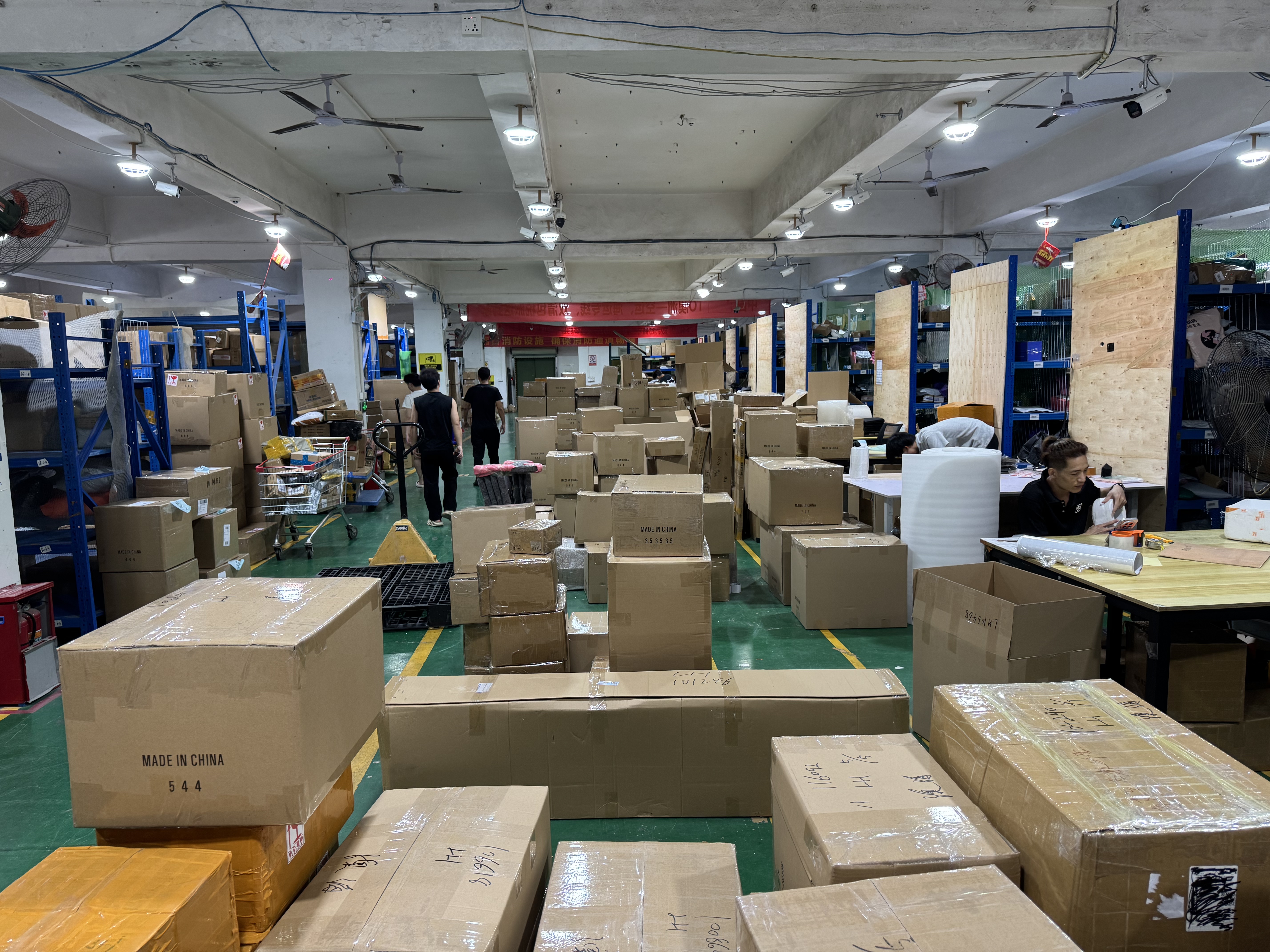
III. Technological Advancements Scenarios
Adoption of New Technologies If there are significant technological advancements in 2026, container shipping between China and Canada could be transformed. For example, the use of blockchain technology in supply chain management can improve transparency and traceability. With blockchain, shippers can track the movement of containers in real - time, reducing the risk of fraud and errors.Smart containers equipped with sensors can monitor temperature, humidity, and location, ensuring the safety of goods during transit. This is especially important for high - value or sensitive goods, such as pharmaceuticals or electronics.
From my perspective, these technological advancements will also increase the efficiency of shipping operations, reducing costs and improving customer satisfaction.
FAQ: Q: How does盛达国际物流 use new technologies in shipping? A: We are committed to leveraging the latest technologies. Our自研智能集运系统 uses advanced algorithms to optimize shipping routes and schedules. We also plan to integrate blockchain technology in the future to provide our clients with even more transparent and reliable shipping services.
Lack of Technological Progress Without significant technological progress, the container shipping industry may face inefficiencies. For example, manual documentation processes can lead to errors and delays. In the current situation, it can take hours to process a single shipment's paperwork, which could be reduced to minutes with digital documents.
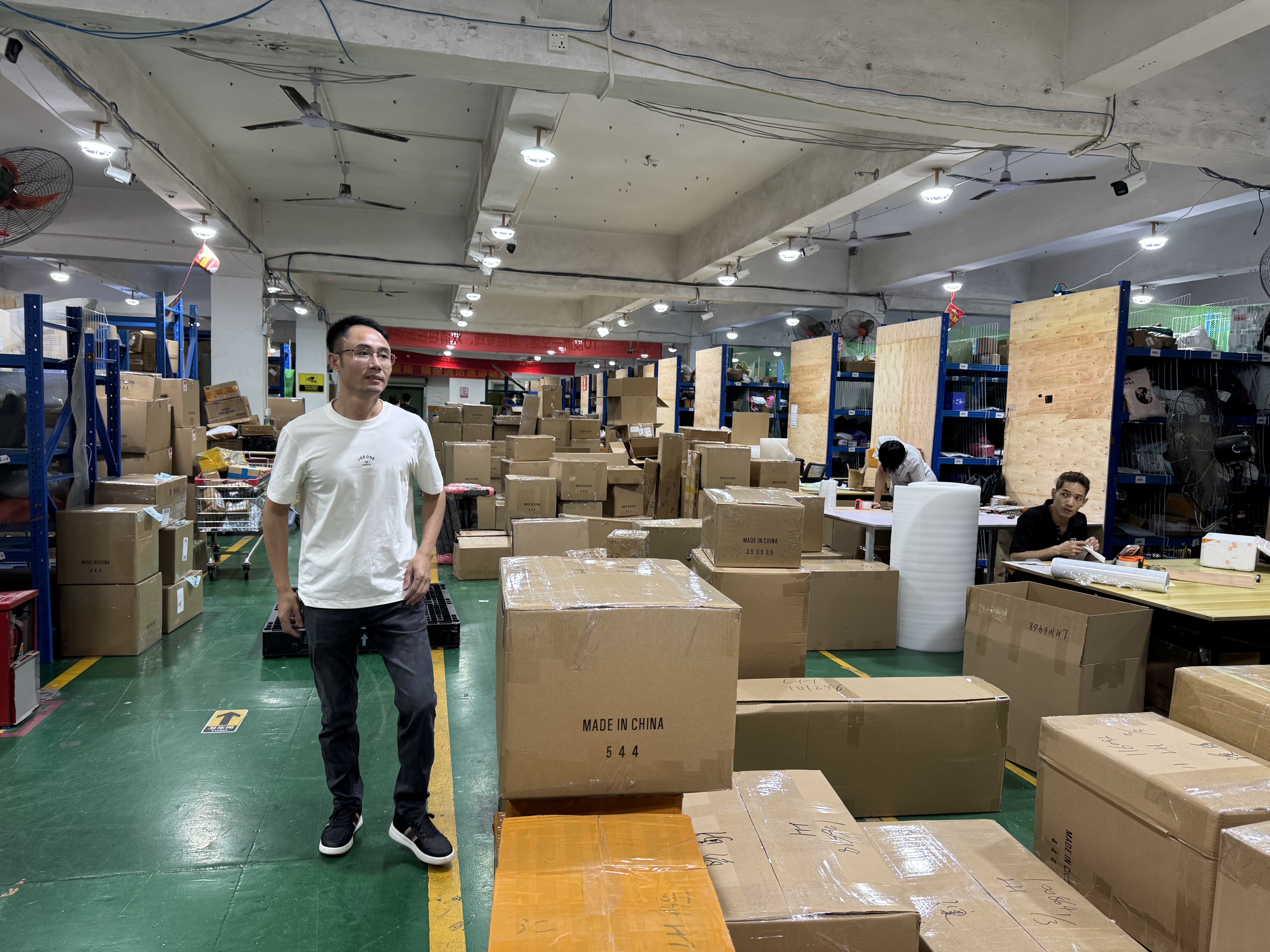
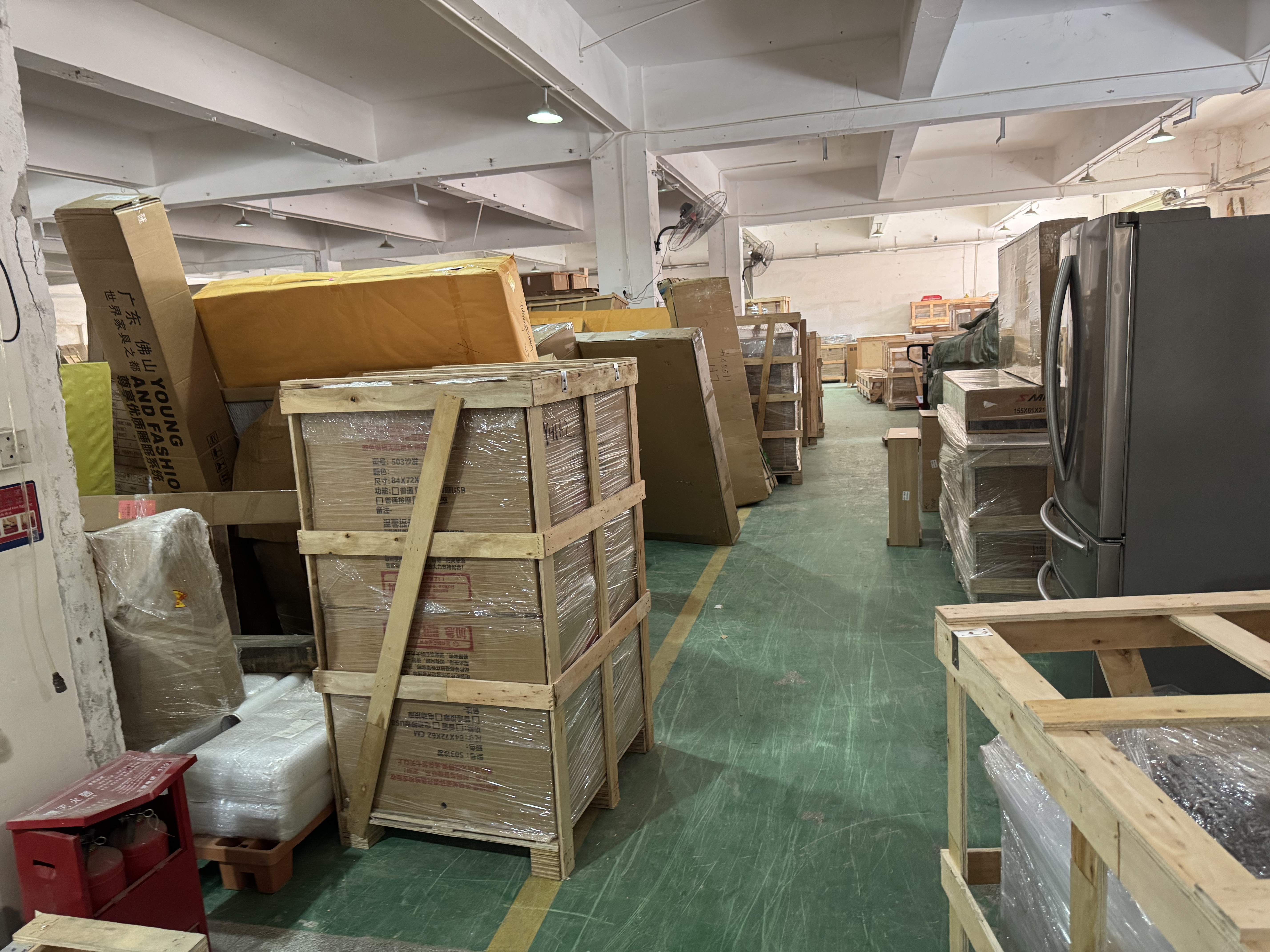
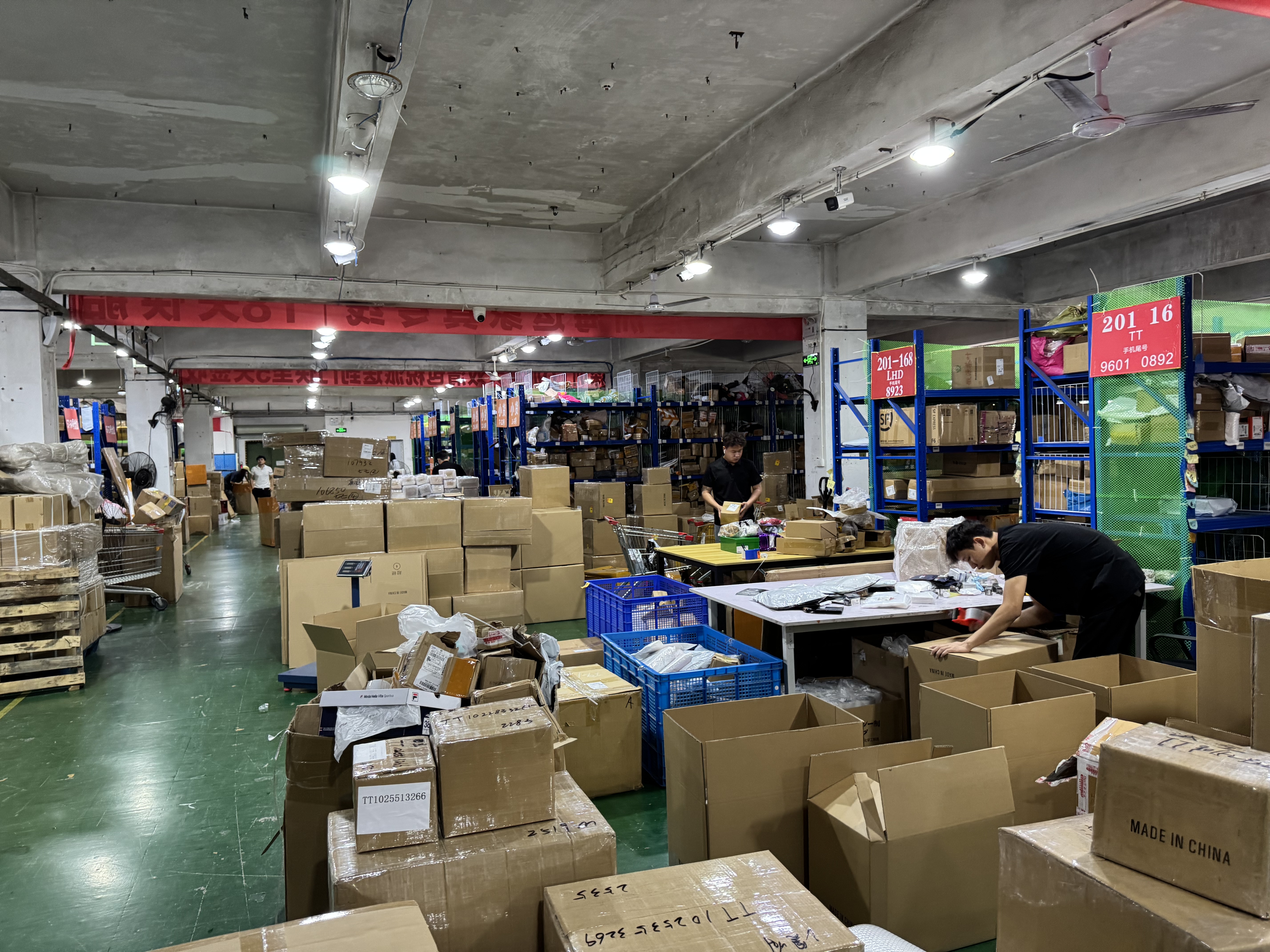
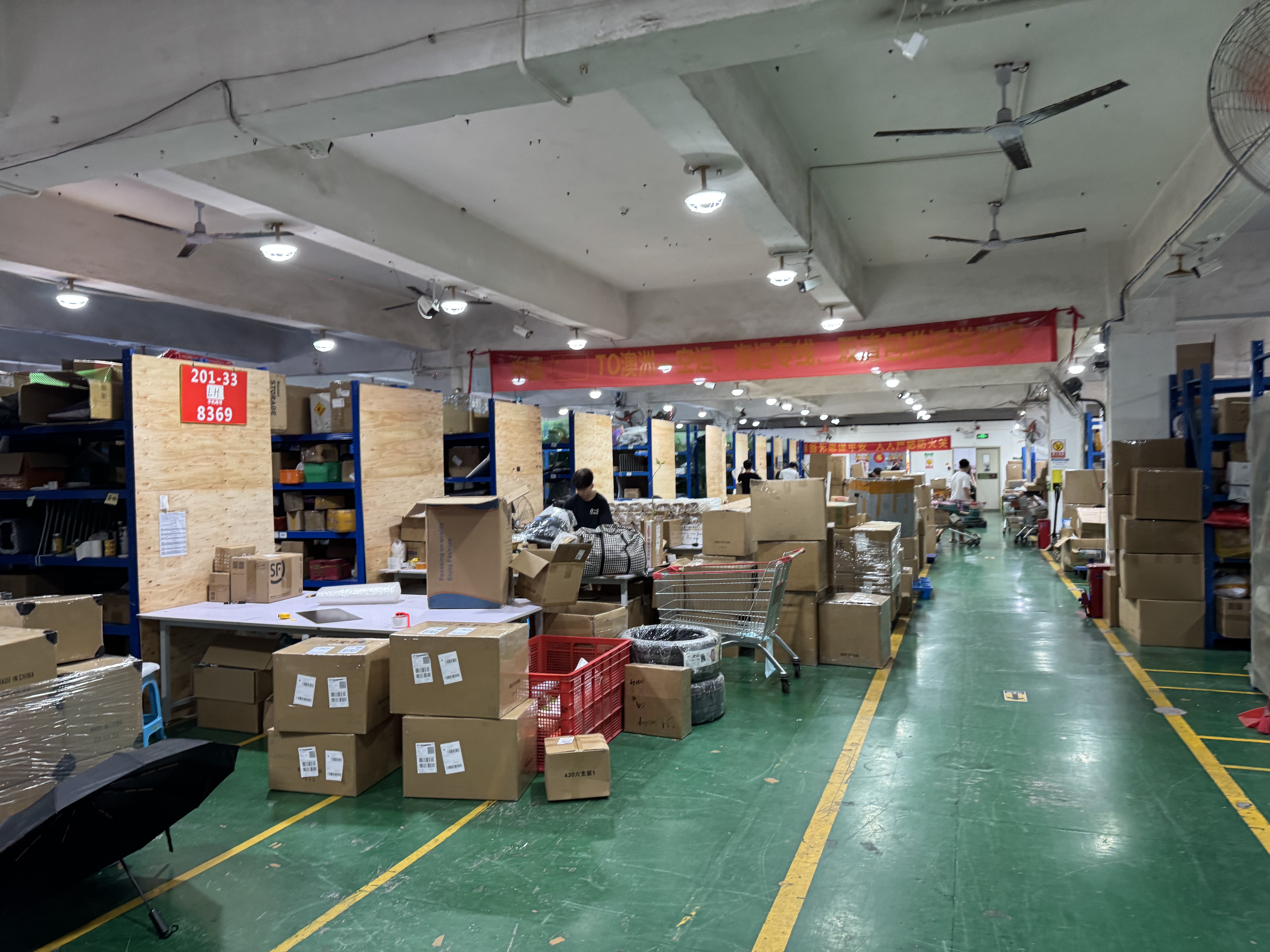
I think that in such a scenario, companies need to invest in basic technologies to at least maintain a certain level of efficiency.
FAQ: Q: What if there is no technological progress? Will shipping become more expensive? A: It's likely that inefficiencies due to lack of technology could lead to increased costs. However, at盛达国际物流, we are constantly looking for ways to optimize our processes. Even without major technological leaps, we can still offer cost - effective solutions through our experienced operations and strong partnerships.
IV. Environmental and Climate - Related Scenarios
Increasing Focus on Sustainability In 2026, if there is an increasing focus on sustainability, the container shipping industry will have to adapt. Shipping companies may be required to use more environmentally friendly fuels, such as liquefied natural gas (LNG). This could lead to a change in the shipping fleet composition.There may also be incentives for shippers to choose more sustainable shipping options. For example, some ports may offer lower fees for vessels with lower emissions.
As a logistics professional, I believe that this shift towards sustainability will also open up new opportunities for innovation in the industry.
FAQ: Q: How does盛达国际物流 contribute to sustainability? A: We are aware of the importance of sustainability. We work with shipping partners that are committed to reducing their environmental impact. We also encourage our clients to choose more sustainable shipping options and provide them with information on how to do so.
Extreme Weather Events Extreme weather events, such as typhoons or heavy snowstorms, can disrupt container shipping routes. For example, typhoons in the Pacific Ocean can force ships to change their routes or delay their arrivals. This can cause significant disruptions to supply chains.
In the past, a major typhoon in the South China Sea led to a 20% delay in container shipments to North America. In 2026, if extreme weather events become more frequent, shipping companies will need to be more prepared.
I think that businesses need to have contingency plans in place to deal with these unexpected disruptions.
FAQ: Q: How can I protect my shipments from extreme weather events? A: At盛达国际物流, we closely monitor weather conditions. We have a contingency plan in place for extreme weather situations. We may choose alternative routes or adjust shipping schedules to ensure the safety of your shipments.
In conclusion, the future of China - to - Canada container shipping in 2026 is subject to various scenarios. By understanding these scenarios and taking appropriate measures, businesses can better navigate the challenges and opportunities in the international logistics market. Whether it's economic growth, policy changes, technological advancements, or environmental factors, being prepared and having a reliable logistics partner like盛达国际物流 can make all the difference.
