

The decision to move back to one's home country is often a complex one, filled with considerations about logistics, costs, and the overall process. For Canadian Chinese looking to move back to China in 2026, sea freight will be a major part of the equation. Let's take a closer look at what might be different in 2026 and how it could impact this journey.
I. Policy Changes
1. Customs and Tariffs
In 2026, there could be significant changes in the customs and tariff policies between China and Canada. Currently, when moving goods from Canada to China, certain items may be subject to high tariffs, especially luxury goods and electronics. However, with the continuous development of bilateral economic relations, there might be some preferential policies. For example, if the two countries reach a new trade agreement, some daily - used household items and personal belongings could have lower or even zero tariffs.
According to historical data, in the past decade, trade agreements between countries have often led to a 10% - 20% reduction in tariffs for certain goods categories. This would be a huge benefit for Canadian Chinese moving back, as they could save a substantial amount of money on shipping their belongings.
2. Shipping Regulations
The shipping regulations are also likely to be updated. In 2026, there may be stricter environmental regulations for shipping vessels. This could lead to a change in the types of ships available for transporting goods from Canada to China. Some older, less environmentally - friendly ships may be phased out, and new, more efficient ships may take their place.
For example, ships using cleaner fuels or having more advanced waste - treatment systems may become the norm. This change could potentially affect the shipping time and cost. Newer ships may be faster, reducing the overall shipping time from the current average of 30 - 40 days to perhaps 25 - 35 days.
II. Technological Advancements
1. Tracking and Monitoring
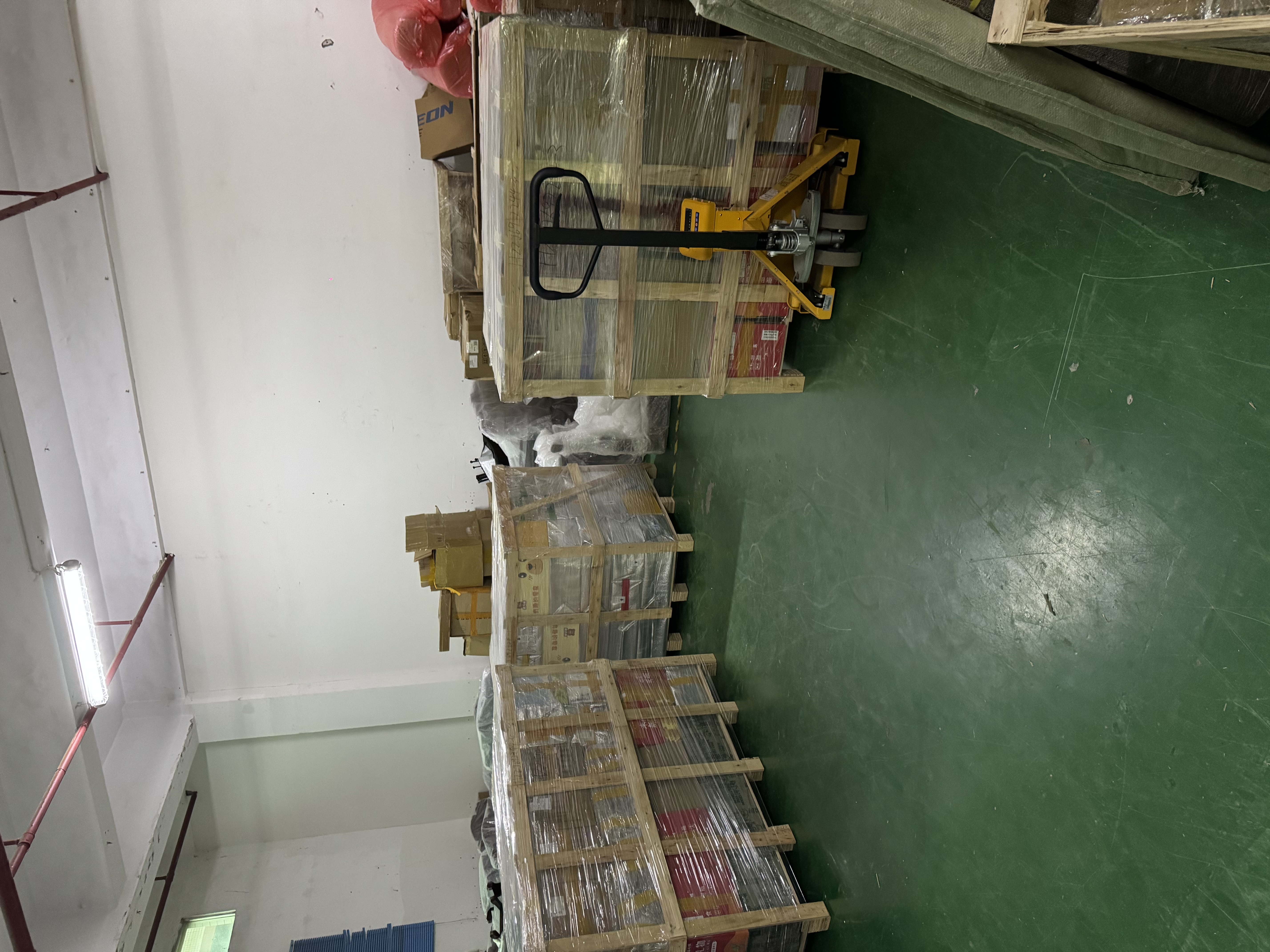
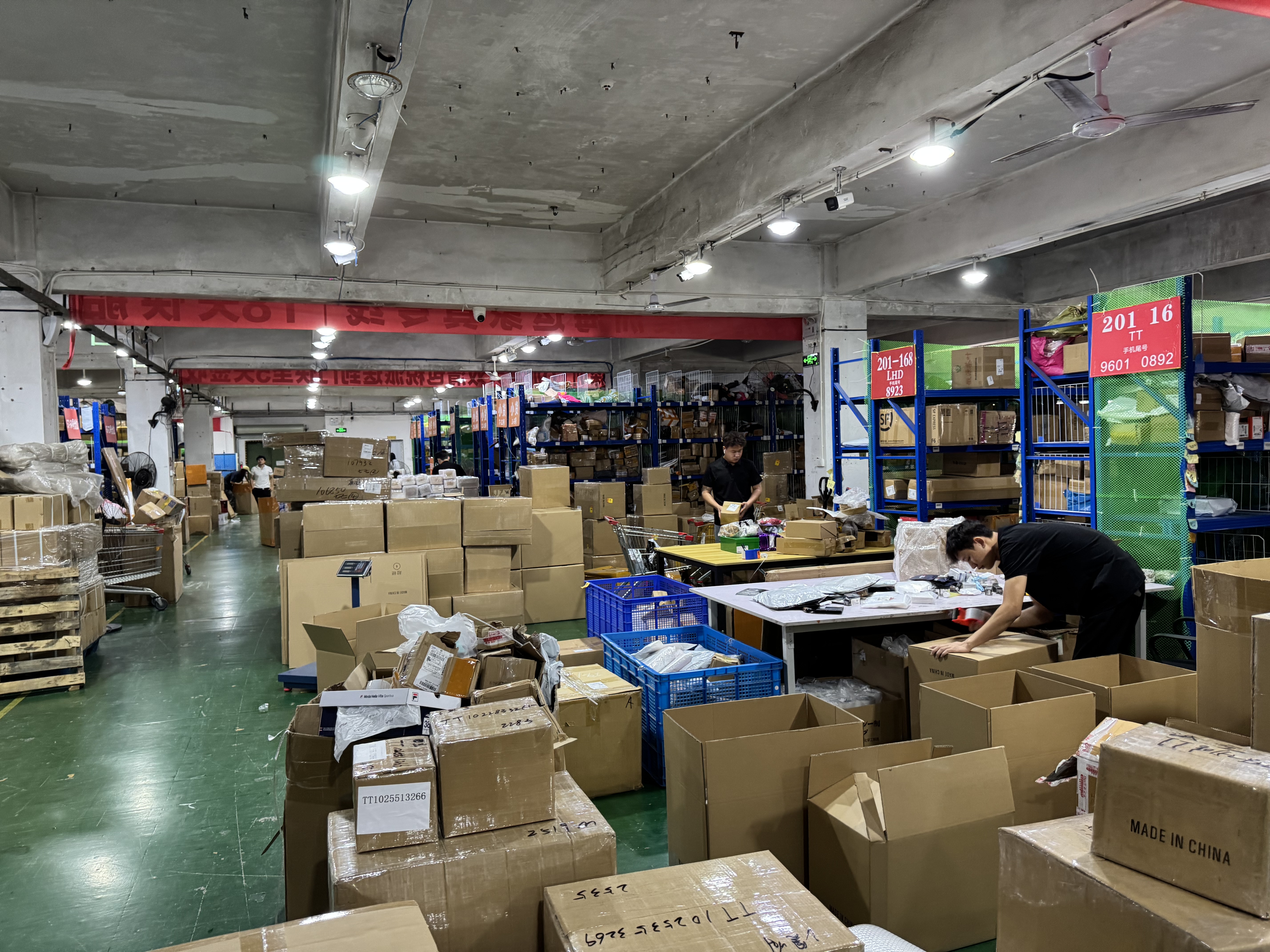
By 2026, the technology for tracking and monitoring sea freight will likely have advanced significantly. Currently, while most shipping companies offer some form of tracking, it may not be real - time or as detailed as one would like. In the future, with the development of Internet of Things (IoT) technology, every container could be equipped with sensors that provide real - time information on its location, temperature, humidity, and even the state of the goods inside.
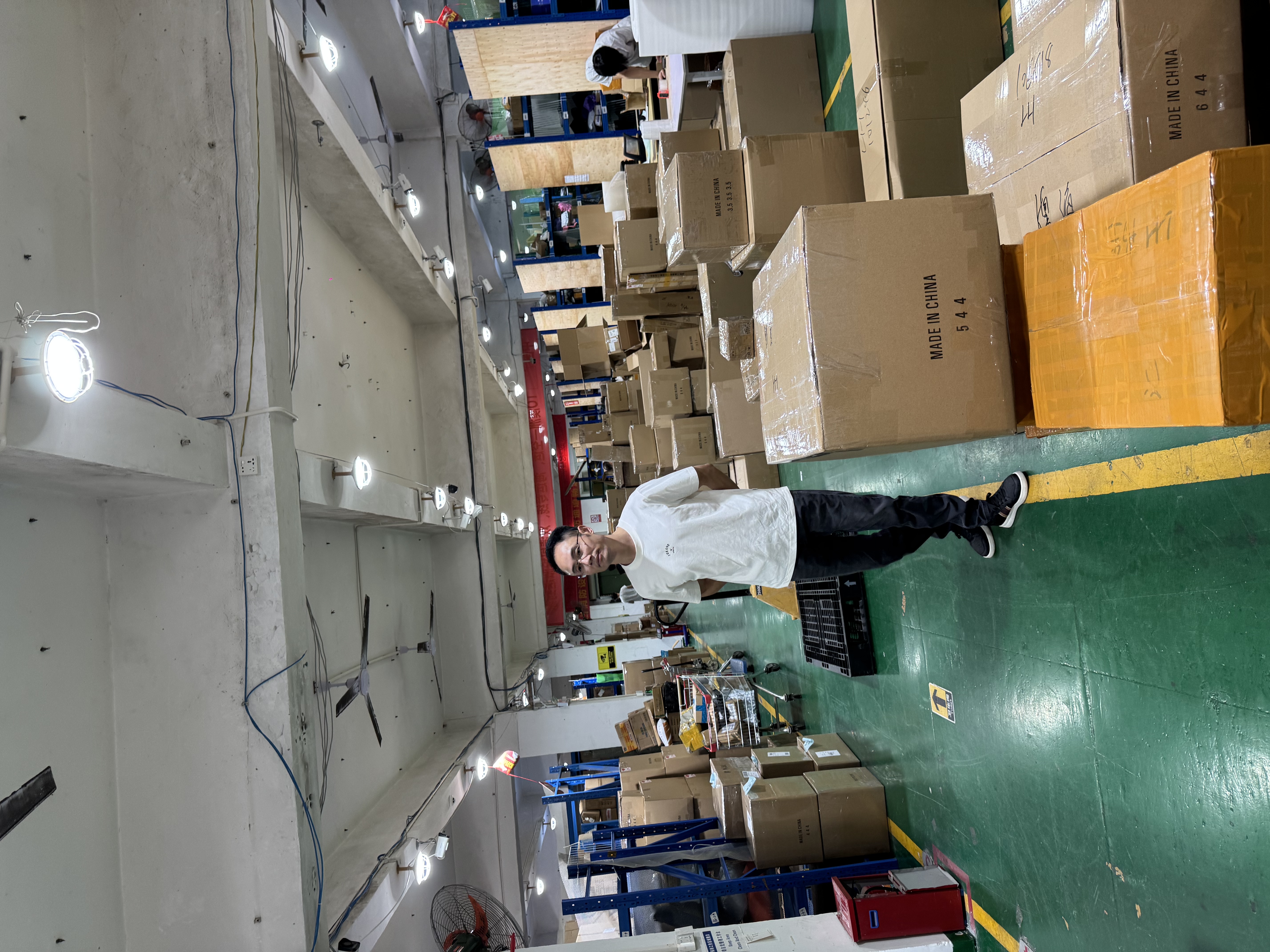
For Canadian Chinese moving their belongings back to China, this means they can have full control and visibility over their shipment. They can know exactly when their container leaves the Canadian port, its position on the ocean, and when it will arrive at the Chinese port. This helps in better planning for their arrival in China and organizing the receiving of their goods.
2. Packaging and Cargo - Handling
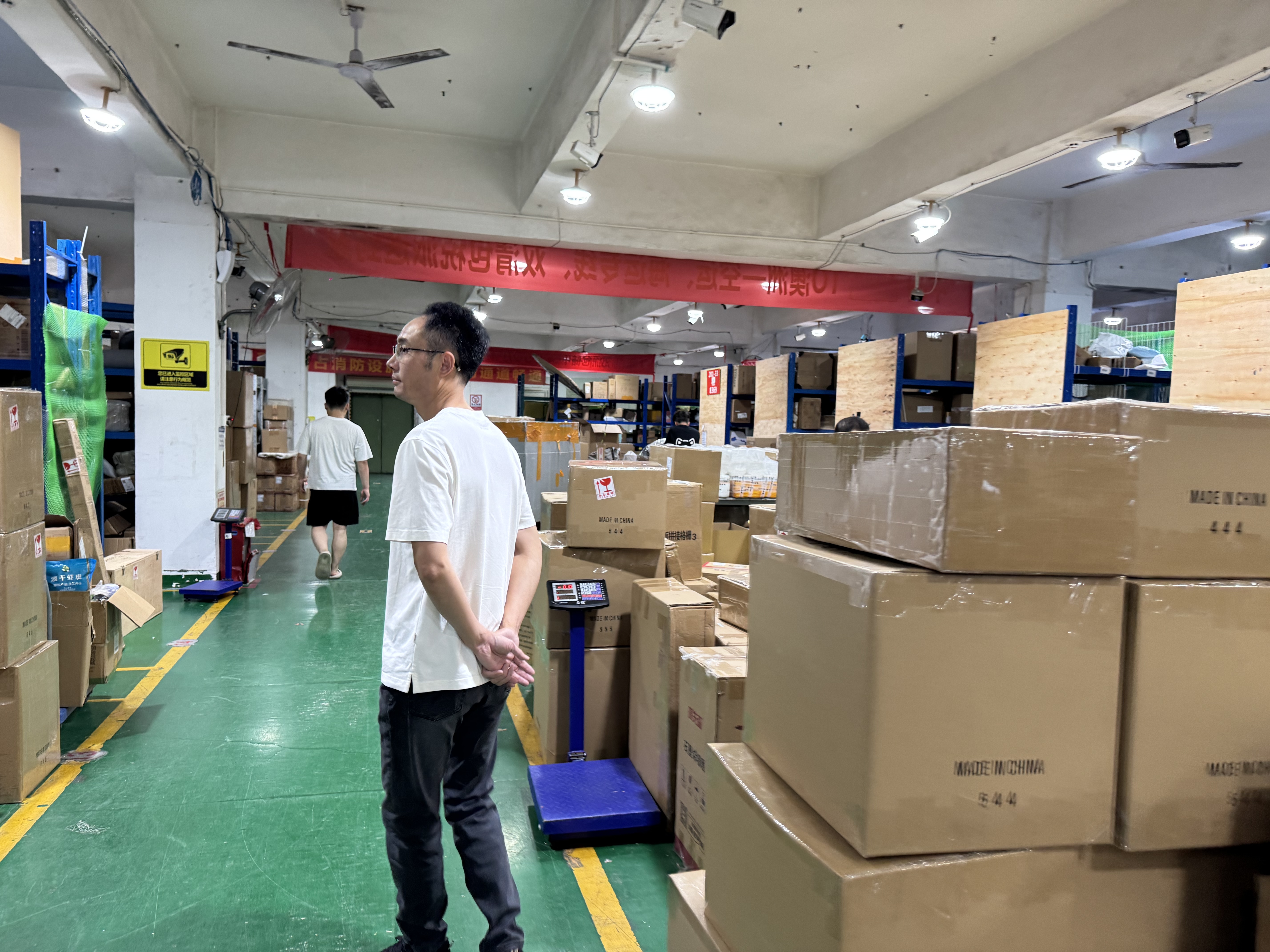
Technological advancements will also impact packaging and cargo - handling. New materials may be developed that are more lightweight, durable, and environmentally friendly. For example, biodegradable packaging materials could replace some of the traditional plastic and foam packaging.
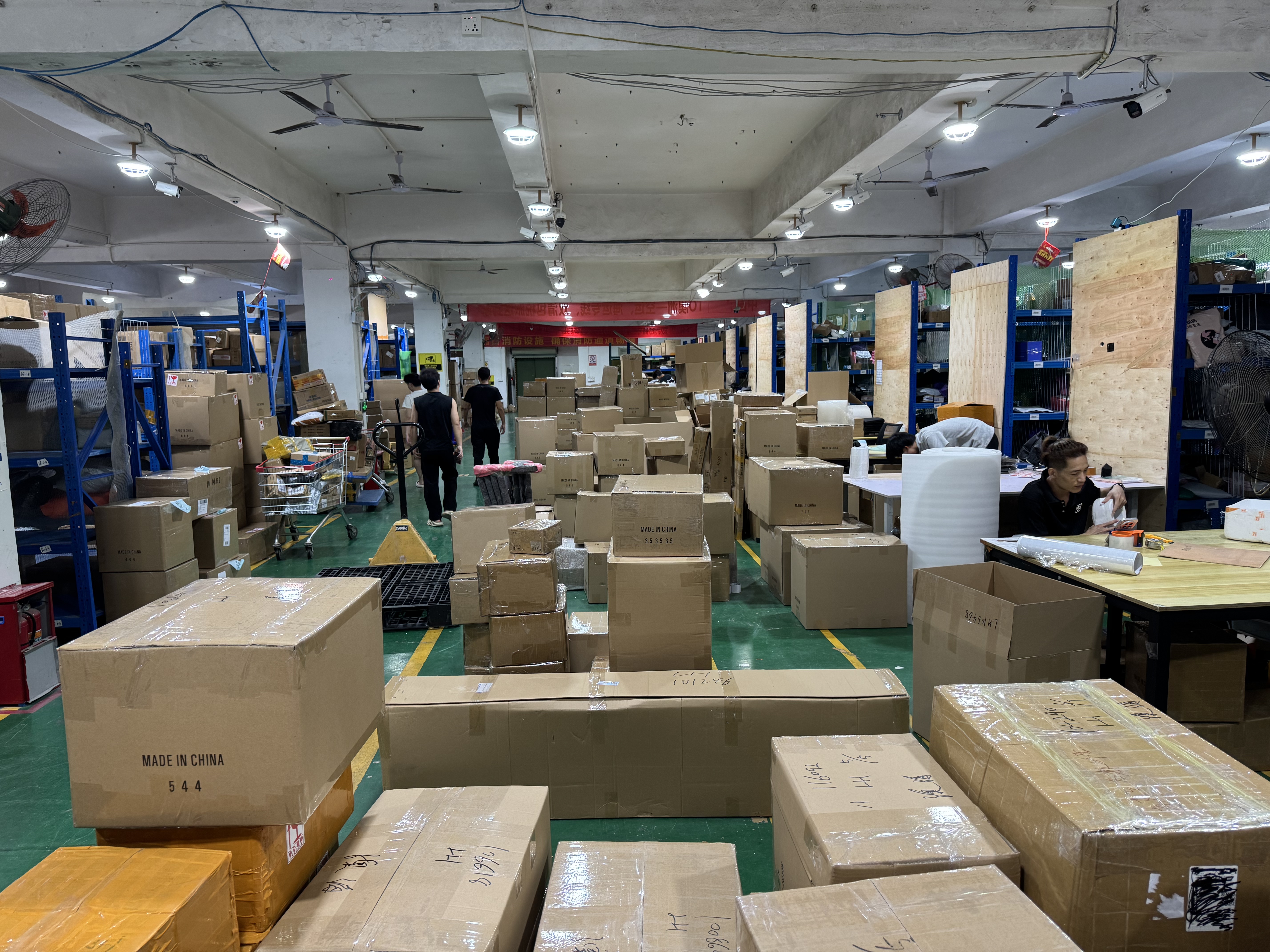
In terms of cargo - handling, automated systems are likely to become more prevalent in ports. This means that the loading and unloading of containers will be faster and more efficient. Currently, it can take a few days to load and unload a large container ship. In 2026, with automated cranes and conveyor systems, this time could be reduced by half.
III. Market Competition
1. Shipping Companies
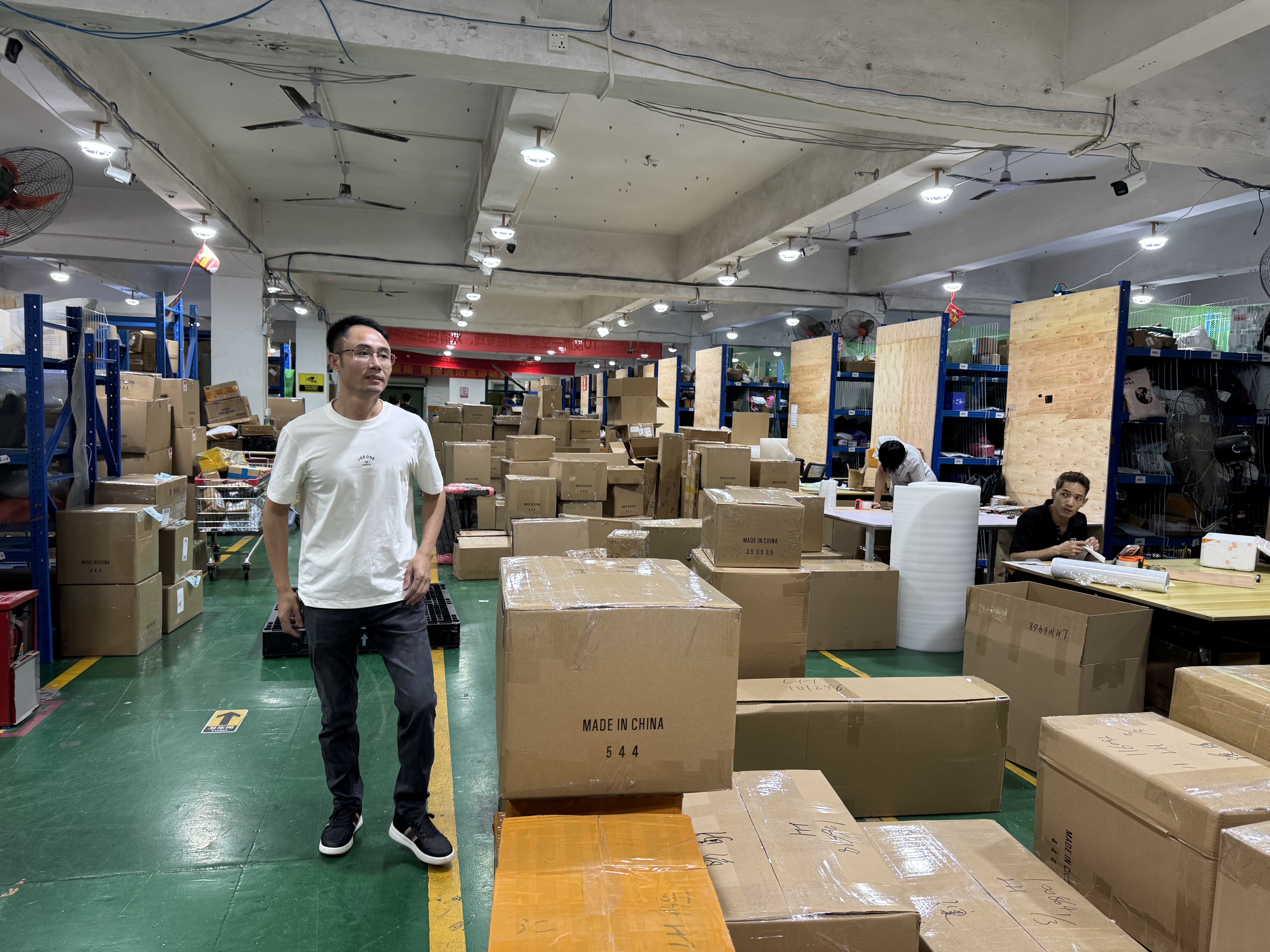
The sea freight market is highly competitive, and this competition is likely to intensify in 2026. More shipping companies may enter the China - Canada route, offering a wider range of services and more competitive prices.
For example, currently, some well - established shipping companies like Maersk and CMA CGM dominate the market. However, new players may emerge, especially those focusing on niche markets such as small - scale personal shipments. This increased competition could lead to better deals for Canadian Chinese moving back to China, with lower shipping costs and more personalized services.
2. Logistics Providers
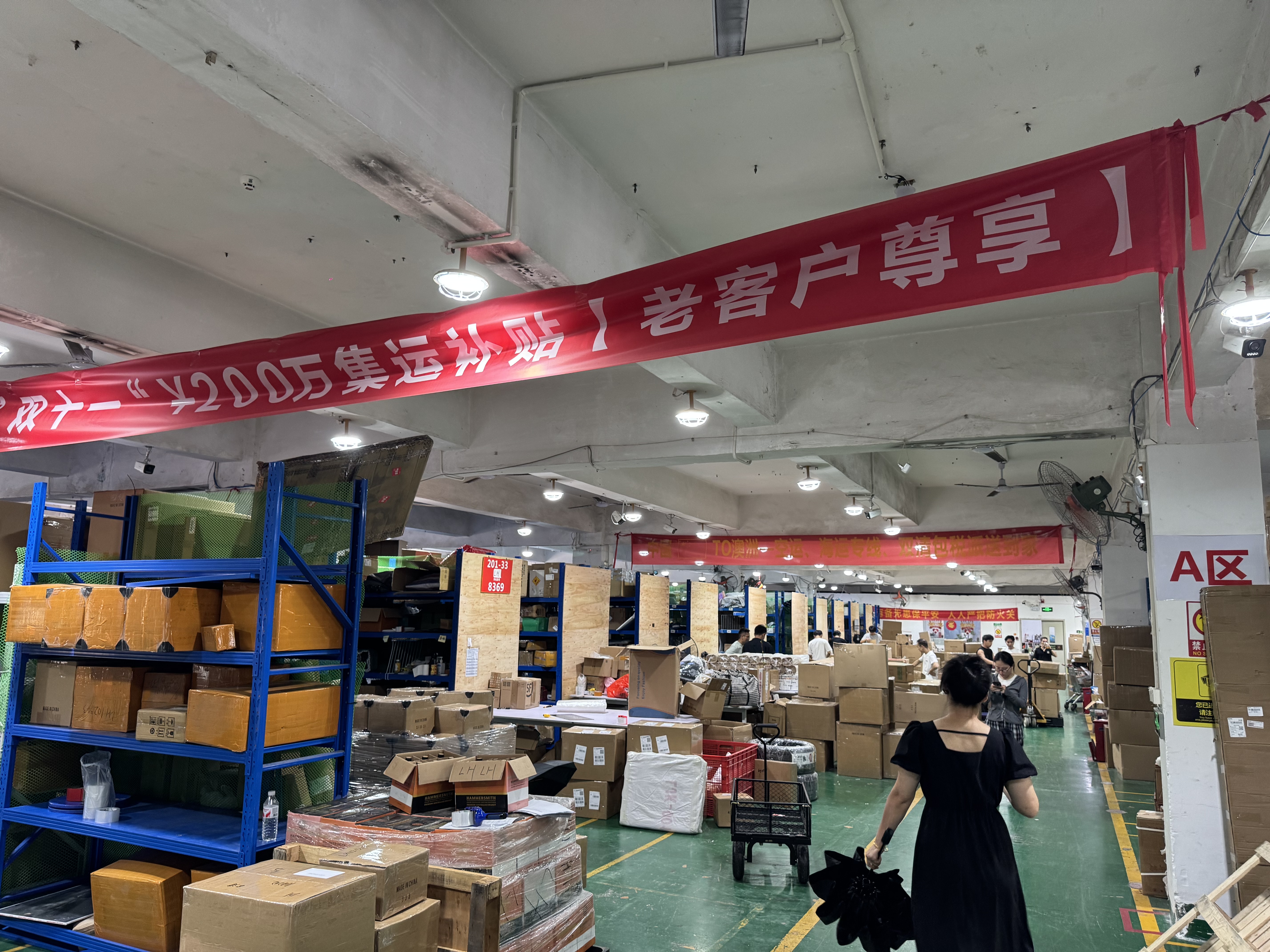
Logistics providers, including companies like Shengda International Logistics, will also face more competition. Shengda International Logistics has been focusing on the China - Canada route and offers a range of services such as full - service shipping, customs clearance, and package consolidation.
In 2026, to stand out in the market, they may need to further improve their services. For example, they could offer more flexible payment options, faster customs clearance, and better after - sales service.
IV. Impact on Canadian Chinese Moving Back
1. Cost Savings
The changes in policies, technology, and market competition are likely to result in cost savings for Canadian Chinese moving back to China. Lower tariffs, more efficient shipping, and competitive pricing from shipping companies and logistics providers could all contribute to reducing the overall cost of moving.
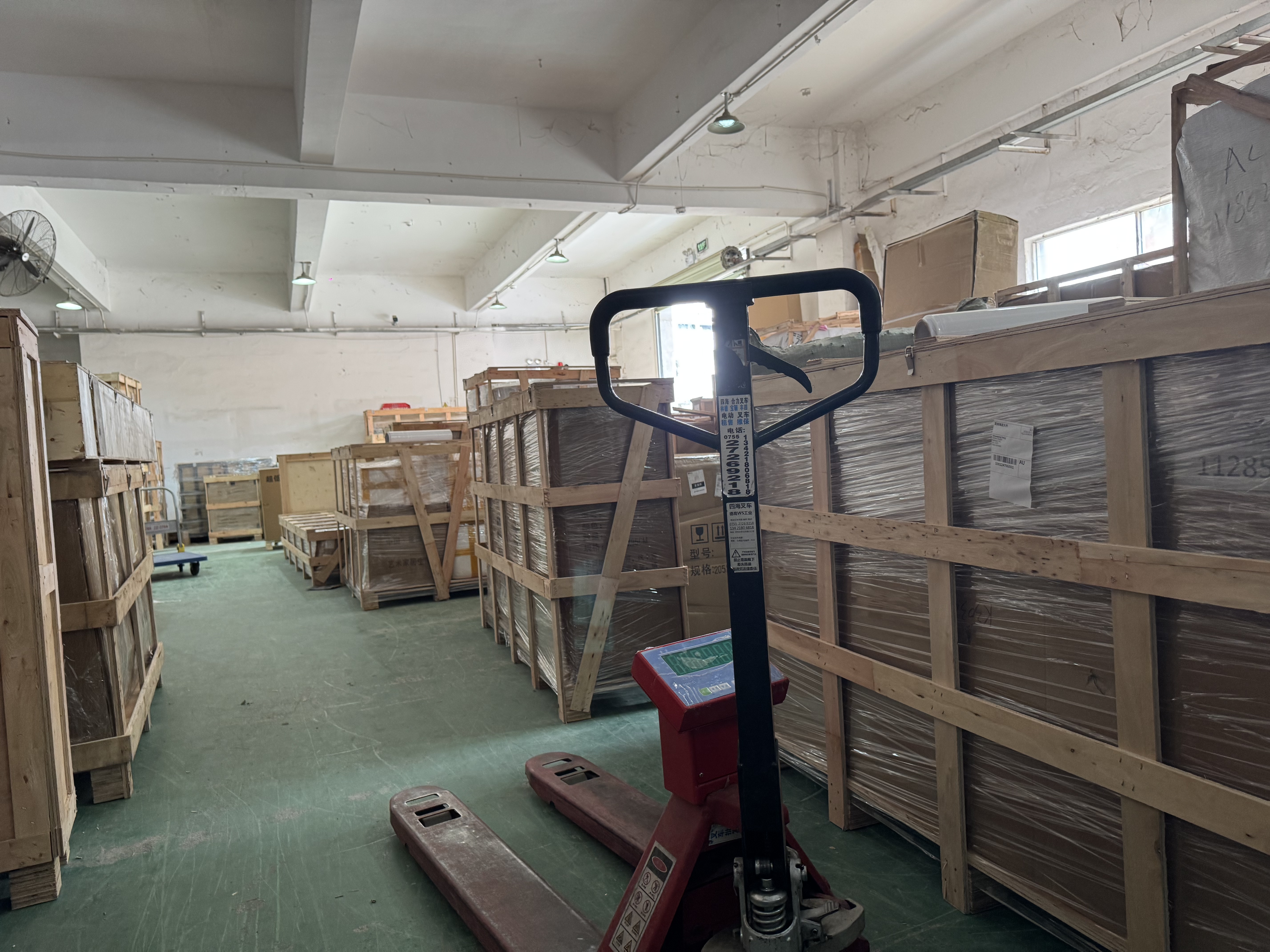
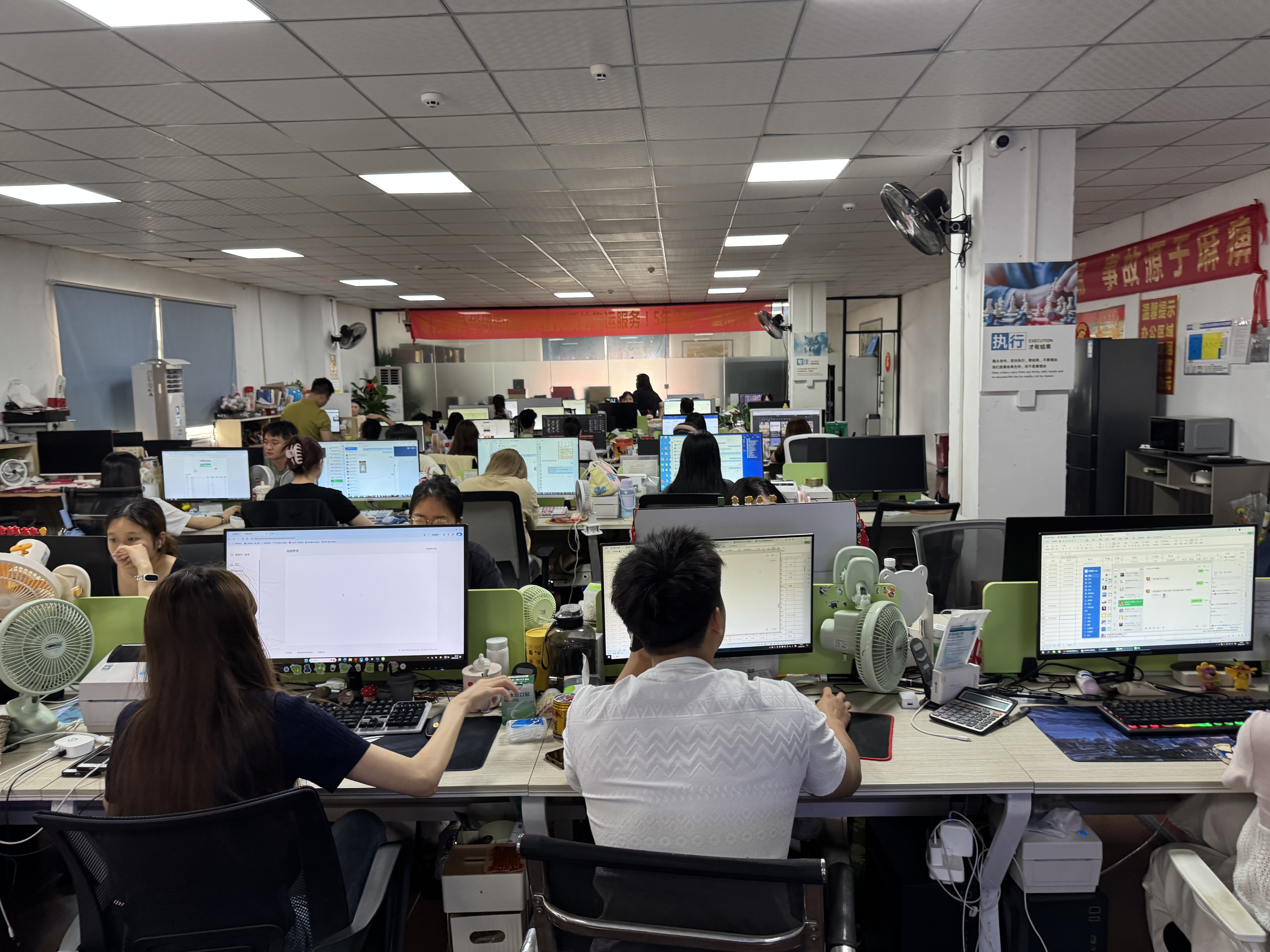
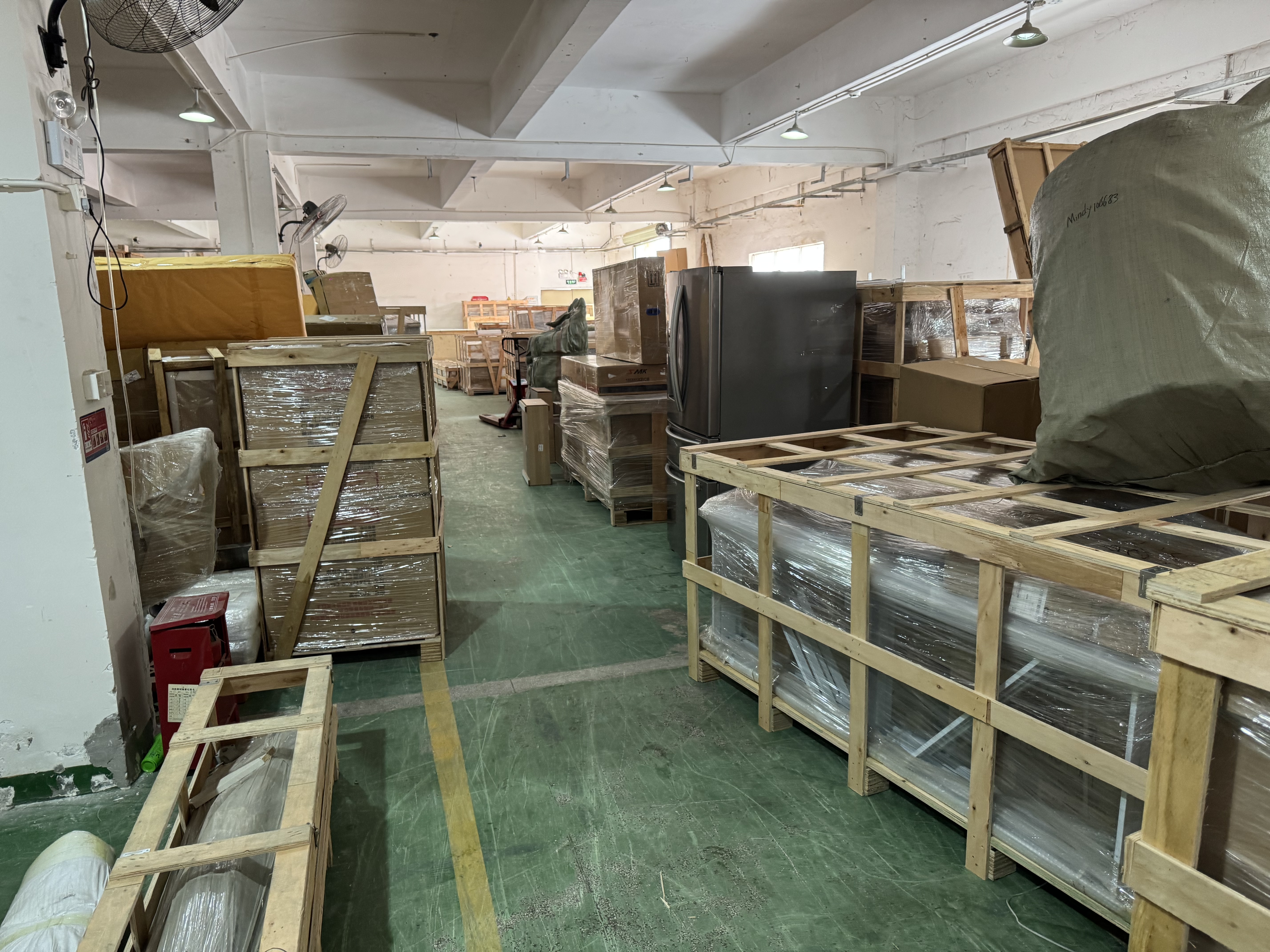
For instance, if the average cost of shipping a 20 - foot container from Canada to China is currently around $3000 - $5000, in 2026, due to the factors mentioned above, this cost could be reduced by 15% - 25%.
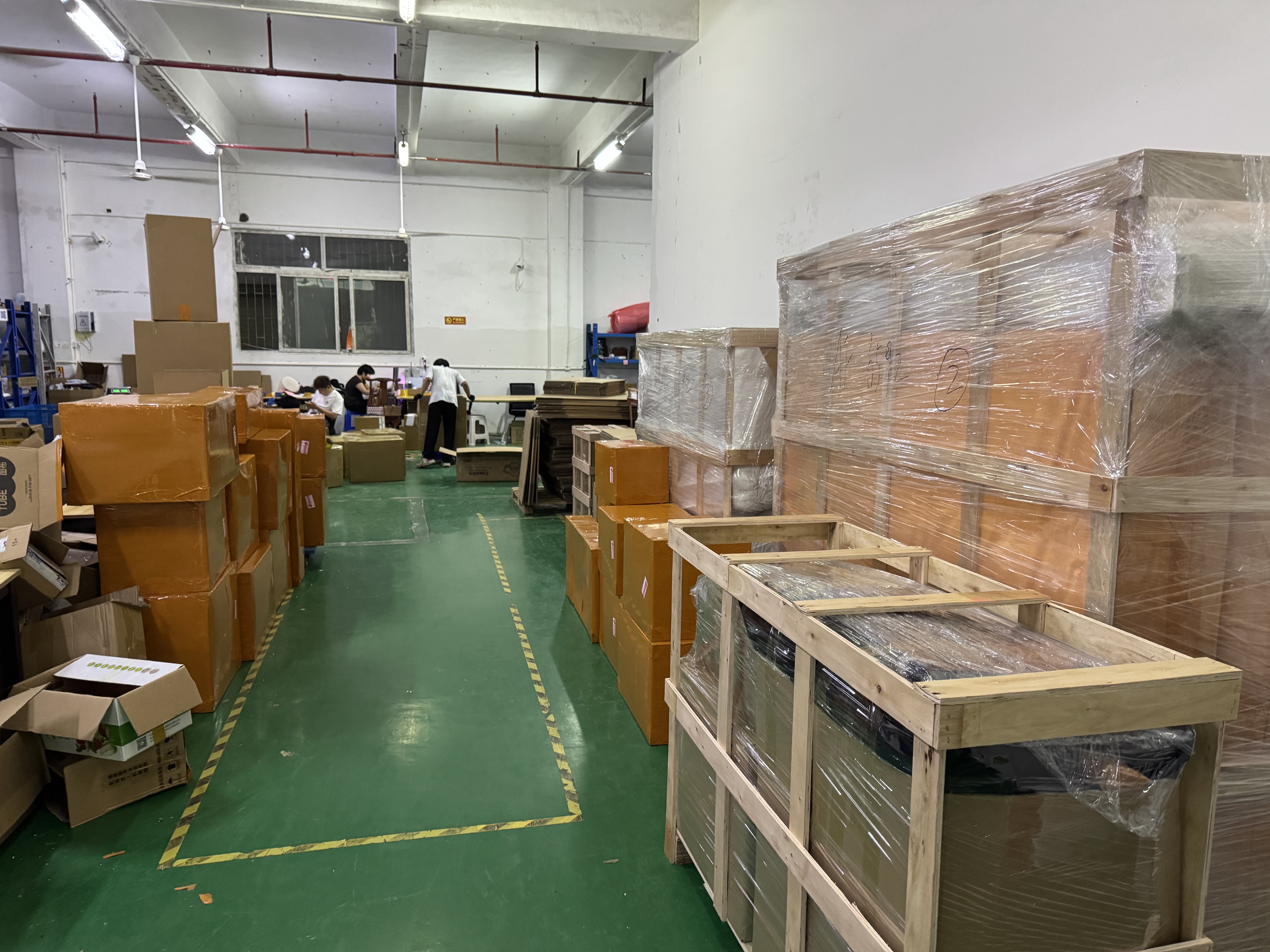
2. Easier Process
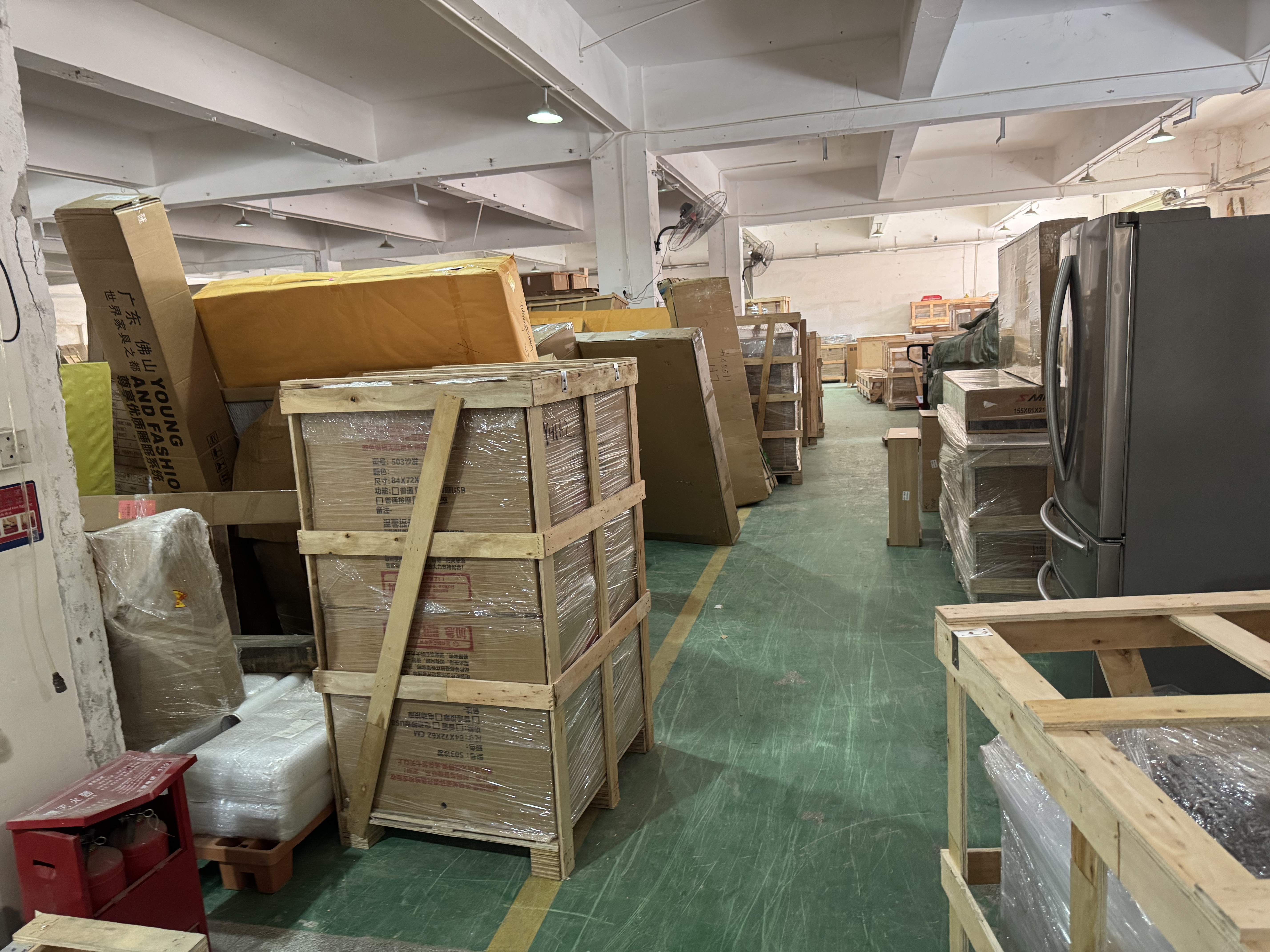
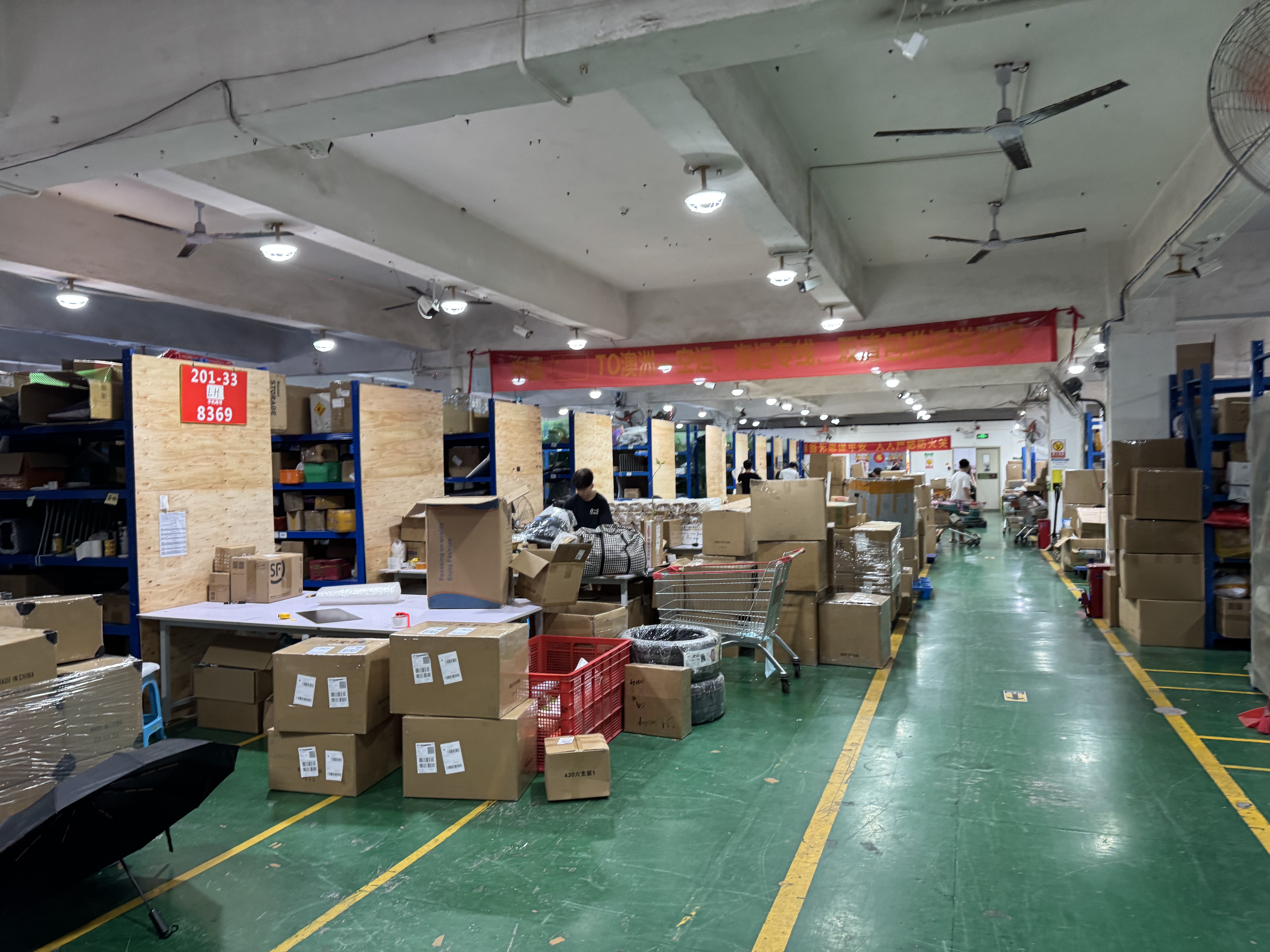
The improved technology and services will make the moving process much easier. Real - time tracking, better packaging, and faster cargo - handling all contribute to a smoother experience. Canadian Chinese will no longer have to worry as much about the safety of their goods during transit or the long waiting times at ports.
3. More Options
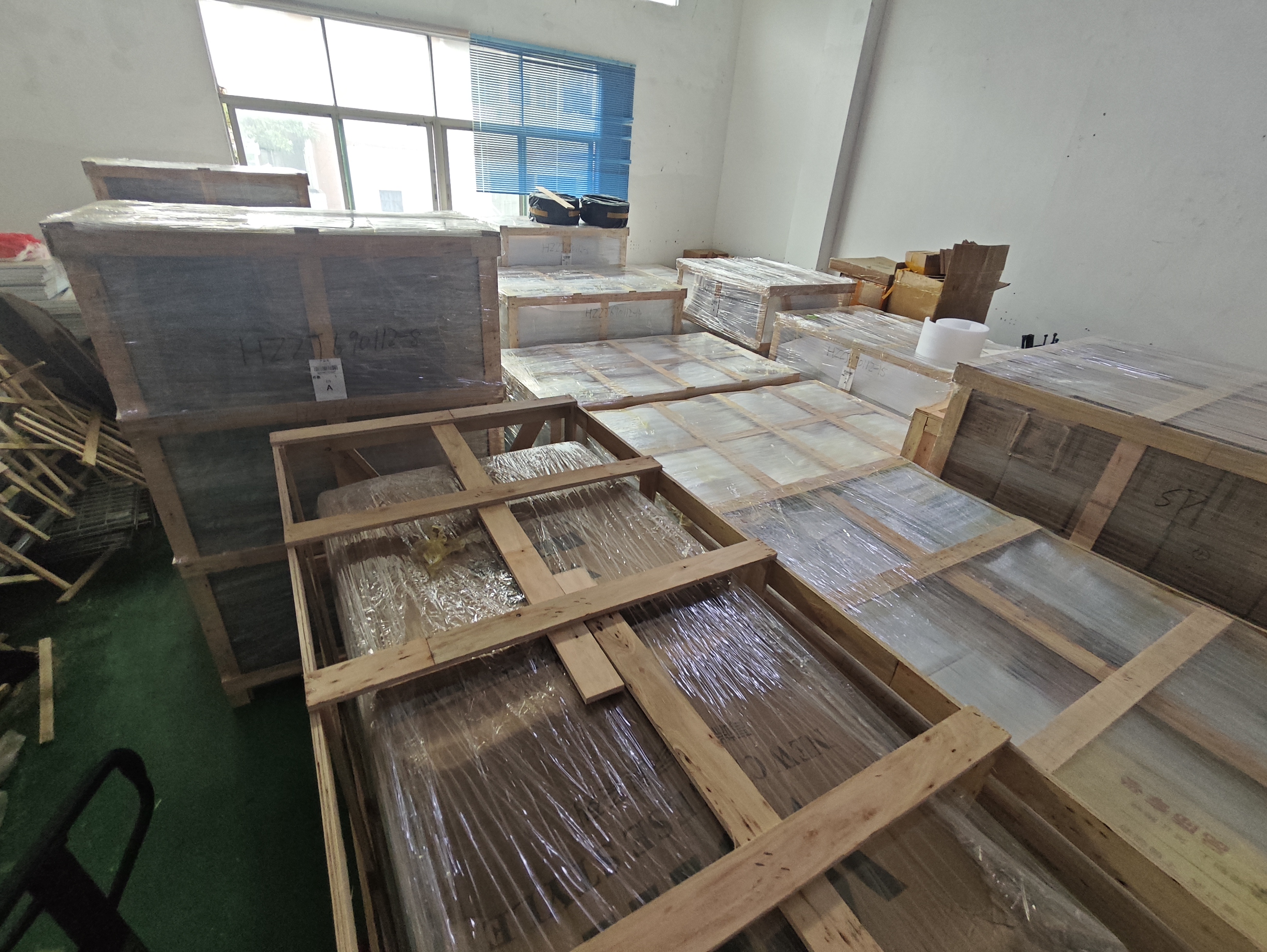
With more shipping companies and logistics providers competing in the market, Canadian Chinese will have more options to choose from. They can select the most suitable service based on their specific needs, such as the type of goods they are shipping, the shipping time they require, and their budget.
FAQs
1. How can Shengda International Logistics help with the possible policy changes in 2026?
Shengda International Logistics has a professional team with a deep understanding of international logistics policies. They closely monitor policy changes between China and Canada. In 2026, if there are new customs and tariff regulations, they can help you optimize your shipping plan to minimize costs. They have years of experience in handling goods under different policy environments and can guide you through the customs clearance process smoothly.
2. Will the technological advancements really make a difference in my shipping experience?
Absolutely. The real - time tracking technology will allow you to have full control over your shipment. You can monitor your goods' status from Canada to China, which was not possible before. The new packaging materials will ensure the safety of your belongings during transit, and the automated cargo - handling at ports will significantly reduce the shipping time. These advancements will make your moving - back process much more convenient.
3. How can I ensure the cost - effectiveness of my sea freight in 2026?
Shengda International Logistics offers a transparent pricing system. They will help you compare different shipping options and choose the most cost - effective one. With the increasing competition in the market in 2026, they can also negotiate better prices on your behalf. Additionally, they can provide advice on how to pack your goods to reduce the volume and thus the shipping cost.
4. What if my goods are damaged during transit in 2026?
Shengda International Logistics has a formal compensation mechanism. In case your goods are damaged during transit, they will assess the situation according to the pre - established standards and provide you with corresponding compensation. Their reliable service ensures that your rights and interests are protected.
5. Can I get personalized services if I choose Shengda International Logistics in 2026?
Yes. Shengda International Logistics prides itself on its ability to provide personalized services. They understand that everyone's moving - back needs are different. Whether you are shipping a small amount of personal belongings or a large - scale household move, they can customize a shipping plan for you. This includes choosing the right shipping company, handling special items, and offering flexible payment options.
In conclusion, 2026 may bring a series of changes to the sea - freight scenario for Canadian Chinese moving back to China. These changes, driven by policy, technology, and market factors, are likely to offer more benefits and a better experience for those making this important journey.
