

I. Introduction
The full - container ocean freight of Australian furniture is a topic of high interest in the logistics industry. With the continuous development of international trade and the ever - changing market environment, people are eager to know whether this business will thrive by 2026. There is a significant conflict between the potential growth opportunities and the various challenges that exist. On one hand, the demand for Australian furniture in the international market is increasing; on the other hand, factors such as policies, shipping costs, and market competition pose threats to its development.
II. Current Situation of Australian Furniture Full - container Ocean Freight
Market Demand Currently, Australian furniture is well - known for its high - quality materials and unique design, which has attracted a large number of consumers around the world. In the past few years, the export volume of Australian furniture has shown a steady growth trend. For example, from 2020 to 2022, the annual growth rate of Australian furniture exports reached about 8%. This indicates that there is a strong demand for Australian furniture in the international market, laying a good foundation for the development of full - container ocean freight.Shipping Routes and Costs The main shipping routes for Australian furniture include those to Asia, Europe, and North America. The shipping cost is affected by many factors, such as fuel prices, shipping capacity, and port congestion. In recent years, due to the impact of the global pandemic and geopolitical issues, shipping costs have fluctuated greatly. For instance, in 2021, the shipping cost from Australia to China increased by nearly 50% compared to the previous year.
III. Development Opportunities by 2026
Policy Support By 2026, the China - Australia and Australia - China transport routes are expected to benefit from more favorable policies. The two countries may strengthen trade cooperation, reduce trade barriers, and provide more convenient customs clearance procedures for furniture imports and exports. For example, some light - duty furniture products may enjoy lower tariffs, which will directly boost the volume of full - container ocean freight.Increasing Global Demand As the global economy recovers and people's living standards improve, the demand for high - quality furniture is expected to continue to rise by 2026. Australian furniture, with its natural raw materials and exquisite craftsmanship, will have a greater market share in emerging economies such as Southeast Asia and South America. This will drive the growth of full - container ocean freight volume.
E - commerce Boom The development of e - commerce has provided a new sales channel for Australian furniture. More and more furniture merchants are using online platforms to expand their markets. By 2026, it is estimated that the proportion of e - commerce sales in the Australian furniture export market will reach 30%. This shift will increase the frequency and volume of full - container ocean freight shipments.
IV. Challenges and Constraints
Environmental Regulations In the future, environmental protection requirements will become more stringent. Australian furniture manufacturers may face higher environmental standards in the production process, such as restrictions on the use of certain wood materials and chemical coatings. This may increase production costs and affect the competitiveness of furniture in the international market, thereby having a negative impact on full - container ocean freight.Shipping Capacity Constraints The global shipping industry may still face challenges in shipping capacity by 2026. Port congestion, shortage of shipping containers, and crew shortages are all possible issues. For example, during peak shipping seasons, the waiting time for container loading and unloading at some Australian ports may be extended, which will increase the overall shipping time and cost.
Market Competition The international furniture market is highly competitive. Australian furniture not only has to compete with furniture from traditional furniture - producing countries such as Italy and Germany but also faces challenges from emerging furniture - producing regions such as Vietnam and Indonesia. These regions often have lower production costs, which may erode the market share of Australian furniture and affect full - container ocean freight.
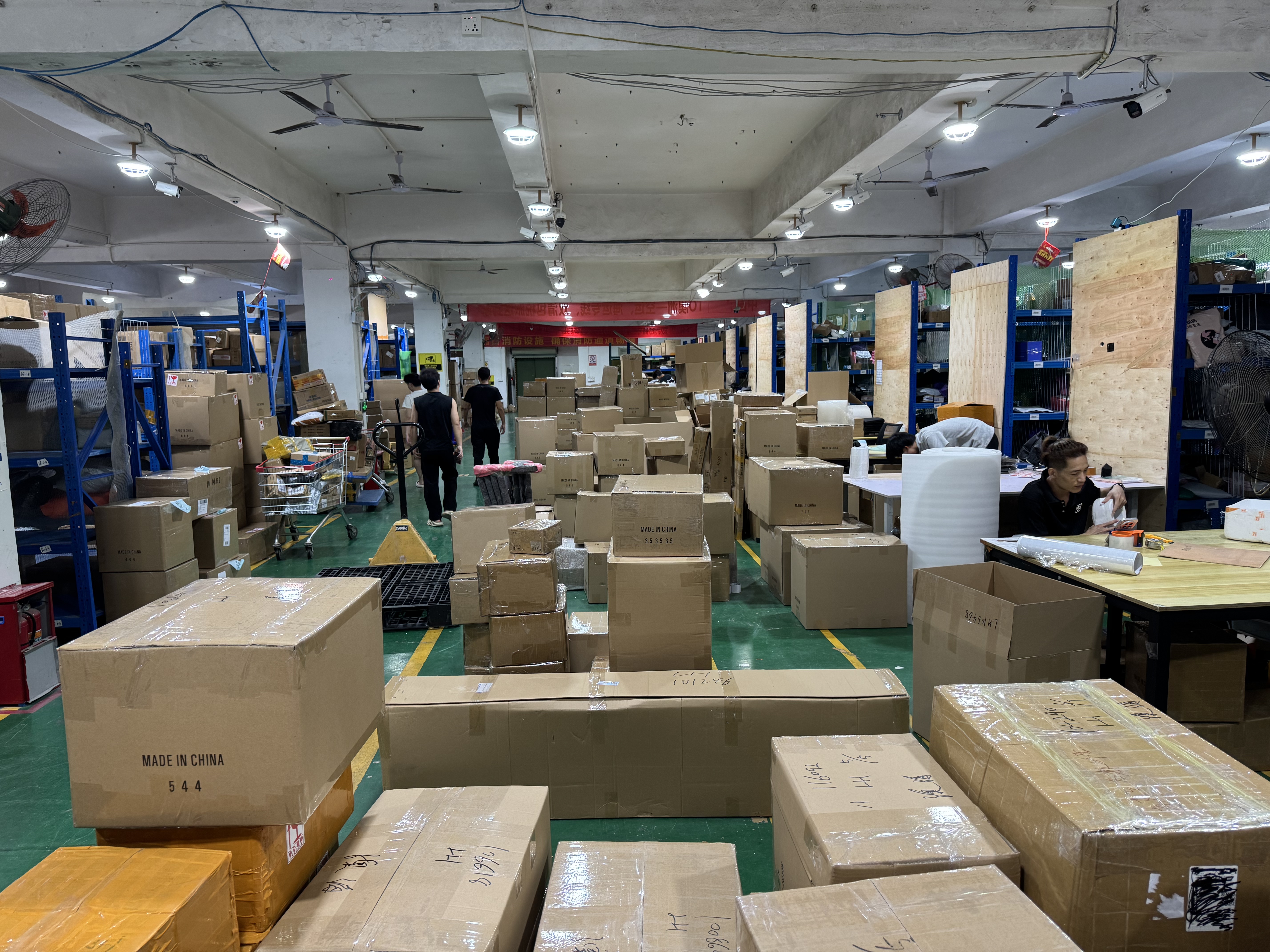
V. The Role of Logistics Providers like Shengda International Logistics
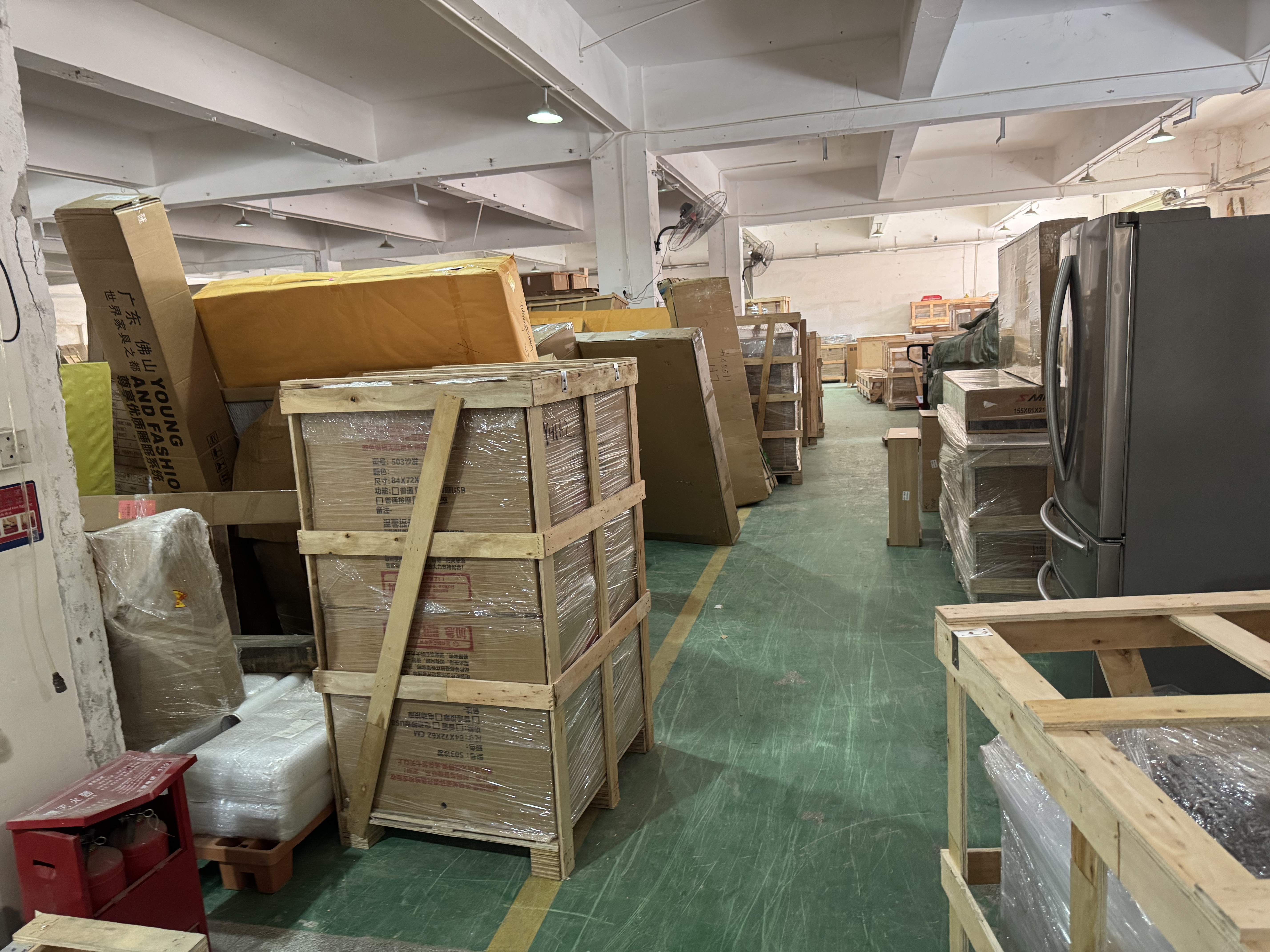
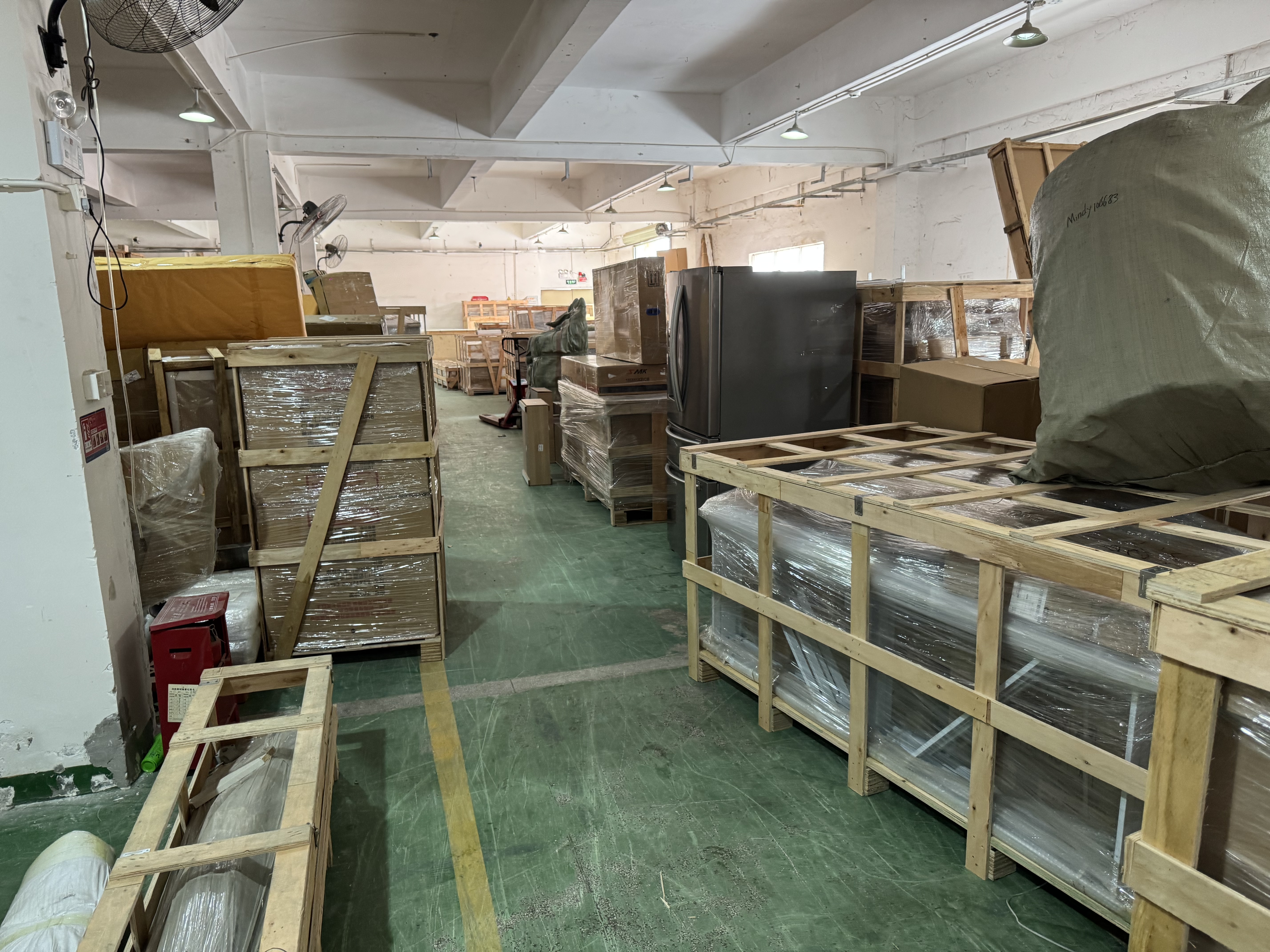
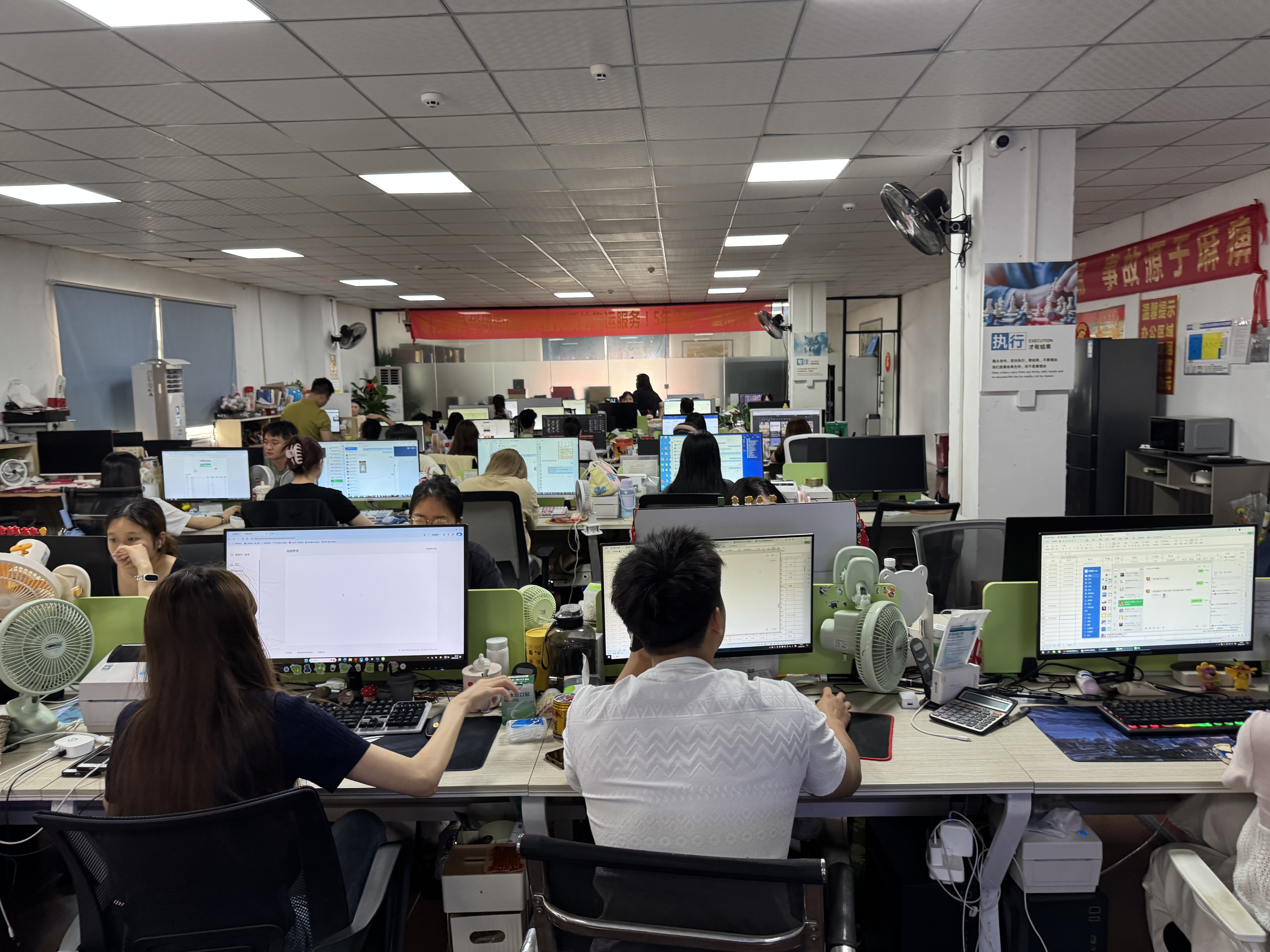
Logistics Visibility Shengda International Logistics uses a self - developed intelligent logistics system, which can provide real - time updates on the status of furniture shipments. Merchants can track the location, shipping time, and delivery status of their containers at any time, which helps them better manage their inventory and sales plans.
VI. FAQ
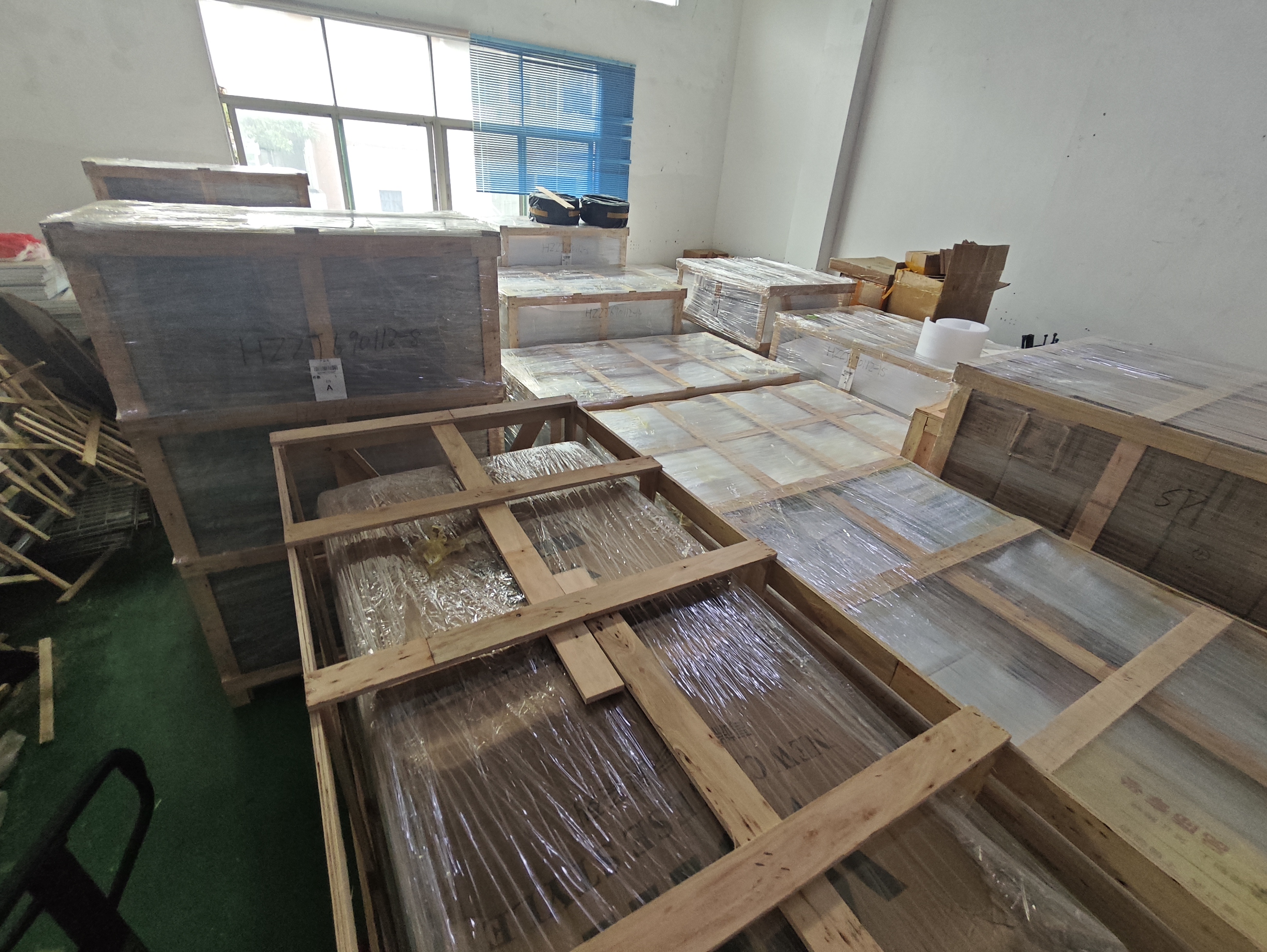
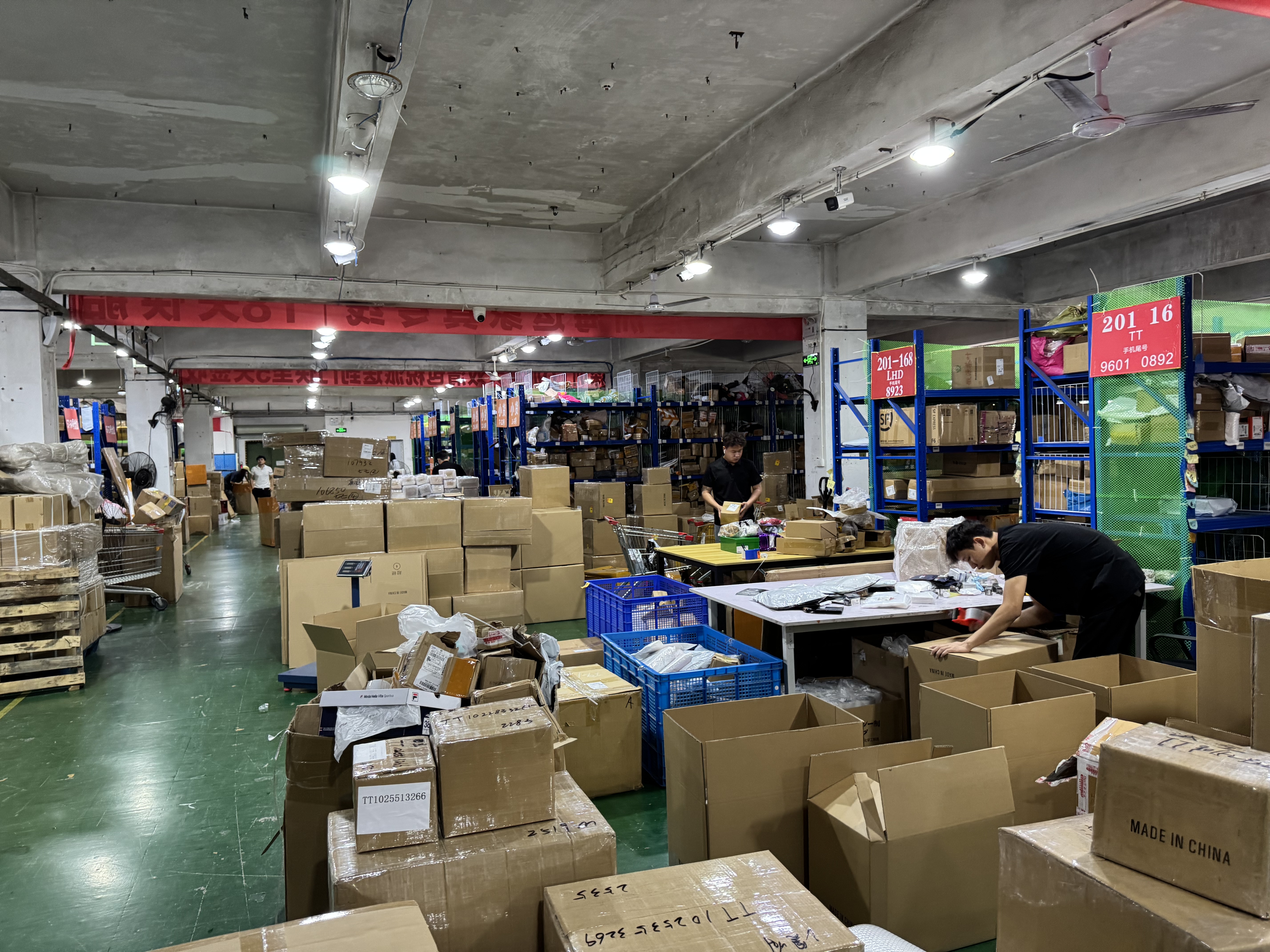
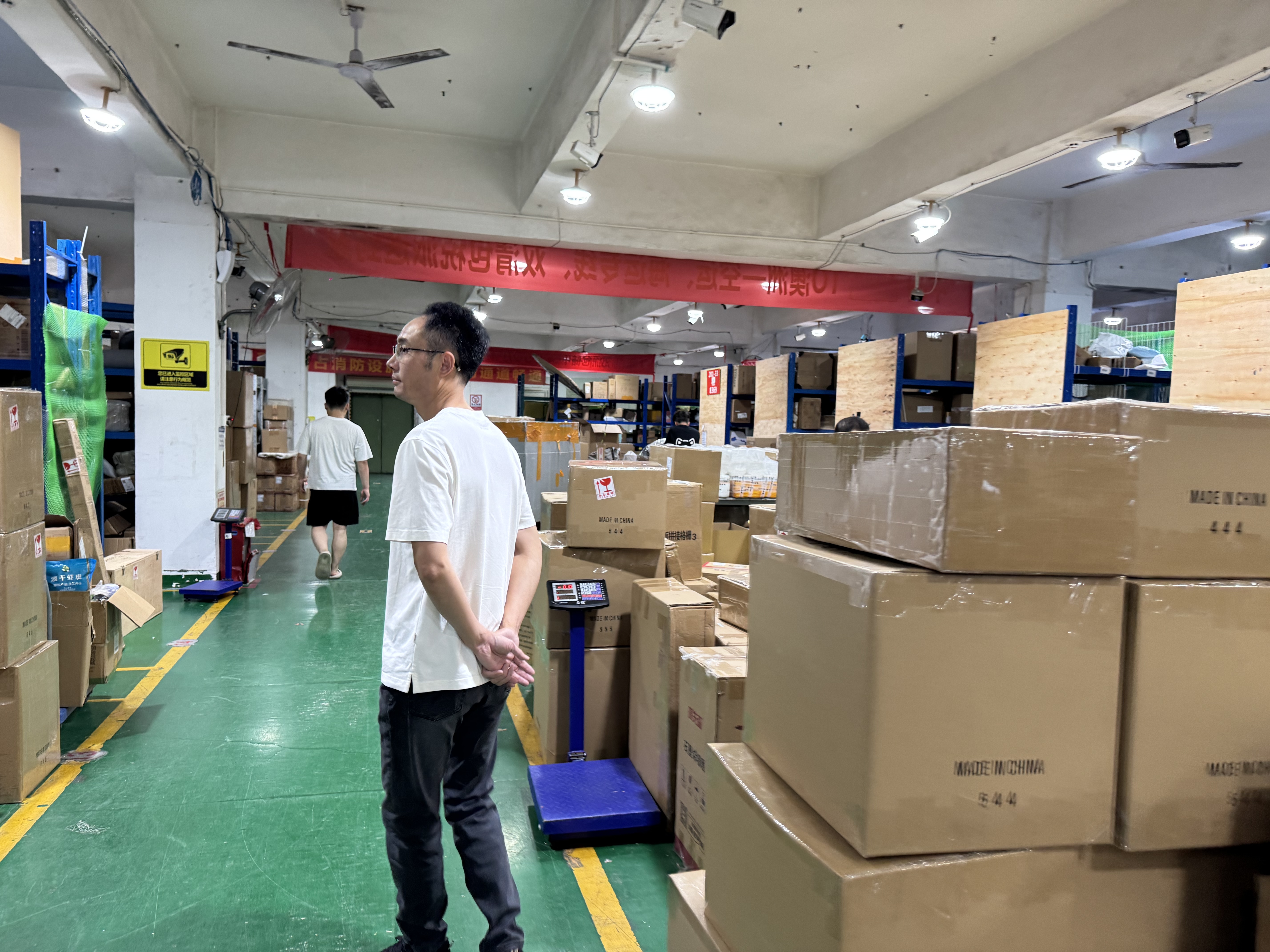
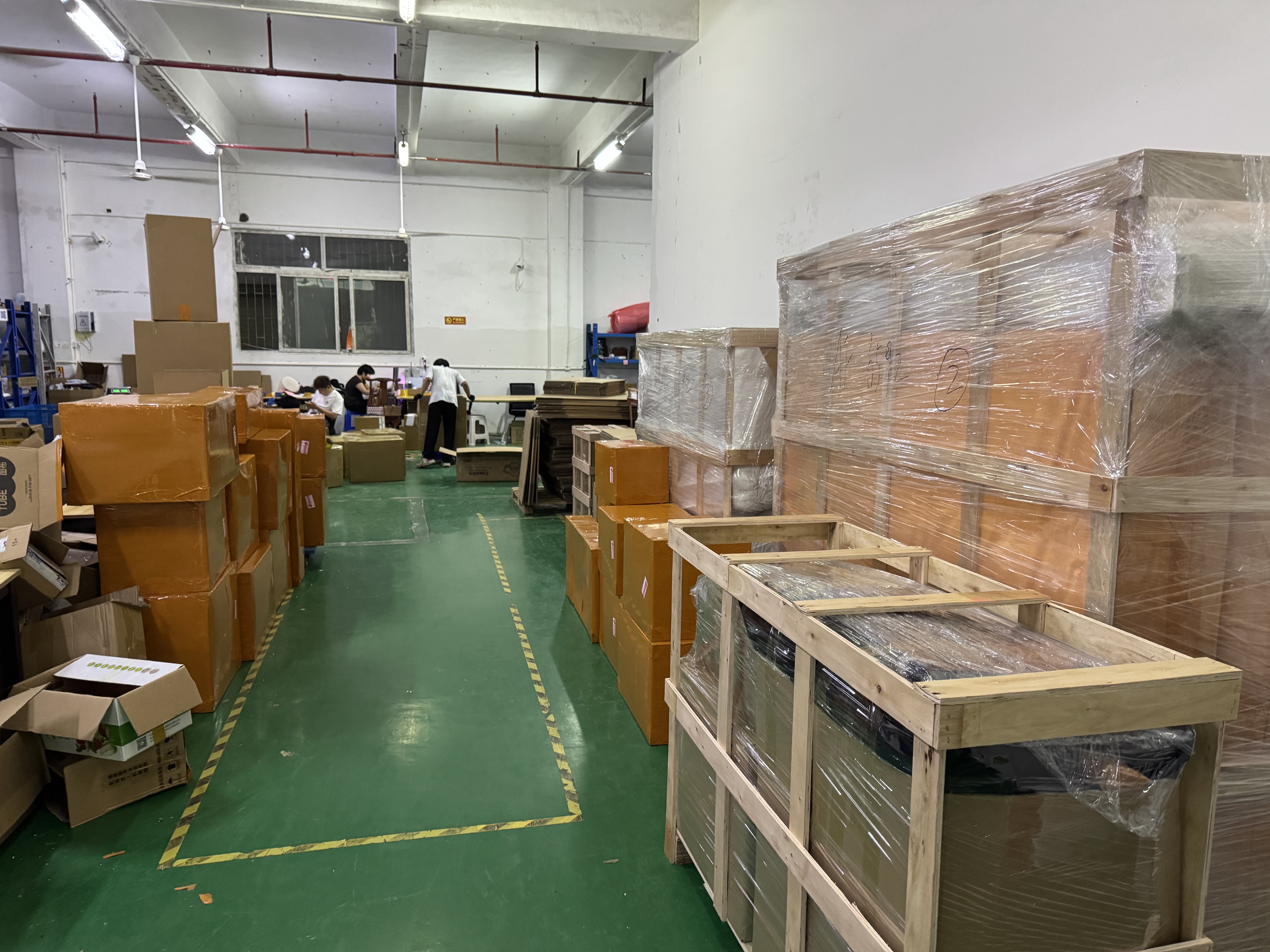
Q: What if my Australian furniture gets damaged during full - container ocean freight? A: As an industry veteran, I can tell you that with a reliable logistics provider like Shengda International Logistics, you don't have to worry too much. Shengda has a standardized damage and loss compensation mechanism. If your furniture is damaged due to operational errors, they will provide standard compensation according to the value of the goods. Their self - operated warehouses and strict packaging processes also minimize the risk of damage.Q: Can Shengda International Logistics handle the full - container ocean freight of sensitive furniture materials? A: Absolutely. Shengda International Logistics has opened a dedicated compliance declaration channel for sensitive goods. For furniture made of some special wood or with certain chemical coatings, they can handle the transportation through proper compliance procedures, effectively avoiding customs inspection and seizure risks.
Q: How does Shengda International Logistics ensure the timeliness of full - container ocean freight for Australian furniture? A: Shengda International Logistics has a wealth of experience and a strong logistics network. They have first - hand shipping route resources and can choose the most suitable shipping routes and schedules. In addition, their self - developed logistics system can monitor the shipping status in real - time and adjust the shipping plan in time to deal with unexpected situations such as port congestion, ensuring the timeliness of delivery.
Q: What if there are changes in the China - Australia or Australia - China transport policies by 2026? A: Shengda International Logistics has a professional team that closely monitors policy changes. They have in - depth knowledge of local logistics policies and customs standards in both China and Australia. Once there are policy changes, they can quickly adjust their service strategies, such as customs clearance procedures and tariff calculations, to ensure that your furniture can be transported smoothly under the new policy environment.
Q: Is the cost of full - container ocean freight with Shengda International Logistics competitive? A: Yes, it is. Shengda International Logistics adopts a transparent and cost - effective pricing model. They implement a one - price - all - included mode, clearly listing all costs such as freight, customs clearance fees, taxes, and delivery fees, with no hidden charges. For large - scale furniture shipments, they use cubic - based billing, which can significantly reduce the transportation cost compared with the traditional kilogram - based billing method.
Conclusion
The full - container ocean freight of Australian furniture in different scenarios has both opportunities and challenges by 2026. The favorable policies, increasing global demand, and the development of e - commerce provide good development prospects. However, environmental regulations, shipping capacity constraints, and market competition cannot be ignored. Logistics providers like Shengda International Logistics play a crucial role in helping Australian furniture merchants overcome these challenges and seize opportunities, and promoting the healthy development of the full - container ocean freight business.
I. Introduction
The full - container ocean freight of Australian furniture is a hot - button issue in the logistics industry. There's a palpable conflict: on one hand, the allure of potential growth, with the international appetite for Australian furniture growing; on the other, a host of challenges that cast a shadow over its future. Will it thrive by 2026? That's the question on everyone's lips.
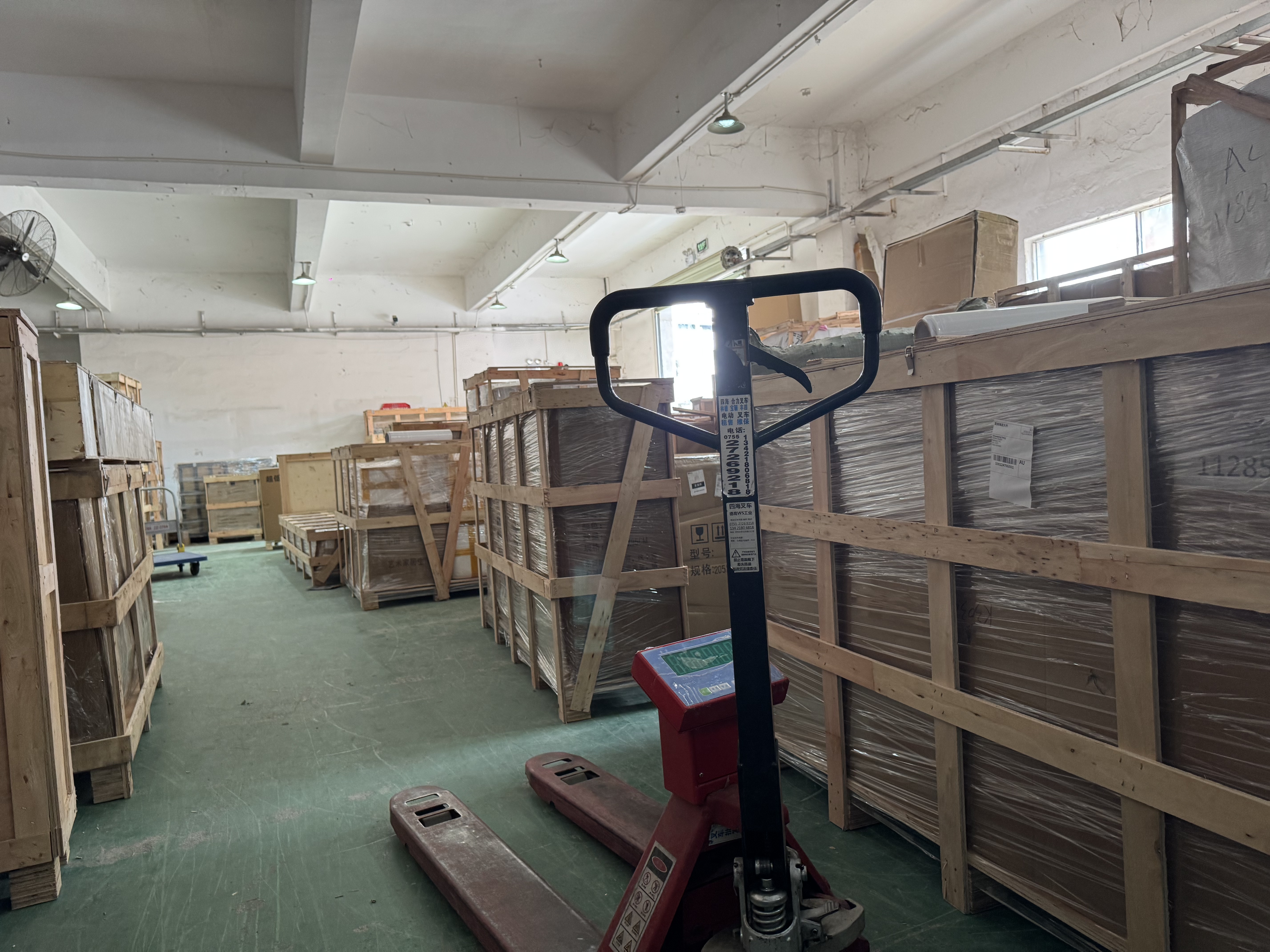
II. Current State of Australian Furniture's Full - container Ocean Freight
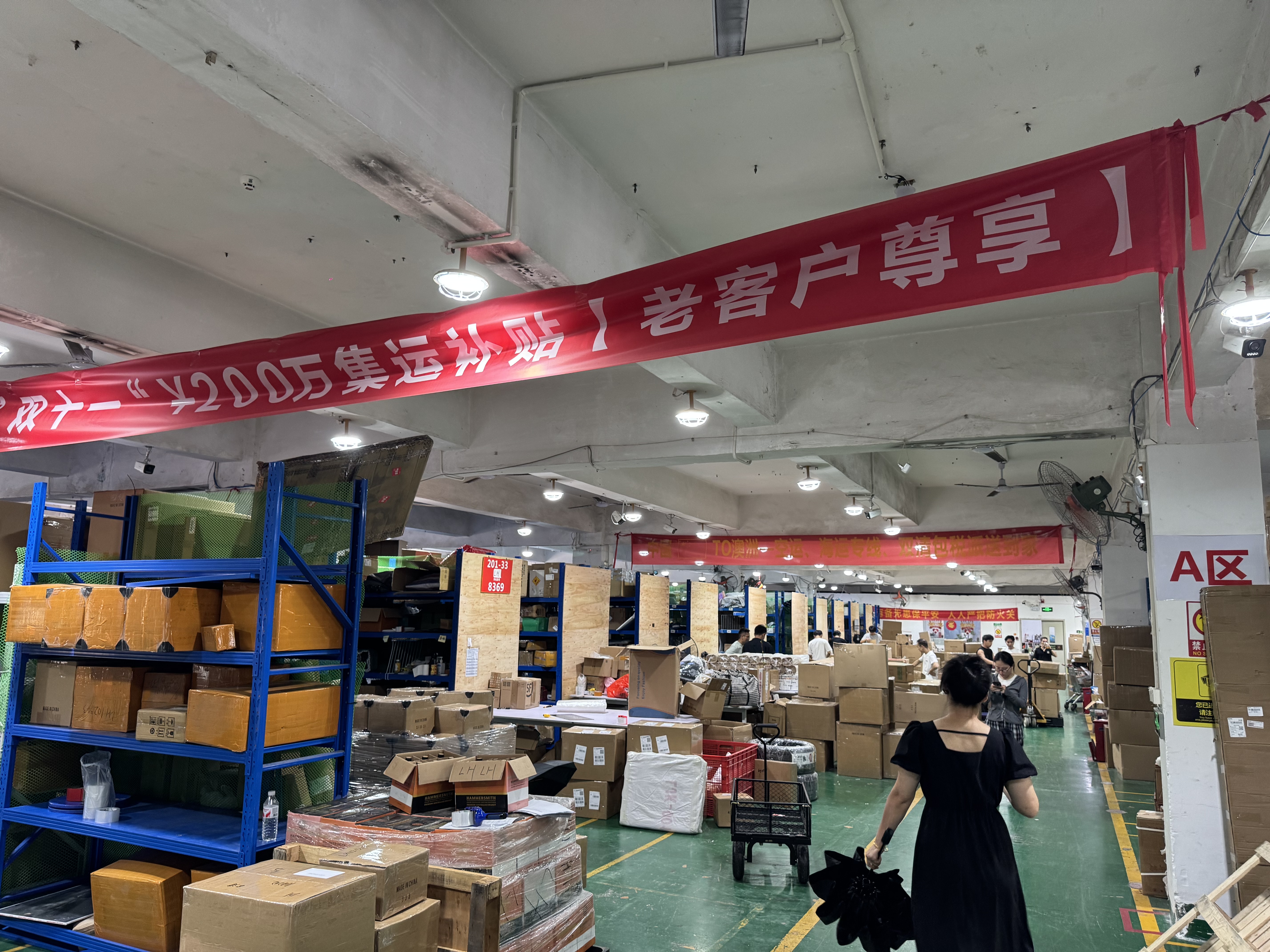
1. Market Demand
Australian furniture is a star in the international market, renowned for its top - notch materials and distinctive designs. In the past few years, the export volume has been on a steady climb. From 2020 to 2022, there was an annual growth rate of around 8%. This upward trend shows that there's a strong market craving for Australian furniture, which is a great starting point for full - container ocean freight.
2. Shipping Routes and Costs
The main shipping routes for Australian furniture span to Asia, Europe, and North America. But shipping costs are a wild card, influenced by things like fuel prices, shipping capacity, and port congestion. In 2021, for example, the cost from Australia to China shot up by nearly 50% compared to the previous year.
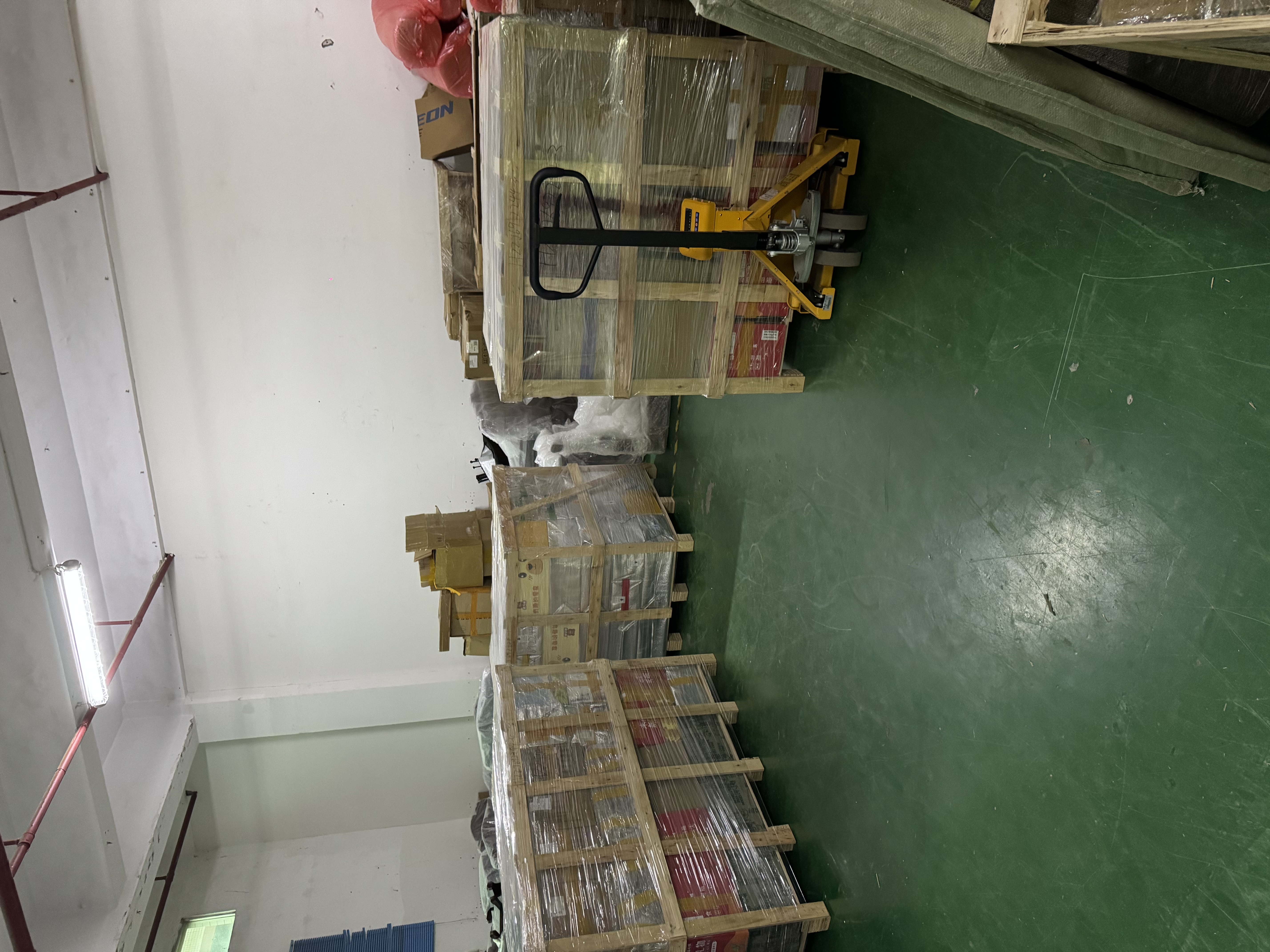
III. Opportunities for Growth by 2026
1. Policy Support
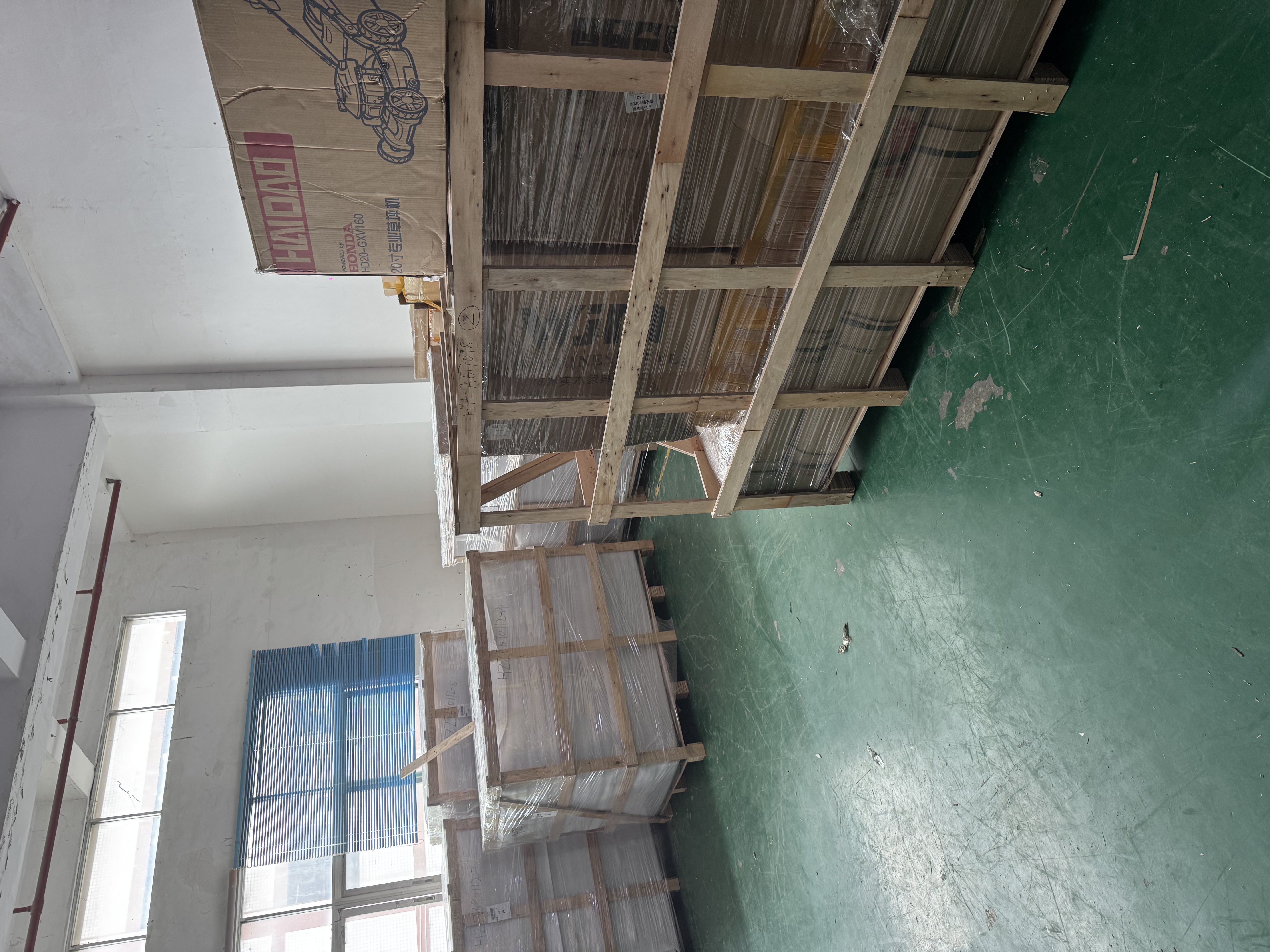
By 2026, the China - Australia and Australia - China transport routes are likely to get a policy boost. The two countries may ramp up trade cooperation, cut trade barriers, and make customs clearance a breeze for furniture imports and exports. Some light - duty furniture might even enjoy lower tariffs, which would directly pump up the full - container ocean freight volume.
2. Rising Global Demand
As the global economy bounces back and people's living standards improve, the demand for high - quality furniture is set to keep rising. Australian furniture, with its natural materials and fine craftsmanship, is eyeing a bigger slice of the pie in emerging economies like those in Southeast Asia and South America. This growing demand will fuel the growth of full - container ocean freight.
3. E - commerce Surge
E - commerce has opened a new door for Australian furniture sales. More and more furniture merchants are taking to online platforms. By 2026, it's estimated that e - commerce will account for 30% of Australian furniture exports. This change will lead to more frequent and larger full - container ocean freight shipments.
IV. Challenges and Hurdles
1. Environmental Regulations
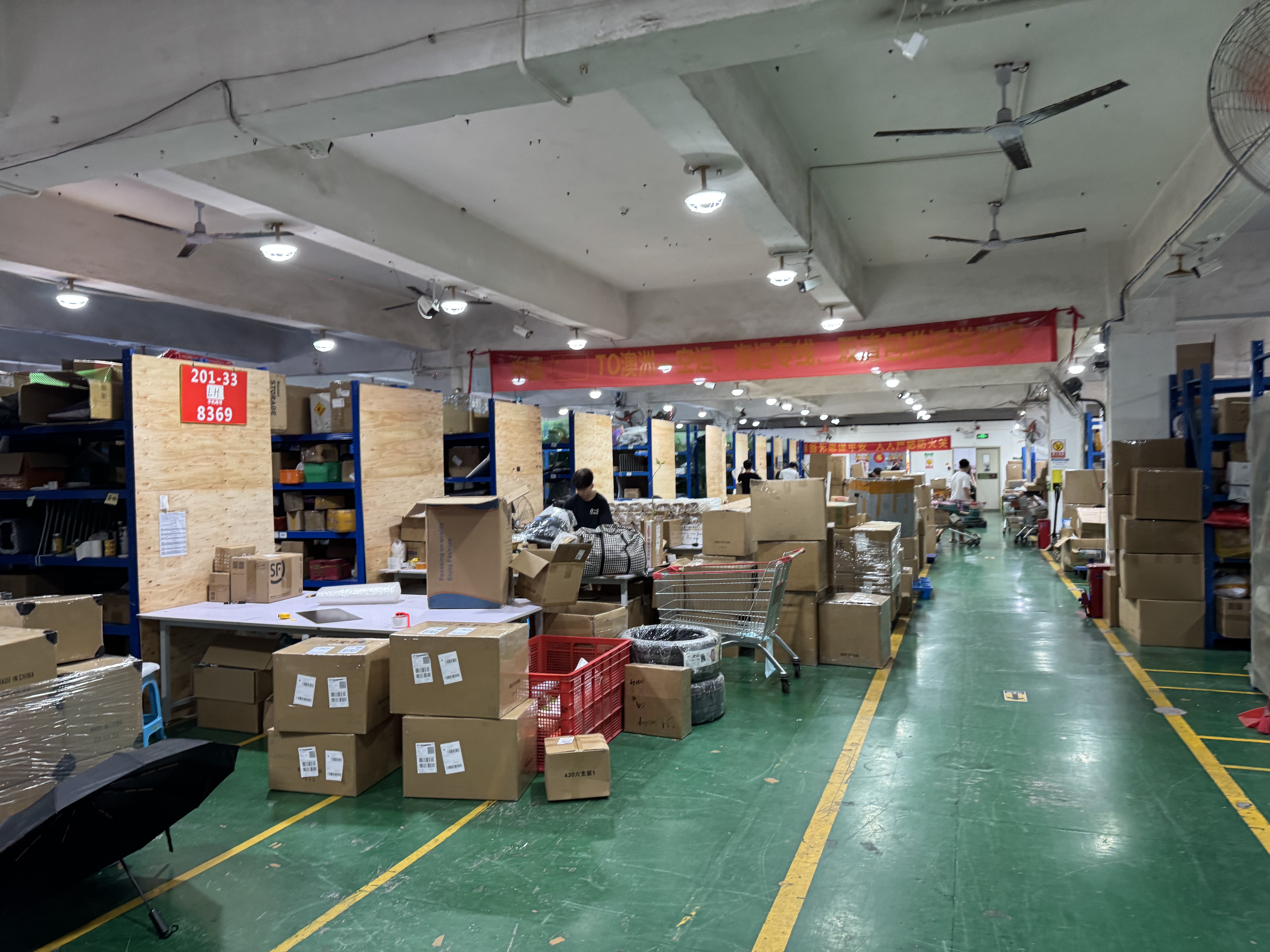
In the future, environmental rules will get tougher. Australian furniture makers may face stricter standards in the production process, like limits on certain wood materials and chemical coatings. This could drive up production costs and dent the furniture's competitiveness in the international market, hitting full - container ocean freight hard.
2. Shipping Capacity Issues
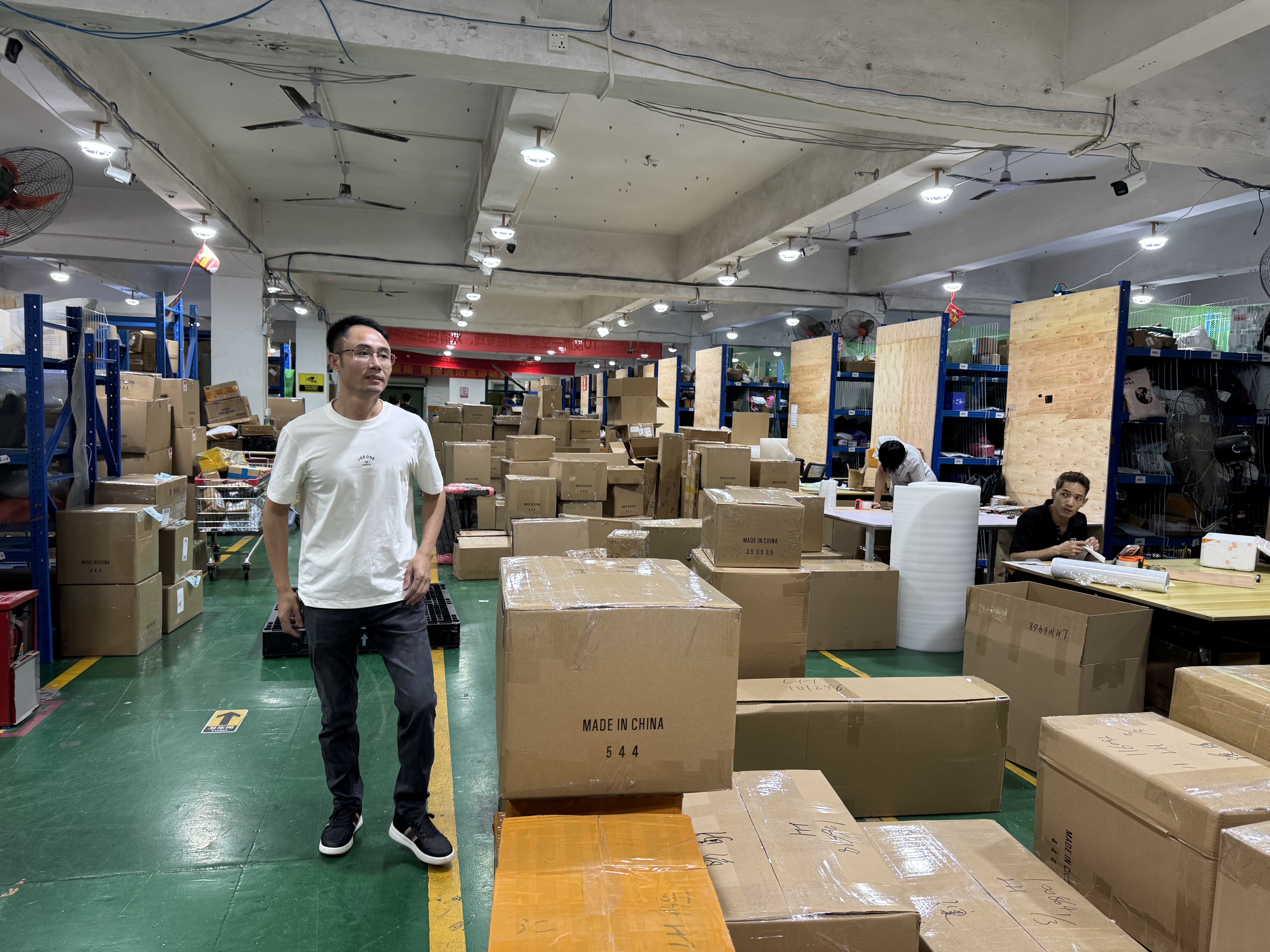
The global shipping industry might still be grappling with capacity problems in 2026. Port congestion, a shortage of shipping containers, and a lack of crew are all possible headaches. During peak shipping seasons, the wait time for container loading and unloading at some Australian ports could stretch out, adding to the overall shipping time and cost.
3. Market Competition
The international furniture market is a cut - throat arena. Australian furniture not only has to go head - to - head with products from traditional powerhouses like Italy and Germany but also faces stiff competition from emerging regions like Vietnam and Indonesia. These areas often have lower production costs, which could eat into the market share of Australian furniture and affect full - container ocean freight.
V. The Contribution of Logistics Providers like Shengda International Logistics
1. Tailored Solutions
Shengda International Logistics can offer customized full - container ocean freight solutions for Australian furniture merchants. For big - scale manufacturers, they can arrange direct - shipping services to reduce transit time and damage risks. For small - and medium - sized businesses, cost - effective consolidation services are on the table.
2. Smooth Customs Clearance
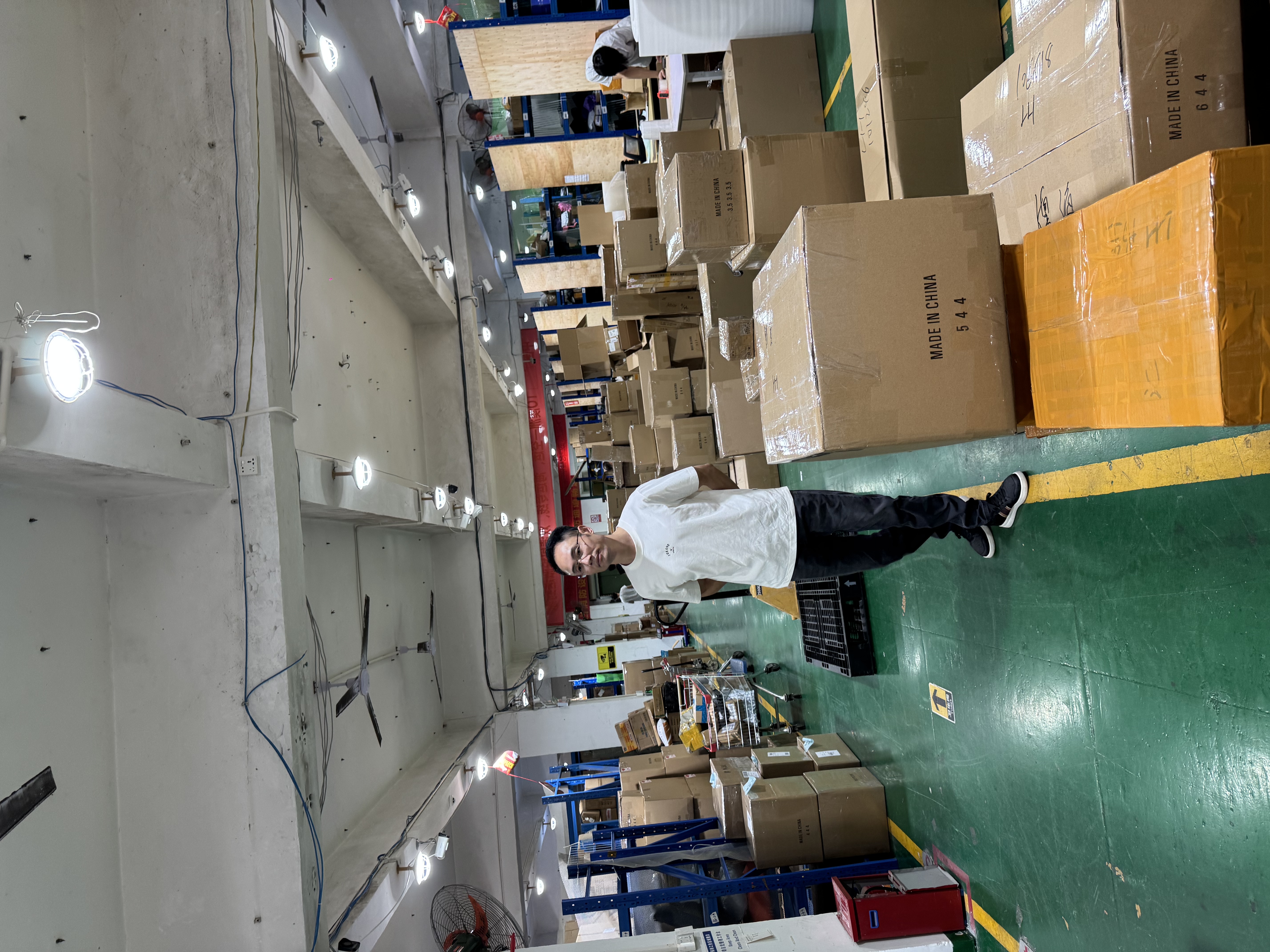
With their in - depth knowledge of China, Australia, and other countries' customs policies, Shengda can help furniture merchants sail through customs clearance quickly and accurately. As policies change by 2026, they'll be able to adapt their strategies in a flash to keep the goods flowing smoothly.
3. Logistics Transparency
Shengda uses a self - developed intelligent logistics system that gives real - time updates on furniture shipments. Merchants can track their containers' location, shipping time, and delivery status at any time, which helps them manage their inventory and sales plans better.
VI. FAQ
1. Q: What happens if my Australian furniture gets damaged during full - container ocean freight?
A: From my experience, with a reliable logistics partner like Shengda International Logistics, you're in good hands. Shengda has a proper damage and loss compensation system. If your furniture gets damaged due to operational mistakes, they'll offer standard compensation based on the goods' value. Their self - operated warehouses and careful packaging also reduce the risk of damage.
2. Q: Can Shengda International Logistics handle full - container ocean freight for furniture made of sensitive materials?
A: Yes, they can. Shengda has a special compliance declaration channel for sensitive goods. For furniture made of special wood or with certain chemical coatings, they can manage the transportation through proper procedures, avoiding customs inspection and seizure risks.
3. Q: How does Shengda International Logistics ensure the on - time delivery of full - container ocean freight for Australian furniture?
A: Shengda has a ton of experience and a strong logistics network. They have direct access to shipping routes and can pick the best ones and schedules. Their logistics system monitors the shipping status in real - time and can adjust the plan quickly to deal with issues like port congestion, so your delivery is on time.
4. Q: What if the China - Australia or Australia - China transport policies change by 2026?
A: Shengda has a professional team that keeps a close eye on policy changes. They know the local logistics policies and customs rules inside out. Once there are changes, they can quickly adjust their services, like customs clearance and tariff calculations, to make sure your furniture can be shipped smoothly.
5. Q: Is the cost of full - container ocean freight with Shengda International Logistics competitive?
A: Definitely. Shengda uses a transparent and cost - efficient pricing model. They have a one - price - covers - all approach, clearly showing all costs like freight, customs fees, taxes, and delivery charges, with no hidden fees. For large - scale furniture shipments, their cubic - based billing can significantly cut down the transportation cost compared to the traditional kilogram - based way.
