

I. Introduction
In 2026, with the continuous development of international trade, oversized item ocean freight between China and Canada has become an important part of cross - border logistics. However, there are many pain points in this process, such as high costs, complex documentation processes, and potential delays. As a cross - border logistics practitioner with first - hand experience, I've encountered numerous issues and found effective solutions. In this article, I'll share some key information and avoidable pitfalls about oversized item ocean freight to Canada.
II. Policy and Industry Background in 2026
The shipping policies between China and Canada have seen some significant changes in 2026. The Canadian Border Services Agency (CBSA) has tightened the inspection of oversized items. They pay more attention to the safety and compliance of goods, for example, the requirements for the packaging and labeling of oversized items have become stricter. Any non - compliant packaging may lead to delays at the port. Also, the environmental protection requirements for wooden materials in oversized items have been updated. If the wooden components are not properly treated, they may be rejected or require additional treatment fees.
III. The Process of Oversized Item Ocean Freight (7 - 12 days)
Booking and Documentation: First, you need to book a container with a shipping line. This involves providing detailed information about your oversized items, such as dimensions, weight, and type of goods. For instance, if you're shipping a large piece of industrial equipment, you'll need to provide its exact length, width, height, and weight.The documentation includes the bill of lading, commercial invoice, packing list, and certificate of origin. The bill of lading serves as a contract between the shipper and the carrier. Incorrect information on the bill of lading can cause major problems during the shipping process. I once had a client who mis - typed the destination port on the bill of lading. As a result, the goods were sent to the wrong place, causing a delay of roughly 14 days and additional re - routing costs.
Packing and Loading: Proper packing is crucial for oversized items. For items like large furniture, you may need to use wooden crates or pallets. Some oversized items also require special protective materials, such as foam and bubble wrap, to prevent damage during transit.
Loading the oversized items into the container requires careful planning. Sometimes, special equipment like cranes or forklifts are needed. If the loading is not done correctly, it can lead to container imbalance, which may cause safety issues during shipping.
Shipping and Transit: The shipping time from China to Canada can vary depending on the departure and arrival ports. For example, shipping from Shanghai to the Port of Vancouver usually takes around 18 - 22 days.
During transit, there may be various factors that can cause delays, such as bad weather, port congestion, or mechanical problems with the ship. I remember one time when a shipment was delayed due to a major storm in the Pacific Ocean. The ship had to change its route, which added an extra 5 days to the transit time.
Customs Clearance in Canada: Once the goods arrive at the Canadian port, customs clearance is required. The CBSA will check the documentation and inspect the goods. They use the HS codes to classify the goods and determine the applicable duties and taxes.
Any discrepancy between the documentation and the actual goods can result in customs inspection, which may cause delays. For example, if the declared value of the goods on the commercial invoice is lower than the actual value and the CBSA discovers it, they may impose additional duties and taxes.
IV. Choosing the Right Logistics Service Provider
Experience and Reputation: Look for a logistics provider with extensive experience in oversized item ocean freight to Canada. A provider that has been in the business for a long time is more likely to have dealt with various issues and have effective solutions.Check the provider's reputation by reading reviews from other clients. I had a friend who once used a relatively new logistics company without doing enough research. The company had no experience in handling oversized items and ended up causing a lot of problems, such as damage to the goods and a long - term delay.
Range of Services: A good logistics provider should offer a comprehensive range of services, including packing, loading, shipping, customs clearance, and delivery. For example, if you're shipping a large amount of industrial equipment, you'll need a provider that can handle the whole process from start to finish.
Consider whether the provider can offer special services for oversized items, such as wooden pallet customization, heavy - lift equipment rental, and insurance.
Pricing: While price is an important factor, don't just choose the cheapest option. Compare the prices of different providers and make sure you understand what is included in the price. Some providers may offer a low price but then add hidden fees later.
For example, a provider may offer a low shipping rate but charge a high fee for customs clearance or additional handling fees for oversized items.
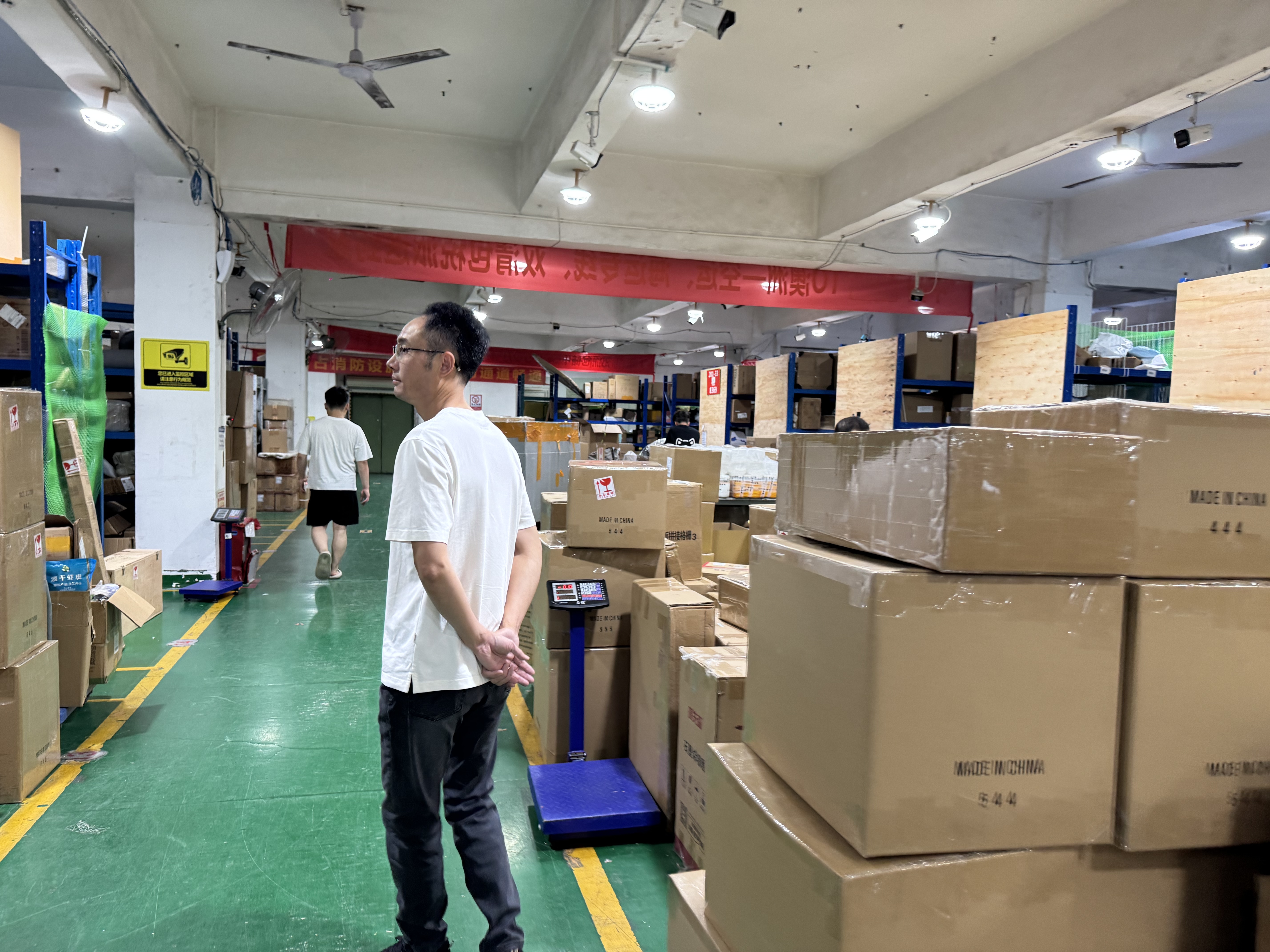
In 2026, when it comes to oversized item ocean freight to Canada, it's essential to be well - informed about the policies, understand the shipping process, and choose the right logistics provider. By doing so, you can avoid many potential problems and ensure a smooth and cost - effective shipping experience.
V. FAQ
What are the common reasons for delays in oversized item ocean freight to Canada? Well, there are several reasons. Bad weather is a major one. Storms can force the ship to change its route or wait in a safe place, which adds to the transit time. Port congestion is also common. If there are too many ships waiting to dock and unload at the Canadian port, your shipment will have to wait. Another reason could be incorrect documentation. If the information on the bill of lading or other documents is wrong, customs inspection will take longer.How can I reduce the cost of oversized item ocean freight? One way is to plan your shipment in advance. By booking early, you may be able to get a better rate from the shipping line. Also, try to optimize the packing of your oversized items. Use the space in the container as efficiently as possible to reduce the number of containers you need. You can also compare the prices of different logistics providers and choose the one that offers the best value for money.
What kind of insurance should I get for my oversized items? It's recommended to get all - risk insurance for your oversized items. This type of insurance covers a wide range of risks, including damage, theft, and loss during transit. Make sure to read the terms and conditions of the insurance policy carefully to understand what is covered and what is excluded.
How long does customs clearance usually take for oversized items in Canada? It depends. In normal situations, customs clearance for oversized items can take about 2 - 5 business days. However, if there are issues such as incorrect documentation, a random inspection, or if the goods are classified as high - risk, it can take much longer, maybe up to 2 weeks or more.
Can I track my oversized item shipment during transit? Most logistics providers offer tracking services. You'll be given a tracking number, which you can use to check the status of your shipment on the provider's website or through a tracking system. This way, you can know where your oversized items are and estimate the arrival time.
