

I. Introduction
Are you an Australian small business owner, importer, or e - commerce seller planning to import furniture from China to Sydney in 2026? Furniture sea freight can seem like a daunting task. I've been in the cross - border logistics industry for years, and I've seen many clients face unexpected issues during the process. I remember one client back in 2024 who wanted to import a large batch of wooden furniture from Shanghai to Sydney. He thought he had everything sorted, but ended up with a huge delay at the port due to improper documentation. In this article, I'll share some valuable tips based on my hands - on experience.
II. Understanding the 2026 Policy Landscape
In 2026, there have been significant updates in Australia's import policies regarding furniture. The Australian Border Force (ABF) and the Department of Agriculture, Fisheries and Forestry (DAFF) have tightened regulations, especially concerning biosecurity. For example, wooden furniture must be thoroughly inspected for pests and diseases. If it does not meet the biosecurity standards, it may be subject to treatment or even rejection.
I once dealt with a shipment of antique wooden chairs from China. The seller had not properly treated the wood, and when it reached Port Botany in Sydney, DAFF put the shipment on hold for over two weeks. After a series of treatments, the chairs were finally released, but this caused significant delays and extra costs for the importer.
III. Selecting the Right Logistics Partner
Experience and Reputation Look for a logistics provider with a proven track record in China - to - Sydney furniture sea freight. They should be well - versed in the 2026 regulations and have a good relationship with the Australian customs.For instance, [Shengda International Logistics] is a great option. They have been in the industry for a long time and have a team of experts who can handle all the paperwork and customs clearance efficiently. They can also provide real - time updates on the shipment's status.
Range of Services A good logistics partner should offer a comprehensive range of services, including packing, shipping, customs clearance, and delivery. For furniture, special packing materials and techniques are required to prevent damage during transit.
[Shengda International Logistics] provides customized packing services for furniture, such as using bubble wrap, wooden frames for extra support, and proper palletizing.
IV. Packing and Marking of Furniture
Packing Use high - quality packing materials. For delicate furniture parts like glass or mirror, use shock - absorbing materials. For wooden furniture, a protective layer can prevent scratches.I remember a shipment of office chairs with leather seats. The packing was not sufficient, and when they arrived in Sydney, some of the leather seats were damaged.
When packing multiple items, ensure they are properly separated to avoid rubbing against each other.
Marking Clearly mark the furniture with details such as the destination address, the importer's details, and handling instructions. This helps the customs officers and the shipping personnel to handle the goods correctly.
For example, if there is a fragile part, mark it with “Fragile - Handle with Care” in large letters.
V. Documentation and Customs Clearance
Required Documents Prepare accurate and complete documentation. This includes a commercial invoice, packing list, bill of lading, and certificate of origin. For wooden furniture, you may also need a phytosanitary certificate to prove that it meets the biosecurity requirements.In one case, an importer didn't include all the required details in the commercial invoice, and the shipment was held up at the customs for several days until the issue was resolved.
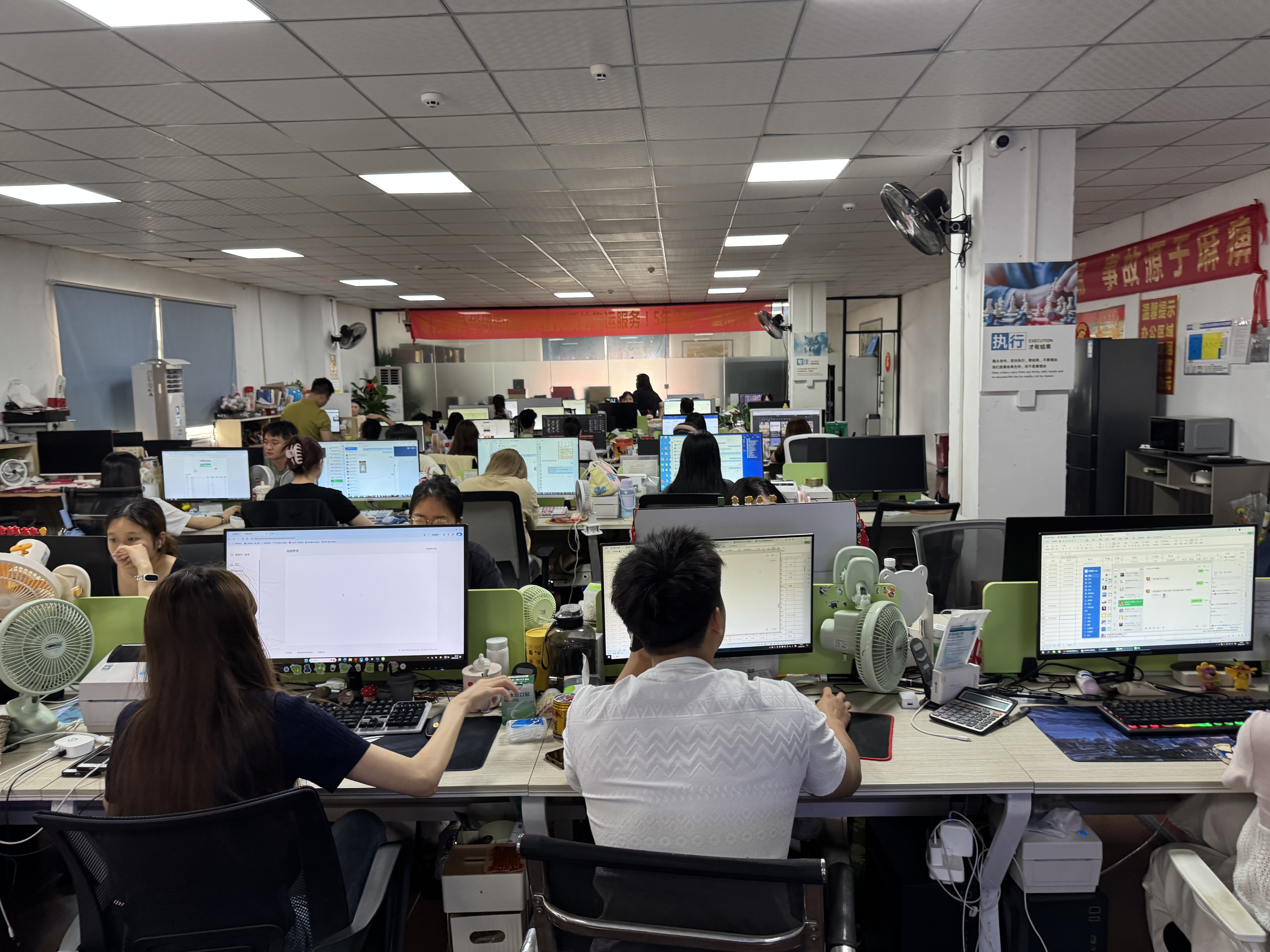
Customs Valuation Understand the customs valuation process. The Australian customs will determine the value of the furniture for duty and tax purposes. Make sure the information on your invoice is consistent with the actual value of the goods.
Incorrect valuation can lead to over - or under - payment of duties and taxes, which may also trigger further customs investigations.
VI. Shipping Schedule and Transit Time
Shipping Schedule Plan your shipping schedule in advance. Sea freight from China to Sydney typically takes around 20 - 25 days, but this can vary depending on the shipping route and weather conditions.If you have a specific delivery date in mind, work with your logistics provider to ensure timely shipment.
Transit Time Be aware that transit time can be affected by factors such as port congestion, strikes, or unforeseen circumstances. Keep in touch with your logistics partner to stay updated on any potential delays.
VII. Cost Considerations
Freight Costs Freight costs depend on factors like the volume and weight of the furniture, the shipping route, and the shipping company. Get quotes from multiple providers to compare prices.However, don't just choose the cheapest option. Consider the quality of service and reliability of the logistics provider.
Additional Costs There may be additional costs such as customs duties, taxes, storage fees at the port, and delivery fees. Make sure you understand all these costs upfront to avoid any surprises.
VIII. FAQ
Q: What if my furniture doesn't meet the biosecurity standards? A: If your furniture doesn't meet the biosecurity standards, it will be held at the port. You'll need to arrange for the required treatments, such as fumigation or heat treatment. It can be time - consuming and costly, so it's best to ensure compliance from the start. [Shengda International Logistics] can help you understand the biosecurity requirements and ensure your furniture meets them before shipping.Q: How can I track my furniture shipment? A: Most logistics providers offer tracking services. You can use the tracking number provided to check the status of your shipment on their website. [Shengda International Logistics] has a self - developed intelligent shipping system that provides real - time updates on your furniture's location, from packing to delivery.
Q: What if there is damage to my furniture during transit? A: If your furniture is damaged during transit, you should have insurance. Make sure to check with your logistics provider about their insurance policies. [Shengda International Logistics] has a formal claims mechanism. If the damage is due to their operational mistakes, they will compensate you according to the standard.
Q: Can I ship furniture that contains sensitive materials, like certain chemicals in adhesives? A: It's possible, but it's more complicated. You need to declare it accurately in your documentation and ensure it complies with Australian regulations. [Shengda International Logistics] has a dedicated compliance channel for sensitive goods, which can help you handle these situations and avoid customs inspections and detentions.
Q: How early should I start planning my furniture sea freight from China to Sydney? A: I recommend starting at least 2 - 3 months in advance. This gives you enough time to prepare the documentation, arrange for packing, and book the shipping space, especially during peak seasons when shipping capacity may be limited.
By following these tips, you'll be well - prepared for your China - to - Sydney furniture sea freight in 2026. Remember, proper planning and a reliable logistics partner are key to a successful shipment.
