

I. Introduction
Hey there, Australian small business owners, importers, and e - commerce sellers! If you're involved in importing goods from China to Adelaide via container shipping, 2026 is a year full of changes and challenges. I've been in the cross - border logistics business for a long time, dealing with container shipping between China and Australia on a daily basis. I've seen all sorts of issues and found effective solutions. In this article, I'll share some crucial points you need to know for container shipping to Adelaide from China in 2026.
II. New Policies and Regulations in 2026
Customs and Biosecurity Updates The Australian Border Force (ABF) and the Department of Agriculture, Fisheries and Forestry (DAFF) have introduced stricter biosecurity measures in 2026. For example, wooden products need more detailed inspection and may require additional treatment. I had a client back in 2026 who imported a batch of wooden furniture from China to Adelaide. Due to insufficient biosecurity documentation, the goods were held at the Port of Adelaide for roughly 14 days. The client had to pay extra storage fees and faced a delay in getting the products to the market.Tariff and Tax Changes There have been some adjustments to the tariff rates. Some products may have a slightly higher or lower tariff depending on the HS codes. It's essential to double - check the latest tariff information before shipping. For instance, certain types of electronics that used to have a tariff rate of 5% might now have a 6% rate.
III. Choosing the Right Shipping Method
Full Container Load (FCL) vs. Less than Container Load (LCL) FCL: If you have a large quantity of goods, FCL is a good option. It offers more security as your goods are not mixed with others. Also, the transit time is usually more predictable. For example, a home goods seller in Adelaide who orders a large volume of sofas and coffee tables from Chinese trade factories can choose FCL. However, the cost of FCL is relatively high, and you need to fill the whole container.LCL: For small - quantity importers, LCL is more cost - effective. But it may take longer due to the consolidation process. An apparel importer who only orders a few hundred pieces of clothing might find LCL suitable. However, there is a higher risk of damage or loss as the goods are handled more frequently during the consolidation and de - consolidation process.
Shipping Routes and Carriers There are several shipping routes available from major Chinese ports like Shanghai and Shenzhen to the Port of Adelaide. Different carriers have different schedules and service qualities. Some well - known carriers offer more reliable services but may be more expensive. It's important to research and compare carriers based on your budget and delivery time requirements.
IV. Documentation and Paperwork
Required Documents Commercial Invoice: This is a must - have document that details the value, quantity, and description of the goods.Bill of Lading: It serves as a contract between the shipper and the carrier and is crucial for taking ownership of the goods at the destination.
Packing List: It lists all the items in each package, helping with customs inspection and inventory management.
Accuracy is Key All documents must be accurate and consistent. Any discrepancy can lead to customs delays or fines. I once had an importer who made a mistake in the description of the goods on the commercial invoice. The ABF held the container for further investigation, causing a significant delay in the delivery.
V. Cost Considerations
Shipping Costs Shipping costs depend on factors such as container size, shipping method, and fuel surcharges. In 2026, due to the rising fuel prices, the shipping costs have increased by about 10% compared to the previous year.Additional Costs There are also additional costs like port handling fees, customs clearance fees, and storage fees. For example, if your goods are held at the port for an extended period due to customs issues, you'll have to pay storage fees. It's important to factor in these additional costs when calculating your total import cost.
VI. FAQ
What should I do if my goods are held at customs due to biosecurity issues? Well, first, don't panic. Contact your customs broker or freight forwarder immediately. They can help you understand the specific issues and guide you through the process. You may need to provide additional documentation or arrange for the required treatment of the goods.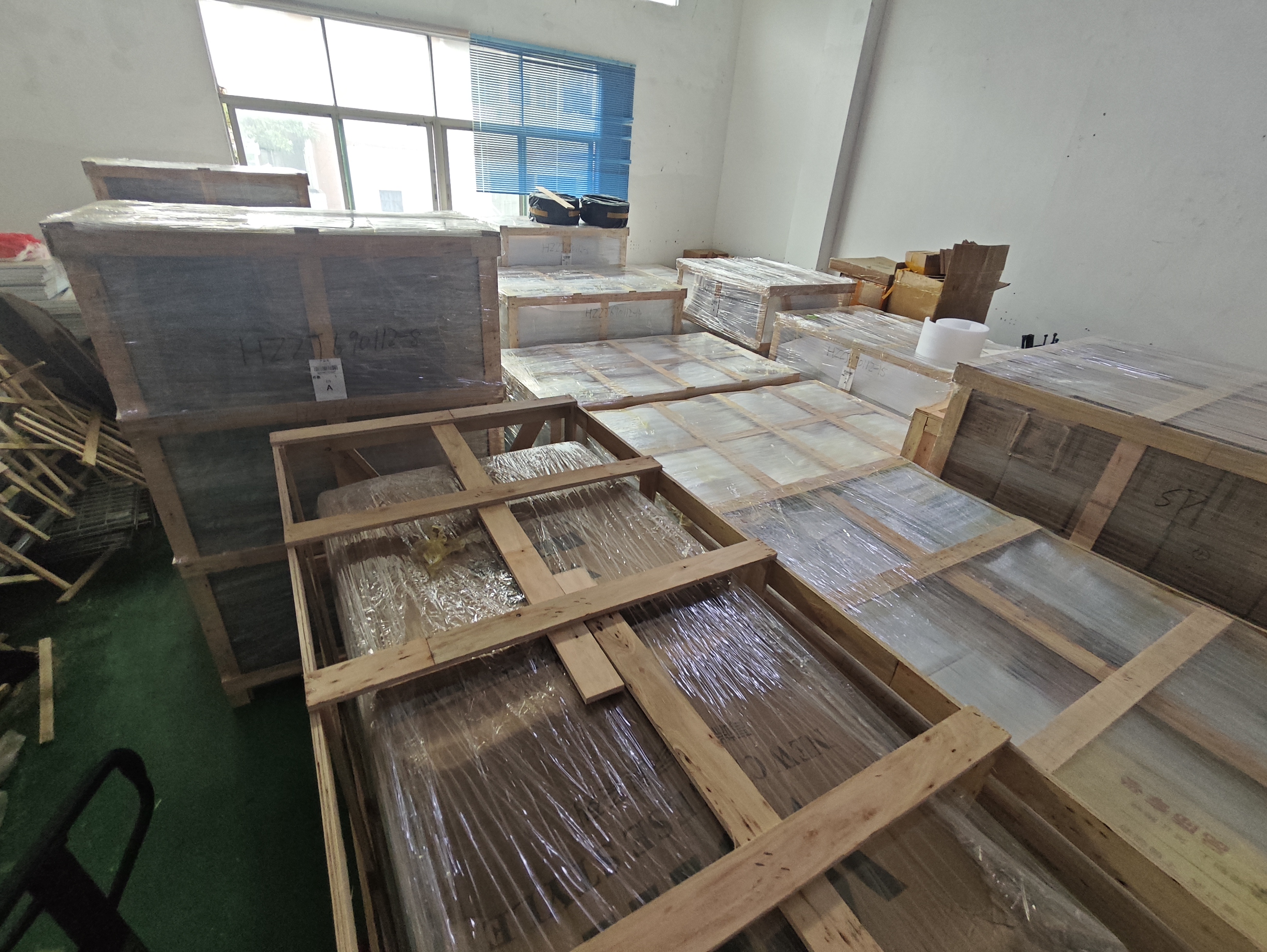
How can I ensure the safety of my goods during shipping? Choose a reliable carrier and consider purchasing cargo insurance. Also, make sure your goods are properly packed. For example, fragile items should be well - padded and secured.
What are the typical transit times for container shipping from China to Adelaide? It usually takes around 18 - 25 days for a container to reach Adelaide from major Chinese ports. But this can vary depending on the shipping route, carrier, and any unforeseen circumstances like bad weather or port congestion.
Can I track my container during the shipping process? Most carriers provide tracking services. You can get the tracking number from your freight forwarder or carrier and track the container's location on their official website. With the latest technology, many of these tracking systems are quite accurate and can provide real - time information.
In summary, container shipping from China to Adelaide in 2026 involves dealing with new policies, choosing the right shipping method, handling documentation accurately, and managing costs. By keeping these points in mind and being well - prepared, you can ensure a smooth and successful import process.
If you're looking for a reliable partner in this process, I'd like to recommend Shengda International Logistics. They focus on cross - border shipping from China to Australia, offering various services such as container shipping, cargo insurance, and customs clearance. Their team has rich experience in dealing with the latest regulations and can provide personalized solutions to meet your specific needs.
