

1. Introduction
Are you a Canadian small business owner, importer, or e - commerce seller looking for the best way to buy goods from China and ship them to Canada in 2026? You're not alone. With the increasing trade between China and Canada, more and more businesses are seeking efficient and cost - effective shipping channels. I've been in the cross - border logistics industry for years, handling countless shipments between the two countries. I've seen the challenges and opportunities firsthand. In this article, I'll share my experience and guide you through the process.
2. Common Shipping Channels
2.1 Air Freight
Air freight is known for its speed. It's a great option if you need to get your goods quickly. For instance, if you're a 3C electronics seller in Vancouver and you've just launched a new product line, you want to restock your inventory as soon as possible. Air freight can satisfy this need. The shipping time is usually around 7 - 12 days.
One of my clients, a 3C electronics seller in Toronto, once had an urgent order to fulfill. They used air freight to ship their products from Shenzhen to Toronto. The products arrived in just 9 days, allowing them to meet their customer's demand on time. However, air freight is expensive. The high cost can eat into your profit margins, especially if you're shipping large quantities or heavy items.
2.2 Sea Freight
Sea freight is the most economical choice for large - volume shipments. There are two main types: full container load (FCL) and less than container load (LCL).
FCL is suitable for businesses with large orders. If you're a trade factory in Canada that needs to import a large quantity of raw materials from China, FCL might be the best option. You can get a dedicated container, which ensures the safety of your goods. For example, an apparel importer in Montreal who orders a large amount of clothing every season opts for FCL. They recently shipped 40HQ containers of clothing from Shanghai to the Port of Montreal. The shipping took about 28 - 32 days, but the cost per unit was significantly lower compared to air freight.
LCL is more suitable for small - volume shipments. Home goods sellers who want to test the market with a small batch of products can choose LCL. They can share the container space with other shippers, which reduces the cost. However, LCL might have longer transit times and more handling processes, which increase the risk of damage to the goods.
2.3 Express Delivery
Express delivery services like DHL, FedEx, and UPS offer door - to - door service. They're very convenient, especially for small and urgent packages. If you're an e - commerce seller in Calgary and you have a few small parcels to send to your customers in Canada from China, express delivery is a good choice. The delivery time is usually within 3 - 5 days.
I once had a client who was an e - commerce startup in Calgary. They were selling handmade jewelry from China. They used DHL to ship their products directly to their Canadian customers. The customers could track their packages in real - time, and the service was highly rated. But express delivery is quite expensive, and there are restrictions on the size and weight of the packages.
3. Key Considerations When Choosing a Shipping Channel
3.1 Cost
As a business owner, cost is always a major concern. You need to calculate the shipping cost, including freight, customs duties, and other fees. Sea freight is generally the cheapest for large - volume shipments, while air freight and express delivery are more expensive.
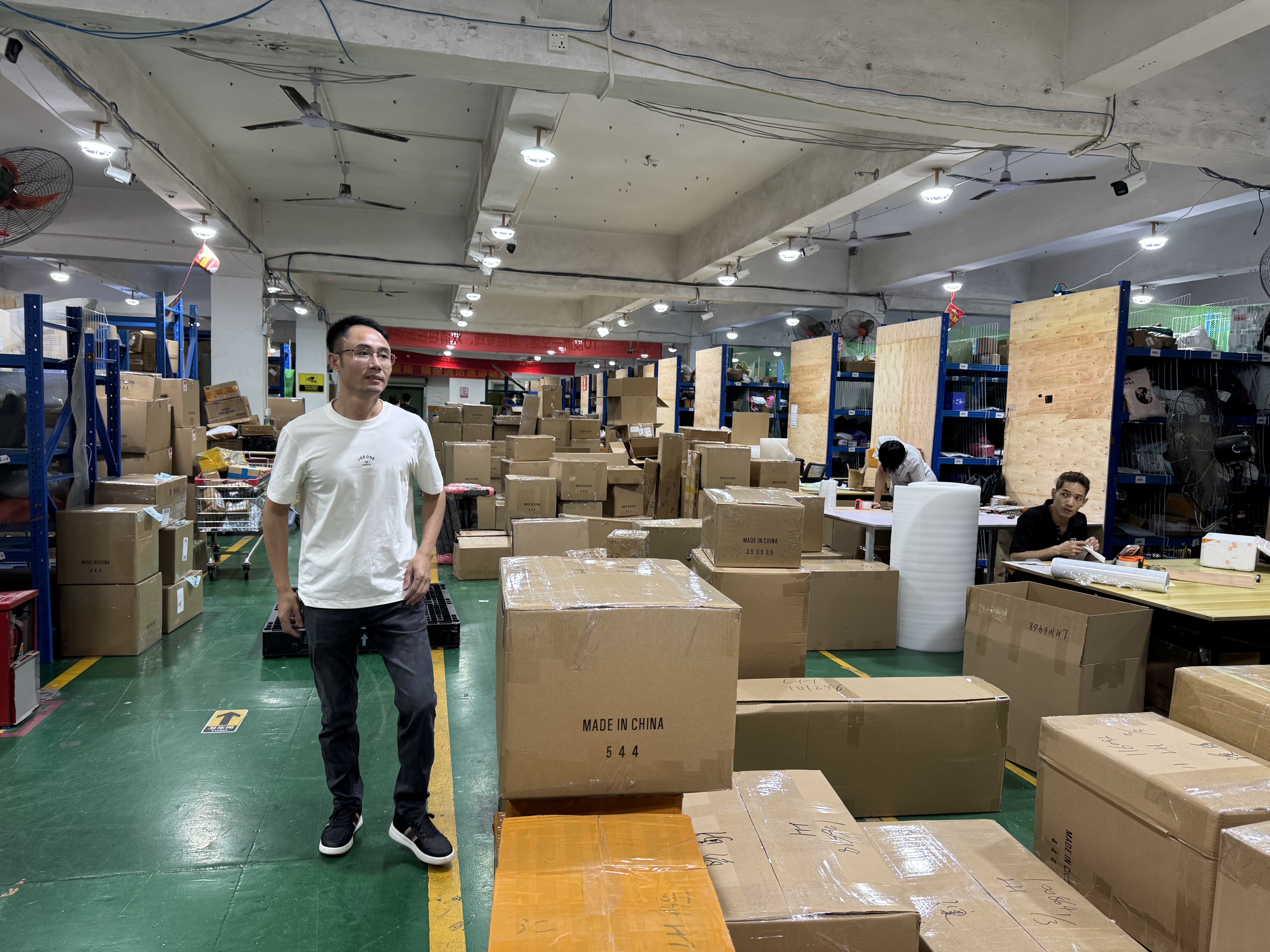
However, you also need to consider the cost - effectiveness. For example, if you choose air freight, you can get your products to the market faster, which means you can start selling earlier and potentially make more profit.
3.2 Transit Time
The transit time affects your inventory management and customer satisfaction. If you have a tight deadline or your customers expect fast delivery, air freight or express delivery might be more suitable. On the other hand, if you have a long lead - time and can afford to wait, sea freight is a good option.
3.3 Goods Nature
The nature of your goods also plays a crucial role. Fragile items like glassware might be better shipped by air or express delivery to minimize the risk of damage during transit. Hazardous materials have strict regulations, and you need to choose a shipping channel that complies with these regulations. For example, some electronics with batteries need special handling, and only certain shipping channels can carry them.
4. 2026 Policy Impacts
In 2026, there have been some significant policy changes in the China - Canada cross - border logistics. The Canadian Border Services Agency (CBSA) has tightened its inspection standards, especially for food and cosmetics. If you're importing these types of goods, you need to ensure that you have all the necessary documentation, such as certificates of origin and health certificates.
I remember a client who was a food importer in Toronto. They didn't know about the new inspection standards and shipped a batch of snacks from China without proper documentation. The goods were held at the Port of Vancouver for over 2 weeks, which caused a great loss to their business. So, it's very important to stay updated on the policy changes and comply with them.
5. FAQ
Q1: What if my goods are held at the customs? A: If your goods are held at the customs, it could be due to various reasons, such as incomplete documentation or non - compliance with regulations. First, you need to contact your shipping agent or customs broker immediately. They can help you find out the exact reason and provide solutions. For example, they might help you prepare the missing documents or clarify some misunderstandings with the customs.
Q2: Can I track my shipment? A: Most shipping channels offer tracking services. If you use air freight or express delivery, you can usually get real - time tracking information on the carrier's website. For sea freight, you can also track the vessel's position and estimated arrival time. At [company name], we have a self - developed intelligent logistics system that allows you to track your shipment from the moment it leaves the warehouse in China until it reaches your doorstep in Canada.
Q3: How can I reduce the shipping cost? A: One way is to choose the right shipping channel based on your shipment volume and urgency. Sea freight is generally cheaper for large - volume shipments. You can also try to consolidate your orders to fill a full container if you choose FCL. Another option is to negotiate with your shipping agent or find a reliable freight forwarder who can offer you better rates.
Q4: Are there any restrictions on the goods I can ship from China to Canada? A: Yes, there are restrictions. Items like firearms, drugs, and some endangered species products are strictly prohibited. For other goods, such as food, cosmetics, and electronics with batteries, there are specific regulations and requirements. You need to ensure that your goods comply with both Chinese and Canadian laws and regulations.
When choosing the best channel to buy goods from China and ship to Canada in 2026, you need to consider multiple factors. By understanding the shipping channels, key considerations, and policy impacts, you can make an informed decision and ensure the smooth flow of your business. Remember to stay updated on the industry changes and work with a reliable logistics partner.
