

I. Introduction
Hey there, Australian small business owners, importers, and e - commerce sellers! If you're involved in importing goods from China to Canada in 2026, you've probably come across the term "parcel consolidation." It might sound simple, but there's a lot more to it than meets the eye. I remember a client in 2025 who was struggling with high shipping costs and long delivery times. He was importing home goods from China to Vancouver, and his business was suffering. That's when he discovered the power of parcel consolidation. In this article, I'll share my hands - on experience and give you all the ins and outs of China parcel consolidation for Canada.
II. What is Parcel Consolidation?
Definition Parcel consolidation is a service that combines multiple small parcels into one larger shipment. Instead of sending each item separately, which can be costly and time - consuming, you can group them together. For example, if you're an apparel importer and you've ordered several small shipments of clothes from different Chinese suppliers, a consolidation service can gather them all in one place and send them to Canada as a single unit.How it Works First, you'll need to choose a reliable consolidation provider. Once you place your orders with Chinese suppliers, you'll provide the consolidation warehouse's address as the shipping destination. The warehouse staff will receive your parcels, check them for damage, and then consolidate them. They'll also handle the necessary paperwork, such as customs declarations and shipping documents.
III. Advantages of Parcel Consolidation (Deep - Dive Section, 40% of the Article)
Cost Savings One of the most significant advantages of parcel consolidation is cost reduction. Shipping multiple small parcels can be extremely expensive due to individual handling fees and higher per - parcel shipping rates. By consolidating, you can take advantage of bulk shipping rates. For instance, a 3C electronics seller who used to pay around CAD 500 for individual shipments of small electronic components from China to Toronto found that after consolidation, the cost dropped to approximately CAD 320 for the same volume of goods. This is because carriers often offer better rates for larger shipments.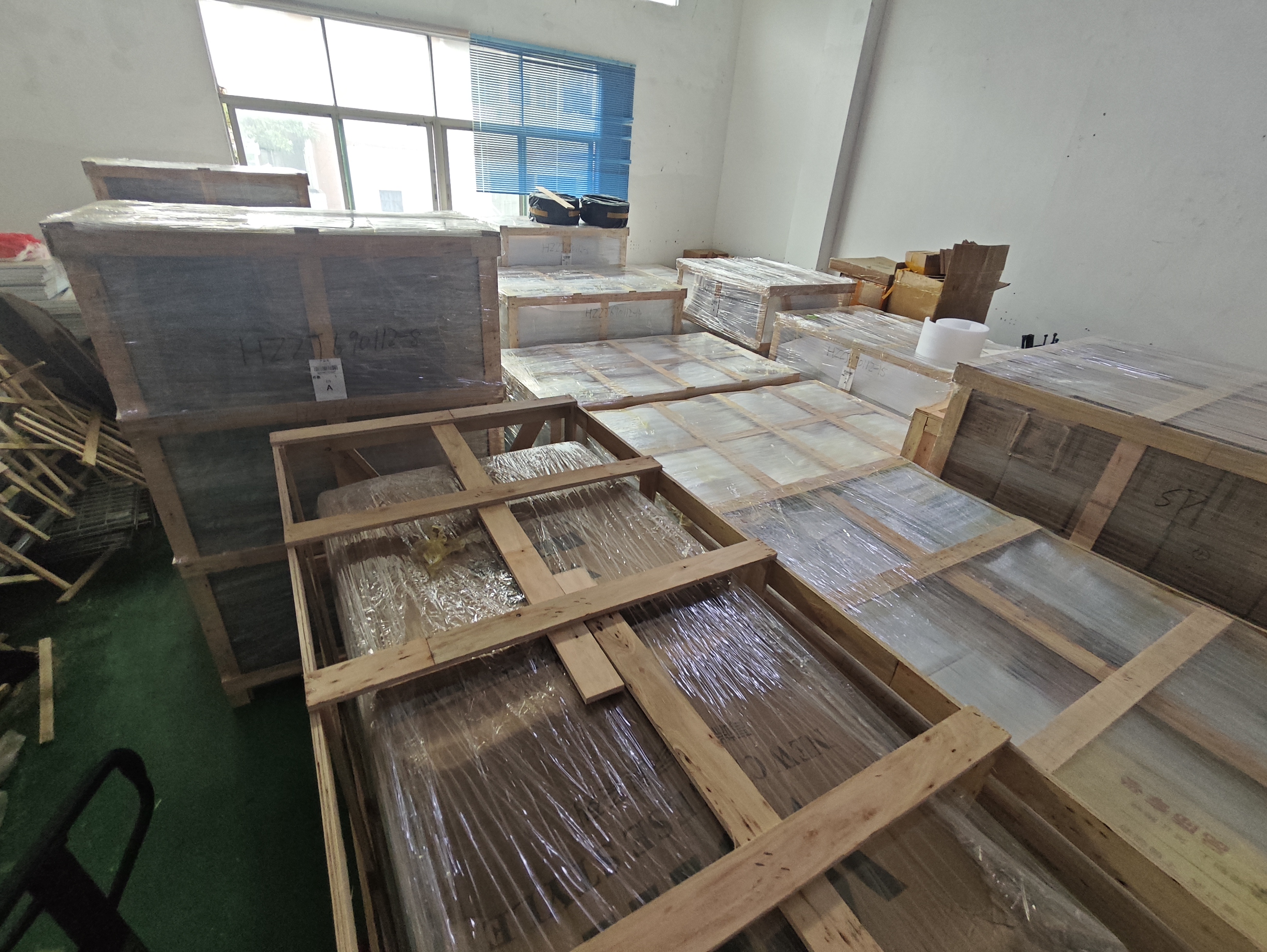
Reduced Shipping Time Consolidation can also lead to shorter shipping times. Instead of waiting for each individual parcel to make its way through the shipping process, a single consolidated shipment can move more quickly. In some cases, the shipping time can be reduced by 3 - 5 days. A home goods seller importing items from various suppliers in China to Montreal noticed that the delivery time went from an average of 18 days to about 13 days after switching to a consolidation service.
Easier Customs Clearance Handling customs clearance for multiple small parcels can be a nightmare. Each parcel requires its own set of documents, and there's a higher chance of errors or delays. With a consolidated shipment, the consolidation provider will handle all the customs paperwork in one go. They're experienced in dealing with Canadian Border Services Agency (CBSA) regulations and can ensure that your goods clear customs smoothly. For example, they'll accurately classify your goods according to the HS codes, which is crucial for proper valuation and taxation.
Inventory Management Consolidation also helps with inventory management. You can have better control over your stock levels when you receive all your goods at once. This allows you to plan your sales and restocking more effectively. A trade factory that imports raw materials from China to Calgary found that by consolidating shipments, they could better manage their inventory and reduce the risk of overstocking or running out of supplies.
IV. Disadvantages of Parcel Consolidation
Initial Delay There can be an initial delay while waiting for all the parcels to arrive at the consolidation warehouse. If one of your suppliers is late in shipping, it will hold up the entire consolidation process. For example, if you're an apparel importer and one of your Chinese suppliers is a week behind schedule, the consolidated shipment won't be sent until that parcel arrives.Risk of Damage When multiple parcels are combined, there's a slightly higher risk of damage during the consolidation process. The warehouse staff has to handle the parcels carefully, but there's always a chance that something might go wrong. For instance, if the packing materials aren't sufficient, items could get damaged during transit.
Dependency on the Provider Your entire shipping process depends on the reliability of the consolidation provider. If they make a mistake, such as incorrect customs declarations or poor packing, it can cause problems for your shipment. You need to do thorough research before choosing a provider to minimize this risk.
V. Choosing the Right Parcel Consolidation Service Provider
Experience and Reputation Look for a provider with a good track record in China - Canada parcel consolidation. Check for reviews and testimonials from other Australian small business owners, importers, or e - commerce sellers. I once recommended a provider to a client, and it turned out they had a history of delays and lost packages. So, due diligence is crucial.Services Offered A good provider should offer a range of services, such as inventory management, customs clearance assistance, and tracking. For example, [盛达国际物流] offers一站式免费增值服务, including全平台包裹代收,入库查验拍照,免费拆包合箱精简包装, 365天长期免费仓储, and易碎品专属防震打包. These services can make your shipping process much smoother.
Cost While cost is important, don't just go for the cheapest option. Compare the prices of different providers while considering the quality of services they offer. Some providers might have hidden fees, so make sure you understand the full cost breakdown.
VI. FAQ
Q: How long does the parcel consolidation process usually take? A: It depends on various factors. If all your parcels arrive at the consolidation warehouse on time, the process can take around 2 - 3 days. However, if there are delays from suppliers, it can take much longer.Q: Can I consolidate different types of goods? A: Yes, you can. But you need to make sure that all the goods are compliant with Canadian customs regulations. For example, if you're consolidating food items, they need to meet the standards set by the Canadian Food Inspection Agency (CFIA).
Q: What if one of my parcels is damaged during the consolidation process? A: A reliable provider should have an insurance policy or a compensation plan. For example, [盛达国际物流] has a正规理赔机制 for goods damaged due to operational errors. It's important to discuss this with your provider before using their services.
Q: Do I need to be present during the customs clearance process? A: No, you don't. Your consolidation provider will handle all the customs paperwork and procedures. They'll work closely with the CBSA to ensure that your goods are cleared smoothly.
Q: How can I track my consolidated shipment? A: Most consolidation providers offer a tracking service. You'll be given a tracking number, and you can use it to check the status of your shipment on the provider's website or app. For example, [盛达国际物流] has a自研智能集运系统 that provides real - time updates on the logistics process.
In 2026, with the evolving policies and regulations in the China - Canada trade, parcel consolidation remains a valuable option for Australian small business owners, importers, and e - commerce sellers. By understanding its pros and cons and choosing the right provider, you can optimize your shipping process and boost your business's competitiveness. Stay vigilant, do your research, and make the most of this shipping solution!
