

I. Introduction
Hey there, Australian small business owners, importers, and e - commerce sellers! As someone deeply involved in the cross - border logistics game between China and Australia for years, I've seen my fair share of issues and successes in furniture sea freight. In 2026, there have been some significant policy changes and industry trends that you need to be aware of. Let me share some hands - on experience and insights to help you navigate this complex process.
II. 2026 Policy and Industry Updates
The Australian Border Force (ABF) and the Department of Agriculture, Fisheries and Forestry (DAFF) have tightened up their regulations this year. For furniture, especially those made of wood, stricter biosecurity measures are in place. Wood products need to show proper treatment certificates to prove they're free from pests and diseases. For instance, if the wood is not correctly treated, it might be seized at the port of Melbourne or Port Botany.
I had a client back in 2024 who shipped some beautiful wooden furniture from a trade factory in China. They didn't know about the biosecurity requirements at that time, and the shipment was held at Port Botany for weeks. The client had to pay extra fees for the storage and the re - treatment of the furniture, which really ate into their profits.
III. Cost Breakdown of Furniture Sea Freight (Core Section - 40% of the Article)
When it comes to shipping furniture to Australia, understanding the cost components is crucial.
1. Freight Charges
The freight cost mainly depends on the volume of the furniture. Normally, sea freight uses a cubic meter (CBM) pricing model. For furniture from China to Sydney or Melbourne, the freight rate can range from around $250 - $400 per CBM. This rate can fluctuate due to factors like fuel prices, ship capacity, and seasonal demand.
2. Packaging Costs
Good packaging is non - negotiable for furniture. You need to protect your products from damage during the long - distance journey. The cost of packaging materials such as wooden crates, foam, and wrapping paper can add up. On average, for a medium - sized piece of furniture, packaging might cost around $50 - $100.
3. Customs Duties and Taxes
The Australian government imposes customs duties and Goods and Services Tax (GST) on imported furniture. The duty rate varies depending on the type of furniture and its origin. In general, the GST is 10% of the value of the goods plus the customs duty.
4. Handling and Storage Fees
There are often handling fees at the ports. At Port Botany in Sydney, for example, the handling fee might be around $30 - $50 per CBM. If your shipment is delayed at the port, you'll also face storage fees, which can be quite expensive. On average, storage fees can be about $5 - $10 per day per CBM.
Let's take a real - world example. A trade factory in China wants to ship 20 cubic meters of furniture to Melbourne. The freight charge is $300 per CBM, so that's $300 x 20 = $6000. The packaging cost is estimated at $150 per piece, and if there are 10 pieces of furniture, that's $1500. Customs duties are around 5% of the furniture's value (let's say the furniture is valued at $20,000), so the duty is $1000, and the GST is 10% of ($20,000 + $1000), which is $2100. Handling fees at the port of Melbourne are $40 per CBM, so $40 x 20 = $800. The total cost of this shipment would be approximately $6000 + $1500+ $1000 + $2100 + $800 = $11400.
IV. Logistics Process and Key Points
1. Booking and Documentation
First, you need to book the shipping space with a reliable freight forwarder. You'll also need to prepare a series of documents, including the commercial invoice, packing list, bill of lading, and any relevant certificates like the wood treatment certificate.
2. Loading and Shipping
The furniture will be loaded onto the ship at the Chinese port. It's important to ensure proper loading to prevent damage. The shipping time from China to Australia can vary. Usually, it takes roughly 14 - 20 days to reach ports like Sydney or Brisbane.
3. Customs Clearance
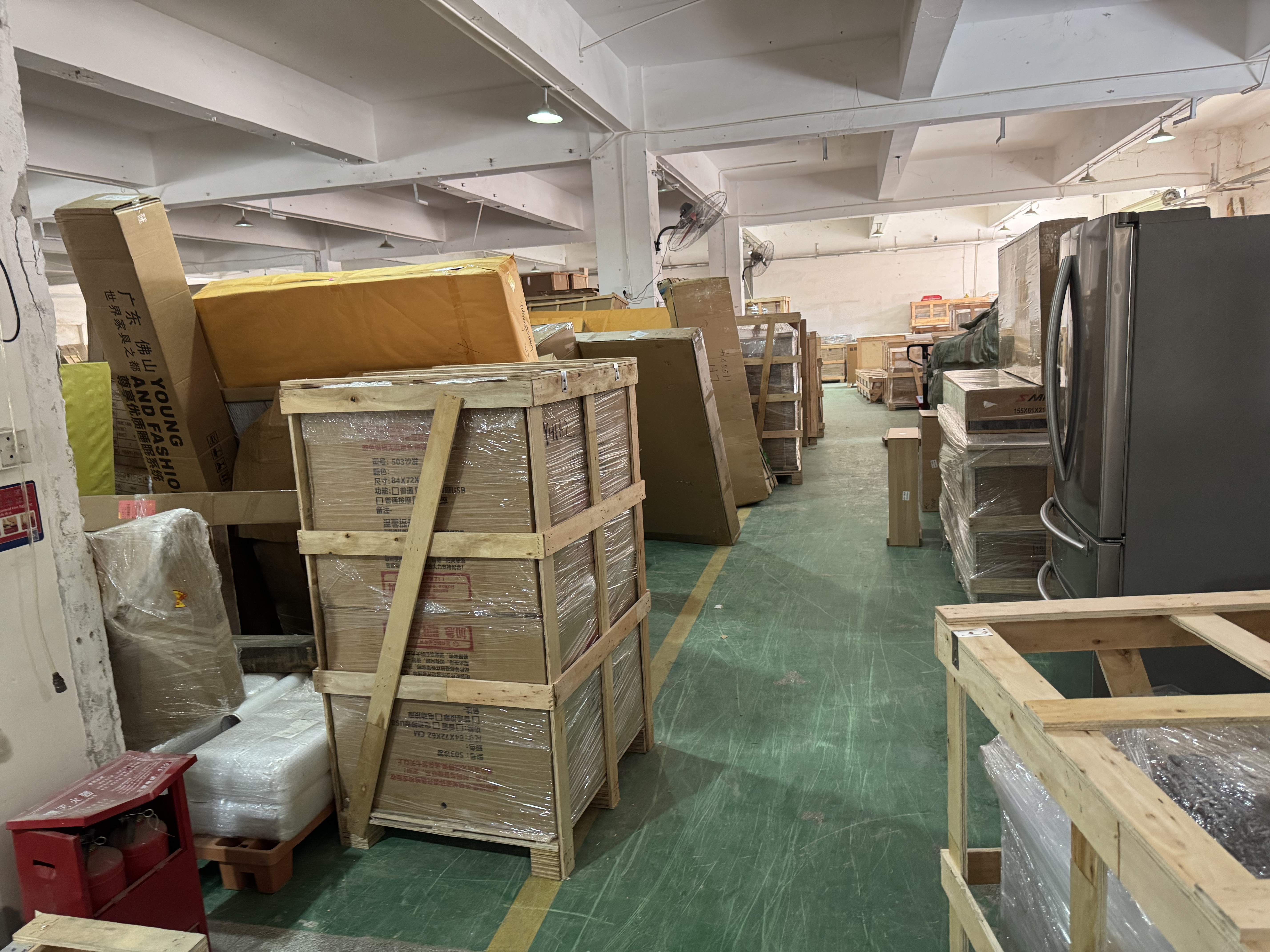
Once the shipment arrives at the Australian port, it will go through customs clearance. As mentioned earlier, 2026 policies make it essential to have all the correct documents. If there are any issues, the shipment will be held, causing delays.
4. Delivery
After customs clearance, the furniture will be delivered to its final destination. This can be a warehouse, a retail store, or a customer's address.
V. Selecting a Reliable Logistics Partner
Choosing the right logistics partner can make or break your furniture sea freight experience. Companies like Shengda International Logistics have a lot to offer. They've been in the industry for a while and have a deep understanding of the 2026 policies.
Shengda International Logistics focuses on China - Australia cross - border logistics. They provide a full - service package, including free packaging inspection, long - term free storage, and a risk - adjusted shipping plan. One of my apparel importer clients used their services last year to ship some furniture. They were really impressed with the seamless process and the great communication. The furniture arrived in perfect condition, and the client didn't have to worry about any customs hassles.
VI. FAQ
What if my wooden furniture doesn't have a proper treatment certificate? Well, if your wooden furniture doesn't have the right treatment certificate, it'll likely be held at the Australian port. You may have to pay for re - treatment, which can be costly and time - consuming. In some severe cases, the furniture could even be destroyed. That's why it's really important to ensure you have all the necessary documents before shipping.
Can I reduce the freight cost? Yes, you can. For example, you can try to optimize the packing to reduce the volume. Some freight forwarders offer better rates for larger shipments, so you could consider consolidating your orders. However, make sure you're not sacrificing the quality of packaging and furniture safety.
How long does customs clearance usually take? Under normal circumstances, customs clearance can take 2 - 3 business days. But if there are document issues or if your shipment is selected for inspection, it could take much longer, sometimes up to a week or more.
Is it necessary to buy insurance for my furniture shipment? It's highly recommended. Shipping is a long and complex process, and there are always risks like damage, loss, or theft. Insurance can give you peace of mind and cover the costs in case something goes wrong. For example, if a container is damaged at sea and your furniture gets ruined, insurance will compensate you.
What should I do if my shipment is delayed at the port? First, contact your freight forwarder immediately. They'll be able to check the status of your shipment and see what's causing the delay. It could be due to customs issues, port congestion, or other reasons. They can then help you come up with a solution, such as expediting the customs process or finding an alternative delivery method.
In closing, I hope this guide has given you a better understanding of furniture sea freight to Australia in 2026. Being well - informed and choosing the right partners are key to a successful import process. Good luck with your business!
