

I. Introduction
Hey there, Australian small business owners, importers, and e - commerce sellers! In 2026, shipping oversized furniture from China to Canada has become a frequent yet challenging task. I've been in the cross - border logistics field for quite some time, dealing with all sorts of shipping issues. And let me tell you, oversized furniture shipping is a whole different ballgame.
II. 2026 Policy Updates and Industry Trends
In 2026, there have been several key policy adjustments in the China - Canada cross - border logistics industry. The Canadian Border Services Agency (CBSA) has tightened inspections on wooden materials used in furniture. This is mainly to prevent the entry of pests and diseases that could harm the local ecosystem. For instance, if your furniture contains untreated wood, it might face extended quarantine and inspection periods.
Another trend is the increasing demand for sustainable shipping. More and more Canadian consumers and businesses are conscious about the environmental impact of shipping. So, shipping companies are now looking for more eco - friendly options, like using bio - diesel in shipping vessels and optimizing routes to reduce fuel consumption.
III. Shipping Channels and Their Characteristics
There are mainly two shipping channels for oversized furniture from China to Canada: air freight and sea freight.
1. Air Freight
Air freight is known for its speed. It's suitable when you're in a hurry to get your furniture to the Canadian market. However, it comes with a hefty price tag. The cost can be up to 5 - 10 times more expensive than sea freight. For example, if you're shipping a large, custom - made sofa from Shanghai to Vancouver, air freight might get it to the destination in about 3 - 5 days. But the shipping cost could be around CAD 5,000, depending on the size and weight of the sofa.
2. Sea Freight
Sea freight is the most common choice for oversized furniture due to its cost - effectiveness. There are two sub - options: Full Container Load (FCL) and Less than Container Load (LCL).
FCL: This is ideal when you have a large quantity of furniture to ship. You rent an entire container, which gives you more space and control over your goods. For example, a furniture importer in Toronto might have a large order of dining sets from a Chinese factory. Renting a 40 - foot container (40HQ) can provide enough space for multiple sets. The shipping time from a Chinese port like Ningbo to Toronto is around 25 - 30 days, and the cost is relatively stable, usually around CAD 3,500.LCL: If you have a smaller quantity of oversized furniture, LCL is a good choice. Your furniture shares a container with other shippers' goods. It's more affordable but has a longer transit time and more complex handling process. For a single oversized wardrobe being shipped from Qingdao to Montreal, the shipping cost might be around CAD 800, but it could take 35 - 40 days to arrive.
IV. Cost Breakdown
The cost of shipping oversized furniture from China to Canada is made up of several components.
Freight Charge: This is the basic cost for transporting your furniture from the Chinese port to a Canadian port. It varies depending on the shipping channel, container size, and distance. Sea freight charges are generally based on the volume or weight of the goods, whichever is higher.Customs Clearance Fee: You need to pay for the clearance process at both the Chinese and Canadian customs. This fee covers the cost of documentation, inspection, and taxation.
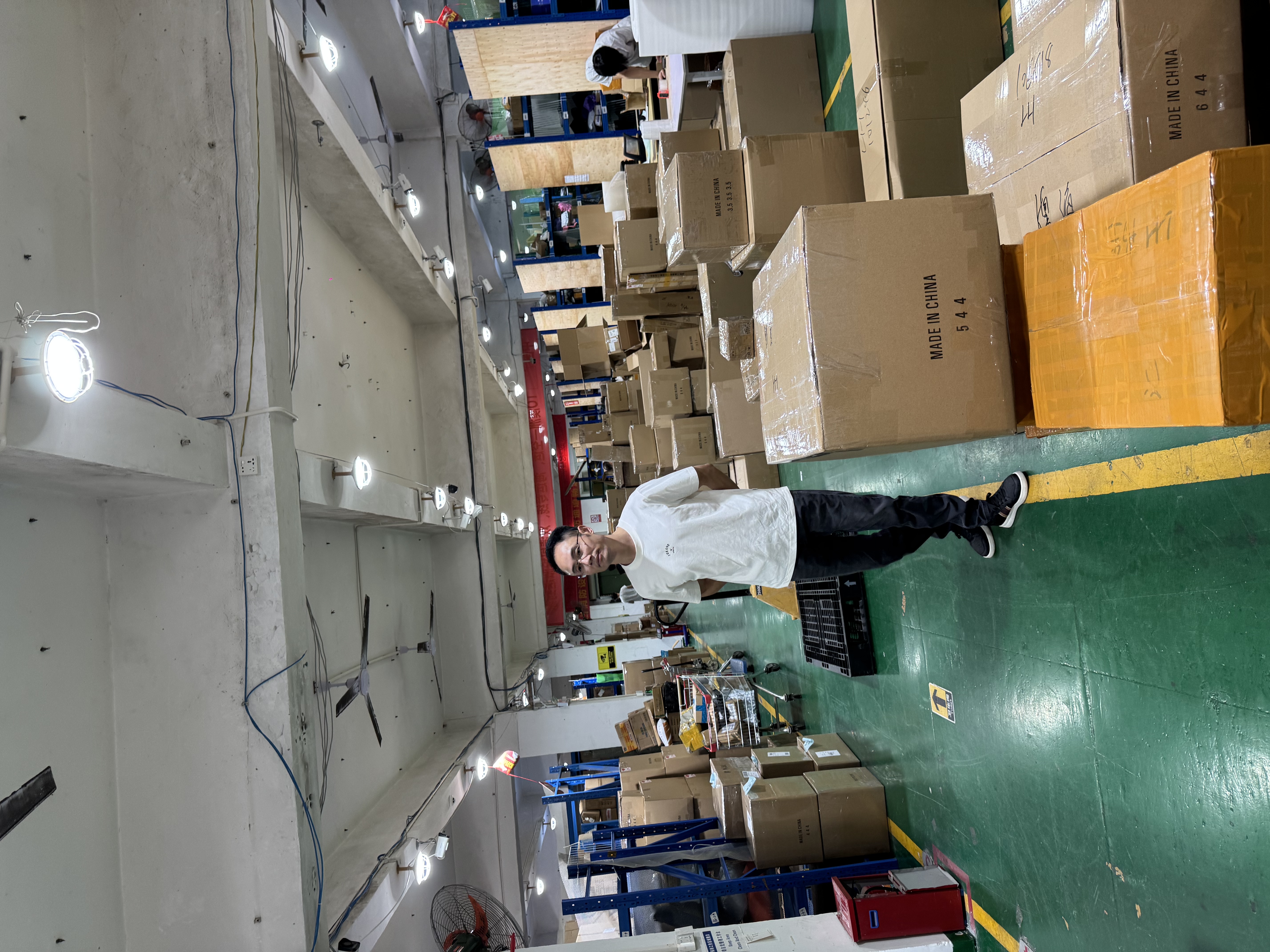
Warehousing Fee: If your furniture needs to be stored at the port or in a warehouse during transit, you'll be charged a storage fee. The longer the storage time, the higher the fee.
Insurance Fee: It's highly recommended to purchase insurance for your valuable oversized furniture. The insurance fee is usually a small percentage of the value of the goods.
V. Shipping Process Step - by - Step
1. Planning and Supplier Selection
Before you start shipping, you need to have a clear plan. Determine the quantity, size, and schedule of your furniture shipment. Choose a reliable Chinese furniture supplier. I once had a client who chose a supplier without proper due diligence. The supplier delivered low - quality furniture with incorrect dimensions, which caused a lot of hassle during shipping and customs clearance.
2. Booking and Documentation
Book your shipping space in advance, especially during peak seasons. Prepare all the necessary documents, such as the commercial invoice, packing list, bill of lading, and certificate of origin. Incorrect or incomplete documentation can lead to delays at the port.
3. Packaging and Loading
Proper packaging is crucial for oversized furniture. Use high - quality materials like wooden crates and foam padding to protect the furniture from damage during transit. The loading process also needs to be carried out carefully to ensure the furniture is properly secured in the container.
4. Shipping and Tracking
Once the container is on its way, you can track its progress through the shipping company's system. Stay in touch with the shipping agent in case of any issues or delays.
5. Customs Clearance in Canada
Upon arrival in Canada, your furniture will go through the customs clearance process. Make sure all the declared information is accurate to avoid any penalties or seizures.
6. Delivery to Destination
Finally, your furniture will be delivered to your specified location in Canada. You can choose door - to - door delivery for more convenience.
VI. Common Challenges and How to Avoid Them
1. Customs Issues
As mentioned earlier, the CBSA has strict regulations on imported furniture, especially those made of wood. To avoid customs problems, make sure your furniture meets all the Canadian standards. Get proper certifications and inspections from Chinese authorities before shipping.
2. Damage During Transit
The rough handling during shipping can cause damage to your oversized furniture. Invest in good packaging materials and choose a shipping company with a good track record in handling large and fragile items.
3. Delays
Weather conditions, port congestion, and documentation errors can all lead to shipping delays. Plan your shipment in advance and build in some buffer time to avoid any business disruptions.
VII. FAQ
Q1: How long does it usually take to ship oversized furniture from China to Canada by sea? A: It generally takes around 25 - 40 days, depending on the origin and destination ports, as well as the shipping route. For example, shipments from eastern Chinese ports to western Canadian ports like Vancouver might be on the shorter end of the spectrum, while those to eastern Canadian ports can take a bit longer.
Q2: Do I need to pay duties and taxes for oversized furniture import? A: Yes, you do. The Canadian customs will assess duties and taxes based on the value of the furniture, its origin, and the applicable tariff rates. It's important to accurately declare the value of your goods to avoid any issues.
Q3: Can I insurance my oversized furniture during shipping? A: Absolutely. It's a great idea to insure your furniture. Most shipping companies offer insurance services. You can choose different levels of coverage based on the value of your goods. In case of damage or loss during transit, you can file a claim and get compensated.
Q4: How can I choose a reliable shipping company for oversized furniture? A: Look for a company with experience in handling oversized items and a good reputation in the industry. Check their track record of on - time delivery and customer satisfaction. You can also ask for references from other importers or business owners. And make sure they have a clear understanding of the 2026 China - Canada shipping policies.
Q5: What should I do if my furniture is damaged during customs inspection? A: First, document the damage with photos and videos. Then, contact your shipping agent and insurance provider immediately. They will guide you through the claim process. It's also important to cooperate with the customs authorities to resolve any issues that might have caused the inspection in the first place.
In the future, as the cross - border logistics industry between China and Canada continues to evolve, staying informed and prepared will be key to successful oversized furniture shipping. Keep an eye on policy changes and industry trends, and always choose reliable partners.
