

I. Introduction
Hey there, Canadian small business owners, importers, and e - commerce sellers! If you're in the game of importing goods from China, less than container load (LCL) shipping could be your go - to solution. But 2026 brings in some new trends, policies, and tricks you need to know. I've been in the cross - border logistics front - line for years, and I've seen businesses make big gains or stumble badly based on their shipping decisions. Let's dig into everything about LCL shipping from China to Canada this year.
II. The Attractions of LCL Shipping
Cost - Efficiency For SMBs, cash flow is king. LCL shipping allows you to share container space, which means you only pay for the space you use. This can significantly cut down your shipping costs, especially if you're not shipping large volumes. For example, a home goods seller in Toronto who only needs to import a few pallets of decorative items each month can save a lot by choosing LCL instead of full container load.Flexibility You don't have to wait until you have enough goods to fill an entire container. This gives you the freedom to place smaller, more frequent orders. An apparel importer in Vancouver can test new clothing lines in the market with small quantities and adjust orders based on customer feedback.
III. 2026 Policy and Regulatory Landscape
New Customs Regulations The Canadian Border Services Agency (CBSA) has introduced some changes in 2026. They're focusing more on eManifest accuracy. You'll need to provide detailed and correct information about your shipment, such as the exact description of goods, their value, and origin. I had a client back in 2023 who had a shipment held up at the Port of Montreal because of inaccurate eManifest details. It cost them time and extra fees. So, make sure you double - check all the information before submitting it.Food and Safety Regulations If you're importing food products, the Canadian Food Inspection Agency (CFIA) has tightened its rules. You need to ensure that your food items meet all the Canadian safety and labelling standards. For instance, any food products with additives must be properly declared and comply with Canadian regulations. This has been a pain point for many 3C electronics sellers as well, who also sometimes include small food items as promotional gifts in their shipments.
IV. The LCL Shipping Process (In - Depth)
Step 1: Goods Consolidation First, your goods are collected from different suppliers in China and brought to a consolidation warehouse. Here, they're grouped with other shipments going to Canada. At this stage, it's crucial to have a reliable logistics partner who can ensure proper handling and storage. My first time handling LCL shipments, I witnessed a mishap where goods were not stored properly, and some of the fragile items were damaged. So, choose a partner with a good reputation for consolidation.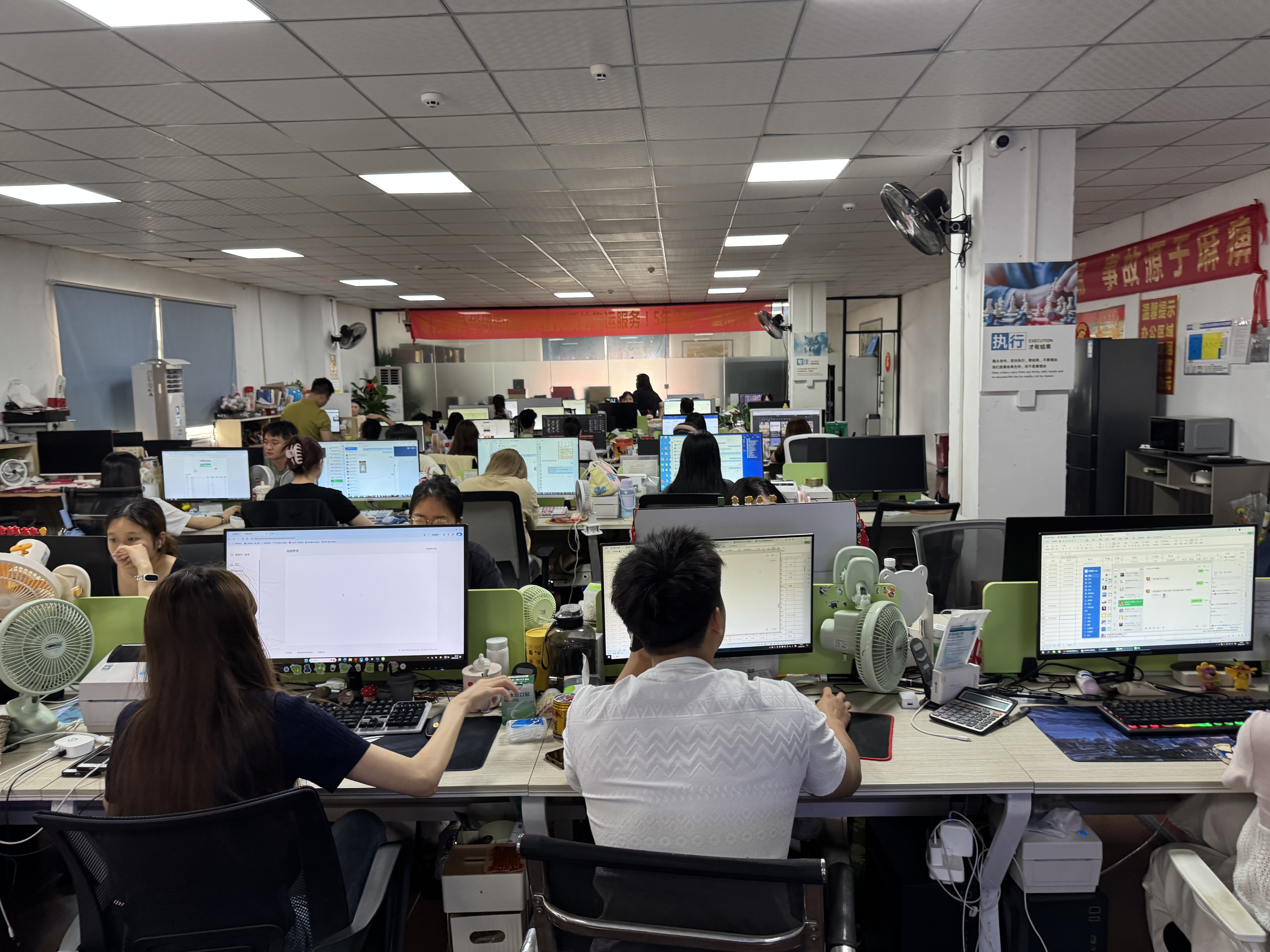
Step 2: Documentation You'll need to prepare several key documents. The bill of lading is the most important one. It serves as a contract between you, the shipper, the carrier, and the receiver. Other documents include the commercial invoice, which shows the value of the goods, and the packing list, which details the contents of each package. Incorrect documentation can lead to delays at the port. Make sure you understand the requirements for each document.
Step 3: Loading and Transit Once your goods are consolidated and documented, they're loaded onto the ship. The transit time can vary depending on the port of departure in China and the destination port in Canada. On average, it takes roughly 14 - 20 days for a shipment to reach from China to the Port of Vancouver. During transit, you can use your logistics provider's system to track the shipment's progress.
Step 4: Customs Clearance in Canada This is where the new 2026 policies come into play. Your goods will be inspected by the CBSA and possibly the CFIA if they're food items. You or your customs broker need to pay any applicable duties and taxes. It's a good idea to have a customs broker who is familiar with the 2026 regulations to handle this process smoothly.
Step 5: Final Delivery After customs clearance, your goods are delivered to your specified location in Canada. This can be a warehouse, a storefront, or any other address. Make sure you're available to receive the goods and check for any damages.
V. Choosing the Right Logistics Partner
Experience and Reputation Look for a logistics company with experience in LCL shipping from China to Canada. Check online reviews and ask for references. A well - established company is more likely to have dealt with the new 2026 regulations and can guide you through the process.Service Offerings Some logistics providers offer additional services like door - to - door delivery, customs brokerage, and cargo insurance. Consider what services you need and choose a partner that can meet those requirements.
Pricing While cost is important, don't just go for the cheapest option. Make sure the pricing is transparent and includes all the necessary fees. Hidden fees can quickly add up and eat into your profits.
VI. FAQ
What are the main differences between LCL and FCL shipping? Well, FCL is for when you have enough goods to fill an entire container. It's usually faster and may have fewer handling risks. LCL is more suitable for smaller shipments, and it's cost - effective as you only pay for the space you use. But it may take a bit longer due to the consolidation process.How can I ensure my goods are not damaged during LCL shipping? Choose a logistics provider with a good track record for handling goods. You can also ask for proper packaging and cushioning options. If you're shipping fragile items, consider using additional protection like bubble wrap or foam inserts.
What happens if my shipment is delayed at the Canadian port? Delays can happen for various reasons, like customs inspections or bad weather. If it's due to customs, make sure all your documentation is correct. Your logistics provider should keep you informed about the situation. In some cases, you may need to pay additional storage fees if the delay is long.
Do I need a customs broker for LCL shipping? It's not mandatory, but it's highly recommended. A customs broker is familiar with the Canadian customs regulations and can help you navigate the process smoothly. They can also ensure that you pay the correct duties and taxes.
Can I track my LCL shipment? Most logistics providers offer tracking services. You can use the tracking number provided to check the status of your shipment at different stages, from consolidation in China to final delivery in Canada.
As you venture into LCL shipping from China to Canada in 2026, keep these tips in mind. The key is to be well - informed, choose the right partners, and stay on top of the new regulations. Good luck with your imports!
