

I. Introduction
Owning a small business in Australia that deals with importing large furniture from China? Or perhaps you're an e - commerce seller eyeing the vast market of home goods. You know that sea shipping is often the go - to option for large furniture due to its cost - effectiveness. But in 2026, navigating the waters of large furniture sea shipping isn't as smooth as it may seem. I've been in the cross - border logistics industry for years, and I've seen many small business owners and importers fall into common traps. Let me share some valuable insights to help you avoid these pitfalls.
II. Common Pitfalls in Large Furniture Sea Shipping to Australia in 2026
1. Inadequate Packaging
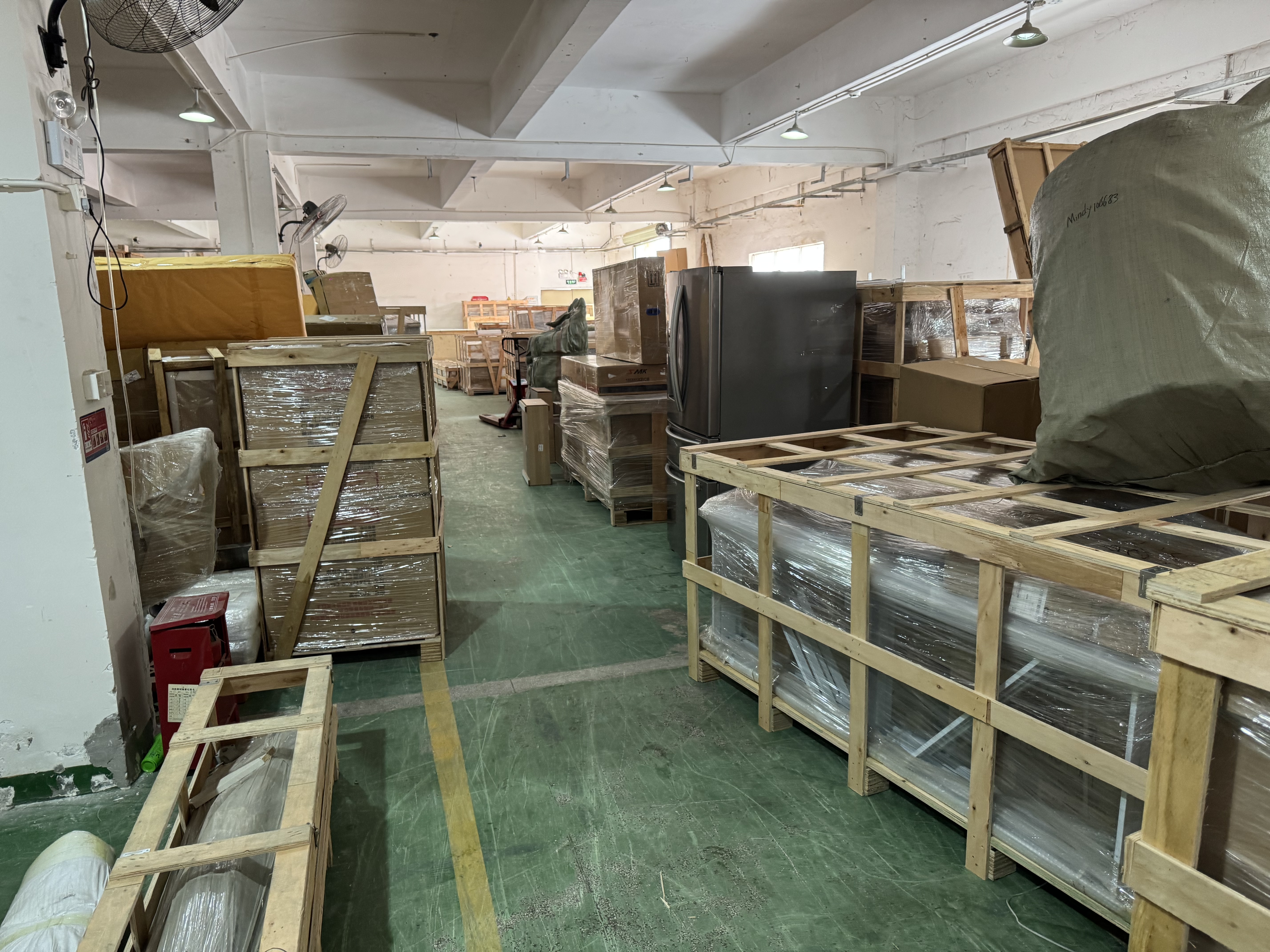
I once had a client back in 2024, an apparel importer who decided to diversify into home goods and shipped large wooden furniture from a trade factory in China to Sydney. They thought basic wrapping would do. Big mistake! When the furniture arrived at Port Botany, much of it was damaged due to rough handling during transit. In 2026, with the increasing volume of shipping, the risk of damage is even higher. For large furniture, it's crucial to use proper packaging materials. Solid wooden crates can provide sturdy protection, and for delicate parts, extra padding such as foam or bubble wrap is necessary. At our company, we offer services like wood - frame reinforcement and multi - layer shock - absorbing protection for large furniture.
2. Incorrect HS Codes and Customs Declarations
A friend of mine, a small business owner importing 3C electronics and some large furniture for his office space to Melbourne, faced a significant issue in 2025. He misclassified the large furniture when declaring HS codes. As a result, his shipment was held up at the Port of Melbourne for more than 2 weeks during customs clearance, and he had to pay hefty fines. In 2026, due to the stricter regulations of the Australian Border Force (ABF), any inaccuracy in HS codes and customs declarations can lead to serious consequences. You need to ensure that you correctly classify your furniture according to the HS code system and provide accurate details about the material, value, and quantity of the goods.
3. Neglecting Biosecurity Requirements
The Department of Agriculture, Fisheries and Forestry (DAFF) has tightened biosecurity measures in 2026. I've seen cases where wooden furniture from China was infested with pests and had to be destroyed at the port because the importer didn't follow the biosecurity requirements. If your large furniture contains wood, it must undergo proper fumigation or heat treatment. You'll also need to provide relevant certificates to prove that the wood meets Australian biosecurity standards.
4. Poor Shipping Route and Carrier Selection
Some small business owners may choose the cheapest shipping option without considering its reliability. For example, a home goods seller in Brisbane once selected a little - known shipping carrier for his large furniture shipment. The carrier had a history of delays and poor handling. The furniture was supposed to arrive in 40 days but ended up taking more than 60 days. In 2026, with the increasing competition for shipping space, it's important to select a carrier with a good reputation and a reliable shipping route. At [Company Name], we have direct partnerships with major carriers, ensuring stable shipping routes and on - time deliveries.
III. Solutions to Avoid These Pitfalls
1. Professional Packaging Services
Partner with a logistics provider that offers professional packaging services for large furniture. These services can include solid wood framing, foam padding, and waterproof wrapping. By doing so, you can significantly reduce the risk of damage during transit.
2. Expert Customs Clearance
Seek the help of customs experts who are familiar with the latest regulations in 2026. They can accurately classify your goods, prepare the necessary documents, and handle the customs clearance process efficiently. Our team has in - depth knowledge of Australian customs laws and can help you avoid costly mistakes.
3. Biosecurity Compliance
Ensure that your large furniture meets all biosecurity requirements before shipping. This may involve working with a certified treatment provider to fumigate or heat - treat the wood and obtain the corresponding certificates. You can ask your logistics provider to guide you through this process.
4. Optimal Shipping Route and Carrier Selection
Research different shipping carriers and their routes. Consider factors such as transit time, reliability, and cost. A good logistics provider can help you make an informed decision based on your specific needs.
IV. Comparison of Logistics Providers
| Logistics Provider | Packaging Services | Customs Clearance Expertise | Biosecurity Support | Shipping Route Options | Cost - Effectiveness |
|---|---|---|---|---|---|
| [Company Name] | Solid wood framing, foam padding, waterproof wrapping | Experienced team familiar with 2026 regulations | Full guidance on treatment and certification | Wide range of routes with major carriers | High, with transparent pricing |
| Company A | Basic packaging only | Limited knowledge of new regulations | Minimal support | Fewer route options | Low - cost but high risk |
| Company B | Standard packaging | Average customs handling | Some biosecurity checks | Standard routes | Medium - cost with average service |
V. FAQ
Q: How long does it usually take to ship large furniture from China to Australia in 2026? A: It generally takes around 35 - 45 days, but this can vary depending on factors such as the shipping route, carrier, and any unexpected delays at customs or ports. For example, if there are peak shipping seasons or unforeseen weather conditions, the transit time may be extended.Q: What if my large furniture is damaged during transit? A: At [Company Name], we have a proper claims process. We'll first assess the damage and, if it's due to our handling or shipping issues, we'll provide compensation according to our standard claims policy. It's important to document the damage as soon as the shipment arrives.
Q: Do I need to pay any additional fees during customs clearance? A: There may be duties, taxes, and other fees depending on the value and type of your large furniture. Our customs experts will help you estimate these costs in advance and ensure that all declarations are accurate to avoid any unexpected charges.
Q: Can I track my large furniture shipment? A: Yes, at [Company Name], we use a self - developed intelligent logistics system that allows you to track your shipment at every stage, from packaging in the warehouse to delivery at your doorstep in Australia.
Q: How do I ensure my large furniture meets biosecurity requirements? A: We recommend working with a professional treatment provider to carry out fumigation or heat treatment. We can also assist you in obtaining the necessary certificates and guide you through the entire process to ensure full compliance with DAFF regulations in 2026.
As you plan your large furniture sea shipping to Australia in 2026, keep these tips in mind. Remember, a little preparation can save you from big headaches and costs down the line. Don't hesitate to ask for professional help when needed!
