

I. Introduction
Hey there, Australian small business owners, importers, and e - commerce sellers! If you're in the market for shipping oversized furniture from China to Canada in 2026, you've come to the right place. I've been in the cross - border logistics game for years, and I've seen it all. From unexpected delays at the Port of Vancouver to customs headaches that can turn a profitable deal into a nightmare, I'm here to share my hands - on experience and help you navigate this complex process.
II. The Current Landscape of China - Canada Oversized Furniture Shipping in 2026
In 2026, the China - Canada shipping route has seen some significant changes. New policies from the Canadian Border Services Agency (CBSA) have tightened up customs inspections, especially for wooden furniture due to concerns about pests and invasive species. This means that proper documentation and compliance are more crucial than ever.
I remember a client back in 2024 who was shipping a large consignment of oak furniture from a trade factory in China to a store in Vancouver. They didn't follow the correct procedures for wood treatment and documentation. The shipment was held up at the Port of Vancouver for almost 14 days, resulting in additional storage fees and a significant delay in getting the furniture to the store. The final outcome was a loss of potential sales during the peak shopping season and a damaged relationship with some customers.
III. Key Considerations for Oversized Furniture Shipping
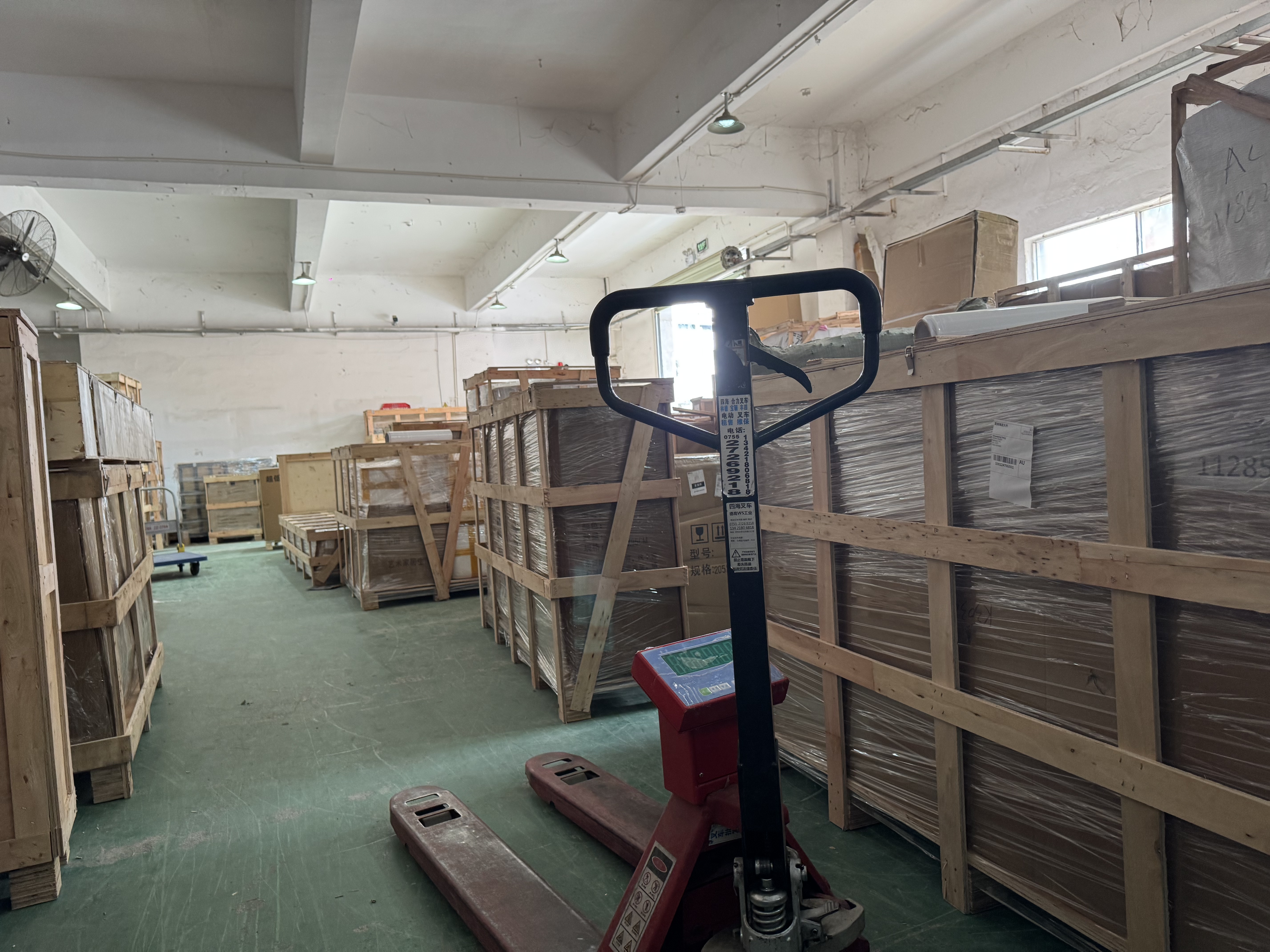
1. Packaging and Protection
Oversized furniture is more prone to damage during transit. For pieces like sofas or large dining tables, it's essential to use high - quality packaging materials. At our company, when shipping a massive antique - style dresser from a trade factory in Shanghai to a client in Toronto, we used multiple layers of foam padding, followed by a sturdy wooden crate. This not only protected the dresser from scratches and dents but also provided extra support during handling.
2. Cargo Space and Shipping Method
When it comes to oversized items, there are usually two main shipping methods: full - container load (FCL) and less - than - container - load (LCL). FCL is ideal for large quantities of furniture as it offers more security and less handling. However, it can be more expensive if you don't have enough goods to fill a container. LCL, on the other hand, is more cost - effective for smaller shipments but involves more handling and a longer transit time.
For instance, I once had a home goods seller in Sydney who wanted to ship a few large custom - made bookshelves to Montreal. Since the quantity was not enough to fill a container, we opted for LCL. But we had to be very careful about the loading sequence and securing the shelves to prevent damage during the multiple transfers.
3. Customs Clearance
The CBSA has strict regulations for imported furniture. You'll need accurate documentation, including a commercial invoice, packing list, bill of lading, and any relevant certificates for wood treatment or other materials. In 2026, there's been an increased focus on environmental compliance for imported furniture. For example, if your furniture contains certain types of wood from protected forests, you'll need special permits.
I had a client last year who shipped a set of luxury mahogany dining sets to Calgary. They underestimated the importance of having the right certificates for the wood's origin. The shipment was put on hold at customs, and they had to scramble to get the necessary paperwork. This not only caused a delay but also incurred additional fees from the customs officials.
IV. Choosing the Right Logistics Provider
Picking the right logistics partner is one of the most critical steps in shipping oversized furniture. You want a company with experience in handling large and fragile items, a good understanding of Canadian customs regulations, and a reliable network of carriers and agents.
Let's talk about [Shengda International Logistics]. They've been a game - changer in the cross - border logistics industry. They focus on vertical专线, specifically the China - Canada route. This means they've got in - depth knowledge of the local logistics policies and customs standards.
One of their key strengths is their full - link self - control. They operate their own warehouses, have a self - developed logistics system, and direct access to shipping routes. This allows them to have complete control over the entire shipping process, from the moment the furniture leaves the factory in China to its final delivery in Canada.
For example, they offer a one - stop free value - added service. This includes picking up packages from all platforms, checking and photographing the items when they arrive at the warehouse, free unpacking and repacking to reduce the size of the package, and 365 - day free long - term storage. This is incredibly useful for businesses that want to stock up on inventory or wait for the right time to ship.
V. Cost Analysis
Shipping oversized furniture from China to Canada can be expensive, but understanding the cost components can help you budget better. The main cost factors include shipping fees, customs duties, insurance, and any additional services like packaging and handling.
Typically, shipping fees are calculated based on the volume or weight of the furniture, whichever is higher. Customs duties depend on the value of the goods and the applicable tariff rates. Insurance is highly recommended to protect against damage or loss during transit.
| Here's a rough breakdown of the costs based on my experience: | Cost Component | Description | Estimated Cost |
|---|---|---|---|
| Shipping Fees | For a 20 - foot container of oversized furniture (approx. 33 cubic meters) | CAD 3,500 - CAD 5,000 | |
| Customs Duties | Vary depending on the furniture type and value, usually around 5% - 15% of the goods' value | CAD 500 - CAD 1500 for a CAD 10,000 shipment | |
| Insurance | To cover the full value of the shipment | Around 1% - 2% of the goods' value | |
| Packaging and Handling | Specialized packaging for oversized furniture | CAD 500 - CAD 1000 per container |
VI. FAQ
Q1: How long does it usually take to ship oversized furniture from China to Canada? A: It depends on the shipping method. If you choose FCL, it usually takes around 20 - 30 days, including transit time and customs clearance. For LCL, it can take 30 - 45 days due to the additional handling and consolidation.
Q2: What should I do if my furniture is damaged during transit? A: That's why insurance is so important. First, document the damage with photos. Then, reach out to your logistics provider and insurance company as soon as possible. A good logistics provider like [Shengda International Logistics] has a standard claims process to help you get compensated.
Q3: Can I ship furniture made of different types of wood? A: Yes, but you need to ensure that all the wood meets the Canadian requirements. Some types of wood may require special treatment or certification, especially if they are from endangered or protected species.
Q4: How do I choose between FCL and LCL? A: If you have a large quantity of furniture that can fill a container, FCL is a better option as it offers more security and a shorter transit time. If you have a smaller shipment, LCL is more cost - effective, but you need to be aware of the longer transit and potential damage risks during handling.
Q5: Are there any restrictions on the size of the furniture I can ship? A: There are generally no strict size restrictions, but extremely large or heavy items may require special handling and equipment. You'll need to discuss this with your logistics provider in advance to ensure they can accommodate your needs.
In the end, shipping oversized furniture from China to Canada in 2026 can be a complex but manageable process. By understanding the key considerations, choosing the right logistics partner, and being prepared for potential challenges, you can ensure a smooth and successful shipping experience.
