

I. Introduction
Moving to Canada as a settler involves a lot of planning, especially when it comes to shipping your household goods. In 2026, there are new policies and procedures in place that can make the process both challenging and rewarding. I've been in the cross - border logistics business for many years, and I've seen firsthand how tricky it can be for settlers. I remember a client in 2024 who was moving from China to Vancouver. They thought they had everything sorted out, but they ran into a series of problems because they didn't understand the shipping process. So, in this guide, I'll walk you through the full - process of shipping household goods to Canada as a settler in 2026.
II. Pre - shipping Preparations
Research and Choose a Logistics Provider
It's crucial to select a reliable logistics provider. In the market, there are many options, but not all are suitable. For example, [Shengda International Logistics] is a great choice. They have a team of 40+ professionals, each with over 10 years of experience in international shipping, and they focus on specific cross - border routes like the China - Canada line. This specialization allows them to better handle the unique requirements of settler household goods shipping.When choosing a provider, look at their reputation. You can check online reviews and ask for referrals from other settlers. Also, consider their service scope. A good provider should offer services like packing, loading, shipping, customs clearance, and delivery.
Inventory and Valuation
Make a detailed inventory of all your household goods. List each item, its description, quantity, and estimated value. This inventory will be used for customs declaration and insurance purposes. For example, if you have a valuable antique vase, note down its origin, age, and approximate market value.In 2026, the Canadian Border Services Agency (CBSA) has stricter rules on the valuation of goods. They may cross - reference your declared values with market rates, so be as accurate as possible.
Understand Customs Regulations
Familiarize yourself with the Canadian customs regulations for settler goods. In 2026, there are some changes in the duty - free allowances and restricted items. For instance, certain food items and plants may be subject to inspection by the Canadian Food Inspection Agency (CFIA).You'll need to fill out a B4 form, which is a Personal Effects Accounting Document. This form is used to declare your goods and claim your duty - free exemptions.
III. Packing and Loading
Packing Materials and Techniques Use high - quality packing materials to protect your goods. For fragile items like glassware and electronics, use bubble wrap, foam, and sturdy cardboard boxes. For larger items like furniture, consider using moving blankets and shrink wrap.I once had a client shipping a large antique wardrobe. We used a combination of wooden crates and padding to ensure it arrived in one piece. The key is to prevent any movement inside the packaging during transit.
Loading and Securing When loading your goods onto the container, make sure they are properly secured. Heavier items should be placed at the bottom, and lighter items on top. Use straps and braces to prevent shifting during transportation.
If you're using a professional logistics provider like [Shengda International Logistics], they have experienced staff who are trained in proper loading techniques to ensure the safety of your goods.
IV. Shipping Options
Sea Freight Sea freight is a popular choice for shipping household goods to Canada. It's more cost - effective for large volumes of goods. In 2026, the shipping time from China to Canada's major ports like the Port of Vancouver is roughly 18 - 22 days.However, sea freight has some limitations. It has a longer transit time compared to air freight, and there may be delays due to weather conditions or port congestion.
Air Freight Air freight is much faster, with a transit time of about 7 - 10 days from China to Canada. It's suitable for urgent or high - value items. But it's also more expensive.
For example, if you have important documents or small but valuable items that you need to have in Canada quickly, air freight might be the best option.
V. Customs Clearance
Documentation Prepare all the necessary documents for customs clearance. This includes the B4 form, your inventory list, bill of lading, and any certificates for restricted items.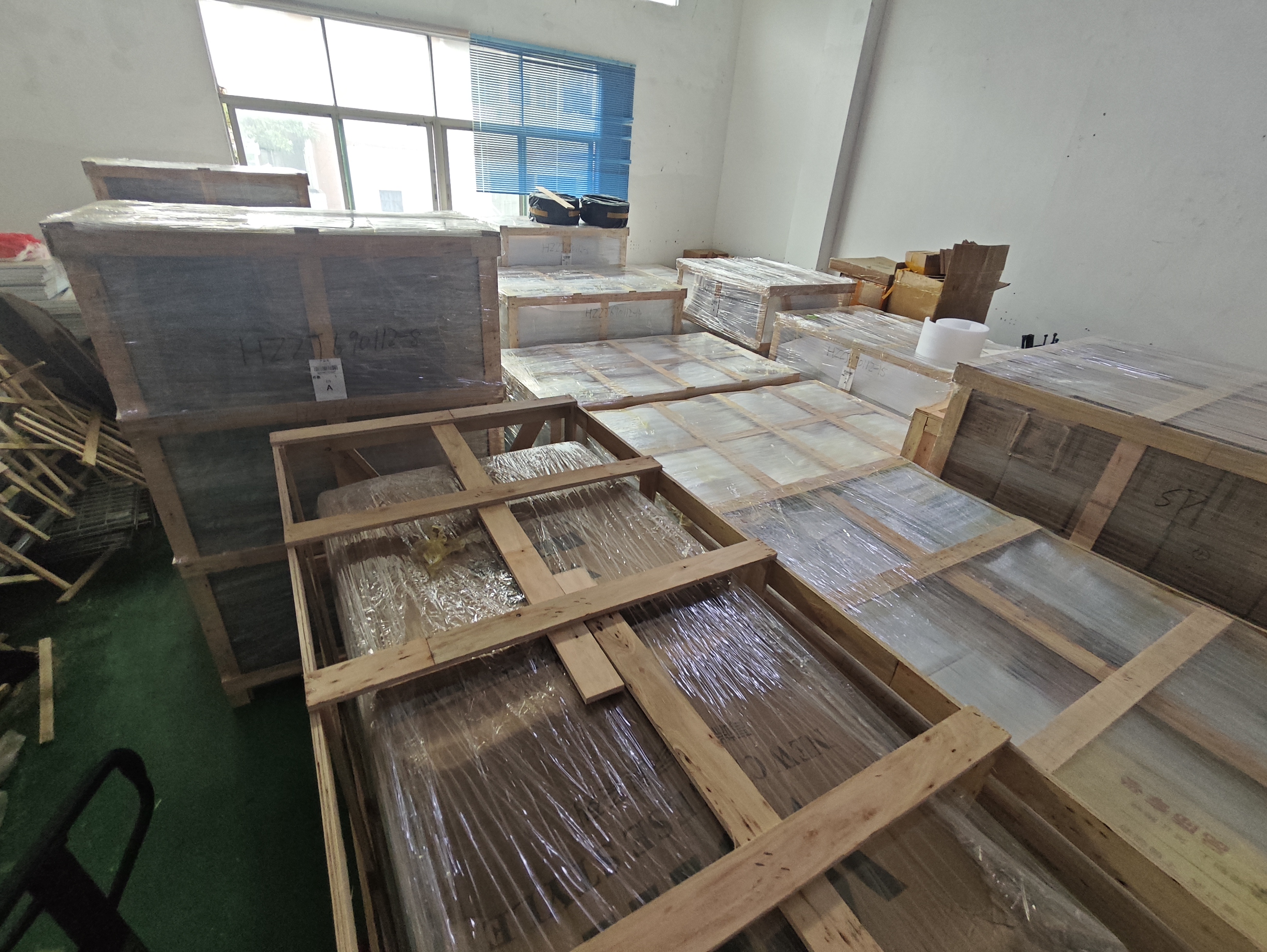
In 2026, the CBSA has implemented an e - Manifest system, which requires electronic submission of shipping information. Make sure your logistics provider is compliant with this new system.
Duty and Tax Payment Most settler household goods are eligible for duty - free entry under certain conditions. However, you may still need to pay taxes on some items, especially if they are new or exceed your duty - free allowance.
The CBSA will assess your goods based on your declared values and the applicable tax rates. Your logistics provider can help you calculate the estimated duty and tax amounts.
VI. Delivery and Unloading
Delivery Arrangements Once your goods have cleared customs, the next step is delivery. Coordinate with your logistics provider to arrange a delivery date and time that is convenient for you.[Shengda International Logistics] offers door - to - door delivery services, which means they will deliver your goods directly to your new home in Canada.
Unloading and Inspection When the goods arrive, carefully inspect them for any damage. If you find any issues, notify your logistics provider immediately. They should have a claims process in place to handle damaged or lost goods.
Unloading should be done carefully to ensure that your furniture and other items are not scratched or broken.
VII. FAQ
What if I have some items that are restricted or prohibited in Canada? Well, it's important to check the Canadian customs regulations in advance. If you have restricted items, you may need to obtain special permits or certificates. For prohibited items, you'll have to leave them behind. [Shengda International Logistics] can help you with the classification of your items and guide you through the process if you have restricted goods.How can I ensure the safety of my valuable items during shipping? Use high - quality packing materials as I mentioned before. You can also consider purchasing additional insurance for your valuable items. A reliable logistics provider will also take extra precautions when handling valuable goods. For example, [Shengda International Logistics] has a strict handling process to ensure the safety of all items.
What if my goods are delayed at the port? Delays can happen due to various reasons like bad weather, port congestion, or customs inspections. If your goods are delayed, your logistics provider should keep you informed. They'll work with the relevant parties to resolve the issue as quickly as possible. In most cases, they have experience dealing with these situations and can minimize the impact on you.
Do I need to be present during the customs clearance process? No, you don't need to be present. Your logistics provider can handle the customs clearance on your behalf. They'll submit all the necessary documents and communicate with the CBSA. However, you should be available to answer any questions if the CBSA requires additional information.
Can I ship my pets along with my household goods? Shipping pets is a separate process and has different regulations. You'll need to contact a pet shipping service and follow the requirements of the Canadian Food Inspection Agency (CFIA) regarding pet importation. It's a complex process, so make sure to start planning well in advance.
