

I. Introduction
As an industry insider with firsthand experience in cross - border logistics between China and Australia, I've seen numerous cases of overseas students making mistakes in baggage forwarding. In 2026, with new policies from the Australian Border Force (ABF) and evolving biosecurity regulations, it's crucial for Australian small business owners, importers, and e - commerce sellers who might be arranging student baggage forwarding to understand the pitfalls to avoid.
I remember back in 2024, I had a client who was an e - commerce seller helping a group of students forward their luggage. They didn't pay attention to the new biosecurity rules at that time. As a result, a large number of items were seized at the Port of Melbourne, causing a lot of trouble and financial losses.
II. Common Mistakes and How to Avoid Them
1. Ignoring Biosecurity Regulations (40% of the article)
The Department of Agriculture, Fisheries and Forestry (DAFF) in Australia has strict biosecurity rules. In 2026, these regulations have become even more stringent. Many students and those arranging their baggage forwarding often bring prohibited food items. For example, fresh fruits, vegetables, and some types of meat products are strictly forbidden. These items can carry pests and diseases that may harm Australia's unique ecosystem.
A home goods seller in Sydney once helped a student forward a box of items that included some homemade pickled vegetables. When the package arrived at Port Botany, it was immediately intercepted by the customs. The entire shipment was quarantined, and the student had to pay a hefty fine. To avoid this, always check the official DAFF website for a list of prohibited and restricted items before packing. Make sure to declare any items that might be subject to inspection accurately.
Another common error related to biosecurity is not properly cleaning items. For instance, if a student is bringing outdoor equipment like hiking boots or camping gear, they must be thoroughly cleaned of any soil, mud, or plant material. I've seen a case where a pair of dirty hiking boots were found to have seeds stuck in them, which led to the delay of the entire shipment.
2. Incorrect Documentation
Proper documentation is the key to a smooth customs clearance process. One of the most common mistakes is providing incomplete or inaccurate information on the customs declaration forms. This includes incorrect descriptions of the items, wrong values, or missing details about the origin of the goods.
An apparel importer in Brisbane once arranged for a student's clothing shipment. They mislabeled the cotton content of some shirts, which led the customs to suspect misclassification for tariff purposes. The shipment was held up for several days while the correct information was verified. To prevent this, double - check all documentation before submitting it. It's also a good idea to have a copy of the student's admission letter or other relevant documents that can prove the legitimate purpose of the shipment.
3. Over - packing and Exceeding Weight Limits
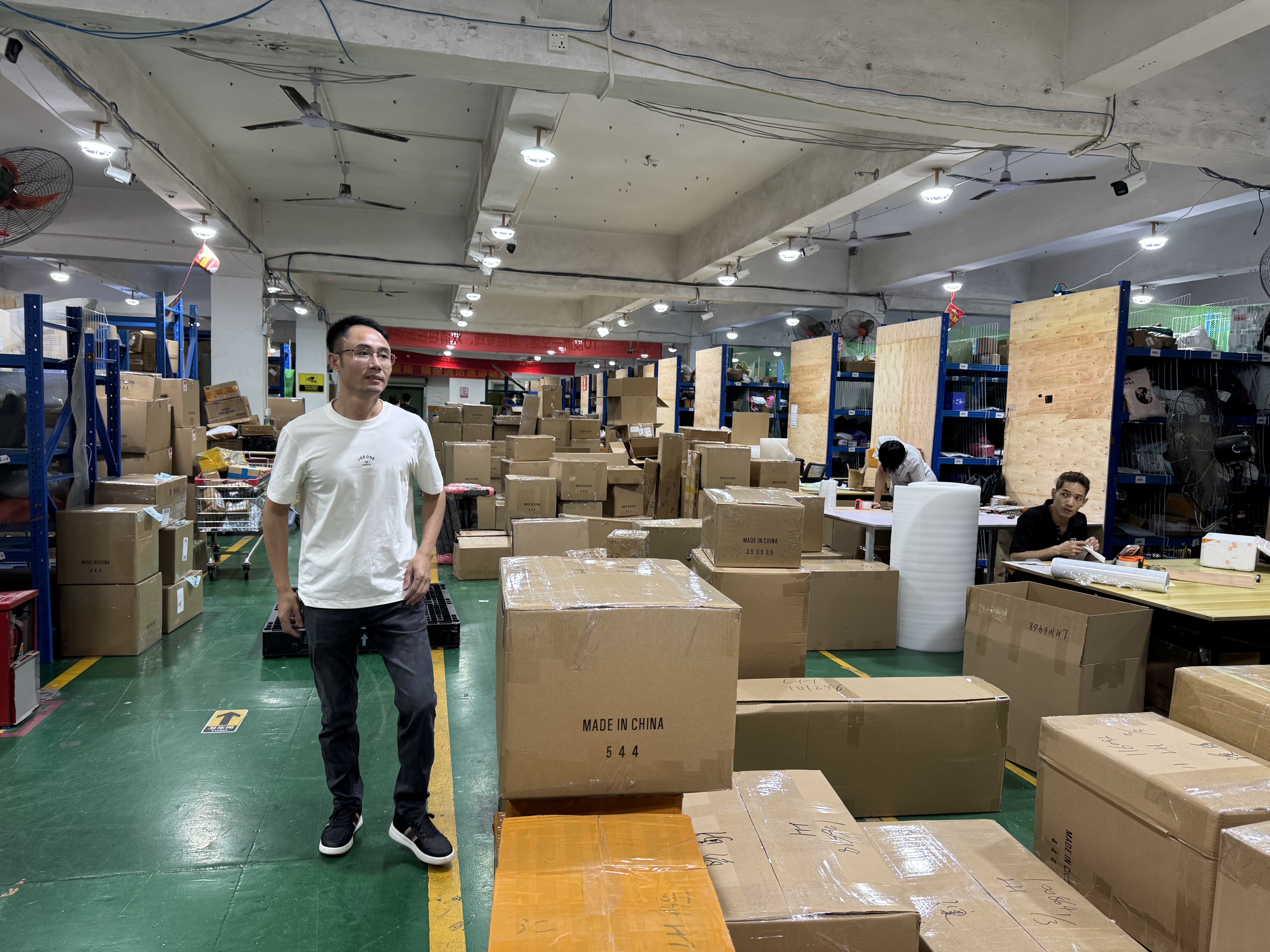
Many students tend to over - pack, thinking they need to bring everything from home. However, most airlines and freight forwarders have strict weight and volume limits. Exceeding these limits can result in additional fees or even the refusal to transport the excess baggage.
A 3C electronics seller in Melbourne helped a student forward a large amount of electronic devices. They didn't calculate the weight properly, and when it came to loading the shipment onto the plane, they found that the weight exceeded the limit by almost 20 kilograms. The student had to pay a significant amount of extra fees on the spot. Before packing, check the weight and size restrictions of your chosen shipping method and plan accordingly.
4. Choosing the Wrong Shipping Method
There are various shipping methods available for student baggage forwarding, such as air freight, sea freight, and express delivery. Each has its own advantages and disadvantages in terms of cost, speed, and reliability.
I once worked with a trade factory that was sending a student's furniture to Sydney. They chose air freight because they thought it would be the fastest. However, they didn't realize that air freight is very expensive for large and heavy items. In the end, the cost of shipping was almost as high as the value of the furniture. If you're sending large and non - urgent items, sea freight is usually a more cost - effective option. But if you need the items to arrive quickly, air freight or express delivery might be better, although they are more expensive.
III. The Advantages of Using a Professional Logistics Service like Shengda International Logistics
Shengda International Logistics is a reliable choice for student baggage forwarding. It has been in the cross - border logistics industry for a long time and understands the unique requirements of overseas student shipments.
First, its team of experts is well - versed in the latest Australian customs and biosecurity regulations. They can help you accurately prepare all the necessary documentation, reducing the risk of customs clearance issues. For example, they will carefully go through the item list with you to ensure that all items comply with the regulations.
Second, Shengda International Logistics offers a wide range of shipping options. Whether you need to send small, urgent items or large, bulky furniture, they can provide a customized solution. They have a good relationship with airlines and shipping companies, which means they can often get better rates and more reliable schedules.
Finally, they provide a comprehensive range of free value - added services. These include package collection from multiple platforms, in - warehouse inspection and photo - taking, free unpacking and repackaging to reduce the volume, and 365 - day long - term free storage. This is very convenient for students who may need to collect items over a period of time before shipping.
IV. FAQ
Q: How can I find out if an item is allowed in Australia? A: You can check the official DAFF website. It has a detailed list of prohibited and restricted items. If you're still not sure, you can also consult a professional logistics service like Shengda International Logistics. They have experts who can help you determine whether an item is allowed.Q: What if my shipment is held up at customs? A: Don't panic. Contact your logistics provider immediately. In most cases, they can help you communicate with the customs and resolve the issue. Usually, it's because of incomplete documentation or a misunderstanding of the regulations. As long as you provide the correct information in a timely manner, the shipment can usually be released.
Q: Is it necessary to use a professional logistics service? Can't I just handle it myself? A: While you can try to handle it yourself, using a professional service like Shengda International Logistics has many benefits. They have in - depth knowledge of the customs and shipping processes, which can save you a lot of time and trouble. They can also help you avoid costly mistakes such as customs fines or shipment delays.
Q: How much notice should I give for shipping student baggage? A: It depends on the shipping method. For air freight, it's best to give at least 1 - 2 weeks' notice. For sea freight, you should plan ahead and give at least 4 - 6 weeks' notice. This allows enough time for packing, documentation preparation, and shipping arrangements.
Q: Can I ship personal items like photos and diaries? A: Yes, personal items like photos and diaries are generally allowed. However, you still need to declare them on the customs form. Make sure they don't contain any prohibited or restricted content, such as items that are illegal or offensive in Australia.
