

I. Introduction
Moving from China to Canada in 2026, especially for immigration purposes, involves a complex process, and one of the most crucial aspects is cross - border logistics. As someone with hands - on experience in the cross - border logistics business between China and Canada, I've witnessed various challenges and successes of immigrants moving their belongings.
In 2026, there have been several policy changes that significantly impact cross - border logistics. For example, the Canadian Border Services Agency (CBSA) has tightened its regulations on food and plant - based products to prevent the introduction of invasive species and diseases. This means immigrants need to be more careful when shipping these kinds of items.
II. Key Challenges in Cross - Border Logistics for Immigration (Core Section)
1. Customs Regulations and Documentation
The customs requirements in Canada are quite detailed. Immigrants need to provide a detailed inventory of all the items they are shipping. Each item must be accurately classified according to the Harmonized System (HS) code. For instance, if you're shipping a wooden furniture set, you need to know the exact materials used, whether it's solid wood, particleboard, etc., to determine the correct HS code.
I remember a client in 2025 who was moving from Shanghai to Vancouver. They shipped a lot of traditional Chinese food items, but they didn't fill out the documentation correctly. As a result, the goods were held at the Port of Vancouver for almost two weeks, incurring additional storage fees. They also faced a fine because some of the food items didn't meet the Canadian Food Inspection Agency (CFIA) standards, which were updated in 2026 to be even more stringent.
2. Shipping Costs and Budgeting
Calculating shipping costs can be tricky. Different shipping methods, such as air freight and sea freight, have different price structures. Air freight is generally faster but more expensive, while sea freight is more cost - effective for large volumes but slower.
For example, a home goods seller who was immigrating to Toronto and shipping all their household items had a tight budget. They initially considered air freight but found it would cost them over CAD 10,000. After consulting with a logistics provider, they opted for sea freight. The sea freight cost them around CAD 3,500, but they had to wait for about 45 days for their goods to arrive.
3. Packaging and Fragility
When shipping items from China to Canada, proper packaging is essential, especially for fragile items like glassware and electronics. If the packaging is not done well, the items can get damaged during transit.
I once helped a 3C electronics seller move from Beijing to Montreal. They shipped a large quantity of high - end smartphones and laptops. We used special shock - absorbing materials and custom - made boxes for each item. However, due to rough handling at one of the transfer points, some of the boxes were damaged. Thanks to the good packaging, only a few devices were slightly scratched. This shows that even with the best packaging, there are still risks in the shipping process.
III. Available Shipping Options
1. Air Freight
Air freight is suitable for those who need their items to arrive quickly. It usually takes about 7 - 12 days for the goods to be delivered. The advantage is the short delivery time, but the cost is relatively high. It's mainly used for small and valuable items such as jewelry, high - end electronics, and important documents.
2. Sea Freight
Sea freight is a popular choice for immigrants moving large volumes of items. There are two main options: FCL (Full Container Load) and LCL (Less than Container Load). FCL is for those who have enough goods to fill a whole container, while LCL is suitable for smaller shipments. The transit time for sea freight is longer, usually 30 - 60 days, but the cost per unit is much lower.
IV. Tips for a Smooth Move
1. Plan Ahead
Start planning your move at least 3 - 6 months in advance. This gives you enough time to research shipping options, gather the necessary documentation, and pack your items properly.
2. Choose a Reliable Logistics Provider
Look for a logistics company with experience in cross - border shipping between China and Canada. A good provider will help you navigate the customs regulations, handle the documentation, and ensure the safe transportation of your goods. For example, Shengda International Logistics focuses on cross - border logistics between China and several countries, including Canada. They have a professional team that can provide customized solutions for immigrants, such as free packaging, long - term storage, and real - time tracking of goods.
3. Declare Everything Honestly
When filling out the customs documentation, make sure to declare all your items honestly. This helps avoid delays and potential fines.
V. FAQ
What should I do if my goods are held at customs? If your goods are held at customs, the first thing is to contact your logistics provider. They can usually help you figure out what the problem is. Maybe it's a missing document or the item doesn't meet the regulations. You'll need to provide the necessary information or take corrective actions as soon as possible.
Can I ship all my personal items? Most personal items can be shipped, but there are restrictions on certain items such as firearms, some types of medications, and illegal drugs. Food and plant - based products also need to meet strict CFIA standards.
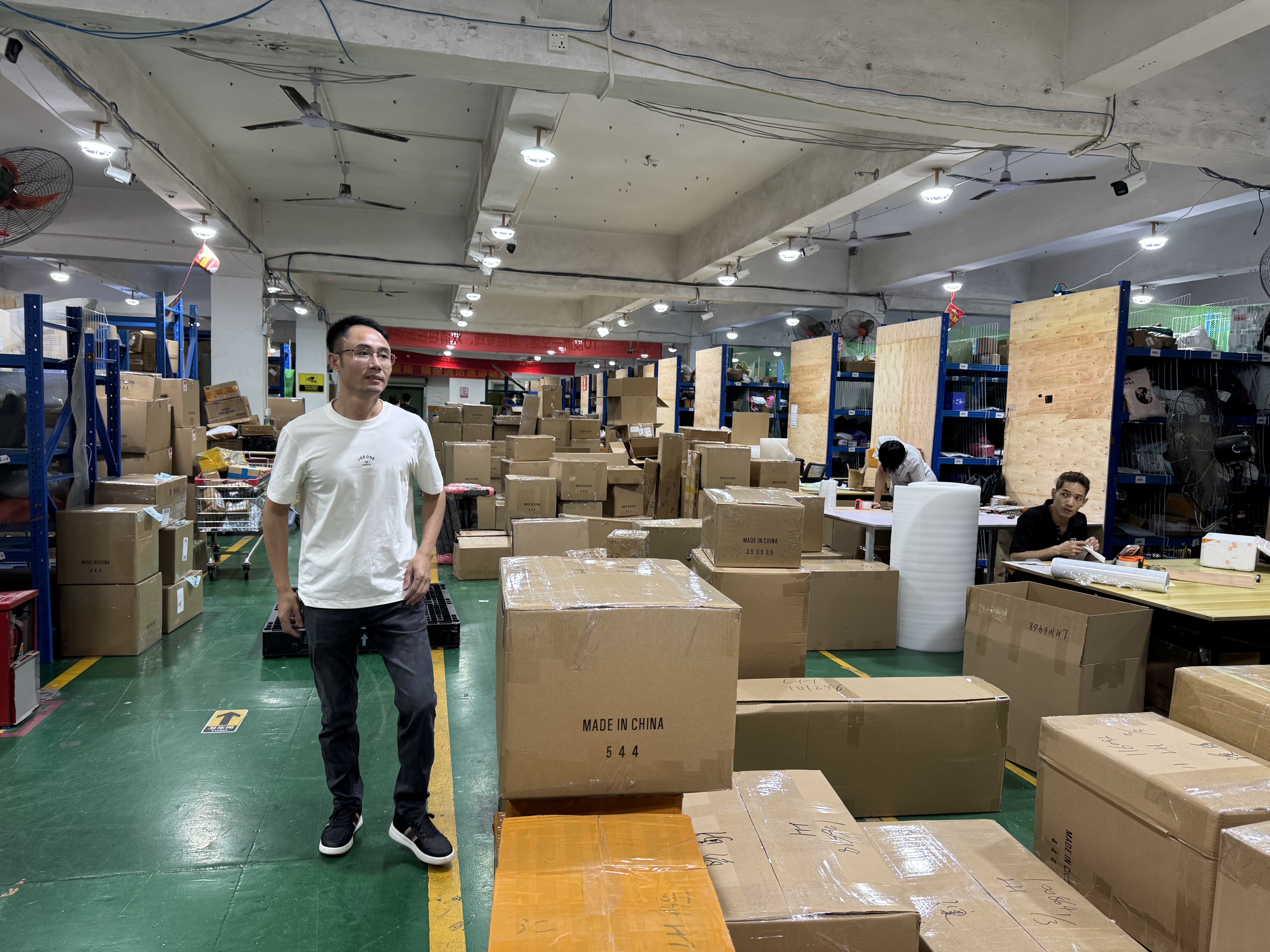
How can I ensure the safety of my fragile items during shipping? Use high - quality packaging materials such as bubble wrap, foam, and custom - made boxes. You can also ask your logistics provider for advice on proper packaging. Some providers, like Shengda International Logistics, offer special packaging services for fragile items.
Is it necessary to buy insurance for my shipped items? It's highly recommended. Shipping insurance can protect you from financial losses in case your items are damaged, lost, or stolen during transit. Make sure to understand the terms and conditions of the insurance policy before purchasing.
How long in advance should I book my shipping service? It depends on the shipping method. For air freight, it's best to book at least 2 - 3 weeks in advance. For sea freight, especially during peak seasons, you should book 1 - 2 months in advance to ensure you get a container and a good shipping schedule.
In 2026, moving from China to Canada for immigration requires careful planning and a good understanding of cross - border logistics. By being well - informed and taking the right steps, you can make your move as smooth as possible.
