

I. Introduction
Hey there, Australian small business owners, importers, and e - commerce sellers! As someone with hands - on experience in cross - border logistics between China and Australia, I've seen a lot of folks run into issues when shipping goods to Canada by sea. In 2026, there are some strict regulations about what can and can't be shipped. It's crucial to know these rules to avoid costly mistakes and delays. I once had a client who tried to ship some restricted items unknowingly. The goods were seized at the Canadian port, and he had to go through a lot of paperwork and pay hefty fines to resolve the issue. So, let's dive into what you need to know.
II. Prohibited Items in 2026
Hazardous Materials
The Canadian Border Services Agency (CBSA) and the Canadian Transportation Agency (CTA) have strict regulations against shipping hazardous materials by sea. This includes explosives, flammable liquids, and radioactive substances. For example, a home goods seller in Australia wanted to ship some decorative candles with a high - alcohol content. These candles were considered flammable liquids and were prohibited. The shipment was stopped at the Port of Vancouver, and the seller had to find a way to dispose of the goods safely, which led to a significant loss.In 2026, the definition of hazardous materials has been expanded in some areas. For instance, certain types of battery - operated items that have a high risk of overheating and catching fire are also added to the prohibited list.
Illegal Drugs and Related Paraphernalia
Clearly, any form of illegal drugs and the equipment used to consume or produce them cannot be shipped to Canada. Even if you think it might be legal in your home country, Canada's laws are very strict. An apparel importer in Australia once had a small amount of a substance that was legal in their local area but considered a controlled substance in Canada mixed in with a shipment. The entire consignment was held for a long - term inspection, and the importer faced legal investigations.Counterfeit Goods
Canada has a zero - tolerance policy for counterfeit goods. In 2026, the CBSA has increased its efforts to detect and seize counterfeits. A 3C electronics seller tried to ship some fake branded chargers to Canada. The shipment was intercepted at the Port of Montreal. The goods were confiscated, and the seller was fined. Moreover, the seller's business reputation was severely damaged, and it became harder for them to do future business with Canadian partners.Certain Agricultural Products
To protect its agricultural industry, Canada restricts the import of many agricultural products. This includes fresh fruits and vegetables that may carry pests or diseases. A trade factory in Australia was planning to ship a large quantity of fresh mangoes to Canada. But they didn't realize that mangoes from their region were on the prohibited list due to the risk of a particular fruit fly. The shipment was returned, and the factory had to bear the shipping costs as well as the loss from the spoiled produce.III. Why the Restrictions Matter
Environmental and Public Health The restrictions on hazardous materials and agricultural products are mainly for environmental and public health reasons. For example, the shipment of radioactive substances could pose a severe threat to the environment and public safety if there were an accident during transportation. And the import of contaminated agricultural products could lead to the spread of pests and diseases in Canadian agriculture.Protecting Intellectual Property By restricting counterfeit goods, Canada is protecting the rights of domestic and international intellectual property owners. This encourages innovation and fair competition in the market.
Maintaining Legal and Social Order The prohibition on illegal drugs and related paraphernalia helps Canada maintain its legal and social order. It prevents the illegal distribution of drugs within the country.
IV. How to Ensure Compliance
Research and Consultation Before shipping any goods to Canada, it's essential to research the prohibited items list thoroughly. You can visit the official websites of the CBSA and other relevant Canadian agencies. You can also consult with a professional cross - border logistics provider like Shengda International Logistics. They have a team of experts who are well - versed in the latest Canadian regulations and can provide accurate advice.Proper Documentation Ensure that all your shipping documents are accurate and complete. This includes the bill of lading, commercial invoice, and any other relevant certificates. Incorrect or incomplete documentation can lead to delays and inspections, even if your goods are legal.
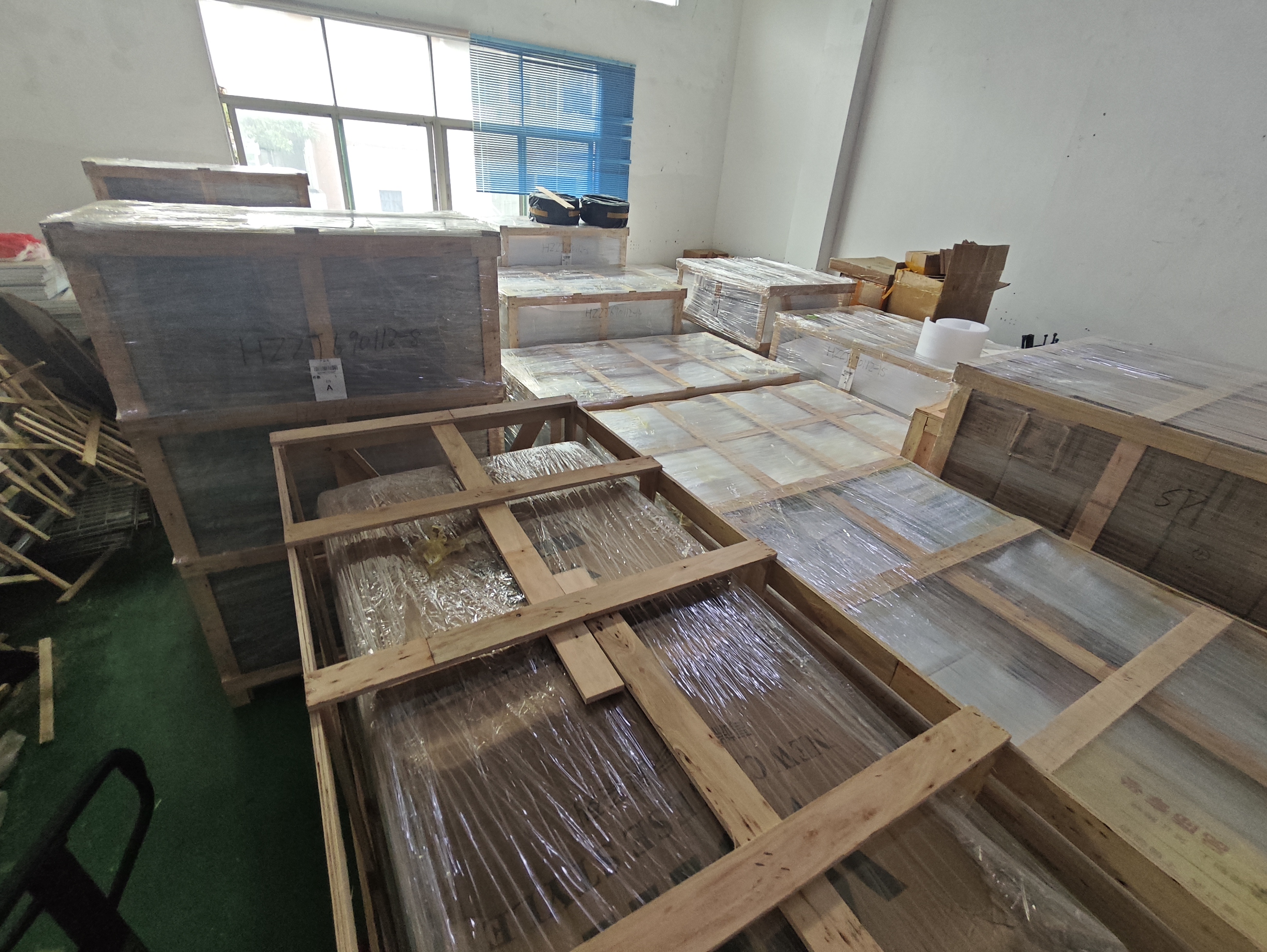
Pre - shipment Inspections Conduct pre - shipment inspections of your goods. This can help you identify and remove any prohibited items before the shipment leaves your country. Some experienced logistics providers can also offer pre - shipment inspection services.
V. FAQ
What happens if I accidentally ship prohibited items to Canada? If you accidentally ship prohibited items, your goods will likely be seized at the Canadian port. You may have to pay fines, and in some serious cases, you could face legal charges. It's always better to double - check and ensure compliance before shipping.Can I get an exemption for shipping prohibited items in special circumstances? In very rare cases, there may be exemptions, but you need to apply for them in advance through the proper channels. For example, if you are shipping hazardous materials for scientific research purposes, you need to get specific permits from the relevant Canadian authorities.
How often does the list of prohibited items change? The list of prohibited items can change. In 2026, there have been some updates due to new environmental regulations and health concerns. It's a good idea to stay updated by regularly checking the official Canadian government websites.
Can a logistics company help me ensure compliance? Yes, a professional logistics company like Shengda International Logistics can be a great help. They have in - depth knowledge of Canadian regulations, and they can assist you in proper documentation, pre - shipment inspections, and overall compliance management.
Are there any differences in prohibited items between sea and air shipments to Canada? There are some differences. While many prohibited items are the same for both sea and air shipments, the transportation mode can sometimes affect the strictness of enforcement. For example, air shipments may be subject to more stringent security - related checks. But the core list of prohibited items remains largely the same.
So, always be vigilant and follow the rules when shipping to Canada by sea in 2026. It will save you a lot of headaches and potential losses in the long run.
