

I. Introduction
In 2026, as cross - border trade between China and Canada continues to thrive, more and more Canadian small business owners, importers, and e - commerce sellers are turning to international movers for their shipping needs. However, the process is fraught with potential pitfalls. I've seen so many clients in this industry face unexpected troubles. One time, a small home goods seller in Montreal was almost out of business due to a shipping fiasco. So, it's crucial to understand these risks and how to avoid them.
II. Common Pitfalls in China - Canada Cross - border Logistics
1. Hidden Costs
Many movers may not clearly state all the costs upfront. For instance, they might quote a basic shipping fee but fail to mention additional charges such as fuel surcharges, terminal handling fees, or customs clearance fees. I had a client back in 2024 who was expecting a bill of around CAD 5,000 for shipping a container of 3C electronics from Shanghai to Vancouver. But after all the hidden fees were added, the final cost jumped to over CAD 7,500. This kind of cost overrun can severely impact a business's bottom line.
2. Customs Issues
The Canadian Border Services Agency (CBSA) has strict regulations, and the 2026 policy updates have made the customs clearance process even more complex. Incorrectly declared goods, missing documentation, or non - compliant products can lead to long delays or even confiscation. A few months ago, an apparel importer in Toronto shipped a batch of clothing without proper fabric origin certificates. The goods were held at the Port of Montreal for nearly 14 days, causing significant losses in sales opportunities.
3. Shipping Delays
Shipping delays are a common headache in cross - border logistics. Factors like bad weather, port congestion, and labor strikes can disrupt the shipping schedule. For example, during the winter months, ice in the ports can cause ships to be delayed for days or even weeks. A trade factory in Calgary once had a large order to fulfill but the shipment of raw materials from China was delayed due to a port strike in Shanghai. This led to production halts and late deliveries to their customers.
4. Poor Service Quality
Some movers may offer low prices but provide subpar service. They might not have proper tracking systems, leading to lost or misrouted packages. Or their customer service may be unresponsive, making it difficult to resolve issues in a timely manner. I remember a client who shipped a small batch of sensitive cosmetics through a less - reputable mover. The tracking information was inaccurate, and when they tried to contact the customer service, they got no response for several days.
III. How to Avoid These Pitfalls
1. Thoroughly Research and Select Movers
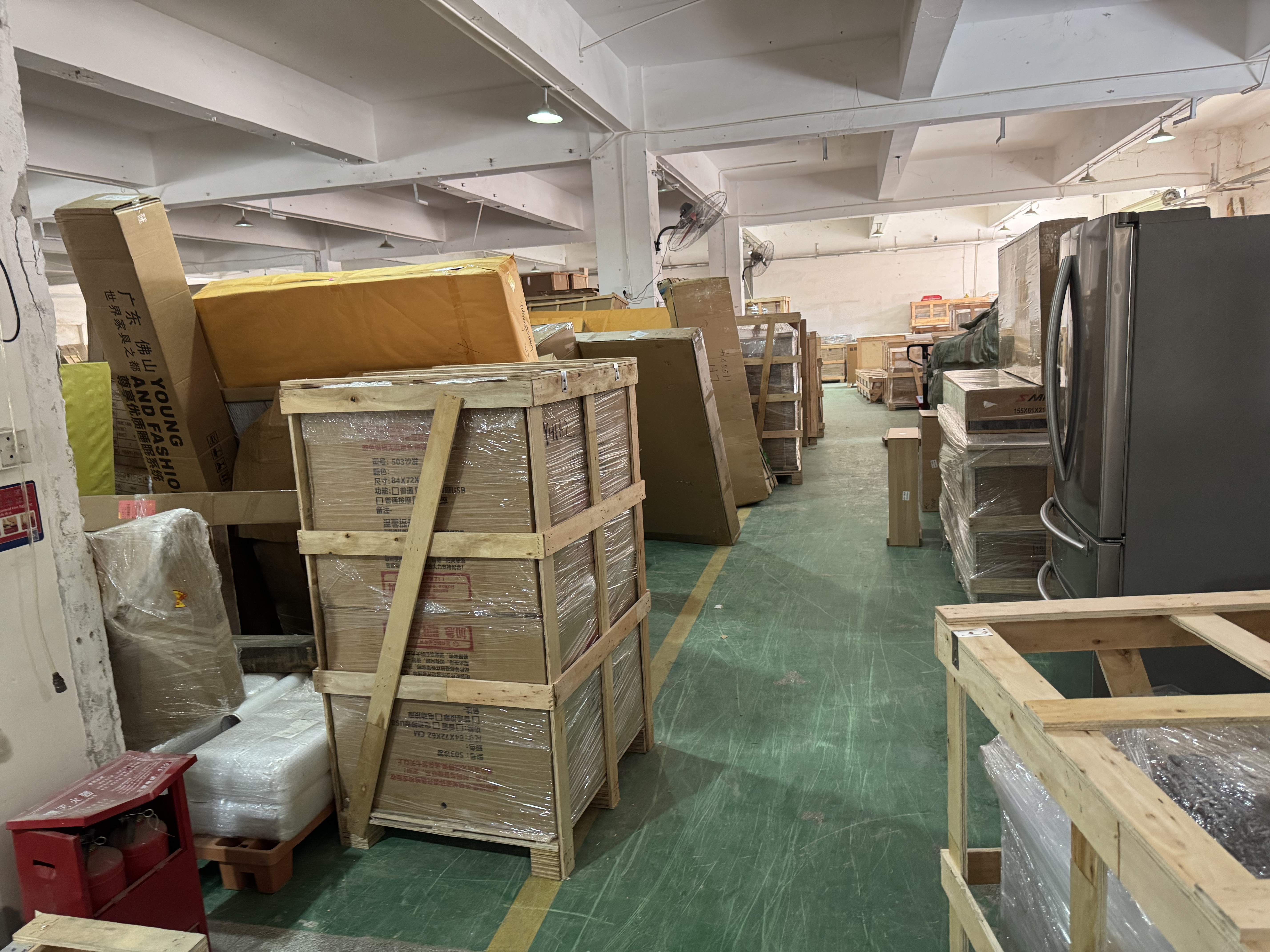
It's essential to do your homework before choosing a mover. Look for companies with a good reputation and experience in China - Canada shipping. Check online reviews and ask for referrals from other businesses. For example, 盛达国际物流 (Shengda International Logistics) is a well - known name in the industry. They have been operating for years, with a team of over 40 professionals, each having more than 10 years of experience in international shipping. Their 35,000 - square - meter standardized warehouse in Shenzhen allows for full - process independent operation, ensuring high - quality service.
Compare quotes from different movers. But don't just go for the cheapest option. Make sure the quote includes all the details of the services and costs. A detailed quote can help you avoid unexpected expenses later on.
2. Be Familiar with Customs Regulations
Stay updated on the latest customs policies of Canada, especially the 2026 changes. The CBSA website is a great resource for this information. Ensure that all your shipping documents are accurate and complete. For example, if you're shipping food products, you need to comply with the regulations of the Canadian Food Inspection Agency (CFIA). Obtain all the necessary certificates and approvals in advance to prevent customs hold - ups.
3. Set Realistic Shipping Schedules
When planning your shipments, take into account potential delays. Build some extra time into your schedule, especially during peak shipping seasons or in adverse weather conditions. For instance, shipping during the Chinese New Year period may cause longer lead times due to factory closures and increased shipping demand. Communicate the expected delivery times clearly with your customers to manage their expectations.
4. Monitor the Shipping Process
Choose a mover that provides real - time tracking services. Regularly check the status of your shipment to ensure everything is on track. If you notice any issues, contact the mover immediately. Most reliable movers, like Shengda International Logistics, have a self - developed intelligent shipping system that allows you to monitor your shipment at every stage, from warehousing to delivery.
IV. FAQ
Q: How can I ensure that my shipment won't be charged with hidden fees? A: Always ask the mover for a detailed and itemized quote. Reputable companies, such as Shengda International Logistics, have a transparent pricing system. They clearly list all the costs, including shipping fees, customs duties, and any additional charges upfront. You can also check the contract carefully before signing to avoid any surprises.Q: What should I do if my shipment is held by customs? A: First, contact your mover immediately. They should have experience dealing with customs issues and can guide you through the process. Make sure all your documentation is in order. If there are any missing or incorrect documents, provide them as soon as possible. For example, if the CBSA requests more information about the product's origin, you should supply the relevant certificates promptly.
Q: Is it necessary to choose a well - known mover? A: It's highly recommended. Well - established movers like Shengda International Logistics have a better understanding of the market and more experience in handling various situations. They are more likely to have reliable shipping networks, better customer service, and can help you avoid many common pitfalls. However, you still need to evaluate each company based on your specific needs.
Q: How do I prepare my sensitive goods for shipping? A: If you're shipping sensitive goods like food or cosmetics, you need to use a mover with a dedicated compliance declaration channel, such as Shengda International Logistics' sensitive goods compliance专线. Ensure that your products meet all the relevant Canadian regulations and obtain the necessary approvals. Also, use appropriate packaging to protect the goods during transit.
Q: Can I get compensation if my goods are lost or damaged during shipping? A: Most reliable movers have a claims mechanism in place. For example, Shengda International Logistics has a formal compensation policy for goods damaged or lost due to operational errors. Make sure to document the condition of the goods before shipping and keep all relevant receipts. In case of an issue, contact the mover as soon as possible and follow their claims process.
In the ever - evolving world of China - Canada cross - border logistics in 2026, being well - informed and taking proactive measures can help you avoid the common pitfalls and ensure a smooth shipping experience for your business.
