

I. Introduction
Are you an Australian small business owner, importer, or e - commerce seller looking to source products from China? In 2026, the landscape of merchandise shipping from China to Australia has seen some significant changes. I've been in the cross - border logistics business for years, and I've witnessed firsthand the challenges and opportunities that come with this trade lane. Let me share some crucial insights to help you navigate this process more smoothly.
II. Cost Breakdown: Shipping from China to Australia
Ocean Freight Ocean freight is a popular choice for shipping large volumes of goods. In 2026, the cost depends on several factors such as container size, shipping route, and season. For a 20 - foot container (20GP) from Shanghai to Port Botany in Sydney, the cost can range from around $1,800 to $2,500, which is relatively economical for bulk shipments. However, there are additional costs like terminal handling charges (THC), which can be approximately $300 - $400 per 20GP, and documentation fees of about $100 - $150.Air Freight Air freight is much faster but more expensive. On average, it costs around $5 - $8 per kilogram to ship goods from Guangzhou to Melbourne Airport. This is a great option for urgent orders or high - value, lightweight items. But keep in mind that air freight also has charges for fuel surcharges and security fees, which can add up quickly.
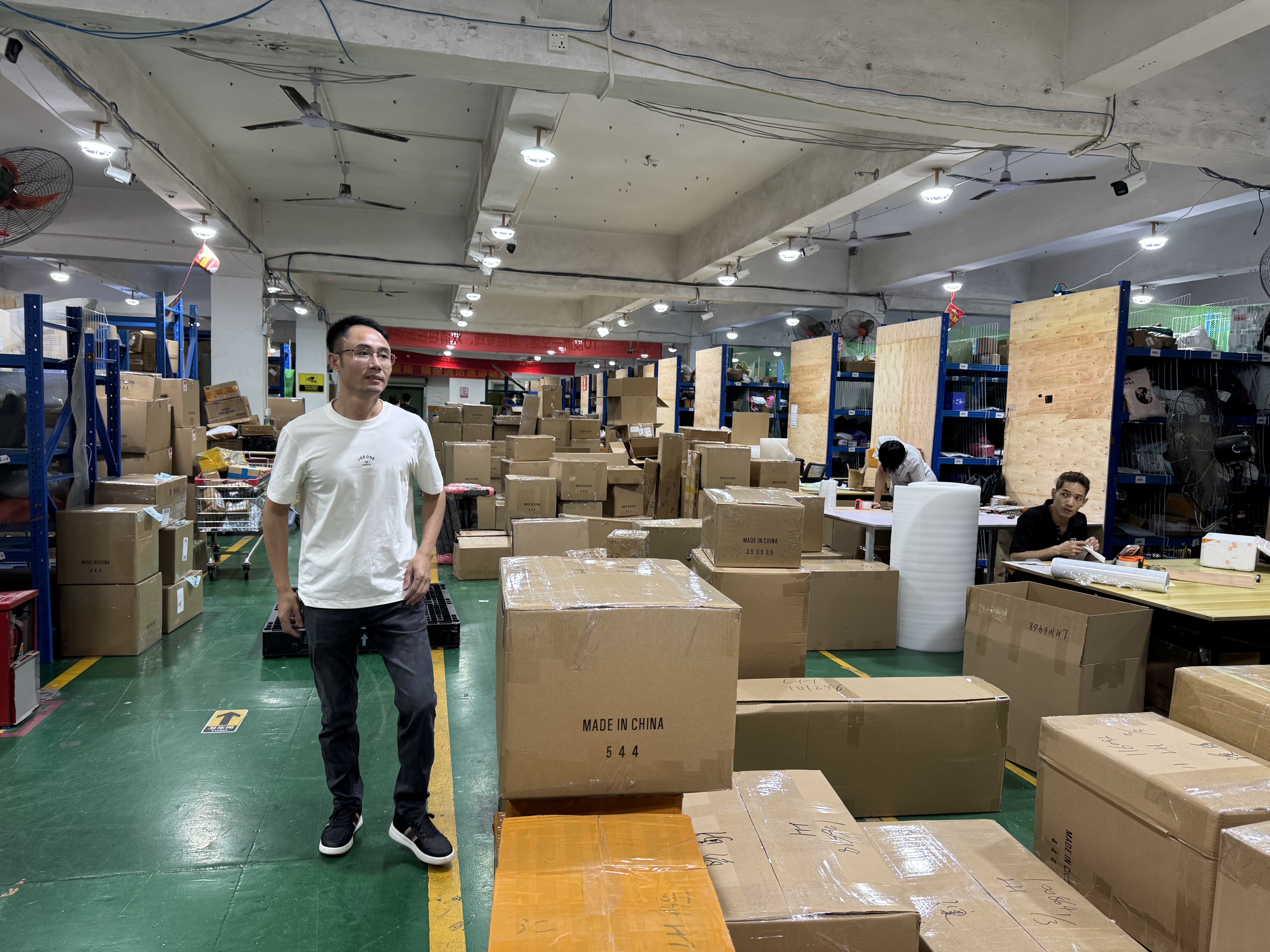
One of my clients, a 3C electronics seller in Brisbane, once had an urgent order for new smartphone models. They chose air freight. Although the shipping cost was high, they were able to restock their inventory quickly and meet the market demand, resulting in increased sales during the holiday season.
III. Shipping Routes and Transit Times
Ocean Routes The most common ocean shipping routes from China to Australia are from major Chinese ports like Shanghai, Shenzhen, and Ningbo to Australian ports such as Port Botany in Sydney, Port of Melbourne, and Port of Brisbane. The transit time typically ranges from 14 to 24 days, depending on the shipping line and the route. Delays can occur due to weather conditions, port congestion, and strikes. For example, during the monsoon season in Southeast Asia, ships may experience longer transit times.Air Routes Air freight usually takes 3 - 7 days from departure to arrival in Australia. Airlines like China Southern Airlines and Qantas operate regular flights between major Chinese and Australian cities, ensuring a relatively stable transit time.
I remember a home goods seller in Sydney who was shipping a large order of decorative items. They initially planned to use ocean freight but then realized they were running out of stock in their stores. They quickly switched to air freight and were able to get their goods in just 5 days, saving their business from potential lost sales.
IV. Customs Clearance and Regulations in Australia
2026 Policy Updates In 2026, the Australian Border Force (ABF) and the Department of Agriculture, Fisheries and Forestry (DAFF) have tightened some regulations. For instance, there are stricter rules on the import of food products, especially those containing certain ingredients. Goods also need to meet specific labeling requirements, which must include details about the product's origin, ingredients, and usage instructions.Customs Valuation Customs valuation is an important part of the clearance process. The ABF uses the transaction value method, which means they base the value of the goods on the price actually paid or payable for the goods when sold for export to Australia. Incorrect valuation can lead to delays or additional fees.
A clothing importer in Melbourne once had a shipment held at the customs because they undervalued their products on the customs declaration. After working with the customs authorities and providing proper documentation, they were eventually able to clear the goods, but it caused a significant delay in getting the products to their stores.
V. Packaging and Labeling Requirements
Packaging Good packaging is crucial to protect your goods during transit. For ocean freight, products should be packed in sturdy cartons or wooden crates, especially for heavy or fragile items. For air freight, lightweight but strong packaging is preferred to reduce the overall weight.Labeling Labels should include the product name, quantity, origin, and handling instructions. For food and cosmetic products, they must also have proper ingredient labels in English.
I had a client who was shipping ceramic tableware. They didn't package the items properly, and many of the pieces were damaged during transit. After the incident, they learned the importance of using proper cushioning materials and sturdy packaging, which significantly reduced the damage rate in subsequent shipments.
VI. FAQ
What are the main differences between air and ocean freight for shipping from China to Australia? Air freight is much faster, usually taking 3 - 7 days, but it's more expensive, costing around $5 - $8 per kilogram. Ocean freight is slower, with a transit time of 14 - 24 days, but it's more economical for large - volume shipments, with a 20 - foot container costing around $1,800 - $2,500.How can I ensure a smooth customs clearance process? Make sure to accurately declare the value, quantity, and nature of your goods. Comply with all the latest Australian regulations, especially regarding food, cosmetics, and other regulated products. Provide all the necessary documentation, such as invoices, packing lists, and certificates of origin.
What should I do if my shipment is delayed? First, contact your freight forwarder. They can provide you with information about the cause of the delay. If it's due to port congestion or weather conditions, it may just be a matter of waiting. If there are customs - related issues, work with your freight forwarder or a customs broker to resolve them as quickly as possible.
Can I use a freight forwarder to handle everything for me? Yes, many freight forwarders, like Shengda International Logistics, can handle the entire shipping process from pick - up in China to delivery in Australia. They can take care of tasks such as packaging, documentation, customs clearance, and transportation. This can save you a lot of time and effort, especially if you're not familiar with the cross - border shipping process.
What are the risks of shipping sensitive goods? Sensitive goods like food, cosmetics, and electronics may face stricter customs scrutiny. There's a higher risk of goods being detained or rejected if they don't meet the relevant regulations. For example, food products may need to meet specific health and safety standards. However, with a reliable freight forwarder who has a dedicated compliance channel, like Shengda International Logistics' sensitive goods compliance专线, these risks can be minimized.
