

I. The Current Situation of Sino - Australian Cross - border Logistics
In recent years, the cross - border trade between China and Australia has been booming. Aussie small business owners, importers, and e - commerce sellers have increasingly relied on Chinese freight forwarders for their shipments. However, the logistics industry is constantly evolving, and with the approaching 2026, there are some new policies and challenges that traders need to be aware of.
I remember back in 2024, a client of mine, a 3C electronics seller in Sydney, was struggling with his Chinese freight forwarder. His goods were stuck at the Port of Melbourne for weeks due to some paperwork issues. This incident made me realize how important it is for Aussie traders to understand the ins and outs of working with Chinese freight forwarders.
II. Key Policies and Changes in 2026
1. Australian Border Force (ABF) New Policies
The 2026 Australian ABF new policies will have a significant impact on cross - border logistics. For example, there will be stricter regulations on customs valuation. Traders need to ensure that the declared value of their goods is accurate. If the declared value is too low, it may lead to customs inspections and additional taxes.
The Department of Agriculture, Fisheries and Forestry (DAFF) is also tightening its biosecurity regulations. Goods such as wooden products, food items, and some textiles need to meet strict biosecurity requirements. Traders should work closely with their Chinese freight forwarders to ensure that all the necessary documentation and treatments are in place.
2. The Impact on Different Trade Scenarios
Home goods sellers: They often import products like furniture and decorative items. With the new biosecurity regulations, wooden furniture may require additional fumigation or certification. For instance, a home goods seller in Brisbane imported a batch of wooden chairs from China. Due to the lack of proper biosecurity documentation, the goods were held at Port Botany for 14 days before they could be cleared.3C electronics sellers: Although 3C products are not as affected by biosecurity regulations, they still need to comply with customs valuation rules. Incorrect valuation can result in delays and financial losses.
III. Advantages and Disadvantages of Different Shipping Channels
1. Air Freight
Advantages: It is fast, with an average delivery time of 7 - 12 days. This is ideal for urgent orders, such as new product launches or restocking during peak seasons. For example, a 3C electronics seller in Melbourne needed to replenish his stock of the latest smartphones quickly. By choosing air freight, he was able to get the products to his store in just 10 days.Disadvantages: It is more expensive compared to other shipping methods. The cost per kilogram can be 2 - 3 times higher than sea freight. Also, there are weight and size restrictions, which may not be suitable for large - volume shipments.
2. Sea Freight
Full - Container Load (FCL):
Advantages: It is suitable for large - scale importers. The entire container is dedicated to one shipper, providing more security and control over the goods. The cost per unit is relatively low for high - volume shipments.Disadvantages: It has a longer transit time, usually taking around 35 - 40 days. There is also a higher upfront cost for the container, and if the shipment volume is not enough to fill a full container, it may not be cost - effective.
Less - than - Container Load (LCL):
Advantages: It is a cost - effective option for small - to - medium - sized importers. They only pay for the space they use in the container.Disadvantages: The handling process is more complex, and there may be more risks of damage or loss. The transit time can also be a bit longer compared to FCL due to the consolidation and de - consolidation process.
IV. Choosing the Right Chinese Freight Forwarder
1. Criteria for Selection
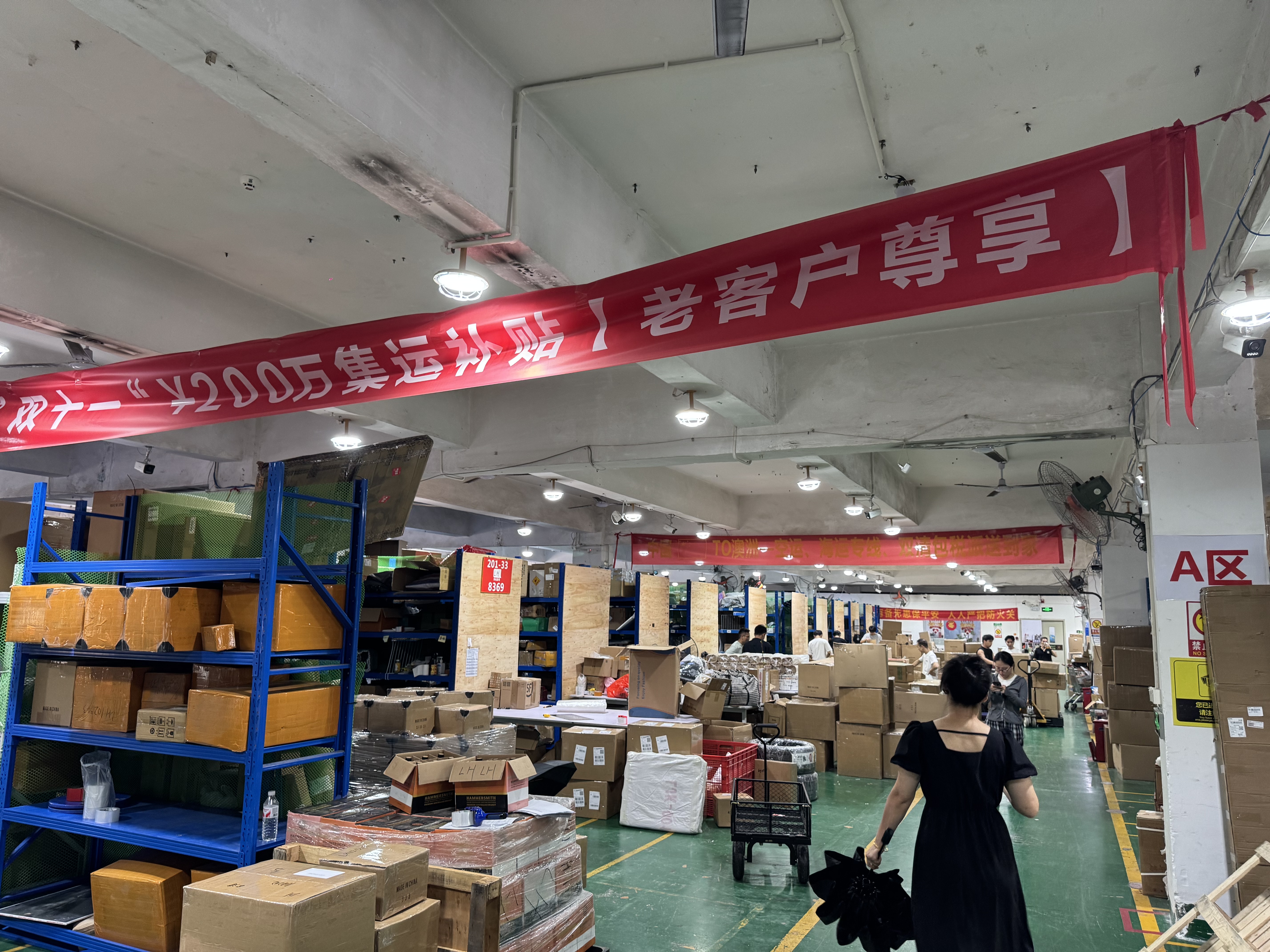
Experience: Look for forwarders with years of experience in the Sino - Australian route. They are more likely to be familiar with the local regulations and customs procedures.Service Scope: A good freight forwarder should offer a comprehensive range of services, including customs clearance, warehousing, and transportation. For example, [Shengda International Logistics] offers a full - set of free value - added services, such as unpacking and repackaging to reduce the volume of goods.
Reputation: Check online reviews and ask for references from other traders. A forwarder with a good reputation is more likely to provide reliable services.
2. Case Study: A Positive Experience
I had a client, an apparel importer in Sydney, who was looking for a Chinese freight forwarder. He chose [Shengda International Logistics] after doing some research. The forwarder helped him with the entire shipping process, from booking the container to clearing the customs at the Port of Melbourne. The goods arrived on time, and there were no issues with the paperwork or biosecurity inspections. This saved my client a lot of time and money.
V. Frequently Asked Questions
1. How can I ensure that my goods comply with the 2026 ABF and DAFF regulations?
Work closely with your Chinese freight forwarder. They should have a good understanding of the new regulations and can guide you on the necessary documentation and treatments. You can also check the official websites of ABF and DAFF for detailed information.
2. What is the difference between DDP and FOB in terms of responsibility?
Under DDP (Delivered Duty Paid), the freight forwarder is responsible for all costs and risks until the goods are delivered to your specified location. In contrast, under FOB (Free on Board), your responsibility starts once the goods are loaded on the ship at the Chinese port.
3. Can I ship sensitive goods such as food and cosmetics?
Yes, but you need to choose a freight forwarder with a dedicated compliance declaration channel. [Shengda International Logistics], for example, has such a channel and can help you transport these goods while minimizing the risk of customs inspection and detention.
4. How can I track my shipment?
Most Chinese freight forwarders use advanced logistics systems that allow you to track your shipment in real - time. You can usually get the tracking information from the forwarder's website or mobile app.
5. What should I do if my goods are delayed or damaged during transit?
Contact your freight forwarder immediately. A reliable forwarder should have a proper claim handling mechanism. They will investigate the situation and provide you with a solution, such as compensation in case of loss or damage.
As an Aussie trader in 2026, understanding the new policies, choosing the right shipping channels, and partnering with a reliable Chinese freight forwarder are crucial for the success of your cross - border business. Keep these points in mind, and you'll be well - prepared to handle the challenges and opportunities in the Sino - Australian trade.
