

I. Introduction
Shipping household goods to Canada can be a daunting task for small business owners, importers, and e - commerce sellers. There are numerous factors to consider, such as shipping methods, cost, customs regulations, and delivery times. In 2026, with the implementation of new policies and the changing landscape of the logistics industry, it's more crucial than ever to find the best shipping solution. I've been in the cross - border logistics business for years, and I've seen firsthand the challenges and opportunities that come with shipping household goods to Canada.
II. Shipping Methods and Their Pros and Cons
Air Freight Advantages: Air freight is incredibly fast. It can get your household goods to Canada in as little as 2 - 5 days. This is ideal for high - value, time - sensitive items like electronics or designer furniture samples. For example, a 3C electronics seller in Vancouver once needed to quickly restock a new line of smartphones. They chose air freight, and the shipment arrived in just 3 days, allowing them to meet the high customer demand.Disadvantages: However, air freight is also the most expensive option. The cost per kilogram can be 2 - 3 times higher than sea freight. And there are usually weight and size restrictions, which might limit the amount of goods you can ship at once.
Sea Freight Full Container Load (FCL): For larger shipments of household goods, a full container load is a great choice. It offers more security as your goods are in a dedicated container. For instance, a trade factory shipping a large quantity of home appliances to Montreal can use a 40HQ container. They have more control over the shipping process and can better manage the handling of their goods.
But the drawback is that it requires a large volume of goods to be cost - effective. You also need to book the container in advance, and there can be longer lead times, usually around 20 - 30 days depending on the port of origin.
Less than Container Load (LCL): LCL is suitable for smaller shipments. It allows you to share a container with other shippers, reducing the cost. This is perfect for small - scale home goods sellers who don't have enough products to fill a whole container.
The downside is that your goods may be more susceptible to damage during the consolidation and de - consolidation process, and there is also a higher risk of delays due to coordinating with multiple shippers.
Land Freight (Trucking) If you're shipping household goods from the US - Canada border or the nearby regions, trucking can be a viable option. It offers flexibility in terms of pick - up and delivery times, and it's often quicker than sea freight. For example, a home goods seller in Buffalo, New York, can easily ship their products to Toronto via truck in just a day or two.
But it has limitations in terms of distance. Long - distance trucking can be expensive, and there are also restrictions on the size and weight of the cargo.
III. 2026 Policy and Regulatory Considerations
In 2026, there have been some significant changes in customs regulations and food safety policies. The Canadian Border Services Agency (CBSA) has tightened the rules on importing certain types of household goods, especially those with potential pest or disease risks. For example, if you're shipping wooden furniture, it must be properly treated and meet the new certification requirements.
The Canadian Food Inspection Agency (CFIA) has also increased food safety inspections. If your household goods include any food items, you need to ensure that they are properly labeled and meet the Canadian food safety standards. Failing to comply with these regulations can result in your goods being held at the border, fined, or even confiscated.
IV. Choosing the Right Logistics Provider (In - depth Section)
Selecting the right logistics provider is crucial for a smooth shipping process. Let me share some criteria based on my experience:
Expertise and Experience Choose a provider that has in - depth knowledge of the Canada - China shipping route. They should be familiar with the 2026 customs policies and be able to handle any potential issues that may arise. For example, [Company Name] 盛达国际物流集运(深圳)有限公司 has over 10 years of experience in international shipping, specifically focusing on China - Canada, US, UK, Australia, and Europe routes. Their team of 40+ full - time experts, each with over 10 years of industry experience, can accurately handle every step of the shipping process.Service Offerings A good logistics provider should offer a comprehensive range of services. [Company Name] offers six core services. Their air freight is perfect for small, urgent shipments, with a 7 - 12 days delivery time for most goods. Their sea freight services cover FCL, LCL, and even a specialized service for large - scale household items like furniture and appliances.
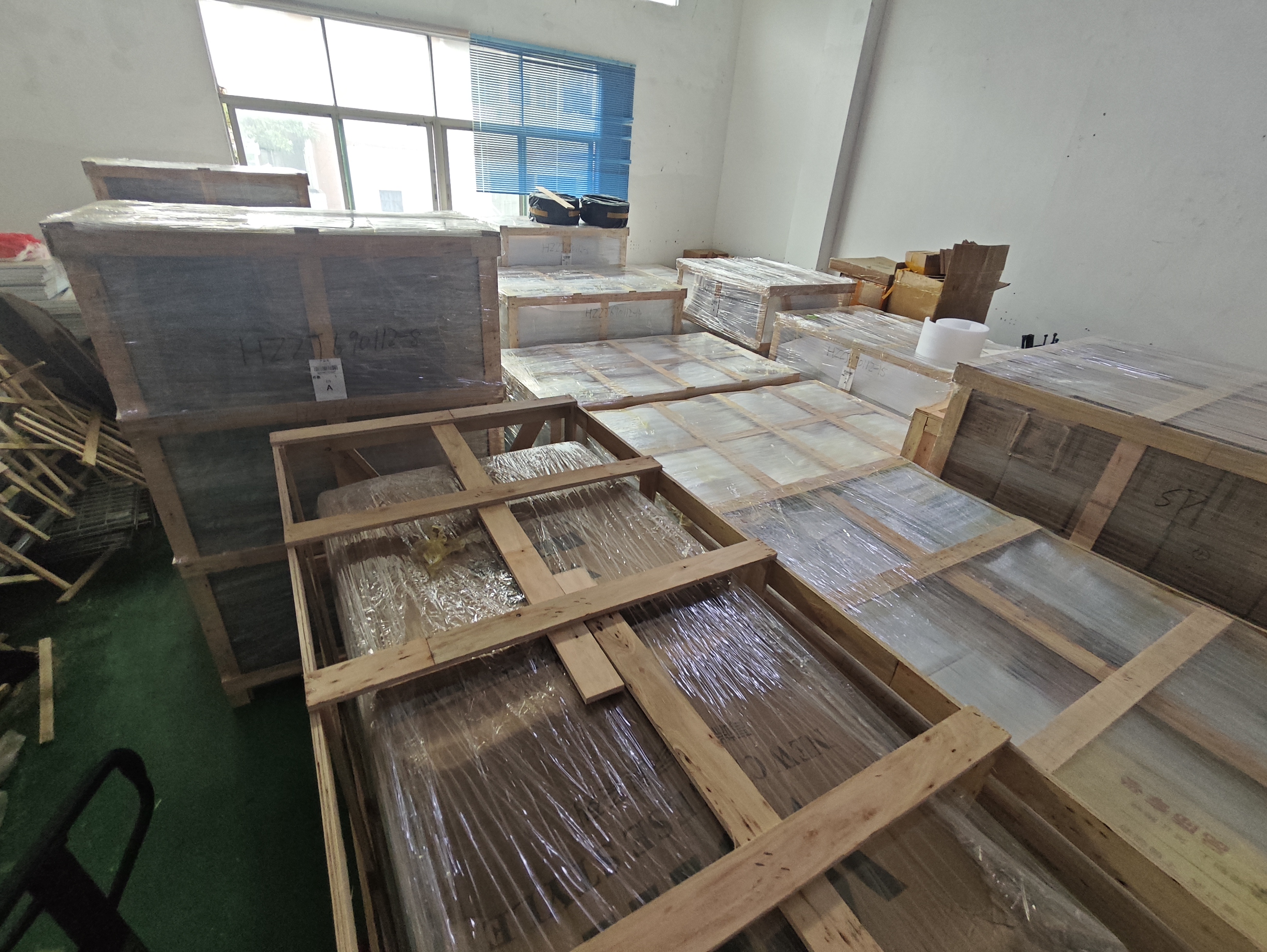
Technology and Visibility In today's digital age, real - time tracking is essential. [Company Name] has a self - developed intelligent shipping system that allows you to track your goods at every stage, from warehousing to delivery. This gives you peace of mind and better control over your shipments.
V. DIY vs. Using a Third - Party Logistics Provider
Do - It - Yourself (DIY) If you have the resources and expertise, handling the shipping process yourself can give you more control. You can negotiate directly with carriers and have a more hands - on approach. But it also requires a lot of time and effort. You need to be well - versed in customs regulations, shipping documentation, and carrier contracts. Moreover, if you make a mistake, it can lead to significant delays and costs.Using a Third - Party Logistics Provider A third - party logistics provider, like [Company Name], can save you a lot of hassle. They have the experience and knowledge to handle all aspects of the shipping process, from customs clearance to last - mile delivery. They can also leverage their relationships with carriers to get better rates and service.
VI. FAQ
What are the common documents required for shipping household goods to Canada? You usually need a commercial invoice, a packing list, a bill of lading, and a certificate of origin. For some specific goods, like food or plants, you may also need additional health or safety certificates.How can I ensure my goods pass through Canadian customs smoothly? Make sure you have all the required documentation in order. Declare your goods accurately and truthfully, and ensure they comply with the Canadian regulations. Working with an experienced logistics provider, like [Company Name], can also greatly increase your chances of smooth customs clearance as they know exactly what the customs requirements are.
What if my goods are damaged during shipping? A reliable logistics provider should have a proper claim and compensation mechanism. For example, [Company Name] has a standardized claim process for damaged or lost goods. They will assess the damage and provide compensation according to their policy.
Is it possible to speed up the shipping process? Yes, you can choose air freight for faster delivery. Or, if you're using sea freight, you can pay for expedited services or choose a direct shipping route without too many stops. However, these options usually come at a higher cost.
How do I choose between FCL and LCL for shipping household goods? If you have enough goods to fill a container (usually around 15 - 20 cubic meters), FCL is more cost - effective and offers more security. If your shipment is smaller, LCL is a better choice as it allows you to share the container cost with other shippers.
In 2026, shipping household goods to Canada requires careful planning and choosing the right partners. By considering all the factors mentioned above and making informed decisions, you can ensure a successful and cost - effective shipping process.
