

I. Introduction
In 2026, the air freight industry between China and Australia continues to be a crucial part of the trade ecosystem. I've seen many Australian small business owners, importers, and e - commerce sellers facing various challenges in this area. For instance, a home goods seller in Sydney was once shocked by unexpected customs fees and significant delivery delays. These issues can be a nightmare for businesses, affecting cash flow and customer satisfaction. So, let's dig into what you should know about air freight from China to Australia this year.
II. The Regulatory Landscape in 2026
Customs and Biosecurity Updates The Australian Border Force (ABF) and the Department of Agriculture, Fisheries and Forestry (DAFF) have been ramping up their biosecurity measures. In 2026, they're more vigilant than ever in preventing the entry of pests and diseases. This means that when sending goods like wooden products, food items, or plants from China, you need to ensure they meet strict biosecurity standards. For example, wooden furniture must be properly treated and have the necessary certificates. I remember a client in 2024 who sent a batch of uncertified wooden handicrafts. The goods were held at Port Botany for over a week, and he had to pay hefty fines to get them released.Tariff and Tax Regulations Tariff policies can change frequently. It's essential to understand the current Harmonized System (HS) codes for your goods. Incorrect HS code classification can lead to over - or under - payment of duties. In 2026, there are some new preferential tariff arrangements for certain products, so it's worth checking if your goods are eligible.
III. Air Freight Process - A Step - by - Step Guide
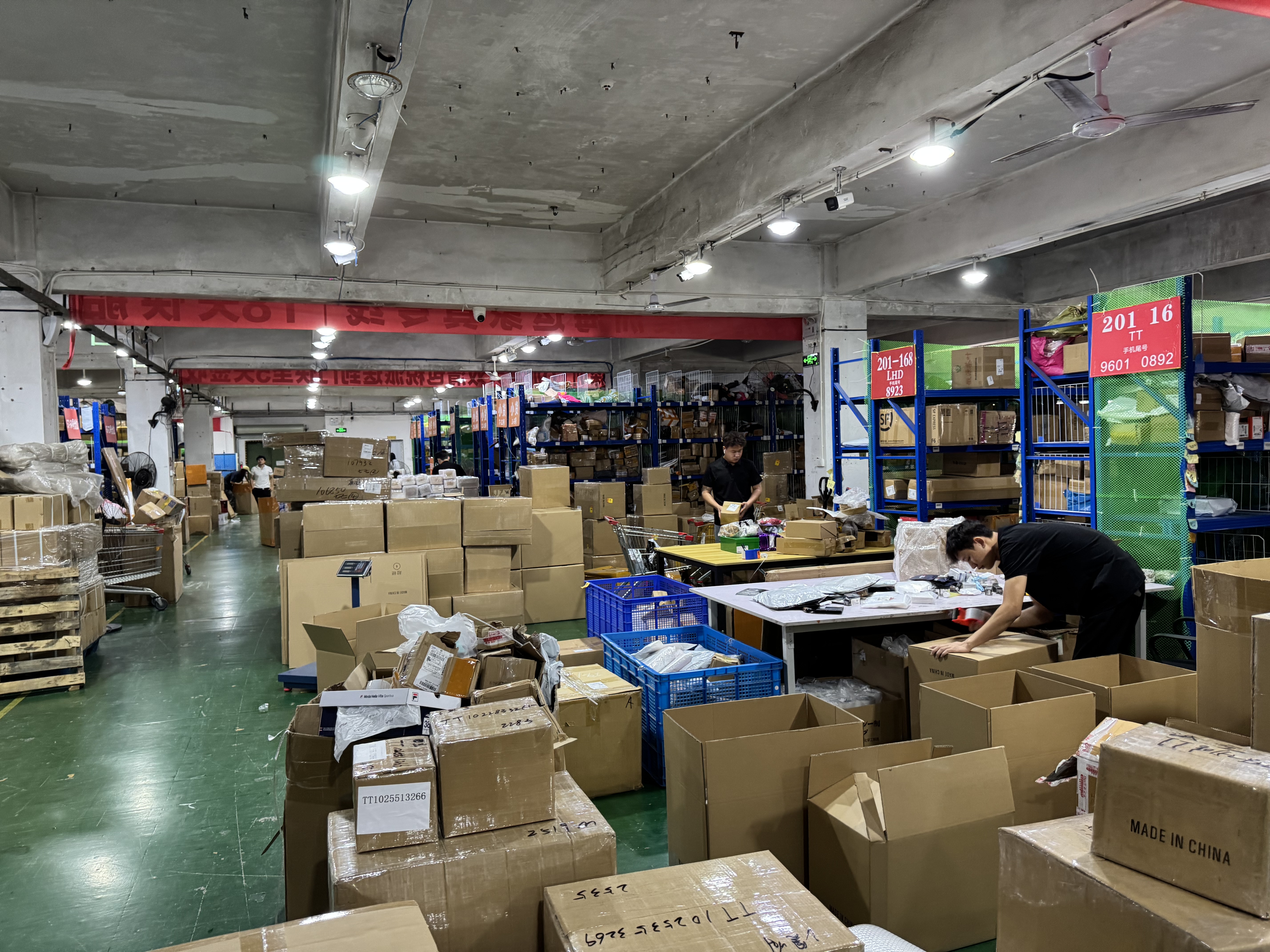
Booking and Planning Once you've finalized your order from China, the first step is to book your air freight space. It's advisable to do this at least 2 - 3 weeks in advance, especially during peak seasons like the end - of - year holidays. You'll need to provide detailed information about your goods, including weight, dimensions, and value. I've had clients who waited until the last minute and ended up paying a premium for rush bookings.Packaging and Labeling Proper packaging is key to ensuring your goods arrive in good condition. Use sturdy materials and cushioning for fragile items. Label your packages clearly with the correct shipping address, contact information, and any special handling instructions. For example, if you're shipping 3C electronics, they should be well - protected from static and physical damage.
Documentation Prepare all the necessary documents, such as the commercial invoice, packing list, and air waybill. The commercial invoice should accurately describe the goods, their value, and the terms of sale (INCOTERMS 2020). Any discrepancies in the documentation can lead to customs hold - ups.
Shipping and Tracking Once your goods are loaded onto the plane, you can track their progress using the air waybill number. Most airlines and freight forwarders provide real - time tracking services. This allows you to keep your customers informed about the expected delivery time.
IV. Choosing the Right Freight Forwarder - A 40% Focus Area
Industry Reputation Look for a freight forwarder with a good reputation in the market. Check online reviews and ask for references from other businesses. A forwarder with a solid track record is more likely to handle your shipment professionally. For example, Shengda International Logistics has been well - known for its reliable service in the China - Australia air freight lane. I've seen many clients benefit from their expertise, especially when it comes to handling complex customs procedures.Service Capabilities A good freight forwarder should offer a range of services, including door - to - door delivery, customs clearance, and insurance options. They should also have experience in handling your specific type of goods. If you're an apparel importer, you'll want a forwarder who understands the unique requirements of clothing, such as proper folding and hanging during transit.
Cost - effectiveness While cost shouldn't be the only factor, it's important to get a competitive quote. Compare the rates of different forwarders, but also consider the value they provide. Some forwarders may offer seemingly low prices but cut corners on service, leading to hidden costs later. Shengda International Logistics offers a transparent pricing model with no hidden fees, which is a big advantage for small businesses.
Local Knowledge in Australia A forwarder with local knowledge in Australia can be invaluable. They understand the local customs regulations, transportation networks, and potential challenges at Australian ports like Port Botany and the Port of Melbourne. This local expertise can help avoid delays and ensure a smooth delivery process.
V. Common Pitfalls and How to Avoid Them
Delivery Delays Delays can occur due to various reasons, such as bad weather, over - booked flights, or customs issues. To avoid delays, choose a reliable freight forwarder and book your shipment in advance. Stay in touch with your forwarder during transit and be prepared to pay any additional fees promptly to speed up the customs clearance process.Customs Rejections Goods can be rejected if they don't meet Australian customs requirements. Make sure you have all the necessary certifications and comply with biosecurity and tariff regulations. Double - check your documentation before shipping.
Cost Overruns Unexpected costs can quickly eat into your profits. Be clear about all the fees involved, including shipping costs, customs duties, and insurance. Ask your freight forwarder for a detailed quote upfront.
VI. FAQ
How long does air freight from China to Australia usually take in 2026? On average, it takes about 7 - 12 days for the air freight to reach Australia from China. But this can vary depending on factors like the origin and destination in China and Australia, the airline's schedule, and customs clearance time.Can I ship sensitive goods like electronics and cosmetics by air from China to Australia? Yes, you can. But you need to use a freight forwarder with a dedicated sensitive goods compliance专线. For example, Shengda International Logistics has a special channel for shipping such goods. They'll help you with the proper compliance申报 to avoid customs issues.
What if my goods are damaged during transit? Most reliable freight forwarders, like Shengda International Logistics, offer insurance options. You should consider insuring your goods, especially if they're high - value items. In case of damage, you can file a claim with the insurance provider.
How do I choose the best freight forwarder for my business? Look at their reputation, service capabilities, cost - effectiveness, and local knowledge in Australia. Ask for references and compare quotes. A forwarder with experience in handling your specific type of goods is also a plus.
Are there any special requirements for shipping food items from China to Australia in 2026? Yes, food items need to meet strict biosecurity and import requirements. You must provide detailed product information, including ingredients, manufacturing process, and shelf - life. The food may also need to be inspected by DAFF upon arrival in Australia.
In 2026, air freight from China to Australia offers a lot of opportunities for Australian small business owners, importers, and e - commerce sellers. By understanding the regulatory environment, choosing the right freight forwarder, and avoiding common pitfalls, you can make the most of this trade channel. Keep an eye on policy changes and industry trends to stay ahead in the game.
