

I. Introduction
Shipping goods from China to Edmonton can be a complex process, especially with the upcoming 2026 regulations and policies. I've been in the cross - border logistics industry for years, and I've seen many small business owners, importers, and e - commerce sellers run into trouble. In this article, I'll share my hands - on experience to help you avoid common pitfalls.
II. Understanding the 2026 Policy Changes in China - Canada Shipping
In 2026, there are several significant policy changes in China - Canada shipping. The Canadian Border Services Agency (CBSA) has tightened its customs inspection procedures. For example, the eManifest requirements have become more strict. Now, shippers need to provide more detailed information about the goods, including the origin of raw materials, manufacturing processes in some cases.
I had a client back in early 2026 who was a home goods seller in Vancouver. They shipped a batch of handmade ceramic vases from China to Edmonton. Due to the lack of detailed information about the clay origin and the manufacturing techniques in their eManifest, the goods were held at the Port of Vancouver for roughly 14 days. This unexpected delay not only cost them additional storage fees but also disrupted their sales plans.
III. Choosing the Right Shipping Method
1. Air Freight
Air freight is known for its speed. It's suitable for small, high - value, or time - sensitive goods. For example, 3C electronics sellers often prefer air freight. The transit time is usually around 7 - 10 days, which is much faster than sea freight. However, the cost is relatively high, about $3 - $8 per kilogram.
2. Sea Freight
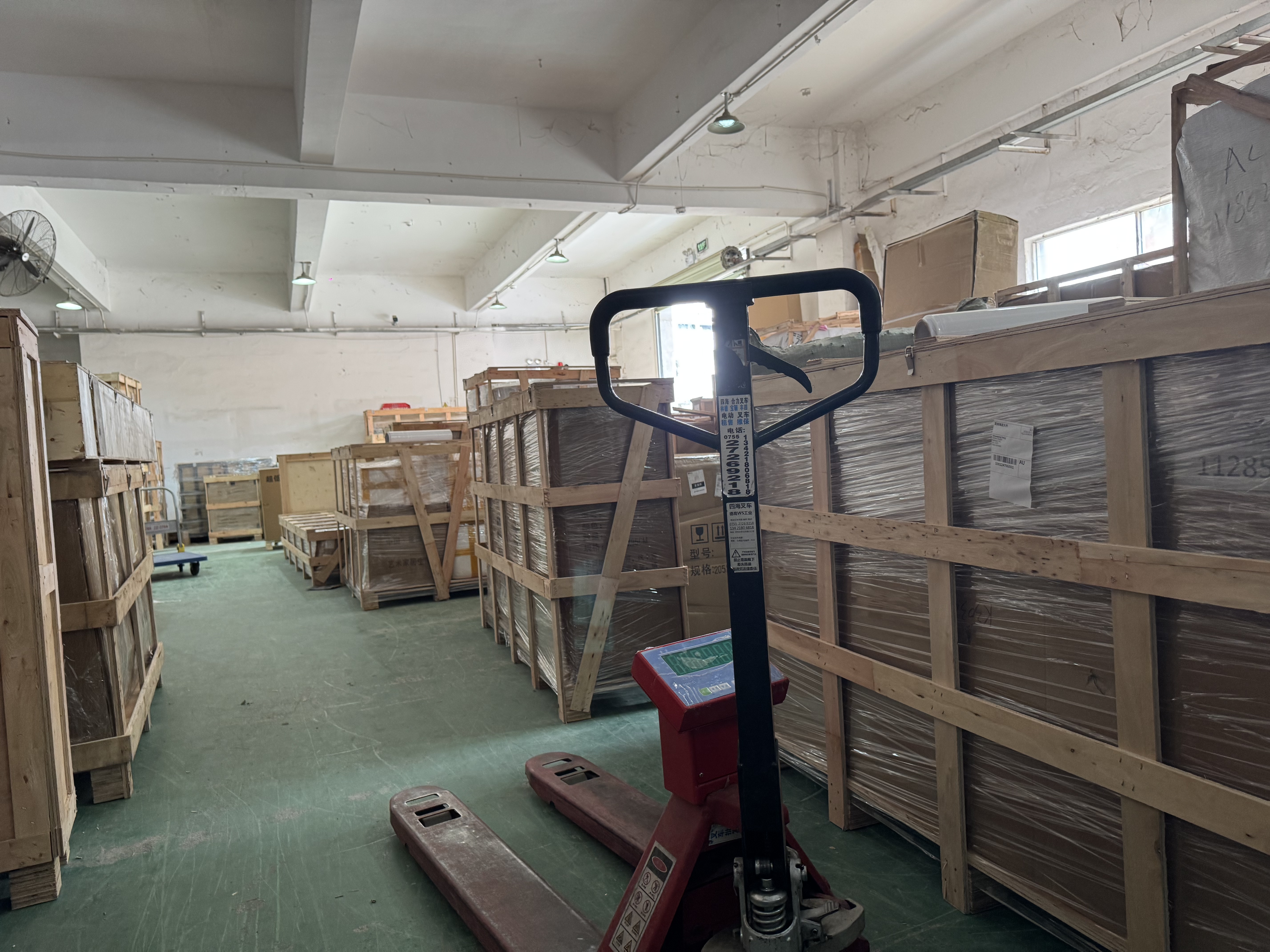
Sea freight is more cost - effective for large - quantity and heavy goods. There are two main options: Full Container Load (FCL) and Less than Container Load (LCL). FCL is suitable for large - scale importers, while LCL is a good choice for small business owners with smaller shipments. The transit time for sea freight is longer, usually 25 - 35 days from Chinese ports like Shanghai or Shenzhen to the Port of Vancouver.
But sea freight has its own challenges. I once dealt with an apparel importer who chose LCL. Their goods were mixed with other shipments in the container. Due to a mislabeling issue of another shipper in the same container, all the goods, including theirs, were subject to a more thorough inspection at the port. This caused a delay of about 12 days.
IV. Customs Clearance and Documentation
1. Required Documents
Proper documentation is crucial for customs clearance. You need to prepare the commercial invoice, bill of lading, packing list, and a certificate of origin. For certain goods, additional certificates such as product safety certificates or environmental protection certificates may be required.
2. HS Codes
Accurately classifying your goods with the correct Harmonized System (HS) codes is essential. Incorrect HS codes can lead to customs delays, over - or under - payment of duties. For example, if you misclassify a piece of electronic equipment, it may be subject to a different tariff rate, and the customs may hold your goods until the issue is resolved.
V. Packaging and Labeling
1. Packaging
Good packaging can protect your goods during the long - distance journey. For fragile items like glassware or electronics, use shock - absorbing materials such as bubble wrap and Styrofoam. For large furniture items, consider using wooden crates for extra protection.
I remember a trade factory that shipped a batch of wooden furniture to Edmonton. They didn't use proper wooden crates, and during the rough sea voyage, some of the furniture got damaged. This not only led to financial losses but also affected their business reputation.
2. Labeling
Clear and accurate labeling is necessary. Include information such as the destination address, contact person, and a brief description of the goods on the package. This helps the logistics provider and customs officials handle your goods correctly.
VI. FAQ
What if my goods are held at customs? Well, first, don't panic. Contact your logistics service provider immediately. They can help you figure out the reason, which could be anything from incorrect documentation to a random inspection. Usually, providing the correct information and paying any outstanding duties or taxes can resolve the issue. For example, at [Company Name] Shengda International Logistics, we have a dedicated team to handle customs issues and can assist you throughout the process.How can I ensure my goods are not damaged during shipping? Invest in good packaging materials as I mentioned before. Also, choose a reliable logistics provider. At [Company Name] Shengda International Logistics, we offer services like wooden crate packaging for large items and extra shock - absorbing materials for fragile goods.
Is it possible to track my shipment? Yes, most modern logistics providers offer shipment tracking services. At [Company Name] Shengda International Logistics, we have a self - developed intelligent logistics system that allows you to track your shipment in real - time, from the moment it leaves the warehouse in China to its final destination in Edmonton.
What are the main differences between air freight and sea freight? Air freight is fast but expensive, and it's suitable for small, high - value, or time - sensitive goods. Sea freight is slower but more cost - effective, ideal for large - quantity and heavy goods. You need to consider the nature of your goods, your budget, and your delivery time requirements when choosing between them.
How can I choose the right logistics service provider? Look for a provider with experience in China - Canada shipping. Check their reputation, whether they have a good track record of on - time delivery and handling customs issues. Also, consider their service offerings, such as packaging, tracking, and after - sales support. [Company Name] Shengda International Logistics has over 10 years of experience in cross - border logistics and a professional team that can meet your various needs.
As you navigate the world of shipping goods from China to Edmonton in 2026, keep these points in mind. Make sure to stay informed about the latest policies, choose the right shipping method, handle your documentation carefully, and protect your goods well. This way, you can avoid the common pitfalls and ensure a smooth shipping process.
