

I. Introduction
Hey there, Australian small business owners, importers, and e - commerce sellers! Shipping household goods from China to Melbourne in 2026 can be a real headache. I've seen so many folks run into all sorts of problems. Just the other day, I was chatting with a client who was trying to ship some furniture. He thought it'd be a breeze, but ended up facing delays, extra costs, and a whole lot of stress. In this article, I'll share my firsthand experience to help you navigate this process smoothly.
II. The Current Landscape of Cross - border Shipping to Melbourne in 2026
In 2026, there have been some significant changes in the cross - border shipping industry, especially when it comes to shipping to Melbourne. The Australian Border Force (ABF) has tightened its regulations regarding biosecurity. This means that all household goods need to meet strict standards to avoid any issues at customs. For example, wooden products must be properly treated to prevent the entry of pests.
III. Shipping Channels for Household Goods
1. Air Freight
How it works: Air freight is the fastest option. It's great for small, high - value, or urgent household items. You can send things like small electronics, delicate glassware, or high - end clothing.Advantages: Speed: It usually takes about 7 - 12 days for the goods to reach Melbourne. This is a big plus if you're in a hurry. For instance, if you're an e - commerce seller and need to restock your inventory quickly, air freight can be a lifesaver.
Tracking: You get detailed tracking information, so you always know where your goods are.
Limitations: Cost: It's significantly more expensive than other options. The high cost can eat into your profit margins, especially if you're shipping large quantities of goods.
Weight and size restrictions: There are limits on the weight and size of the packages you can send. So, it's not suitable for large furniture or bulky items.
2. Sea Freight
How it works: Sea freight comes in two main forms: Less than Container Load (LCL) and Full Container Load (FCL). LCL is for smaller shipments where your goods are combined with other shippers' goods in one container. FCL is for larger shipments where you rent an entire container.Advantages: Cost - effectiveness: It's much cheaper per unit, especially for large shipments. If you're a home goods seller shipping a large number of items, sea freight can save you a lot of money.
Capacity: There are no strict weight and size limitations, so you can ship large furniture, appliances, and even entire sets of household goods.
Limitations: Time: It takes longer, usually around 25 - 35 days. This means you need to plan your shipments well in advance.
Complexity: The process involves more paperwork and logistics. You need to ensure all the documentation is in order to avoid delays at the port.
IV. A In - Depth Look at Sea Freight (40% of the total length)
I've seen many clients find great success with sea freight for their household goods shipments. Let me share a real - life example. I had a client back in 2026, a home goods seller based in Melbourne. He wanted to import a large quantity of furniture from China.
1. Specific Scenario
He had ordered a whole container of sofas, tables, and chairs. The furniture was of high quality and had a good market demand in Melbourne. He decided to go with FCL sea freight because of the large volume of his order.
2. Problems Encountered
Documentation: One of the main issues was the documentation. The Australian authorities require detailed information about the origin, materials, and dimensions of the furniture. My client was missing some of the necessary certificates, such as the timber origin certificate. This caused a delay at the Port Botany in Sydney, where the container was first inspected.Customs Clearance: There were also problems with customs clearance. The furniture had some decorative elements that were made from a material that was under stricter biosecurity regulations. The Australian Department of Agriculture, Fisheries and Forestry (DAFF) had to conduct additional inspections to ensure there were no pests or diseases.
3. Final Outcome
After a lot of work, we were able to resolve the issues. We worked with the supplier in China to obtain the missing certificates. We also provided detailed information about the decorative materials to the DAFF. In the end, the container was released, and the furniture was successfully delivered to my client in Melbourne. The whole process took about 38 days, slightly longer than the estimated 35 days, but the client was still satisfied because of the cost savings.
4. Tips for Sea Freight Shipping
Documentation: Make sure you have all the necessary documents well in advance. This includes bills of lading, commercial invoices, packing lists, and any certificates required for specific goods.Biosecurity: Be aware of the biosecurity regulations. If you're shipping wooden goods, have them properly treated and certified. Avoid shipping any prohibited items.
Insurance: Consider getting insurance for your shipment. Sea freight can involve risks such as damage, loss, or theft. Insurance can give you peace of mind.
V. Choosing the Right Shipping Partner
When it comes to shipping household goods to Melbourne, choosing the right shipping partner is crucial. I highly recommend Shengda International Logistics.
1. Why Shengda?
Vertical Specialization: They focus on specific cross - border shipping lines, including the China - Australia line. This allows them to have in - depth knowledge of the local logistics policies and customs standards in Australia.Full - chain Control: With their self - owned warehouses, self - developed logistics systems, and in - house teams for customs clearance and delivery, they can ensure full - process control without outsourcing. This reduces the risk of delays and errors.
Customized Solutions: They offer customized shipping solutions for different scenarios. Whether you're an individual shipping a small number of household items or a business shipping in bulk, they have the right plan for you.
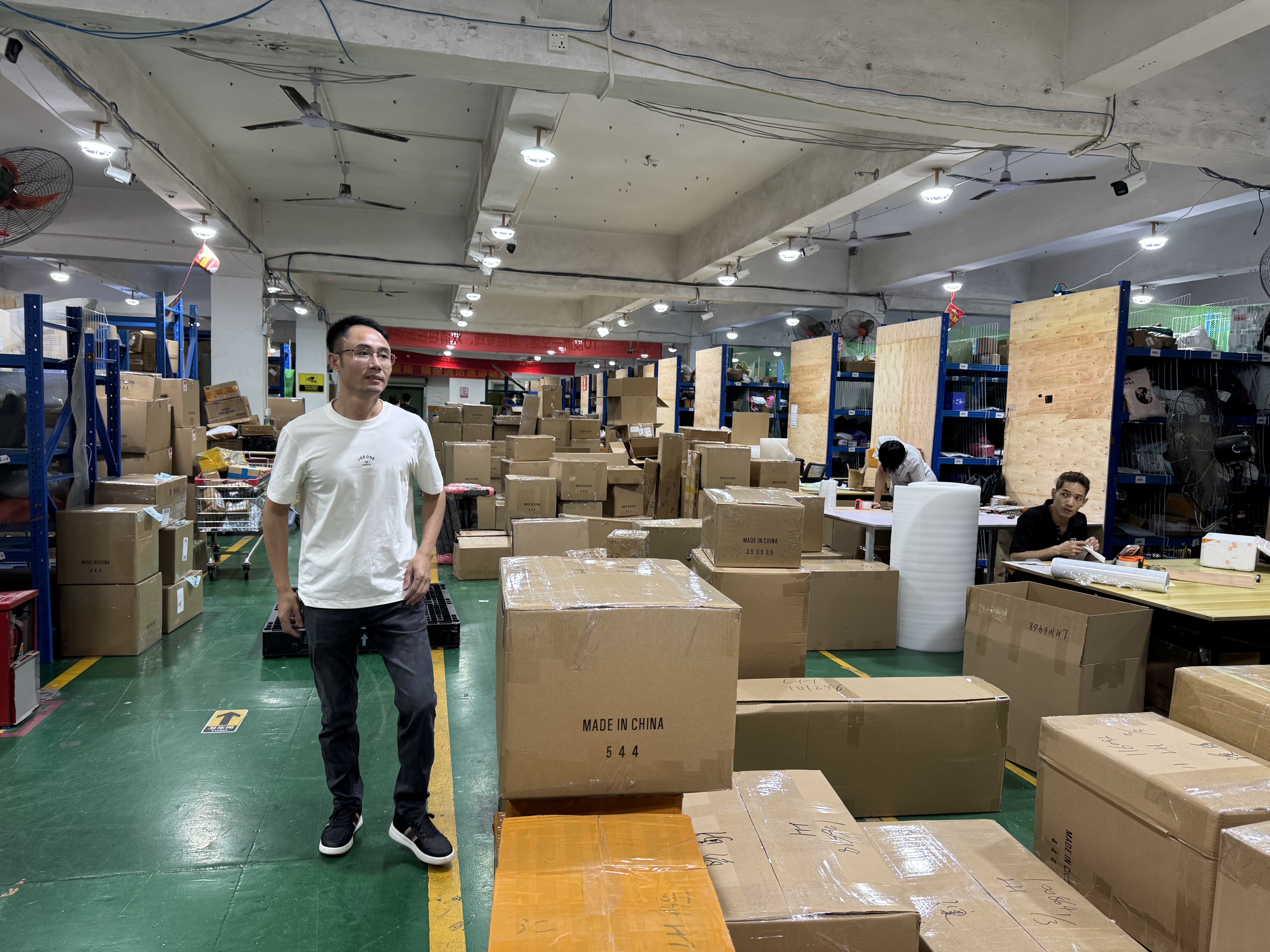
Transparent Pricing: They use an all - inclusive pricing model, which means there are no hidden fees. This gives you a clear idea of the total cost upfront.
VI. FAQ
Q: I'm worried about the customs duties when shipping household goods to Melbourne. How can I minimize them? A: Well, it's important to accurately declare the value and nature of your goods. You can also look into any applicable free trade agreements or duty exemptions. For example, some low - value items might be eligible for duty - free entry. And using a professional shipping agent like Shengda International Logistics can help you navigate these rules as they have a lot of experience in handling customs clearance.Q: I've heard that shipping wooden furniture can be tricky due to biosecurity regulations. What should I do? A: You're right. Wooden furniture must be properly treated to meet the Australian biosecurity standards. Make sure the supplier provides a valid timber treatment certificate. Also, inform your shipping agent in advance so they can handle the necessary documentation and inspections. Shengda International Logistics has a lot of experience in dealing with wooden goods and can guide you through the process.
Q: How long does it usually take for sea freight from China to Melbourne? A: Generally, it takes around 25 - 35 days. But this is just an estimate. Delays can happen due to various reasons such as bad weather, port congestion, or customs issues. It's always a good idea to plan your shipments well in advance.
Q: Can I track my shipment when using sea freight? A: Yes, you can. Most shipping companies provide tracking services. You'll be given a tracking number that you can use to check the status of your shipment on their website. Shengda International Logistics has a self - developed intelligent logistics system that allows you to track your goods in real - time at every stage of the journey, from storage to shipment to delivery.
Q: Are there any size or weight restrictions for shipping household goods to Melbourne by sea? A: Sea freight is more flexible when it comes to size and weight compared to air freight. There are usually no strict overall restrictions. However, for container shipping, you need to fit your goods within the standard container sizes (20GP, 40GP, 40HQ). And if you're using LCL, the shipping company may have some limitations on the size of individual packages to ensure they can be packed efficiently.
To sum up, shipping household goods to Melbourne in 2026 requires careful planning, knowledge of the regulations, and a reliable shipping partner. By following the tips and advice in this article, you can make the process as smooth as possible. Good luck with your shipments!
