

I. Introduction
Hey there, Australian small business owners, importers, and e - commerce sellers! If you're in the furniture business and planning to ship containers to Canada in 2026, you're in for a ride. I've been in the cross - border logistics game for years, dealing with all sorts of shipping scenarios. And let me tell you, furniture container shipping to Canada has its own set of challenges and opportunities.
II. 2026 Policy Updates and Their Impacts
In 2026, there are some significant policy updates in Canada that you need to be aware of. The Canadian Border Services Agency (CBSA) has tightened its regulations on imported furniture. For instance, they've increased the scrutiny of wood - sourced furniture to prevent the entry of pests and diseases. I had a client back in 2024 who shipped a container of wooden chairs from China to Vancouver. Little did they know that some of the wood had a minor infestation. The entire container was held up at the port for weeks, and they had to pay hefty fines for non - compliance.
Another change is related to the eManifest system. You're now required to submit a more detailed eManifest earlier than before. This includes precise information about the furniture items, such as the type of wood, manufacturing date, and the origin of all materials used. Failing to provide accurate information can lead to delays and customs holds.
III. Choosing the Right Shipping Method
1. Full Container Load (FCL)
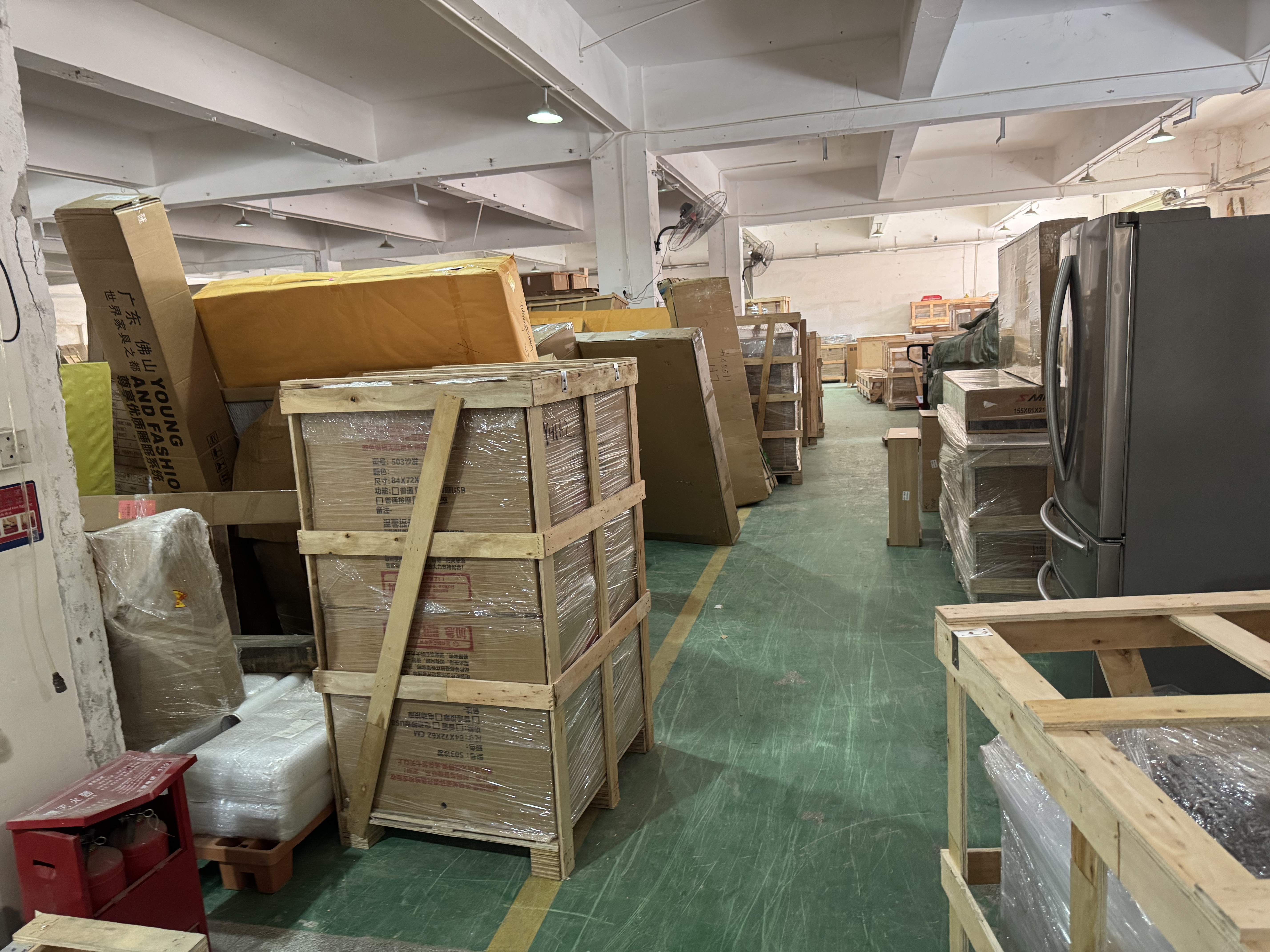
This is a great option if you're shipping a large quantity of furniture. With FCL, the entire container is yours, which means less handling of your goods and a lower risk of damage. But it can be more expensive, especially if your shipment doesn't fill the container completely. For example, if you're a furniture factory in China shipping a large order of dining sets to Toronto, FCL would be suitable. You get to have full control over the container, and the transit time is relatively stable.
2. Less than Container Load (LCL)
If you have a smaller quantity of furniture to ship, LCL is the way to go. You share the container with other shippers, which reduces the cost. But there are downsides. Your furniture will be handled more frequently as it's loaded and unloaded with other goods, increasing the risk of damage. And the transit time can be longer as the container has to wait to be filled before departure.
IV. Critical Process Details
1. Packaging
Proper packaging is crucial for furniture shipping. You need to use materials like bubble wrap, foam, and sturdy cardboard boxes. For large furniture pieces, such as sofas or beds, custom - made wooden crates can provide extra protection. I once saw a shipment of antique chairs that were poorly packaged. By the time they reached Montreal, many of them had broken legs and scratches.
2. Documentation
You'll need a variety of documents for furniture container shipping to Canada. This includes a commercial invoice, bill of lading, packing list, and a certificate of origin. The commercial invoice should clearly state the value of the furniture, the quantity, and a detailed description of each item. The certificate of origin is important as it determines the tariff rates and can affect the customs clearance process.
3. Customs Clearance
Customs clearance is often the most challenging part. You need to ensure that your furniture complies with all Canadian regulations. This may involve getting pre - shipment inspections, especially for wooden furniture. If your furniture contains any prohibited materials, like certain types of endangered wood, it will be seized at the border.
V. Cost Analysis
The cost of shipping furniture containers to Canada depends on several factors. Firstly, the shipping method (FCL or LCL) plays a big role. FCL is generally more expensive but offers more security and faster transit times. The distance between the origin port and the Canadian port also matters. Shipping from Shanghai to Vancouver will cost less than shipping to Halifax due to the shorter distance.
There are also additional costs such as customs duties, taxes, and port handling fees. Customs duties are calculated based on the value of the furniture and the tariff rate applicable to your goods. Taxes, such as the Goods and Services Tax (GST) in Canada, also need to be paid.
VI. FAQ
What if my furniture is damaged during shipping? Well, it's always a bummer when that happens. If you've chosen a reliable shipping provider like [Company Name], they usually have a claims process in place. You'll need to document the damage as soon as you receive the furniture and file a claim within a specified time frame. The shipping company will then investigate and, if found liable, provide compensation.Can I ship used furniture to Canada? Yes, you can. But used furniture is subject to the same regulations as new furniture. You may need to provide additional documentation to prove the origin and condition of the used furniture. And if it's wooden, it still needs to pass the pest and disease inspections.
How long does it take to ship a furniture container from China to Canada? It depends on the shipping method and the ports involved. For FCL, it can take roughly 15 - 25 days from Shanghai to Vancouver. LCL may take longer, around 25 - 35 days, as it has to wait for other shipments to fill the container.
What are the main factors that can cause delays in furniture container shipping? There are several factors. Incorrect or incomplete documentation is a major one. If the CBSA has to wait for you to provide the right documents, it will hold up the clearance process. bad weather conditions can also cause delays at sea. And as I mentioned earlier, non - compliance with regulations, like using prohibited wood, can result in long - term holds.
Do I need an agent for customs clearance in Canada? It's not mandatory, but it can be very helpful. A customs agent knows the ins and outs of the Canadian customs system. They can ensure that your documentation is correct and help you navigate any issues that may arise during the clearance process. This can save you a lot of time and headaches.
So, there you have it, all the key points you should know about furniture container shipping to Canada in 2026. Keep these in mind, and you'll be well on your way to a successful shipping experience.
