

I. Introduction
Hey there, e-commerce sellers! In 2026, China-to-Canada sea freight remains a crucial channel for your business. However, there are a lot of things that might trip you up if you're not well - informed. I've been in the cross - border logistics frontline for years, and I've seen many e - commerce sellers run into all sorts of problems. Let me share some key insights with you.
II. New Policies and Regulations in 2026
The Canadian Border Services Agency (CBSA) has introduced some significant changes this year. For instance, the food safety inspection regulations have been tightened. If you're shipping food products from China to Canada, you'll have to provide more detailed certificates. I had a client back in the first quarter of 2026 who was an importer of Chinese snacks. They didn't know about the new requirements for food import. As a result, their shipment was held up at the Port of Vancouver for nearly two weeks.
Another important change is related to the eManifest system. All shippers are now required to submit more accurate and detailed information about the cargo electronically. This is to improve security and efficiency in the customs clearance process. But it can be a hassle for those who aren't well - prepared.
III. Cost Breakdown of China - to - Canada Sea Freight
Basic Freight Rates The basic freight rates vary depending on many factors, such as the volume and weight of the cargo, the shipping route, and the season. Generally, for a 20 - foot container from Shanghai to the Port of Montreal, the basic freight rate can range from $1,500 to $2,200 in 2026. For a 40 - foot container, it can be between $2,500 and $3,800.Additional Costs Terminal Handling Charges: These are fees charged by the ports for handling the containers. At Chinese ports, it can be around $200 - $300 per 20 - foot container and $350 - $500 per 40 - foot container. In Canadian ports, the charges are usually a bit higher.
Documentation Fees: These fees cover the cost of preparing all the necessary shipping documents. They can be around $50 - $100 per shipment.
Customs Clearance Fees: This includes the cost of getting the goods through Canadian customs. It typically ranges from $150 - $300, depending on the complexity of the cargo.
IV. Shipping Routes and Transit Times
Major Shipping Routes East Coast Route: Cargo is usually shipped from major Chinese ports like Shanghai, Ningbo, or Shenzhen to Canadian east - coast ports such as the Port of Montreal or the Port of Halifax. This route is popular for delivering goods to the Eastern and Central regions of Canada.West Coast Route: Goods are sent from Chinese ports to Canadian west - coast ports like the Port of Vancouver. It's a common choice for e - commerce sellers targeting the Western part of Canada.
Transit Times The transit time can vary significantly. On average, it takes about 14 - 21 days for a shipment to reach the west - coast ports of Canada from China. For the east - coast ports, it can take approximately 25 - 32 days. But these are just estimates and can be affected by factors like bad weather, port congestion, or strikes. I once had an apparel importer client. Their shipment from Shenzhen to the Port of Vancouver was supposed to take 16 days. But due to a typhoon in the South China Sea, it ended up taking 22 days, which caused a bit of a headache for them as they had to delay some product launches.
V. Choosing the Right Freight Forwarder
Experience and Reputation Look for a freight forwarder with a good track record in China - to - Canada shipping. A forwarder with years of experience is more likely to handle any issues that may arise during the shipping process. For example, [Company Name] Shengda International Logistics has been in the business for a long time and has a solid reputation among e - commerce sellers. They've helped many clients navigate the complex cross - border logistics landscape.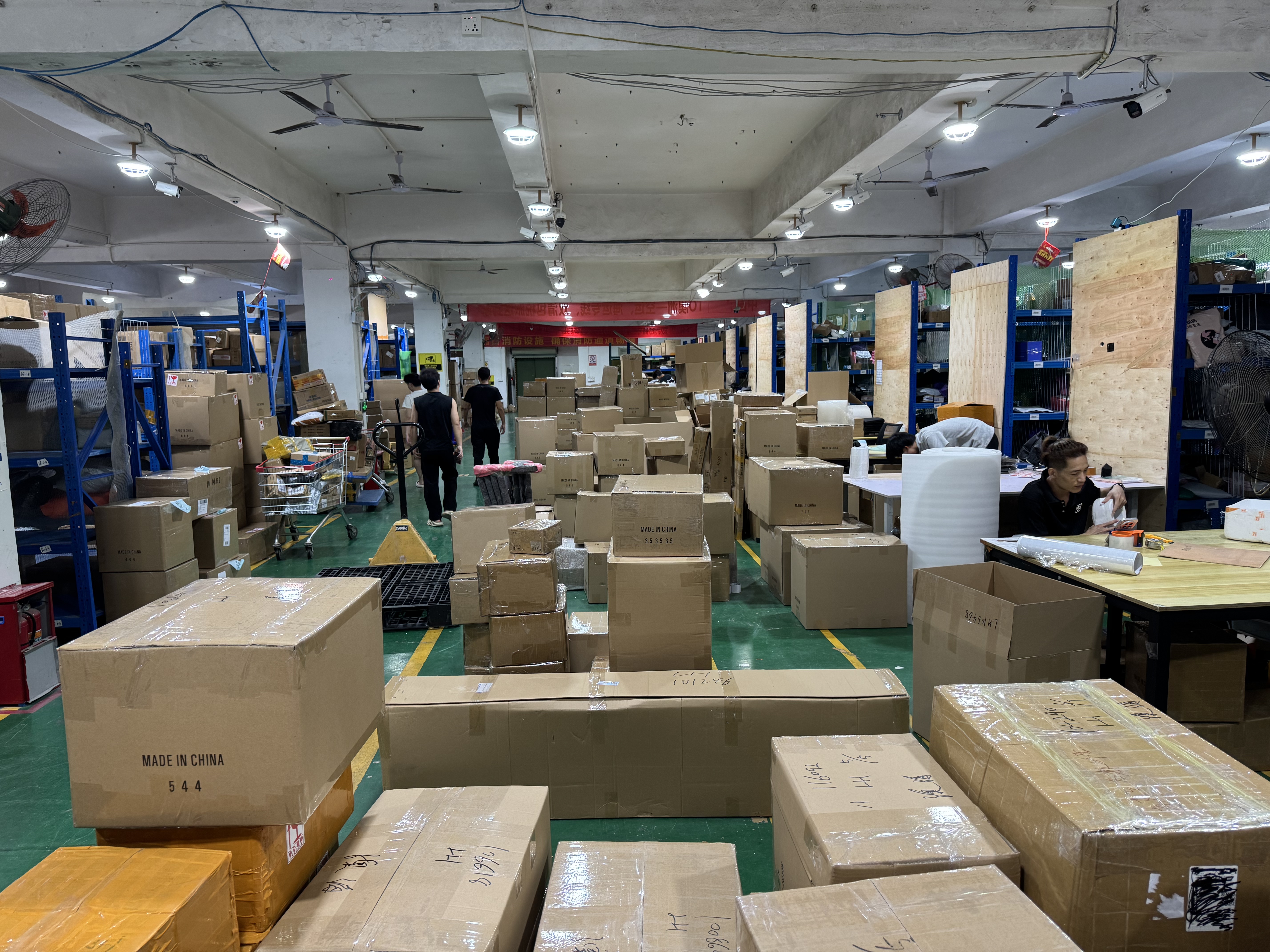
Cost - effectiveness While cost shouldn't be the only factor, it's still important. Compare the quotes from different freight forwarders to ensure you're getting a good deal. But beware of extremely low prices, as they may come with hidden costs or poor service.
VI. FAQ
What should I do if my shipment is delayed at the Canadian port? First, contact your freight forwarder immediately. They'll be able to check the status of your shipment and find out the reason for the delay. It could be due to customs clearance issues, port congestion, or other factors. If it's a customs - related problem, the forwarder can help you provide the necessary documents and resolve the issue as quickly as possible.Can I ship food products from China to Canada? Yes, but you need to comply with the new food safety regulations in 2026. You'll have to provide detailed certificates about the origin, ingredients, and safety of the food. A specialized freight forwarder can help you with the compliance process. Shengda International Logistics has experience in handling food shipments and can guide you through the documentation requirements.
How can I ensure the safety of my cargo during sea freight? Choose a reliable freight forwarder that offers proper packaging and handling services. For example, if you're shipping fragile items, ask for extra packaging materials like foam or bubble wrap. Also, make sure the containers are well - sealed and loaded properly.
Is it worth it to use a freight forwarder instead of arranging shipping myself? Most of the time, yes. A freight forwarder has the expertise and resources to handle all aspects of the shipping process, from documentation to customs clearance. They can save you a lot of time and headaches, especially if you're new to cross - border shipping. Also, they may be able to get better rates due to their relationships with shipping lines.
As an e - commerce seller, staying informed about all these aspects of China - to - Canada sea freight in 2026 will help you run your business more smoothly. Keep these tips in mind and always be prepared for any challenges that may come your way.
