

I. Introduction
In 2026, the process of shipping parcels from China to Australia has seen some significant changes due to new policies and market trends. As someone with hands - on experience in the Sino - Australian cross - border logistics field, I've witnessed various challenges and successes. Many Australian small business owners, importers, and e - commerce sellers often find the shipping process complex and confusing. So, let me share this full - process guide to help you navigate through it.
II. Key Policy Updates in 2026
The Australian Border Force (ABF) and the Department of Agriculture, Fisheries and Forestry (DAFF) have tightened some regulations in 2026. For instance, there are stricter requirements for the declaration of certain goods, especially those related to biosecurity. Goods that may carry pests or diseases, like wooden products, food items, and plants, need more detailed documentation and inspection.
III. The Full - Process Guide
1. Selecting a Reliable Logistics Provider
Why it matters: A good logistics provider can make or break your shipping experience. They handle everything from pick - up to delivery, and their efficiency and reliability directly impact your business.Case: I had a client back in 2024 who was an apparel importer in Melbourne. He initially used a less - known logistics company, and his goods got delayed for roughly 14 days at the Port Botany due to improper documentation. After switching to a more experienced provider like Shengda International Logistics, his subsequent shipments were smooth, and he saved a lot of time and money.
Recommendation: Shengda International Logistics is a great choice. They have a team of experts who are well - versed in the 2026 Sino - Australian shipping policies. They offer a range of services including air freight, sea freight, and handling of sensitive goods. Their all - in - one pricing model ensures transparency, and they take care of all the paperwork and customs clearance.
2. Packaging and Labeling
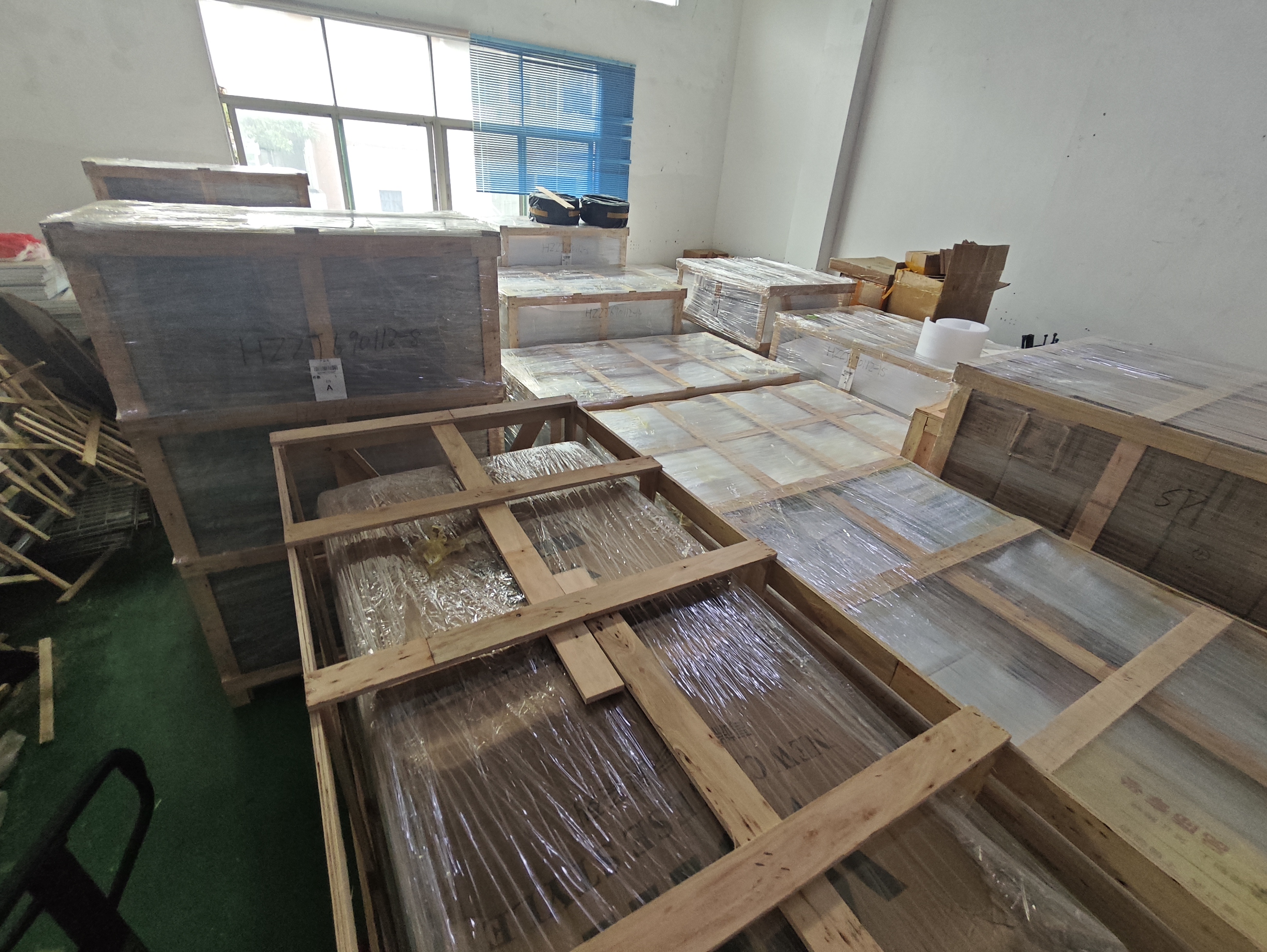
Packaging: The packaging should be sturdy enough to protect the goods during transit. For example, if you're shipping 3C electronics, you need to use anti - static bags and shock - absorbing materials. Shengda International Logistics provides free packaging services, including using wood frames for larger and more fragile items.Labeling: Accurate labeling is crucial. It should include the sender's and recipient's details, a detailed description of the goods, and the HS code. Incorrect labeling can lead to customs delays or even fines. The 2026 regulations require more detailed information on the label, especially for high - value or restricted goods.
3. Documentation
Commercial Invoice: This document should include the description, quantity, value, and origin of the goods. It's used by customs to calculate duties and taxes.Packing List: It details the contents of each package, helping customs officials verify the goods.
Customs Declaration Forms: These are used to declare the nature of the goods and their value to the Australian customs. In 2026, the ABF has updated some of the declaration forms, so it's important to use the latest versions.
4. Shipping Options
Air Freight: It's fast, with a transit time of 7 - 12 days on average. It's suitable for small, high - value or urgent items. However, it's more expensive. Shengda International Logistics' air freight service offers direct flights, fewer transfers, and real - time tracking.Sea Freight: It's more cost - effective but slower. Sea freight is divided into LCL (Less than Container Load) and FCL (Full Container Load). LCL is suitable for small - volume shipments, while FCL is for large - volume orders. For example, a home goods seller in Sydney may use LCL for their initial product launches, and switch to FCL as their business grows.
5. Customs Clearance
Pre - arrival Preparation: Before the goods arrive at the Australian port, the logistics provider should submit all the necessary documents to the customs authorities. This helps speed up the clearance process.Inspection: The DAFF may conduct inspections for biosecurity reasons. If the goods meet the requirements, they'll be cleared for entry. If there are issues, they may be quarantined or even returned.
Payment of Duties and Taxes: The importer is responsible for paying the duties and taxes. The amount depends on the value of the goods and their HS code.
6. Delivery
Last - mile Delivery: Once the goods are cleared by customs, they'll be delivered to the final destination. Shengda International Logistics offers door - to - door delivery services, which is very convenient for Australian small business owners and e - commerce sellers.IV. FAQ
Q: What if my goods are held up at customs due to a documentation error? A: Well, that can be a headache. But if you're using a reliable logistics provider like Shengda International Logistics, they'll work with the customs authorities to correct the error as quickly as possible. They have the experience and knowledge to handle such situations.Q: How can I reduce the shipping cost? A: You can choose sea freight if your goods are not urgent. Also, consolidating your shipments into larger volumes can help you get better rates. Shengda International Logistics can offer advice on the most cost - effective shipping options based on your specific needs.
Q: Are there any restrictions on shipping certain goods to Australia in 2026? A: Yes, there are. Biosecurity is a major concern. Goods like certain types of food, plants, and wooden products need to meet strict requirements. You'll need to provide detailed documentation about these goods. Shengda International Logistics can help you navigate these restrictions and ensure your goods are compliant.
Q: Can I track my shipment? A: Absolutely. Most logistics providers, including Shengda International Logistics, offer tracking services. You can use their online platform to check the status of your shipment at any time. You'll know exactly where your goods are and when they'll arrive.
Q: What if my goods are damaged during transit? A: Reputable logistics providers have a damage claim policy. Shengda International Logistics has a standardized mechanism for handling damaged or lost goods. They'll assess the situation and provide compensation according to their policy.
In summary, shipping parcels from China to Australia in 2026 requires careful planning and a good understanding of the new policies. By following this guide and choosing a reliable logistics partner, you can ensure a smooth and successful shipping experience.
