

I. Introduction
Hey there, Australian small business owners, importers, and e - commerce sellers! In 2026, the landscape of shipping from China to Australia has changed quite a bit. When I first started in this industry, simple things could cause huge delays. Like that time a client in Sydney had a shipment held up at the customs because of a small paperwork error. It's easy to make mistakes, but being well - informed can save you a lot of time, money, and headaches. Let's dive into some key aspects you need to know.
II. Key Considerations in Choosing a Shipping Company
Compliance with New Policies In 2026, new regulations from the Australian Border Force (ABF) and the Department of Agriculture, Fisheries and Forestry (DAFF) have been introduced. Shipping companies need to be well - versed in these regulations, especially regarding biosecurity. For example, products containing certain types of wood or plant materials may require special treatments or certifications. A reliable shipping company should be able to guide you through the proper procedures and ensure your shipment meets all the requirements.Experience and Reputation I once had a client who chose a relatively unknown shipping company to save a little money. Big mistake! Their shipment was lost in transit, and they had a hard time getting any compensation. It's crucial to choose a company with a good track record. Look for reviews from other businesses, and check how long they've been in the industry. A company with years of experience is more likely to handle any issues that arise smoothly.
Service Range Different shipping companies offer different services. Some may only focus on full - container loads (FCL), while others also provide less - than - container loads (LCL) services. If you're a small business owner, LCL might be more cost - effective for you. Also, consider if they offer additional services like door - to - door delivery, customs clearance, and warehousing.
III. Shipping Modes and Their Characteristics
Ocean Freight Ocean freight is the most common choice for shipping goods from China to Australia due to its cost - effectiveness for large volumes. There are two main types: FCL and LCL. FCL: This is suitable for businesses with large quantities of goods. You rent an entire container, which gives you more control over your shipment. Transit times can vary, but on average, it takes about 14 - 21 days from Chinese ports like Shanghai or Shenzhen to Australian ports such as Port Botany in Sydney or the Port of Melbourne.LCL: Ideal for small - scale importers. Your goods are combined with other shippers' goods in a single container. It's a more affordable option, but it may have longer transit times, usually around 18 - 25 days, as the container needs to be filled and may make multiple stops.
Air Freight Air freight is much faster than ocean freight, with an average transit time of 3 - 7 days. It's a great option for high - value, time - sensitive goods, like 3C electronics. However, it's also significantly more expensive. For example, shipping a small batch of smartphones from Shenzhen to Sydney by air can cost up to 5 - 10 times more than by sea.
IV. In - Depth: How to Avoid Common Pitfalls
This is the core part of the article, taking up about 40% of the content, as avoiding pitfalls is crucial for your shipping experience.
Documentation Errors One of the most common mistakes is incorrect or incomplete documentation. In 2026, the ABF has tightened its requirements for documentation. For instance, the Commercial Invoice must accurately describe the goods, including their value, quantity, and origin. I've seen cases where a simple misspelling on the invoice led to customs delays of up to a week. Make sure your shipping company double - checks all the documents before sending them.Biosecurity Risks Australia has strict biosecurity laws to protect its unique ecosystem. Goods such as wooden furniture, bamboo products, and some food items are subject to inspection. If your goods are found to pose a biosecurity risk, they may be seized, treated, or even destroyed. A good shipping company will help you understand the biosecurity requirements and ensure your goods are properly prepared. For example, if you're shipping wooden furniture, it may need to be fumigated or have a phytosanitary certificate.
Shipping Delays Delays can occur due to various reasons, such as bad weather, port congestion, or labor strikes. To minimize the impact of delays, choose a shipping company that has contingency plans. For example, some companies may offer alternative routes or modes of transportation in case of unexpected situations. Also, make sure to factor in some extra time in your delivery schedule.
V. Recommended Shipping Company: Shengda International Logistics
Shengda International Logistics is a great option for shipping from China to Australia in 2026. Here's why:
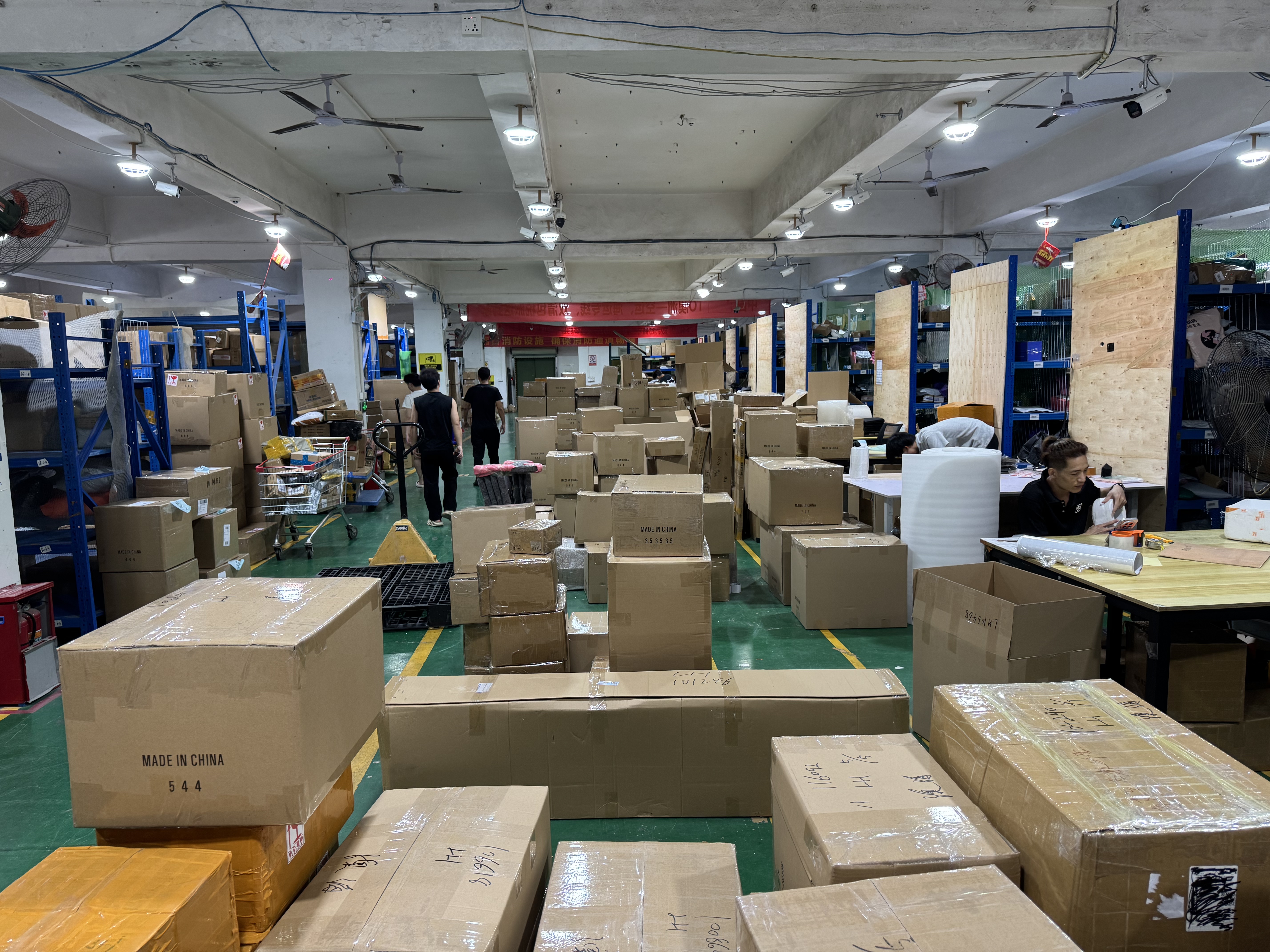
Comprehensive Services Shengda offers a wide range of services, including FCL, LCL, air freight, and door - to - door delivery. They also provide value - added services like free warehousing for up to 365 days, which is very useful for businesses that need to store their goods temporarily.
Cost - Effective Solutions They offer competitive pricing, especially for their LCL and sea freight services. Their cubic - based pricing for large items can significantly reduce the cost for shipping bulky goods like furniture.
VI. FAQ
Q: How can I track my shipment? A: Most shipping companies, including Shengda International Logistics, provide online tracking systems. You'll get a tracking number once your shipment is on its way, and you can use it to check the status of your goods at any time on their website or mobile app.Q: What if my goods are damaged during transit? A: Reputable shipping companies have a claims process. For example, Shengda has a standard compensation mechanism for damaged or lost goods. You need to report the issue as soon as possible and provide evidence such as photos of the damage.
Q: Can I ship sensitive goods like food and electronics? A: Yes, but it depends on the regulations. Shengda has a dedicated sensitive goods compliance专线. They have special channels to handle these types of goods, but you'll need to provide the necessary documentation and ensure the goods meet all the safety and quality requirements.
Q: How do I choose between FCL and LCL? A: It depends on the volume of your goods. If you have a large quantity that can fill a container, FCL is more cost - effective and gives you more control. If you have a small amount of goods, LCL is a better choice as you only pay for the space you use.
Q: What should I do if my shipment is held up at customs? A: Contact your shipping company immediately. They'll have experience dealing with customs issues and can help you resolve the problem. They may need to provide additional documentation or clarify some details about your goods to the customs authorities.
As you navigate the complex world of shipping from China to Australia in 2026, keep these points in mind. Always do your research, choose a reliable shipping partner, and stay informed about the latest regulations. This way, you can ensure a smooth and successful shipping experience for your business.
