

I. Introduction
As an Australian small business owner, importer, or e - commerce seller, you're likely well aware that shipping goods from China to Australia is a significant part of your operations. However, 2026 brings a host of new regulations and market dynamics that could make or break your shipments. I've seen firsthand the chaos that can ensue when businesses aren't prepared. For example, a few years back, I had a client, a home goods seller in Sydney, who didn't keep up with the new biosecurity rules. His shipment was held up at Port Botany for weeks, costing him not only money but also valuable customer trust. So, let's dive into what you need to know.
II. 2026 Policy Changes and Their Implications
1. Australian Border Force (ABF) Updates
The Australian Border Force has been tightening regulations in 2026, particularly in terms of customs valuation and anti - smuggling measures. In the past, some businesses might have fudged the values on their invoices to save on duties. But now, the ABF has advanced data analytics tools to cross - reference prices with market rates. For instance, if you're importing 3C electronics from China, you'll need to ensure that the declared value on your HS codes matches the real market price. Otherwise, you risk hefty fines and your goods being seized.
2. Biosecurity Regulations
The Department of Agriculture, Fisheries and Forestry (DAFF) has also introduced stricter biosecurity checks. Timber products, for example, must be treated and certified to prevent the introduction of pests and diseases. I remember a case where an apparel importer in Melbourne included some wooden hangers in his shipment without proper treatment. The entire shipment was sent back, causing a huge delay and financial loss. To avoid this, make sure you understand the biosecurity requirements for each type of product you're importing.
III. Shipping Channels Analysis (Core Section - 40% of the Text)
1. Air Freight
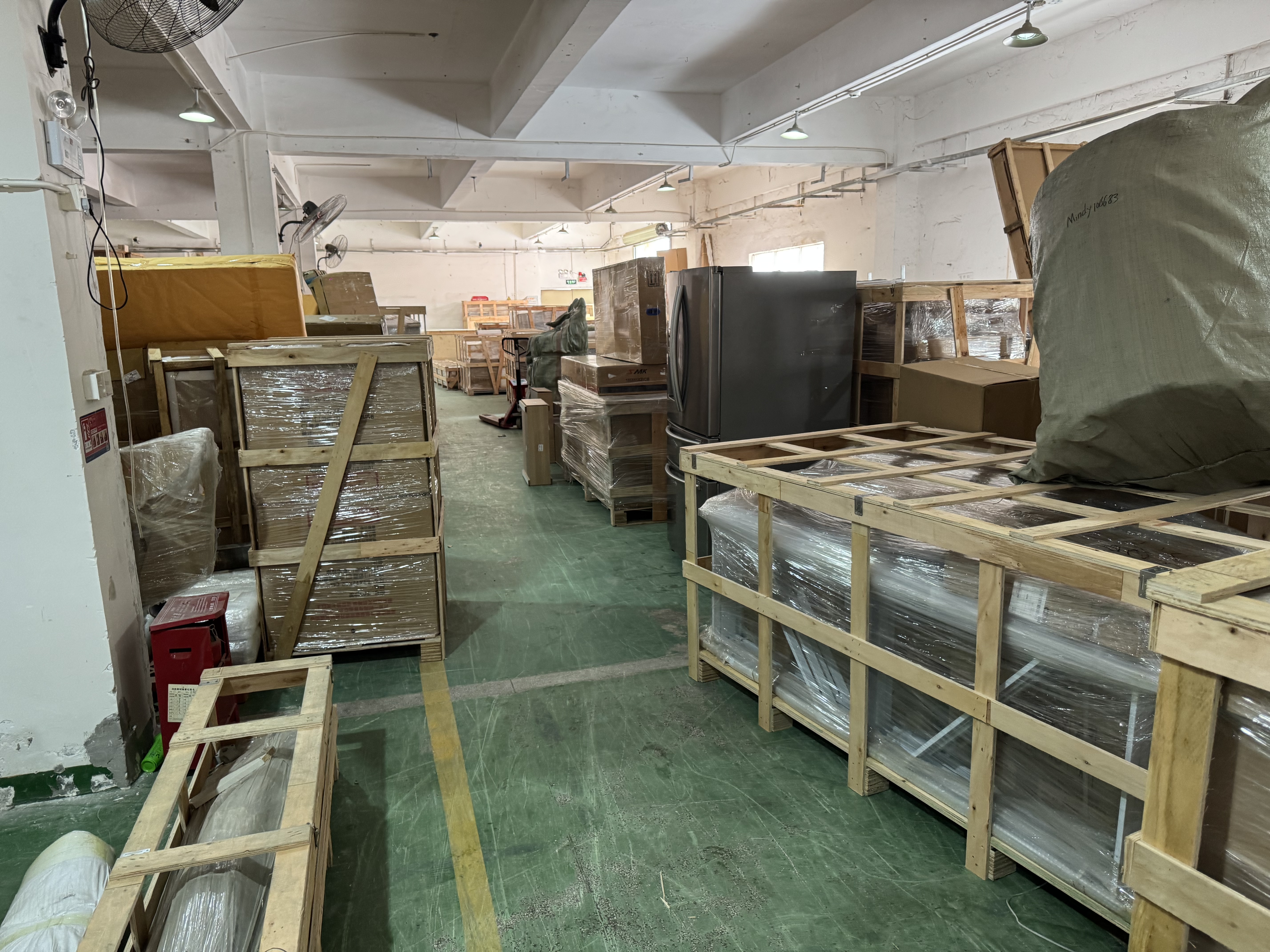
Air freight is known for its speed. It's ideal for small, high - value items or urgent orders. For 3C electronics sellers, it can be a game - changer as it allows you to restock quickly and meet customer demands. However, it comes at a cost. The price per kilogram for air freight can be 3 - 5 times higher than sea freight. Additionally, the weight and size restrictions are more stringent. You'll also need to factor in airport handling fees and potential customs clearance costs at both ends.
2. Sea Freight
a. Full Container Load (FCL)
If you're a trade factory or a large - scale importer, FCL is often the best choice. It offers more security as your goods are in a container by themselves. The shipping cost is generally more predictable, although it can fluctuate based on fuel prices and market demand. However, you need to have enough volume to fill a container. A 20 - foot container can hold around 28 - 30 cubic meters of goods, while a 40 - foot container can hold about 58 - 68 cubic meters.
b. Less than Container Load (LCL)
For small business owners and e - commerce sellers with smaller volumes, LCL is a great option. It allows you to share the container space with other shippers, reducing your cost. But there are some downsides. Your goods may be at a higher risk of damage during the stuffing and unstuffing process. Also, the transit time can be longer as the container needs to be filled and then scheduled for shipment.
3. Choosing the Right Channel
When choosing a shipping channel, you should consider the nature of your goods, the volume, and the urgency. For example, if you're a home goods seller in Brisbane and you have a new product line launch coming up, you might want to use air freight for the initial batch to ensure it reaches the market on time. But for regular stock replenishment, sea freight could be more cost - effective. Another factor is the shipping route. Some routes are more congested than others, which can affect the transit time.
IV. Cost Breakdown
Shipping costs are made up of various components. For sea freight, you have the base freight charge, which is determined by the container size and the shipping route. There are also terminal handling charges at both the port of departure in China and the port of arrival in Australia. Additionally, customs clearance fees, documentation fees, and insurance costs all add up. Air freight has a similar cost structure, but the base charge is much higher. It's important to get quotes from multiple carriers and freight forwarders to compare costs. You'll often find that there's a significant difference in pricing, so don't settle for the first quote you get.
V. Common Pitfalls and How to Avoid Them
1. Document Errors
Incorrect or incomplete documentation is one of the most common reasons for shipping delays. Make sure that all your shipping documents, such as the bill of lading, commercial invoice, and packing list, are accurate. The information on these documents should match the actual goods being shipped. For example, if you mislabel the quantity or the description of your goods on the invoice, it can lead to customs issues.
2. Customs Delays
Customs inspections can be a major headache. To minimize the risk, ensure that your goods comply with all the Australian customs regulations. This includes proper valuation, correct HS codes, and meeting any biosecurity requirements. You can also work with a customs broker who has experience in handling China - Australia shipments. They can help you navigate the complex customs process and ensure that your goods clear customs smoothly.
3. Transportation Damage
Another common problem is damage to your goods during transportation. To prevent this, you need to choose a reliable carrier and ensure that your goods are properly packed. For fragile items, use extra padding and shock - absorbing materials. If you're using sea freight, consider using a container with temperature - control features for sensitive goods, such as certain types of food or cosmetics.
VI. FAQ
Q1: How can I ensure my goods comply with the new 2026 biosecurity regulations? A: First, do your research on the specific requirements for each type of product you're importing. You can visit the DAFF website for detailed information. Also, work with a supplier in China who understands these regulations and can provide the necessary certifications. For example, if you're importing wood products, make sure they're certified as pest - free.
Q2: Is it better to go with a freight forwarder or book directly with a carrier? A: It depends on your situation. A freight forwarder like Shengda International Logistics can offer more comprehensive services, including customs clearance, documentation, and sometimes better rates due to their volume discounts. However, if you have a large - scale operation and specialized shipping needs, booking directly with a carrier might give you more control.
Q3: How long does it usually take for goods to arrive from China to Australia? A: For air freight, it generally takes about 7 - 12 days. Sea freight can take longer. FCL shipments usually take around 20 - 35 days, while LCL shipments can take 30 - 45 days, depending on the route and any potential delays.
Q4: What should I do if my goods are held up at customs? A: Contact your customs broker immediately. They can help you identify the problem and provide the necessary documentation to resolve it. If you don't have a customs broker, you may need to reach out to the Australian Border Force directly to find out what's causing the hold - up.
Q5: Can I get insurance for my shipments? A: Yes, you can. It's highly recommended, especially for high - value goods. Most freight forwarders offer insurance options, or you can purchase insurance directly from an insurance company. Make sure you understand the terms and coverage of the insurance policy before you buy it.
In the ever - changing world of China - Australia merchandise shipping, staying informed and being proactive is the key to success. By understanding the regulations, choosing the right shipping channels, and avoiding common pitfalls, you can ensure that your business runs smoothly and your customers are satisfied.
