

I. Introduction
When it comes to importing personal goods from China to Canada in 2026, customs clearance can seem like a maze. I've been in the cross - border logistics industry for years, and I've seen firsthand how much stress and confusion this process can cause small business owners, importers, and e - commerce sellers. Just the other day, I was chatting with a client who was worried sick about getting his shipment of home goods through customs without any hitches. In this guide, I'll break down the customs clearance process, share some essential tips, and talk about the latest 2026 policies that you need to know.
II. The Process of Customs Clearance for Personal Goods
1. Pre - shipment Documentation
Before you even ship your personal goods from China to Canada, you've got to have the right documentation in order. It's like having your passport ready before a trip. You'll need a commercial invoice, packing list, and a bill of lading or airway bill. The commercial invoice should include detailed descriptions of the goods, their value, quantity, and origin. I once had a client who didn't provide accurate descriptions on the invoice, and it led to a long delay at the Canadian Border Services Agency (CBSA). The goods were held up for further inspection, and it took almost two extra weeks to get them released.
2. Arrival at the Canadian Port
Once your shipment arrives at a Canadian port, like the Port of Vancouver, it will go through an initial inspection. CBSA officers will check the documentation against the actual goods. They're looking for things like proper valuation and compliance with Canadian regulations. If you're shipping food items or products that require special permits, it's crucial to have those documents ready. In 2026, there are stricter regulations on food safety, so the Canadian Food Inspection Agency (CFIA) will be more involved in the inspection process.
3. Customs Declaration
You'll need to submit a customs declaration, which is basically telling the CBSA what's in your shipment and what it's worth. You can do this electronically through the eManifest system. It's important to be accurate here because any discrepancies can lead to fines or delays. For example, if you undervalue your goods to avoid paying duties, and the CBSA catches it, you'll face penalties.
4. Payment of Duties and Taxes
Depending on the value and type of your goods, you may need to pay duties and taxes. The Harmonized System (HS) codes determine the rate of duty. You can calculate these costs in advance using online tools. In 2026, there have been some changes in the duty rates for certain products, so it's essential to stay updated. Once you've paid the duties and taxes, your goods can be released from customs.
III. The Latest 2026 Policies and Their Impact
1. Food Safety Regulations
As mentioned earlier, the CFIA has tightened its food safety regulations in 2026. If you're importing food items from China, you'll need to ensure that they meet Canadian standards. This includes proper labeling, packaging, and compliance with health and safety requirements. For example, a client who was importing Chinese snacks had to recall a batch because the labels didn't have the required nutritional information in both English and French.
2. Environmental Regulations
There are also new environmental regulations in place for certain products. If you're importing electronics or products with batteries, you'll need to comply with rules regarding waste management and disposal. This means providing documentation on the environmental impact of the products.
3. Anti - Dumping and Countervailing Measures
The Canadian government is cracking down on anti - dumping and countervailing measures. If your products are found to be sold at unfairly low prices, you may face additional duties. It's important to understand the market value of your goods in Canada and ensure that your pricing is in line with the regulations.
IV. Tips for a Smooth Customs Clearance
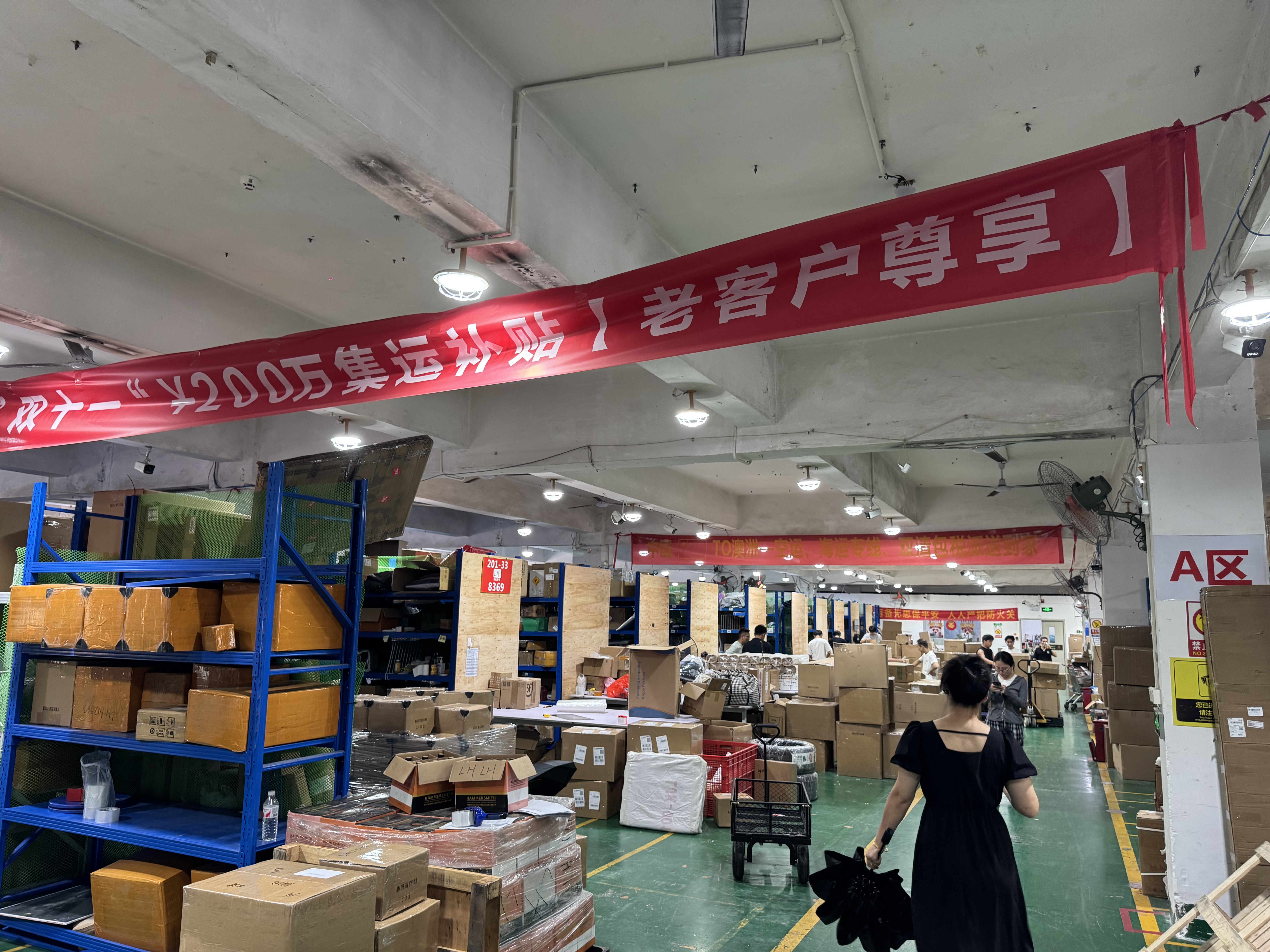
1. Choose the Right Freight Forwarder
A good freight forwarder can make all the difference. They have the expertise and experience to handle the customs clearance process smoothly. For instance, [Shengda International Logistics] is a reliable option. They have a team of experts who are well - versed in the 2026 policies and can help you with all the documentation and procedures. They also offer full - service solutions, including packaging, shipping, and customs clearance.
2. Provide Accurate Information
I can't stress this enough. Make sure all the information on your documents is accurate. From the description of the goods to their value, everything should be correct. This will save you from a lot of headaches down the road.
3. Stay Informed About Policy Changes
The 2026 policies are constantly evolving, so it's crucial to stay informed. You can subscribe to industry newsletters, follow government websites, or consult with your freight forwarder regularly.
V. FAQ
Q: What happens if my goods are held up at customs for a long time? A: If your goods are held up, it could be due to various reasons like incomplete documentation or compliance issues. You should contact your freight forwarder or the CBSA as soon as possible. They can give you more information on what's causing the delay and what you need to do to resolve it. In some cases, you may need to provide additional documents or pay any outstanding duties and taxes.
Q: Can I ship personal goods with a commercial shipment? A: It's possible, but it can complicate the customs clearance process. You'll need to clearly separate the personal goods and provide the proper documentation for each. It's best to consult with your freight forwarder to ensure that everything is done correctly.
Q: How can I reduce the cost of duties and taxes? A: You can try to take advantage of any free trade agreements between China and Canada. Also, make sure you're using the correct HS codes for your goods. Sometimes, misclassifying goods can lead to higher duty rates. You can work with a professional customs broker to ensure accurate classification.
Q: What if I'm shipping sensitive goods? A: Sensitive goods like food, electronics, or products with batteries require special handling. You'll need to comply with additional regulations, such as food safety standards or environmental regulations. [Shengda International Logistics] has a dedicated sensitive goods compliance service that can help you navigate these requirements and ensure a smooth customs clearance.
Q: How long does the customs clearance process usually take? A: It can vary depending on many factors, such as the type of goods, the completeness of the documentation, and the workload at the port. In general, it can take anywhere from a few hours to a few days. However, if there are issues or inspections required, it could take longer.
