

Introduction
I've been in the cross - border logistics business for quite some time, and shipping bulky goods from China to Canada is a topic that comes up a lot. I once had a client, a furniture manufacturer in China, who wanted to send his products to Vancouver. He was really worried about the costs, the potential damage during transit, and the complex customs process. Trust me, he's not alone. Many Canadian small business owners, importers, and e - commerce sellers face similar challenges. In this article, I'll share some key things you need to know about shipping bulky goods from China to Canada in 2026 based on my hands - on experience.
I. 2026 Policy Updates and Their Impact
In 2026, there have been some significant changes in the cross - border shipping policies between China and Canada. The Canadian Border Services Agency (CBSA) has tightened up the regulations regarding the import of bulky goods. For example, they've increased the scrutiny on the origin of the materials used in the goods. If you're importing wooden furniture, you'll now need more detailed documentation to prove that the wood comes from a sustainable source.
Another big change is related to the eManifest system. It's now mandatory to provide more accurate and detailed information about the bulky goods when submitting the eManifest. Failure to do so can result in delays at the border and even fines. I remember a case where a trade factory failed to update the eManifest with the correct dimensions of some industrial machinery. As a result, their shipment was held up at the Port of Montreal for nearly two weeks.
II. Different Shipping Channels for Bulky Goods
Ocean Freight: Full Container Load (FCL): This is the most common choice for large - scale shipments of bulky goods. It offers more safety and control over your goods. If you're an apparel importer sending a large quantity of heavy winter coats, an FCL would be ideal. You can choose from different container sizes like 20GP, 40GP, or 40HQ. The transit time from Shanghai to Vancouver by ocean freight is roughly 13 - 16 days. However, one drawback is the relatively long lead time, and you'll need to plan your inventory accordingly.Less than Container Load (LCL): For smaller businesses or those with less - than - full - container shipments, LCL is a cost - effective option. For example, a home goods seller who wants to send a mix of small - to - medium - sized bulky items, such as decorative vases and small lamps. But be aware, LCL shipments are more prone to handling damage and can take longer to clear customs due to the shared container nature.
Air Freight: Although more expensive, air freight is the fastest option. If you're a 3C electronics seller and need to quickly restock a popular gadget in Canada, air freight can get your goods to Toronto in about 3 - 5 days. But air freight has strict weight and size limits, so it may not be suitable for extremely large or heavy items.
III. Cost Breakdown
Shipping Costs: The cost of shipping bulky goods depends on several factors, such as the weight, volume, and shipping method. Ocean freight is generally cheaper per unit of volume compared to air freight. For a 20GP container from Shenzhen to Halifax, the shipping cost can range from $1200 - $1700, depending on the season and market demand.Customs Duties and Taxes: These are calculated based on the HS codes of your goods. Make sure to classify your goods accurately to avoid overpaying or underpaying. For example, if you're importing sports equipment, different types like bicycles and weight - lifting machines have different HS codes and corresponding duty rates.
Additional Fees: There may be additional fees like terminal handling charges, documentation fees, and insurance costs. Insurance is highly recommended for bulky goods as it provides protection against damage or loss during transit.
IV. Packaging and Protection
Proper packaging is crucial when shipping bulky goods. For example, if you're shipping furniture, I've seen cases where inadequate packaging led to scratches and dents. Use high - quality materials like thick cardboard, bubble wrap, and wooden pallets. For large items, custom - made crates can provide extra protection.
If you're shipping fragile or sensitive bulky goods, such as glassware or electronics, add extra layers of shock - absorbing materials. Insurance is also a must - have in such cases.
V. How to Choose a Logistics Provider
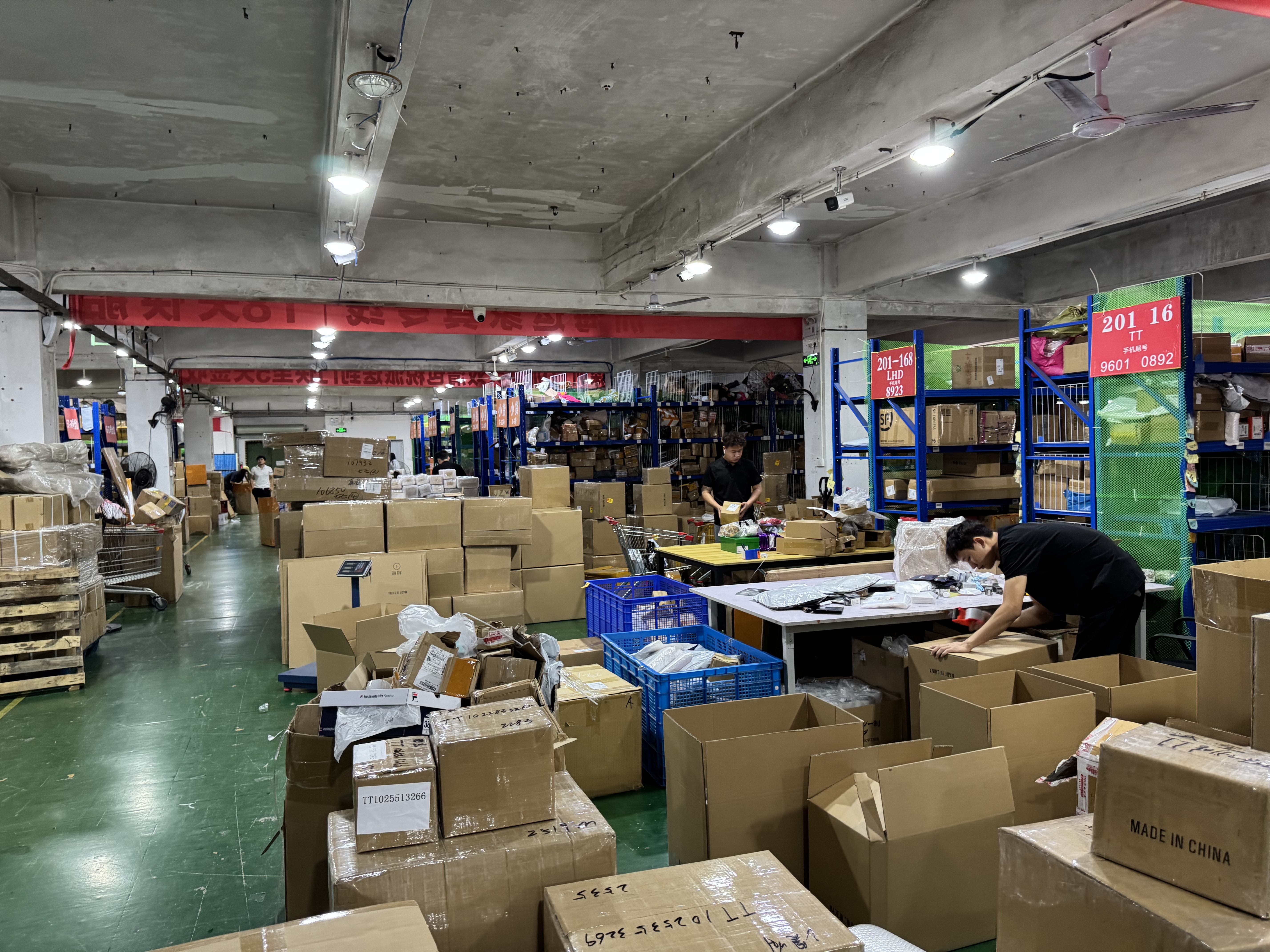
Experience and Reputation: Look for a provider with a proven track record in shipping bulky goods from China to Canada. I once worked with a client who chose a new, inexperienced logistics company. Their shipment was delayed for weeks, and parts of the goods were damaged. A well - established provider like Shengda International Logistics has experience dealing with all kinds of cross - border shipping issues.Service Offerings: A good provider should offer a range of services, including packaging, shipping, customs clearance, and door - to - door delivery. For example, Shengda International Logistics provides一站式免费增值服务, such as full - platform package collection, free unpacking and consolidation, and 365 - day free long - term storage.
Cost - effectiveness: While cost shouldn't be the only factor, you want to find a provider that offers competitive rates. Compare quotes from different providers, but also consider the quality of service they offer.
VI. FAQ
What documents do I need to prepare for shipping bulky goods from China to Canada? You'll typically need a commercial invoice, packing list, bill of lading (for ocean freight) or air waybill (for air freight), and any relevant certificates for the goods, such as a certificate of origin or a wood treatment certificate if applicable. Make sure to double - check with your logistics provider to ensure you have all the required documents.How can I minimize the risk of damage to my bulky goods during transit? Proper packaging is the key. Use appropriate materials and consider custom - made crates for large items. Also, choose a reliable logistics provider with a good track record in handling bulky goods. Insurance is also a great way to protect your investment in case of any unforeseen damage or loss.
Are there any restrictions on the type of bulky goods I can import from China to Canada? Yes, there are restrictions. Certain items, such as some types of electronics with security risks, and products made from endangered species, are prohibited. Some goods may also require special permits or certifications. It's important to check the CBSA regulations and consult with your logistics provider before shipping.
How long does it usually take for a bulky goods shipment to reach Canada from China? It depends on the shipping method. Ocean freight can take anywhere from 10 - 25 days, while air freight is much faster, usually within 3 - 7 days. Transit times can also be affected by factors like weather conditions, customs clearance delays, and port congestion.
Why should I choose a specialized cross - border logistics provider like Shengda International Logistics? Shengda International Logistics has a dedicated team with over 10 years of experience in cross - border shipping. They offer a wide range of services tailored to different customer needs, including specialized solutions for bulky goods. They also have a strong understanding of the 2026 policies and can help you navigate the complex customs process, ensuring a smooth and efficient shipping experience.
In closing, shipping bulky goods from China to Canada in 2026 requires careful planning, knowledge of the policies, and the right logistics partner. Make sure to do your research and choose the options that best fit your business needs. With the right approach, you can turn the challenges of cross - border shipping into opportunities for growth.
