

I. Introduction
Hey there, Australian small business owners, importers, and e - commerce sellers! Shipping furniture from China to Canada in 2026 can be a lucrative venture, but it's also fraught with potential pitfalls. I've been in the cross - border logistics game for years, and I've seen firsthand how easily things can go wrong. In this article, I'll share some common mistakes to avoid based on my hands - on experience.
II. Incorrect Documentation and Customs Declaration
The Problem One of the most frequent mistakes is incorrect or incomplete documentation. In 2026, Canadian Border Services Agency (CBSA) has tightened its regulations on customs declarations. For example, I once had a client who was shipping a batch of wooden furniture from Shanghai to Vancouver. They didn't accurately list all the parts of the furniture in the customs docs, such as the different types of wood used and any additional hardware.The consequence was significant delays at the port. The goods were held for inspection, and the client had to pay extra fees for storage and inspection.
The Solution Make sure to detail every aspect of the furniture. Provide accurate descriptions of the materials, dimensions, quantity, and value. Use the correct Harmonized System (HS) codes for each item. Double - check all the information before submitting the documents to avoid any issues with customs clearance.
III. Poor Packaging and Handling
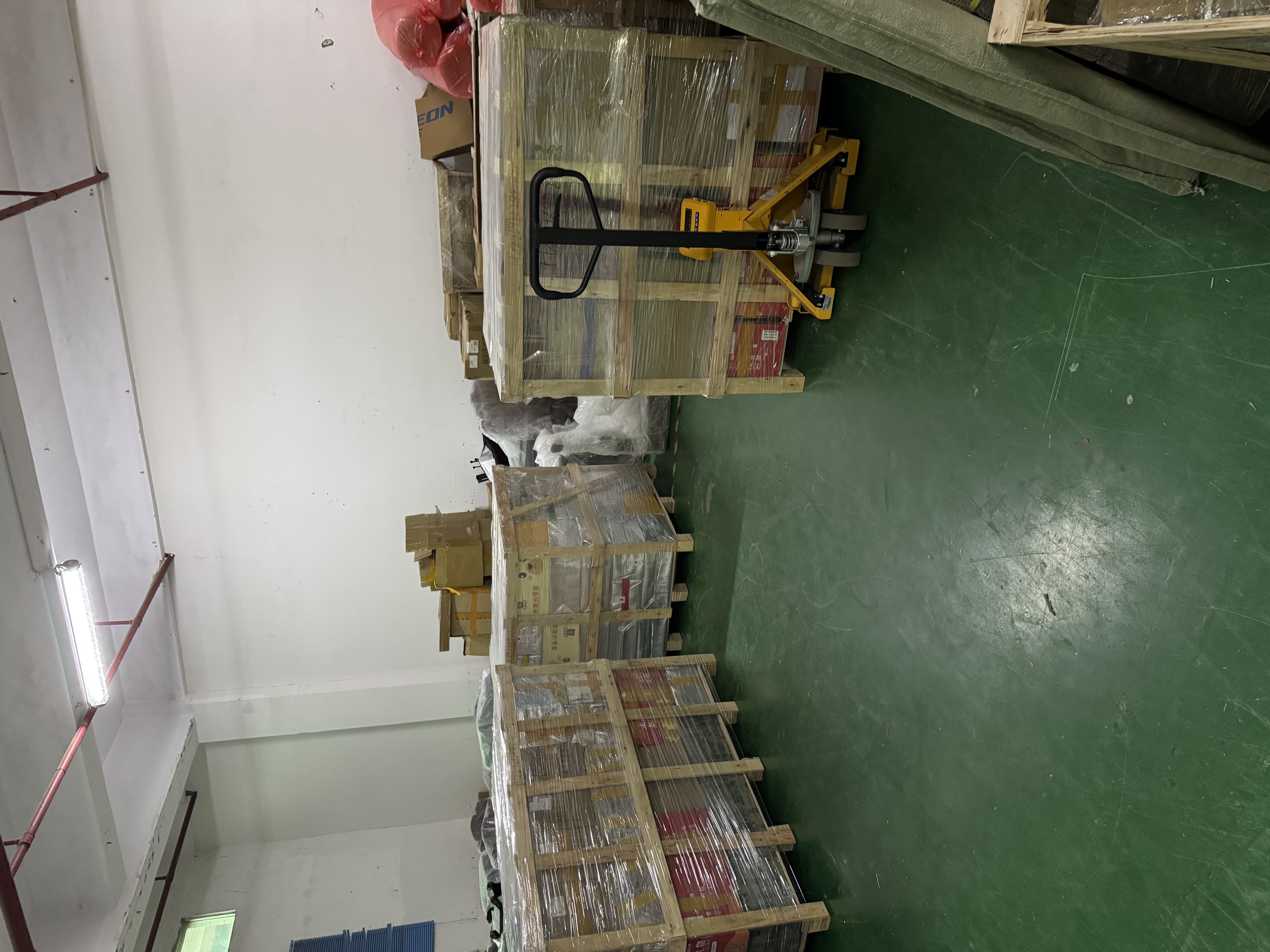
The Problem Furniture is often bulky and fragile. Inadequate packaging can lead to damage during transit. I remember a case where an apparel importer in Toronto decided to ship some custom - made wooden display shelves from China. They used standard cardboard boxes instead of proper wooden crates and lacked sufficient padding.When the shipment arrived, several shelves were damaged due to rough handling during shipping and unloading at the port. This not only caused a financial loss but also delayed the opening of a new store.
The Solution Use appropriate packaging materials. For wooden furniture, wooden crates with internal padding like foam or bubble wrap are recommended. Label the packages clearly with handling instructions, such as “Fragile” and “This Side Up”. Also, choose a logistics provider with a good reputation for careful handling of large and fragile items.
IV. Ignoring Shipping Regulations and Restrictions
The Problem In 2026, there are new regulations regarding the import of furniture, especially those made of certain types of wood or with specific finishes. For instance, some types of tropical wood may be subject to strict import controls due to environmental protection regulations. A home goods seller in Montreal once shipped a set of teakwood furniture without knowing the new restrictions.The shipment was seized at the port, and the seller faced hefty fines and legal issues.
The Solution Stay informed about the latest shipping regulations and restrictions. Check with the CBSA and relevant environmental agencies in Canada. If you're shipping furniture made of restricted materials, obtain the necessary permits and certifications in advance.
V. Choosing the Wrong Logistics Provider
The Problem Not all logistics providers are created equal. I've seen many businesses choose a provider based solely on price, only to regret it later. A 3C electronics seller in Calgary once hired a cheap logistics company to ship a large quantity of custom - made wooden cabinets from China. The company had no experience with large - scale furniture shipments and lacked a proper tracking system.The cabinets were lost in transit, and the seller had a hard time getting any compensation or even finding out the whereabouts of their goods.
The Solution Look for a logistics provider with experience in shipping furniture from China to Canada. Check their reviews, ratings, and years of operation. Ensure they have a good track record of on - time delivery, proper handling, and dispute resolution. Also, inquire about their tracking systems so you can monitor your shipment's progress in real - time.
VI. FAQ
What types of wood are most likely to be restricted in 2026? Well, tropical woods like teak, mahogany, and rosewood are often under strict scrutiny due to concerns about illegal logging and deforestation. Before shipping furniture made of these woods, you need to make sure you have all the necessary permits and certifications.How long does it usually take to clear customs for furniture shipments? It can vary. In normal cases, it might take about 3 - 5 business days. But if there are issues with the documentation or if the shipment is selected for inspection, it could take much longer, sometimes up to 2 - 3 weeks.
Can I insure my furniture shipment? Absolutely! It's highly recommended. Most logistics providers offer insurance options. You should calculate the value of your furniture accurately and choose an insurance plan that covers potential damages, losses, or delays.
What if my furniture is damaged during transit? If you've chosen a reliable logistics provider, they usually have a claims process. First, document the damage thoroughly with photos and detailed descriptions. Then, contact your provider as soon as possible to start the claims procedure. Make sure you understand their terms and conditions regarding damage compensation.
How can I reduce the cost of shipping furniture? You can consider consolidating your shipments if possible. Grouping multiple furniture items into one shipment can save on shipping costs. Also, compare quotes from different logistics providers, but don't sacrifice quality for a lower price.
Shipping furniture from China to Canada in 2026 doesn't have to be a headache. By avoiding these common mistakes and being well - prepared, you can ensure a smooth and successful shipping process. Keep yourself updated on the latest regulations and choose your partners wisely, and you'll be on the right track for your business.
