

I. Introduction
Hey there, Australian small business owners, importers, and e - commerce sellers! As we're stepping into 2026, if you're planning to use FBA ocean freight to send your goods to Canada, you've come to the right place. I've been in the cross - border logistics field for quite a while, dealing with shipments between China and Australia, and I've seen a lot of people stumble on the way. In this article, I'll share some common pitfalls and how you can avoid them.
II. Pitfall 1: Inadequate Knowledge of New 2026 Policies
In 2026, there have been some significant changes in Canadian customs policies and freight regulations. The Canadian Border Services Agency (CBSA) has tightened up on food safety inspections and documentation requirements. For example, I had a 3C electronics seller client last month. They were shipping some electronic devices that contained small amounts of batteries. They didn't know that new regulations required more detailed information about the battery specifications in the shipping documents. As a result, their shipment was held up at the Port of Vancouver for roughly 14 days, incurring extra storage fees and causing a delay in their product launch.
To avoid this pitfall:
Stay Informed: Regularly check the official websites of CBSA and other relevant Canadian regulatory bodies for policy updates.Consult Experts: Work with a freight forwarder who has in - depth knowledge of the latest Canadian policies. For instance, at our company, our team has been closely monitoring the 2026 policy changes to help clients sail through the customs smoothly.
III. Pitfall 2: Poor Container Loading and Packing
Proper container loading and packing are crucial for FBA ocean freight. A home goods seller I once served shipped a batch of fragile glassware to Toronto. They didn't use proper packing materials like bubble wrap and foam inserts, and the containers were over - stuffed. During the long - distance journey across the ocean, many of the glassware items were broken upon arrival. This not only led to a direct loss of goods but also affected customer satisfaction and their brand reputation.
To avoid similar issues:
Use Appropriate Packing Materials: Based on the nature of your goods, select the right packing materials such as bubble wrap for fragile items and strong cardboard boxes for sturdy ones.Follow Loading Rules: Ensure that containers are loaded evenly to prevent damage during transit. Make sure there's enough space for goods to move slightly without colliding with each other.
IV. Pitfall 3: Ignoring Incoterms and Shipping Costs
INCOTERMS 2020 play a significant role in FBA ocean freight. Many importers don't fully understand the implications of different INCOTERMS on their shipping costs and responsibilities. For example, if you choose DDP (Delivered Duty Paid), the seller is responsible for all costs and risks until the goods reach the buyer's specified location in Canada. On the contrary, if you choose FOB (Free on Board), the buyer takes over the responsibility once the goods are loaded onto the ship at the port of departure in China.
A few years back, a client thought they had a good deal with a shipping quote under FOB. But they didn't factor in the additional costs of insurance, customs clearance, and inland transportation in Canada. They ended up paying much more than expected.
To avoid this:
Understand INCOTERMS: Study the different INCOTERMS carefully and choose the one that best suits your business needs.Get a Comprehensive Quote: Ask your freight forwarder for a detailed breakdown of all the costs involved in the shipping process, including hidden fees.
V. Pitfall 4: Inaccurate HS Codes Classification
HS codes are essential for customs clearance. Incorrect classification can lead to delays, fines, or even seizure of goods. I remember an apparel importer who misclassified some of their winter coats. They used the wrong HS code, which had a different tax rate. When the shipment arrived at the Port of Montreal, the customs authorities detected the error. The importer had to pay the correct duties and faced a fine for the incorrect declaration.
To avoid this pitfall:
Use Professional Services: Hire a customs broker or a freight forwarder with expertise in HS code classification.Verify Codes Regularly: Since HS codes can change over time, double - check them before each shipment.
VI. Pitfall 5: Lack of an Emergency Plan
Ocean freight is subject to various uncertainties such as bad weather, port strikes, and mechanical issues with the ship. If you don't have an emergency plan, any disruption can cause serious problems for your business. A trade factory once shipped a large order of furniture to Calgary. There was a port strike at the destination, and the factory didn't have a backup plan. Their products were stuck at the port for over a month, which led to missed delivery deadlines to their Canadian customers and potential loss of future business.
To avoid such situations:
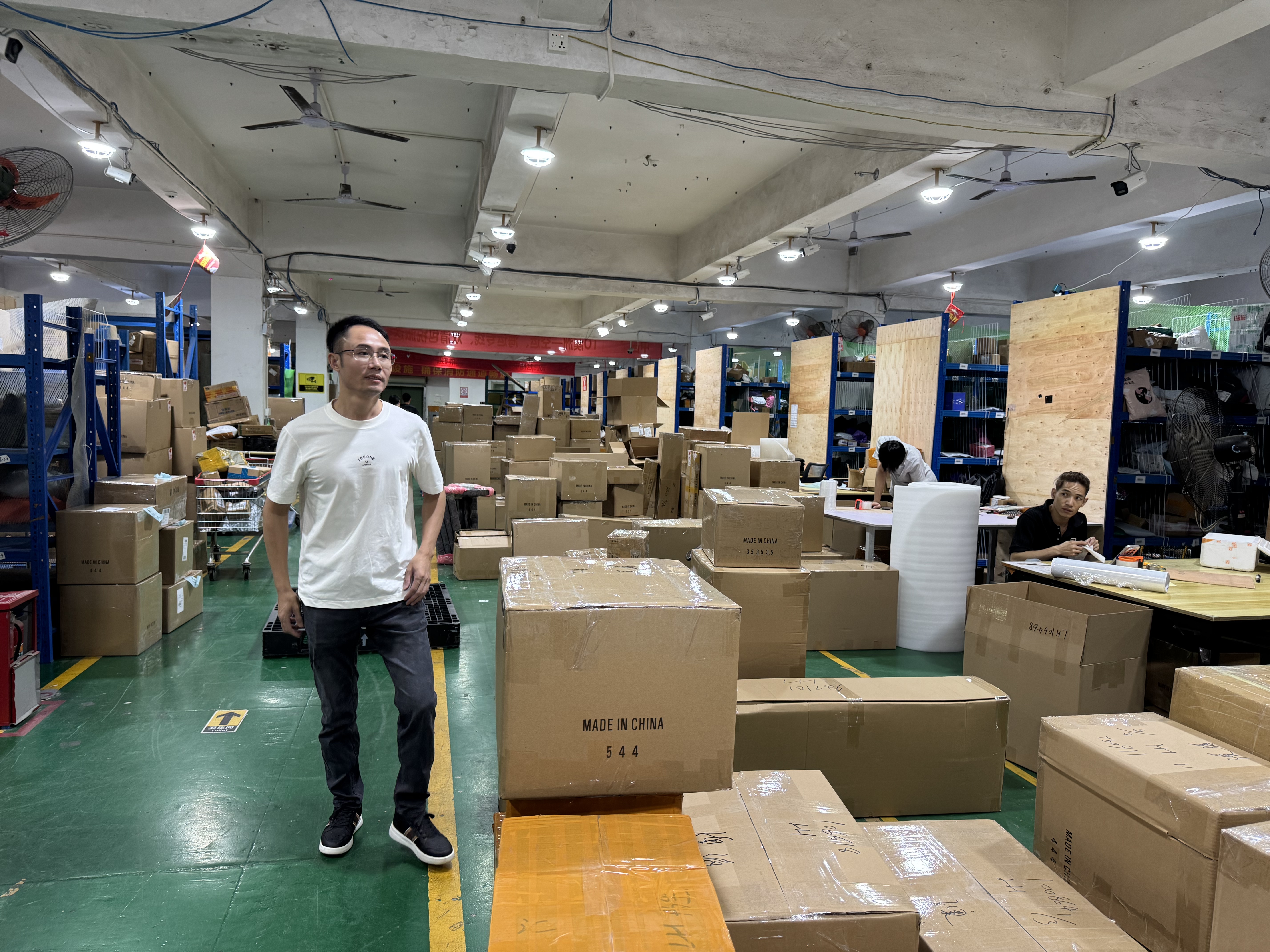
Maintain Communication: Stay in touch with your freight forwarder, shipping line, and customers during the shipping process to be informed of any potential disruptions and take timely action.
VII. FAQ
Q: How much does the storage fee cost if my shipment is held up at the Canadian port? A: Storage fees can vary widely depending on the port and the type of goods. Generally, it could be around CAD 5 - 20 per cubic meter per day at major ports like the Port of Vancouver. But it's advisable to check with the specific port authority or your freight forwarder for accurate figures.Q: Can I change the INCOTERMS after I've already booked the shipment? A: It's possible but not always easy. You'll need to communicate with your freight forwarder, supplier, and buyer as soon as possible. There may be additional costs involved as well, especially if the change affects insurance, customs clearance, or transportation arrangements.
Q: What should I do if I realize I've used the wrong HS code after the shipment has left the port? A: Contact your freight forwarder or customs broker immediately. They can help you file an amendment with the customs authorities. However, be prepared for potential delays and possible fines, depending on the severity of the misclassification.
Q: How can I ensure my goods are safe during the long - distance ocean freight? A: First, use proper packing materials as mentioned earlier. Second, choose a reliable shipping line with a good track record of safety. You can also consider purchasing marine insurance to protect your goods against loss or damage during transit.
Q: Why is it important to work with a freight forwarder who knows the 2026 Canadian policies? A: The 2026 Canadian policies have introduced many new requirements. A knowledgeable freight forwarder can help you navigate through these changes, ensure your documentation is correct, and avoid costly delays and fines at the Canadian border. They can also provide valuable advice on how to comply with the new regulations.
As you plan your FBA ocean freight to Canada in 2026, keep these pitfalls in mind and take the necessary precautions. With proper preparation, you can ensure a smooth and successful shipping process.
