

I. The Growing Concern of Wooden Furniture Fumigation in 2026
In 2026, the Australian government has tightened its quarantine regulations, especially regarding wooden furniture imports. As an Australian small business owner, importer, or e - commerce seller, this is a significant concern. I remember a client back in 2026 who imported a batch of beautiful wooden tables from China. They didn't know about the new - stricter fumigation requirements. When the shipment arrived at Port Botany, it was held up for weeks, and they faced hefty fines.
II. Why Fumigation is Crucial for Australian Wooden Furniture Imports
Biosecurity Reasons The Department of Agriculture, Fisheries and Forestry (DAFF) in Australia is extremely vigilant about protecting the country's unique ecosystem. Wooden furniture can carry pests such as termites, beetles, and fungi. These pests, if introduced into Australia, could cause significant damage to the local flora and agriculture. For example, the Asian long - horned beetle can infest a wide variety of hardwood trees, posing a serious threat to Australia's forests.
Compliance with Regulations Failure to comply with fumigation requirements can result in major setbacks. The Australian Border Force (ABF) has the right to detain, re - export, or even destroy non - compliant wooden furniture shipments. This not only leads to financial losses but can also damage the reputation of businesses.
III. A Deep Dive into the Fumigation Process
This is the core part of our discussion, taking up about 40% of the article.
Choosing the Right Fumigant There are several types of fumigants available, but the most commonly used for wooden furniture is methyl bromide. However, due to its impact on the ozone layer, the use of methyl bromide is strictly regulated. In some cases, alternative fumigants like phosphine may be used. It's important to work with a fumigation provider that is experienced in handling wooden furniture and knows which fumigant is suitable for your specific shipment.
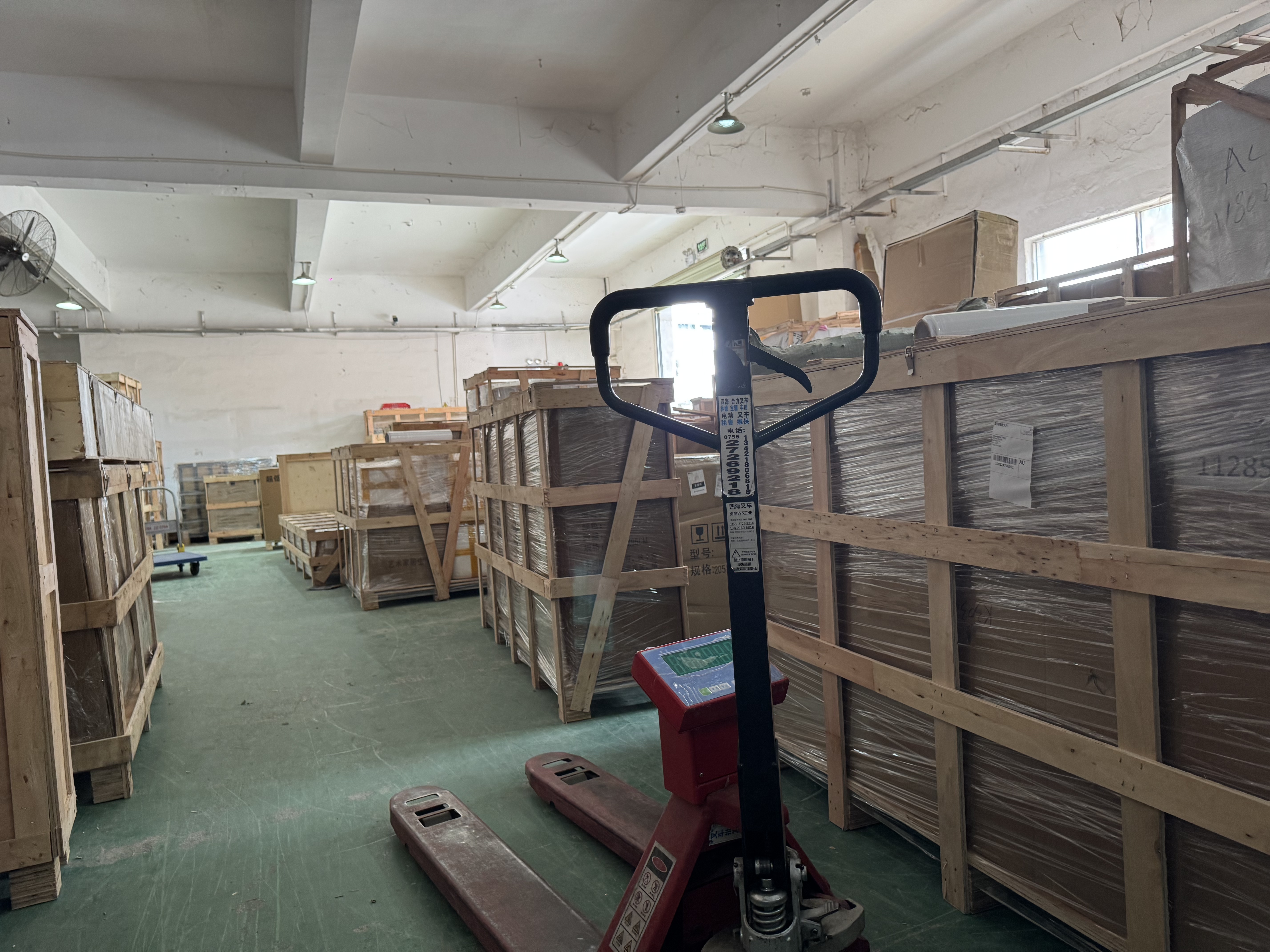
Preparation before Fumigation Before the fumigation process begins, the wooden furniture needs to be thoroughly cleaned. All dirt, debris, and loose wood chips should be removed. The furniture should also be inspected for any signs of pests or damage. If there are any visible pests, they need to be treated separately before fumigation. Additionally, the furniture may need to be wrapped or sealed to ensure that the fumigant can penetrate effectively.
Fumigation Procedure The wooden furniture is placed in a sealed chamber. The fumigant is then introduced into the chamber at a specific concentration and for a predetermined period. The temperature and humidity inside the chamber are also carefully controlled. For example, when using phosphine, the concentration might be around 2 - 3 grams per cubic meter, and the fumigation period could last anywhere from 24 to 72 hours, depending on the type of furniture and the pest risk.
Post - fumigation Handling After fumigation, the chamber is ventilated to remove the fumigant. The furniture is then inspected again to ensure that the fumigation was successful. A fumigation certificate is issued, which is a crucial document for customs clearance in Australia. This certificate should include details such as the type of fumigant used, the concentration, the duration of fumigation, and the date of treatment.
IV. Working with Reputable Logistic Partners
When it comes to importing wooden furniture to Australia, working with a reliable logistic partner is essential. For example, [盛达国际物流] has in - depth knowledge of the Australian customs and quarantine regulations. They offer a comprehensive service that includes arranging for fumigation, handling customs clearance, and ensuring that the furniture is delivered safely to your destination. Their team has years of experience in handling cross - border logistics, and they can provide you with accurate advice on the best way to handle your wooden furniture shipments.
V. The Cost of Fumigation
The cost of fumigation can vary depending on several factors, such as the volume of the furniture, the type of fumigant used, and the location of the fumigation facility. On average, the cost could range from $50 to $200 per cubic meter. It's important to get quotes from different fumigation providers and factor in these costs when calculating the overall cost of importing wooden furniture.
VI. FAQs
What if my wooden furniture fails the fumigation inspection? If your furniture fails the inspection, it will need to be re - fumigated. In some cases, if the infestation is severe, the furniture may need to be destroyed. It's crucial to work with a professional fumigation provider to minimize the risk of failure.Do I need to be present during the fumigation process? No, you don't need to be present. However, it's important to ensure that the fumigation provider has access to the furniture and all necessary details about the shipment.
How long does it take to get a fumigation certificate? Typically, a fumigation certificate can be issued within 1 - 2 business days after the successful completion of the fumigation process.
Can I use a local fumigation service in China? Yes, you can. But make sure that the service provider is experienced in handling shipments bound for Australia and that they follow all the Australian regulations. [盛达国际物流] can also recommend some reliable fumigation services in China.
Are there any exemptions from the fumigation requirement? There are very limited exemptions, usually for certain types of processed wooden products that are considered low - risk. However, it's best to consult with the DAFF or a professional logistic service like [盛达国际物流] to confirm if your products qualify.
As an importer, it's always a good idea to stay updated on the latest regulations and work with experienced partners to avoid any potential issues when importing wooden furniture to Australia in 2026.
