

I. Introduction
Hey there, Australian small business owners, importers, and e - commerce sellers! In 2026, sea freight from China to Australia remains a popular choice due to its cost - effectiveness for large volumes. But it's not all smooth sailing. I've been in the cross - border logistics frontline for years, and I've seen many businesses stumble along the way. Let's dive into the common pitfalls and how to avoid them.
II. Customs and Regulatory Pitfalls
1. Customs Valuation Issues
One of the most common problems I've encountered is incorrect customs valuation. The Australian Border Force (ABF) has strict rules about how goods should be valued. For instance, I had a client back in 2024 who was an apparel importer in Sydney. They undervalued their goods to save on duties. The ABF caught on during a routine inspection, and they ended up paying hefty fines and additional duties.
To avoid this, make sure you accurately declare the value of your goods, including the cost of production, shipping, and insurance. Use the correct HS codes, as these determine the duty rates. In 2026, the ABF has tightened its scrutiny on customs valuation, so it's more important than ever to get it right.
2. Biosecurity Regulations
Australia has some of the strictest biosecurity regulations in the world. In 2026, the Department of Agriculture, Fisheries and Forestry (DAFF) has updated its requirements. I once had a home goods seller from Melbourne who imported wooden furniture. They didn't realize that the wood needed to be properly treated and certified to prevent the introduction of pests. As a result, their shipment was held up at Port Botany for over two weeks, incurring storage fees and causing delays in their business operations.
Before shipping, check DAFF's website for the latest biosecurity requirements. If your goods contain any organic materials, make sure they are compliant. You may need to provide certificates of treatment or origin.
III. Shipping and Logistics Pitfalls
1. Container Space Availability
Container space can be a real headache, especially during peak seasons. In 2026, due to increased trade volume between China and Australia, container shortages have been more frequent. I know a 3C electronics seller in Brisbane who planned to ship a large order during the pre - Christmas season. They didn't book their container space in advance, and when they finally tried to secure one, they found that all the available containers were either overpriced or fully booked. Their shipment was delayed, and they missed out on a significant sales opportunity.
To avoid this, plan your shipments well in advance. Book your container space at least 4 - 6 weeks ahead of your intended shipping date, especially during peak seasons like Chinese New Year, Christmas, and the back - to - school period.
2. Shipping Delays
Shipping delays can occur due to various reasons, such as bad weather, port congestion, or mechanical issues with the vessel. In 2026, port congestion has been a major issue at the Port of Melbourne. I've seen many shipments get delayed by an average of 7 - 10 days. A trade factory in Sydney that was exporting goods to Australia had a shipment stuck at the port for almost two weeks. This not only affected their cash flow but also damaged their relationship with their Australian customers.
Stay informed about the shipping schedule and any potential disruptions. Choose a reliable shipping line with a good track record of on - time deliveries. You can also consider adding some buffer time to your delivery schedule to account for possible delays.
IV. Documentation Pitfalls
1. Incomplete or Incorrect Documentation
Documentation is the backbone of cross - border shipping. In 2026, the ABF has become more strict about document accuracy. I had an apparel importer in Sydney who submitted incomplete bills of lading. The missing information led to delays in customs clearance and additional administrative fees.
Make sure you double - check all your documents before submitting them. The essential documents for sea freight from China to Australia include the bill of lading, commercial invoice, packing list, and certificate of origin. Ensure that all the information on these documents is consistent and matches the actual goods.
2. Language and Format Requirements
The ABF requires all documents to be in English and in a specific format. I once dealt with a home goods seller from Melbourne who submitted their documents in Chinese. Their shipment was held up until they could provide English - translated documents, which caused unnecessary delays.
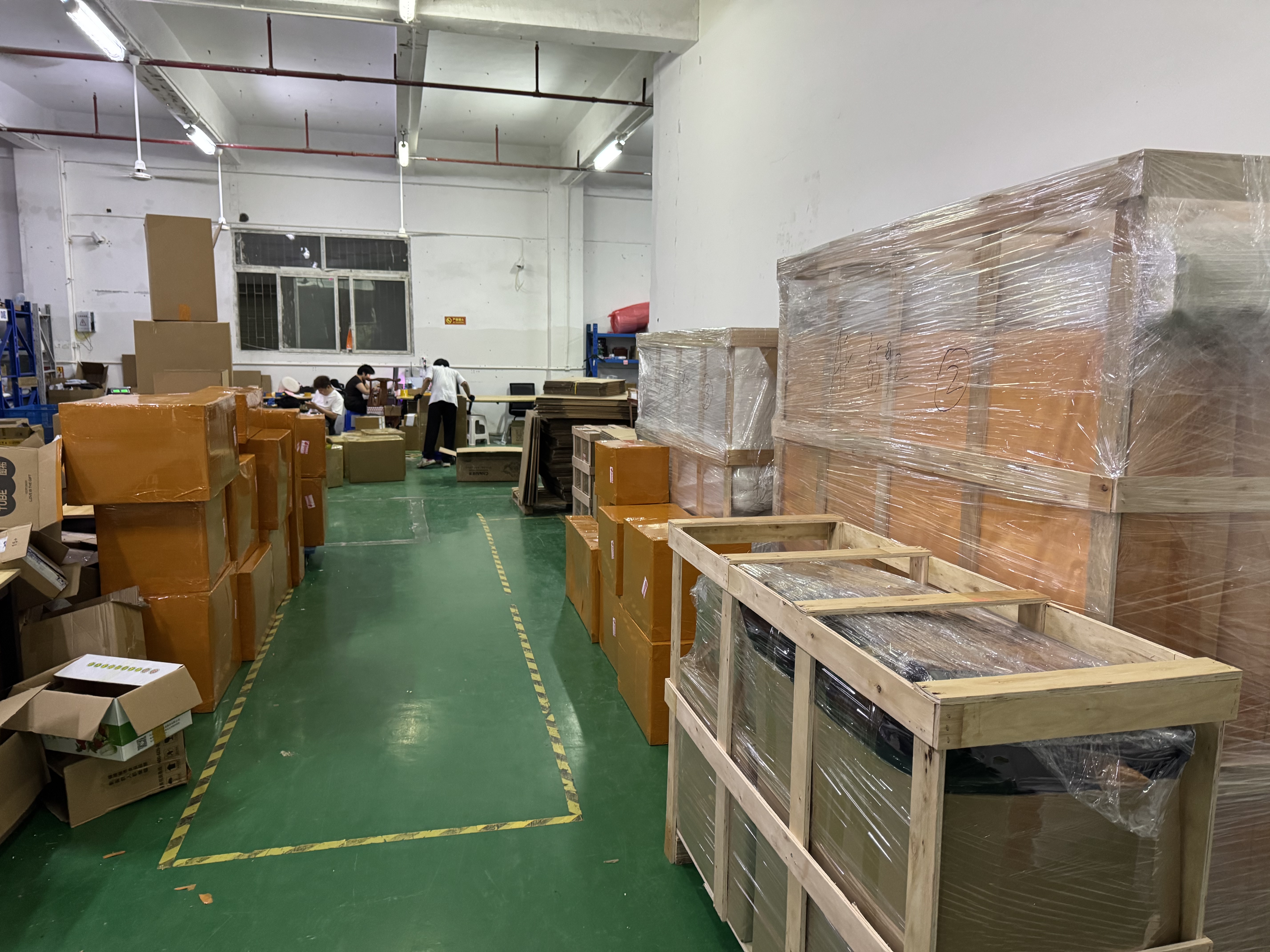
When preparing your documents, ensure they are in English and follow the ABF's format requirements. You may need to seek professional help if you're not familiar with the format.
V. Cost - related Pitfalls
1. Hidden Costs
Many businesses are caught off guard by hidden costs in sea freight. These can include terminal handling charges, bunker adjustment factors, and currency adjustment factors. I had a 3C electronics seller in Brisbane who was shocked to find that the final cost of their shipment was much higher than the initial quote due to these hidden costs.
Before signing a contract with a freight forwarder, ask for a detailed breakdown of all the costs. Make sure you understand what each charge is for and whether it's negotiable.
2. Incorrect Freight Calculation
Freight is usually calculated based on volume or weight, whichever is higher. An incorrect calculation can lead to overpayment or underpayment. I've seen trade factories in Sydney that miscalculated their freight charges and ended up paying more than they should have.
Use a reliable freight calculator or consult with your freight forwarder to ensure accurate freight calculation.
VI. FAQ
Q1: How can I choose a reliable freight forwarder in China? A: Look for a forwarder with a good reputation and experience in shipping to Australia. Check their reviews and ask for references. Also, ensure they are properly licensed and have a professional team to handle all aspects of your shipment, like customs clearance and documentation. For example, [盛达国际物流] is a well - known forwarder with a team of experts who can handle your shipments from China to Australia efficiently.
Q2: What are the typical transit times for sea freight from China to Australia? A: Transit times can vary depending on the port of departure in China and the destination in Australia. Generally, it takes roughly 14 - 21 days from major Chinese ports like Shanghai or Shenzhen to ports in Australia such as Port Botany or the Port of Melbourne. However, unexpected factors like bad weather or port congestion can cause delays.
Q3: Do I need to insure my goods during sea freight? A: It's highly recommended. Sea freight involves many risks, such as damage, loss, or theft. Insurance can protect your financial interests in case of any unforeseen events. You can purchase insurance through your freight forwarder or a reputable insurance company.
Q4: Can I track my shipment during transit? A: Most reliable shipping lines and freight forwarders offer tracking services. You can usually track your shipment through their online portals using the bill of lading number. This way, you can stay updated on the location and status of your goods.
Q5: How can I reduce the risk of customs issues? A: Ensure accurate documentation, proper customs valuation, and compliance with biosecurity regulations. Work with a professional customs broker or a freight forwarder who has experience in dealing with Australian customs. They can help you navigate the process and avoid costly mistakes.
