

I. Introduction
Canadian e - commerce sellers often look to China for a vast range of products due to its large manufacturing base and competitive prices. However, the process of overseas freight forwarding from China to Canada in 2026 is fraught with potential pitfalls. I've been in the cross - border logistics industry for a long time, and I've seen many Canadian sellers fall into various traps. In this article, I'll share some common issues and how to avoid them.
II. Pricing and Hidden Costs
Inaccurate Quotes Problem: Many freight forwarders may give an initial quote that seems very attractive. But later, they add extra charges for services that should have been included in the original quote. For example, I had a client back in 2024 who was quoted a low price for a sea freight shipment from Shanghai to Vancouver. When the goods arrived, he was shocked to find out there were additional fees for documentation, terminal handling, and customs clearance that were not part of the original quote.Solution: Always ask for a detailed breakdown of all potential costs upfront. Make sure the quote includes all necessary services such as pickup, loading, shipping, customs clearance, and delivery. Also, check if there are any possible surcharges due to factors like peak season, fuel price fluctuations, or port congestion.
Hidden Fees Problem: Some less - scrupulous forwarders may hide fees in the fine print. These could include fees for storage if the goods are delayed at the port, administrative fees for minor paperwork changes, or fees for using certain shipping methods that were not clearly communicated.
Solution: Read the contract carefully before signing. If there are any terms you don't understand, ask the forwarder for a clear explanation. It's also a good idea to get quotes from multiple forwarders and compare the inclusions and exclusions.
III. Shipping Delays
Port Congestion Problem: In 2026, port congestion has become a significant issue. Major Chinese ports like Shanghai and Ningbo, as well as Canadian ports such as the Port of Vancouver, are experiencing high volumes of cargo. This can lead to long waiting times for ships to dock, unload, and load cargo, causing significant delays.Solution: When choosing a freight forwarder, inquire about their experience in dealing with port congestion. A good forwarder will have strategies to minimize the impact, such as using alternative ports or adjusting shipping schedules. You can also consider premium shipping options that offer faster turnaround times.
Customs Clearance Delays Problem: Customs regulations are constantly changing, and if the documentation is not in order, it can cause long delays. For instance, incorrect HS codes or incomplete product descriptions can trigger a customs hold. In one case, an apparel importer from Toronto shipped a batch of clothes from China. The forwarder used the wrong HS code, and the goods were stuck at customs for over two weeks.
Solution: Ensure that your forwarder is well - versed in current customs regulations in both China and Canada. Provide accurate and detailed information about your goods, including product descriptions, values, and quantities. Consider using a forwarder that offers a customs brokerage service to handle the process smoothly.
IV. Freight Forwarder Reliability
Lack of Experience Problem: Some new or inexperienced freight forwarders may not have the necessary knowledge or resources to handle cross - border shipments efficiently. They may make mistakes in scheduling, documentation, or communication, which can lead to delays and additional costs.Solution: Look for freight forwarders with a proven track record. Ask for references from other Canadian e - commerce sellers and check online reviews. A forwarder with several years of experience in the China - Canada route is more likely to have encountered and solved various problems.
Poor Communication Problem: Effective communication is crucial in cross - border logistics. If the freight forwarder doesn't keep you informed about the shipment status, it can be very frustrating. You may not know when your goods will arrive or if there are any issues that need your attention.
Solution: Choose a forwarder that provides regular updates on the shipment. They should be easily reachable via phone, email, or other communication channels. You can also ask for access to a tracking system so that you can monitor the progress of your goods in real - time.
V. Packaging and Handling
Inadequate Packaging Problem: Goods need to be properly packaged to withstand the long - distance journey from China to Canada. Inadequate packaging can lead to damage during transit. For example, fragile items like 3C electronics need extra cushioning and protection. I once saw a shipment of smartphones that arrived in Calgary with many units damaged due to poor packaging.Solution: Work with your supplier in China to ensure that the packaging meets international shipping standards. If possible, ask for samples of the packaging to check its quality. You can also provide specific packaging requirements to the supplier to ensure the safety of your goods.
Improper Handling Problem: Sometimes, goods may be mishandled during loading, unloading, or transfer at ports or warehouses. This can cause damage or even loss of goods.
Solution: Choose a freight forwarder that has strict handling procedures in place. They should have trained staff and proper equipment to handle your goods safely. You can also consider purchasing insurance to cover any potential losses due to mishandling.
VI. FAQ
Q: How can I ensure that my freight forwarder is compliant with the 2026 regulations? A: You can ask the forwarder for their compliance certificates and check if they have any recent violations. Also, a forwarder that is a member of industry associations is more likely to follow the regulations. At [company name], we ensure full compliance with all 2026 regulations and keep our clients informed about any changes.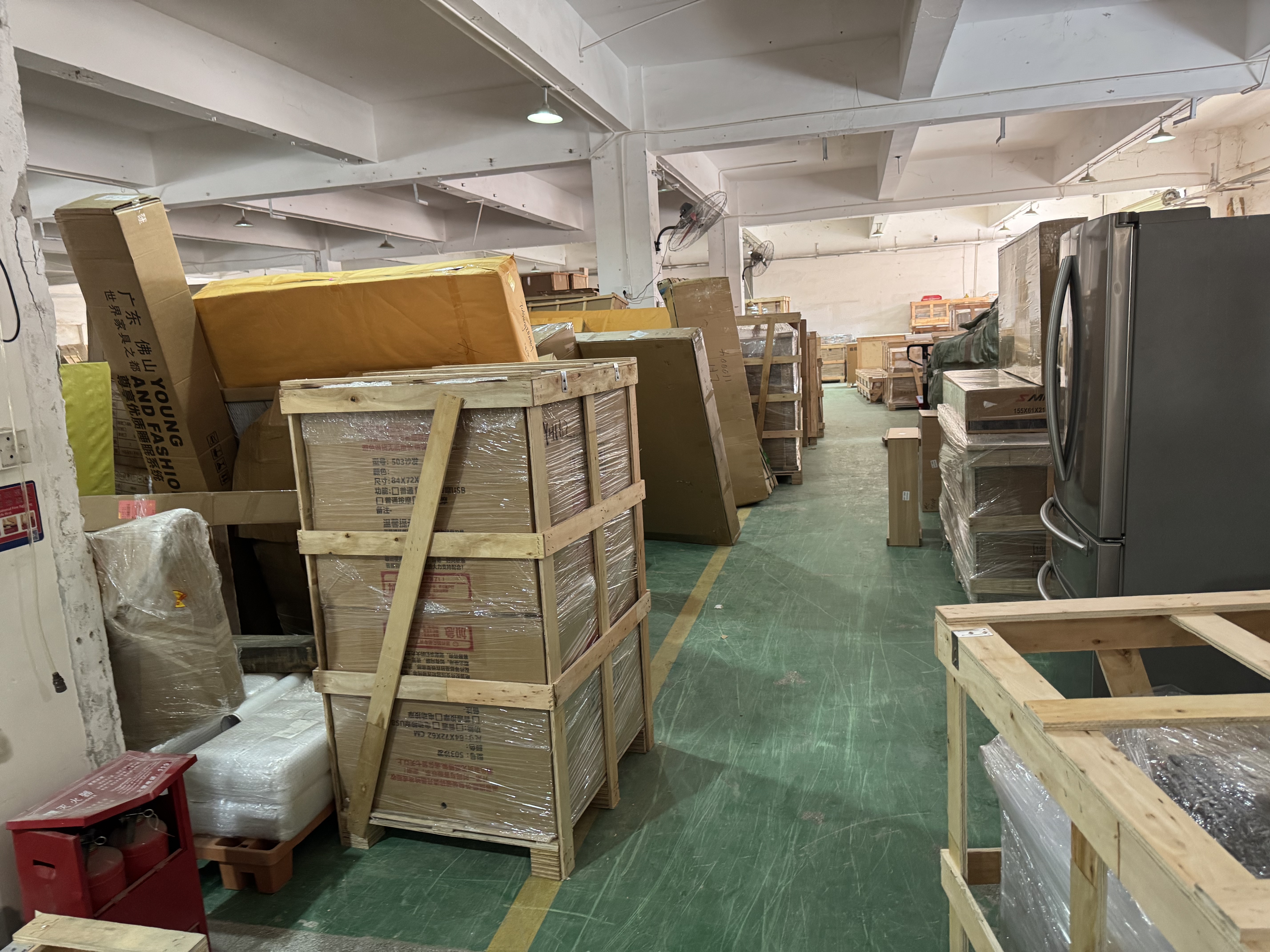
Q: What if my goods are damaged during transit? A: First, check if you have purchased cargo insurance. If so, file a claim with the insurance company. Meanwhile, inform your freight forwarder immediately. They should assist you in providing the necessary documentation for the claim. A reliable forwarder like [company name] will also help you resolve the issue with the carrier.
Q: How do I choose between air freight and sea freight? A: Air freight is faster but more expensive. It's suitable for small, high - value, or time - sensitive goods. Sea freight is slower but more cost - effective for large quantities of goods. Consider your budget, delivery time requirements, and the nature of your products when making a decision.
Q: Can I handle the customs clearance process myself? A: While it's possible, it can be very complex, especially with the 2026 regulatory changes. Customs clearance involves accurate documentation, knowledge of HS codes, and understanding of tariff regulations. It's usually better to use a professional customs broker or a freight forwarder with customs brokerage services.
Q: How can I get an accurate shipping quote? A: Provide as much detailed information as possible to the freight forwarder, including the type of goods, quantity, origin and destination, shipping method, and any special requirements. The more accurate your information, the more accurate the quote will be.
As Canadian e - commerce sellers continue to source products from China, being aware of these potential pitfalls and taking proactive steps to avoid them will help ensure a smooth and cost - effective overseas freight forwarding process in 2026. Keep an eye on the industry trends and regulations, and always choose your partners wisely.
