

I. Introduction
Hey there, Australian small business owners, importers, and e - commerce sellers! As someone with hands - on experience in cross - border logistics between China and Australia, I know how crucial it is to stay updated on the latest regulations, especially when it comes to importing wooden furniture. In 2026, there are indeed new rules on the horizon that you need to be aware of regarding the fumigation of wooden furniture imported into Australia.
II. The Current Situation of Wooden Furniture Fumigation
Currently, when importing wooden furniture into Australia, fumigation is a standard procedure to ensure that the goods are free from pests and diseases. The Australian Department of Agriculture, Fisheries and Forestry (DAFF) has strict biosecurity requirements. Most wooden products need to be fumigated with methyl bromide or heat - treated to meet these standards.
For example, I once had a client, a home goods seller in Sydney, who imported a large batch of wooden chairs from China. The client followed the existing fumigation process, got the necessary certificates, and the goods passed through Sydney's Port Botany smoothly. However, the process was time - consuming and sometimes costly, as the fumigation had to be done in a proper facility and certified by an authorized agency.
III. The New Rules in 2026
Stricter Certification Requirements In 2026, the Australian Border Force (ABF) will implement stricter certification rules for fumigation. Instead of just having a general fumigation certificate, importers will need more detailed documentation. This includes specific information about the fumigant used, the concentration, and the duration of the treatment. For instance, the certificate must clearly state the exact amount of methyl bromide used per cubic meter and how long the wooden furniture was exposed to it.
Enhanced Traceability The new rules will also require better traceability throughout the supply chain. Importers will have to provide detailed information about the origin of the wood, including the forest where it was sourced. This is to prevent the import of wood from illegal or high - risk sources. If an importer fails to provide this information, the goods may be detained at the port.
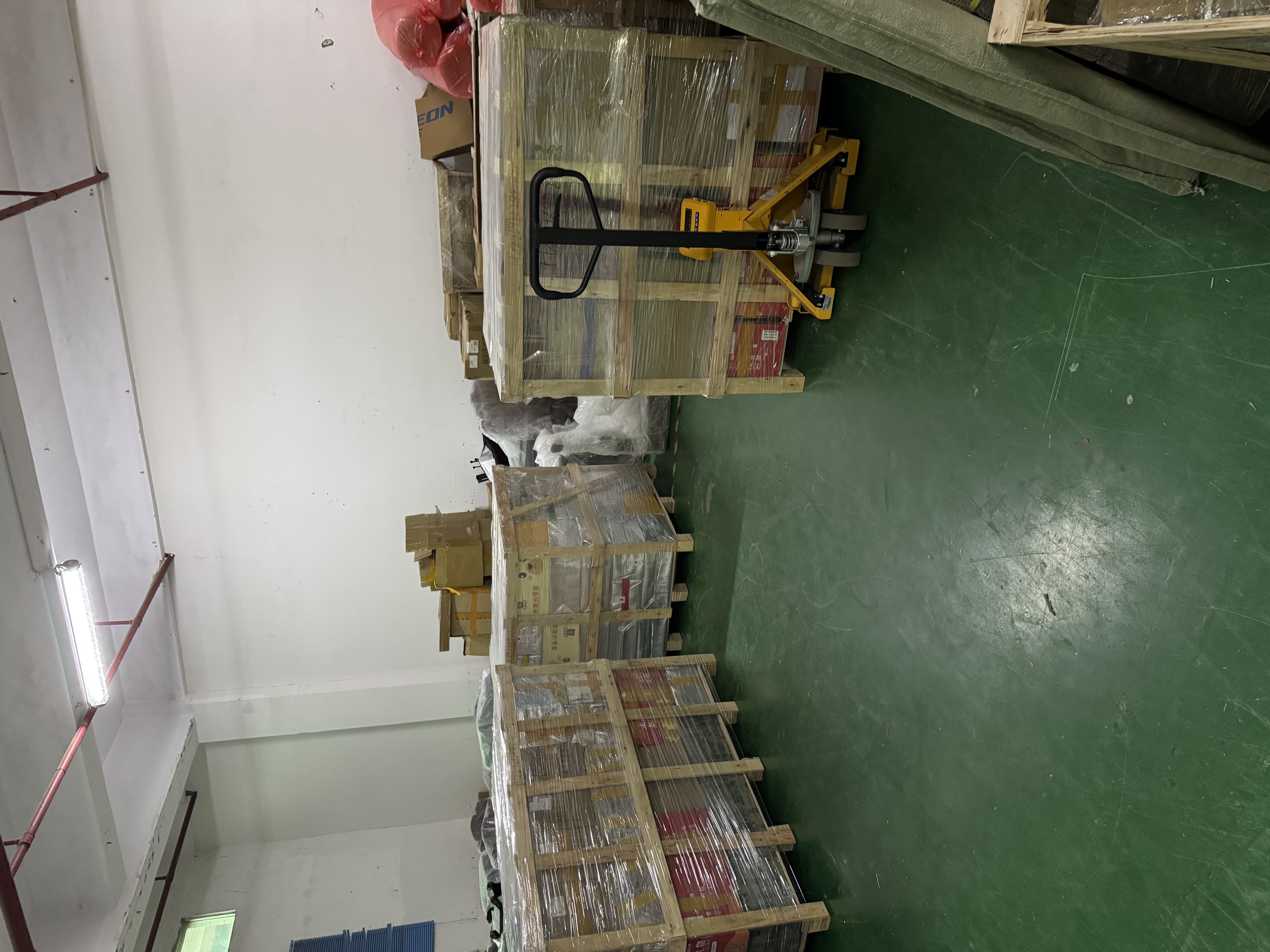
New Biosecurity Checks There will be additional biosecurity checks on the fumigated wooden furniture. DAFF may conduct more in - depth inspections to ensure that the fumigation was effective. This could involve sampling the wood and testing it for any remaining pests or pathogens.
IV. Impact on Importers
Increased Costs The stricter rules will likely lead to increased costs for importers. Obtaining the more detailed certification will require additional paperwork and potentially more expensive testing. For example, getting a detailed analysis of the fumigant used may cost an extra $200 - $300 per shipment.
Longer Delivery Times With the enhanced traceability requirements and new biosecurity checks, the delivery time of wooden furniture may be extended. Importers may have to wait an additional 3 - 5 days at the port for all the checks to be completed.
Risk of Rejection There is a higher risk of goods being rejected if they do not meet the new standards. This could result in significant losses for importers, especially if they have already paid for the goods and arranged for storage and display in their stores.
V. How to Adapt to the New Rules
Work with Reputable Logistics Partners Partnering with a reliable logistics company like Shengda International Logistics can be a great advantage. They have in - depth knowledge of the new regulations and can help you navigate through the complex process. For example, Shengda International Logistics can assist you in obtaining the correct certification and ensuring that all the documentation is in order.
Source Wood from Reputable Suppliers To meet the traceability requirements, it's essential to source wood from suppliers who can provide clear information about the origin of the wood. This may require you to spend some time researching and building relationships with reliable suppliers in China.
Plan Ahead Given the potential increase in delivery times, it's important to plan your imports well in advance. Don't wait until the last minute to place your orders, as this could lead to stock shortages in your store.
VI. FAQ
What should I do if my wooden furniture is rejected due to non - compliance in 2026? Well, if your goods are rejected, the first thing is to contact your logistics partner. They can guide you on the next steps, which may include re - fumigating the goods or providing additional documentation. In some cases, you may have to pay for the return shipping and any associated charges.
How much will the new certification cost? The cost of the new certification can vary depending on many factors, such as the size of the shipment and the complexity of the documentation. On average, you can expect to pay an additional $200 - $400 for the more detailed certification compared to the current process.
Can I still use methyl bromide for fumigation in 2026? Yes, methyl bromide can still be used, but under the new rules, the usage will be more strictly regulated. You need to ensure that the fumigation meets all the requirements regarding the amount used, the concentration, and the duration of the treatment.
How long will it take to get all the necessary documentation in 2026? It may take around 7 - 10 days to get all the necessary documentation in order, including the new traceability information and the enhanced certification. This is because you'll need to collect information from your suppliers and work with the certification agencies.
Do I really need to work with a logistics company like Shengda International Logistics? While it's not mandatory, working with a professional logistics company can save you a lot of time and effort. Shengda International Logistics has a team of experts who are well - versed in the new regulations and can help you avoid costly mistakes. They can handle everything from documentation to customs clearance, ensuring a smooth import process.
In the end, staying informed about the 2026 regulations on wooden furniture fumigation is key to your success as an importer. Start preparing now to avoid any potential problems and keep your business running smoothly.
