

I. Introduction
If you're a Canadian small business owner, importer, or e - commerce seller sourcing goods from China, the consolidation service in cross - border logistics can be a real game - changer. It allows you to combine multiple small shipments into one larger one, potentially saving you money on shipping costs. However, 2026 brings new challenges and potential pitfalls due to updated policies and market dynamics. I've seen too many clients stumble in this area over my years in the industry, so let me share some key things to avoid.
II. Common Mistakes in Documentation
Incorrect Product Descriptions In 2026, the Canadian Border Services Agency (CBSA) has tightened its scrutiny of product descriptions. I had a client back in 2024 who was an apparel importer based in Toronto. They were consolidating a large order of clothing from China. The product descriptions on the shipping documents were too vague, just stating "clothing items". The CBSA held the shipment for an extended period, causing significant delays. Eventually, they had to provide detailed information about the fabric, style, and intended use of each item.To avoid this, be as specific as possible in your product descriptions. Include details like material, color, size, and any unique features.
Missing or Inaccurate HS Codes Harmonized System (HS) codes are crucial for customs clearance. Each product has a specific HS code, and incorrect codes can lead to over - or under - paying of duties. In some cases, it can even result in the seizure of goods. For instance, a 3C electronics seller in Vancouver once had a shipment held up because they used the wrong HS code for a new type of smartwatch. They estimated the code based on similar products but didn't do proper research. The final outcome was a hefty fine and a long - drawn - out customs process. Always double - check and use reliable resources to determine the correct HS codes for your products.
III. Ignoring Updated Food and Safety Regulations
Food Shipments In 2026, there have been significant updates to the food inspection regulations. The Canadian Food Inspection Agency (CFIA) has become more stringent in its requirements for food imports from China. I once dealt with a home goods seller in Montreal who was also importing some Chinese snacks as a side product. They didn't realize that the snacks needed specific health certificates and labeling in French and English. The shipment was rejected at the border, and they lost a large amount of money.If you're importing food, make sure to understand all the CFIA requirements. This includes proper packaging, labeling, and having the necessary health and safety certificates.
Product Safety Standards For non - food products, such as electronics and apparel, there are also updated safety standards. Canadian buyers need to ensure that the products they're importing meet these standards. For example, a trade factory in Calgary was importing a batch of electronic toys. The toys didn't meet the Canadian electrical safety standards, and the entire shipment was returned. Before consolidating any products, verify their compliance with Canadian safety regulations.
IV. High - Risk Carrier Selection
Inadequate Carrier Reputation Selecting a carrier with a poor reputation can lead to various problems. I've seen this happen with several clients. A few years ago, an e - commerce seller in Toronto chose a relatively unknown carrier for their consolidated shipment from China. The carrier had a history of delays, lost packages, and poor customer service. The seller's shipment was delayed for over two weeks, and some items were lost in transit.Before choosing a carrier, do your research. Check online reviews, ask for recommendations from other importers, and look at the carrier's track record in terms of on - time delivery and customer satisfaction.
Lack of Insurance Options Another risk is choosing a carrier that doesn't offer adequate insurance for your shipment. In the event of damage or loss, you could be left with significant financial losses. For example, a 3C electronics seller in Vancouver had a shipment of high - value smartphones damaged during transit. The carrier they had chosen didn't provide enough insurance coverage, and the seller had to bear a large part of the loss themselves. Make sure the carrier you choose offers suitable insurance options based on the value of your goods.
V. Overlooking Consolidation Service Limitations
Weight and Volume Restrictions Consolidation services often have weight and volume limitations. Some clients overlook these restrictions and end up facing additional charges or having their shipments split. I had an apparel importer in Calgary who tried to consolidate a very large order of winter coats. The order exceeded the weight limit of the consolidation service, and they were charged an extra fee for the excess weight, which they hadn't budgeted for.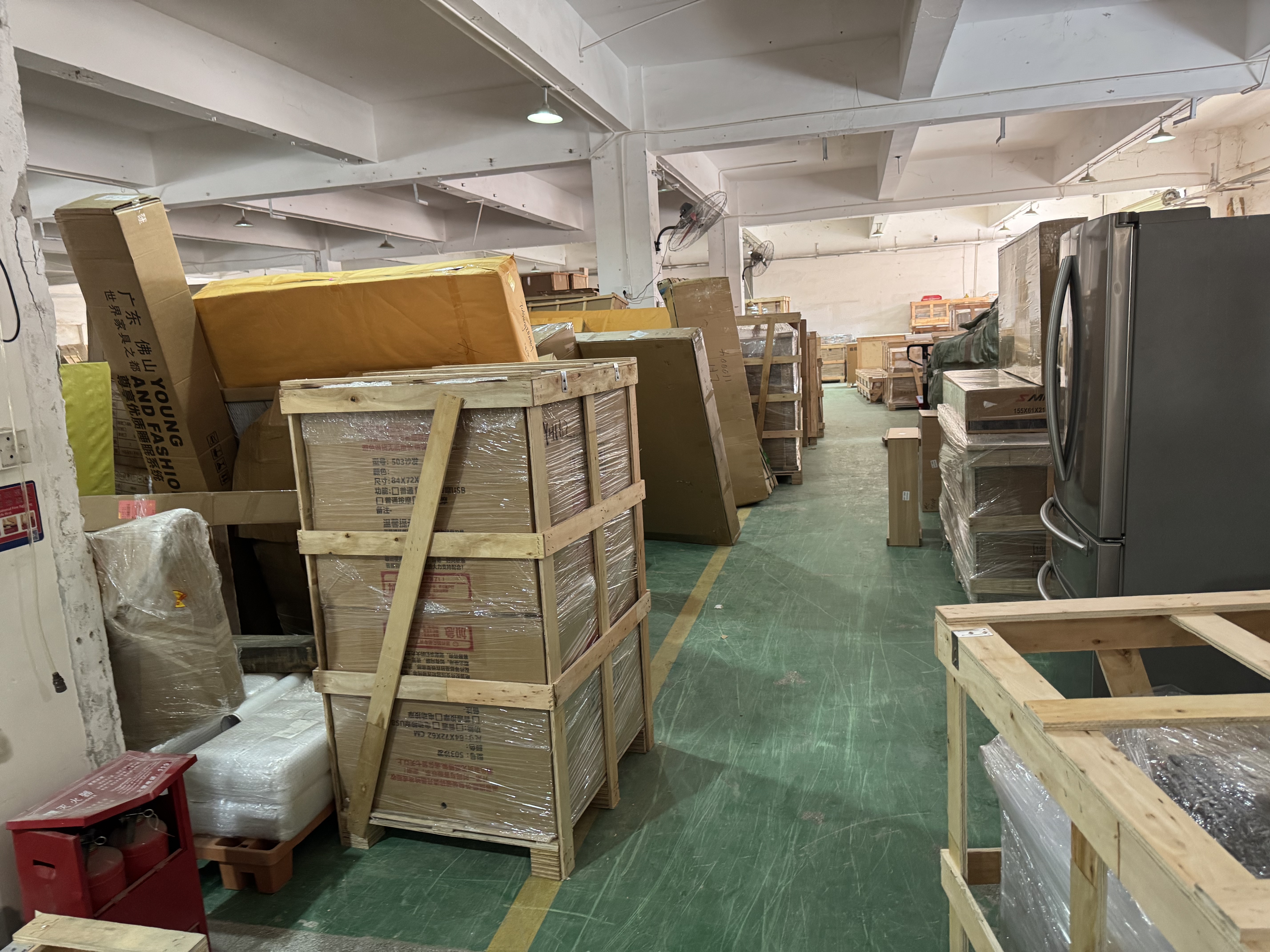
Delivery Time Expectations Consolidation services usually take longer than direct shipments because they involve combining multiple orders. A lot of e - commerce sellers have unrealistic expectations about delivery times. For example, a home goods seller in Montreal expected their consolidated shipment to arrive as quickly as a direct shipment. When it was delayed by a week, they were caught off - guard and had to deal with angry customers. Understand that consolidation services are cost - effective but may have longer delivery times.
VI. FAQ
How can I find out the correct HS codes for my products? You can use online HS code databases provided by the World Customs Organization. Additionally, some customs brokers and freight forwarders can also help you determine the correct codes. I'd recommend getting multiple opinions to ensure accuracy.What if my product doesn't meet Canadian safety standards? Can I still import it? In most cases, it's not advisable to import non - compliant products. You can work with your supplier in China to make the necessary modifications to meet the standards. Otherwise, the shipment will likely be rejected at the border, and you'll face financial losses.
How do I choose a reliable carrier for my consolidated shipment? Look at the carrier's reputation. Check online reviews, ask for references from other importers in your network. Also, consider the carrier's insurance options, their track record of on - time delivery, and their customer service quality.
Are there any cost - effective ways to deal with the weight and volume restrictions of consolidation services? You can plan your orders in advance and split large shipments into multiple, smaller, and compliant shipments. This way, you can avoid the extra fees associated with exceeding the limits.
What should I do if my shipment is held up at customs? First, contact your consolidation service provider or freight forwarder. They usually have experience dealing with customs issues and can guide you through the process. Provide all the necessary documentation promptly and cooperate fully with the CBSA to resolve the issue as quickly as possible.
In 2026, being aware of these potential pitfalls in the China - Canada consolidation service can save you a lot of time, money, and headaches. Make sure to do your due diligence and stay updated on the latest regulations to ensure smooth and efficient cross - border logistics.
