

I. Introduction
Hey there, Australian small business owners, importers, and e - commerce sellers! As someone who's been in the thick of cross - border logistics between China and Australia for years, I know firsthand how tricky it can be, especially with the upcoming 2026 regulations and the complexities of consolidation shipping to Canada. I've seen businesses make costly mistakes and also witnessed those who navigated the process smoothly. In this article, I'll share some key insights to help you avoid common pitfalls.
II. Understanding the 2026 Regulations and Their Impact
The 2026 regulations are set to bring some significant changes to cross - border shipping. For instance, the Canadian Border Services Agency (CBSA) has tightened its rules on eManifest submissions. You'll need to provide more detailed information about your goods, including the exact description, quantity, and value.
I once had a client back in 2024 who was shipping a batch of home goods to Vancouver. They didn't pay close attention to the eManifest requirements and submitted incomplete information. As a result, their shipment was held up at the port for roughly 14 days. This delay not only cost them money in storage fees but also affected their ability to meet customer demands on time.
III. Choosing the Right Consolidation Shipping Service Provider
1. Research and Reputation
Don't just go with the first shipping provider you find. Do your research. Look for reviews from other businesses in your industry. A provider with a good reputation is more likely to have the experience and resources to handle your shipment smoothly. For example, check if they have a track record of timely deliveries and efficient customs clearance.
2. Services Offered
Ensure that the provider offers all the services you need. For consolidation shipping, they should be able to handle the collection, packing, and consolidation of your goods. They should also offer services like customs brokerage and last - mile delivery in Canada.
3. Cost - Benefit Analysis
While cost is an important factor, don't just choose the cheapest option. Consider the overall value. Some providers may offer lower prices but cut corners on service quality, which can lead to problems down the line.
I've worked with many businesses that made the mistake of choosing a low - cost provider without doing proper due diligence. One apparel importer I know chose a shipping service based solely on price. The provider had a lot of hidden fees, and the shipping process was disorganized. The goods arrived damaged, and it was a nightmare to get a proper resolution.
IV. In - Depth: Proper Documentation - The Key to Smooth Shipping (40% of the Article)
1. Commercial Invoice
The commercial invoice is one of the most important documents in cross - border shipping. It should include detailed information about the goods, such as the description, quantity, unit price, and total value. Make sure the information is accurate and consistent with the eManifest.
For example, if you're shipping 3C electronics, the invoice should clearly state the brand, model, and any unique features of each device. Any discrepancies can lead to customs delays or even additional duties.
2. Bill of Lading
The bill of lading serves as a contract between you and the shipping carrier. It details the terms of the shipment, including the origin, destination, and the goods being shipped. There are two main types: straight bill of lading and order bill of lading. Choose the one that suits your business needs.
I remember a trade factory that was shipping a large batch of goods to Toronto. They used the wrong type of bill of lading, which led to confusion at the port. The goods were held up until the issue was resolved, causing a significant delay in their production schedule.
3. Certificates of Origin
Certificates of origin are used to prove where the goods are from. They can be crucial for determining the applicable tariff rates. In 2026, CBSA will be more strict about the authenticity of these certificates. Make sure you obtain them from a reliable source and that they are filled out correctly.
4. Other Specialized Documents
Depending on the nature of your goods, you may need additional documents. For example, if you're shipping food items, you'll need to comply with the regulations of the Canadian Food Inspection Agency (CFIA). This may include providing health certificates and ingredient lists.
V. Packaging and Labeling to Avoid Damage and Delays
1. Appropriate Packaging
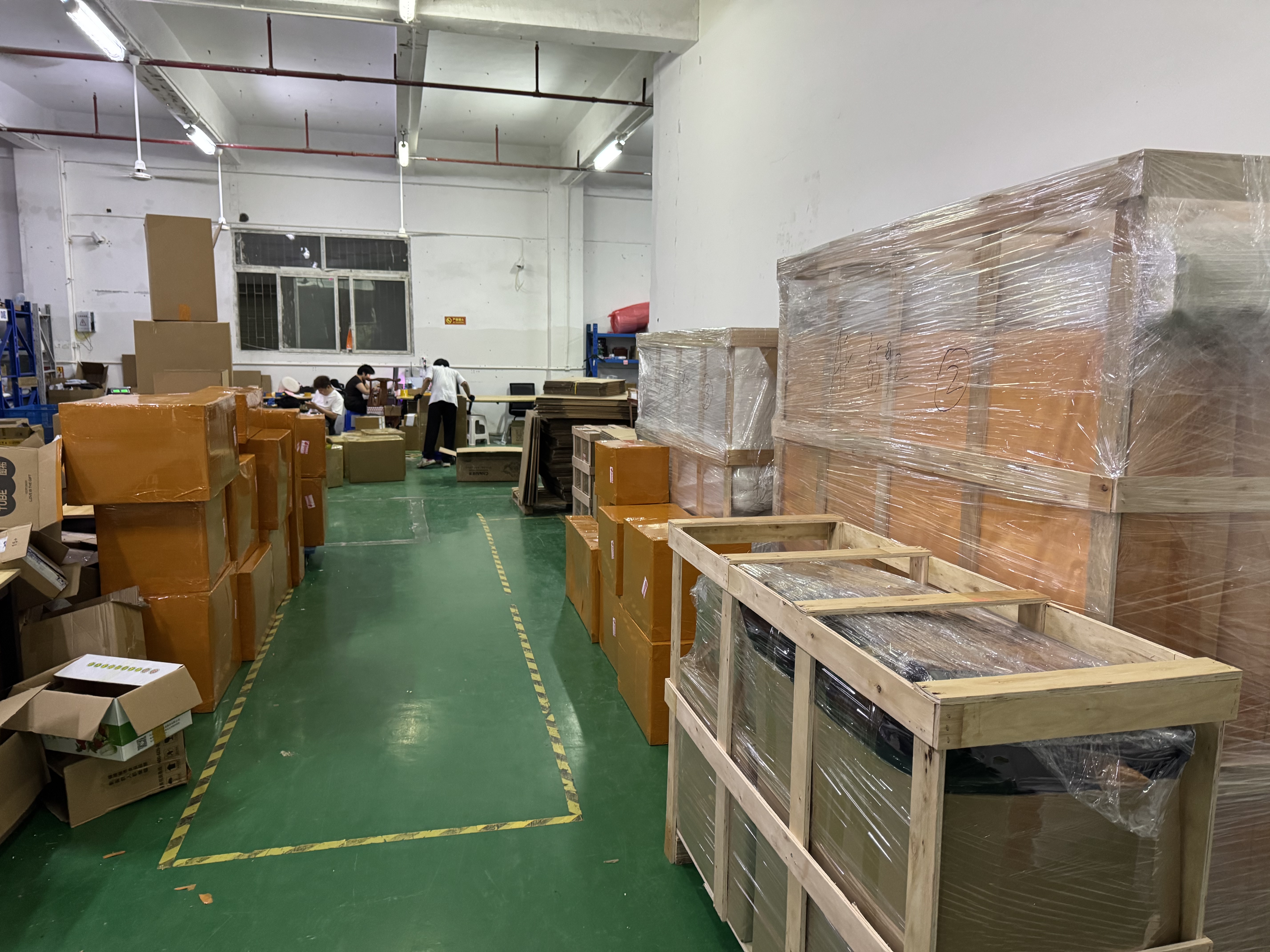
Use packaging materials that can protect your goods during transit. For fragile items like glassware or electronics, use extra padding and cushioning. If you're shipping large items, consider using wooden crates or pallets for added stability.
2. Clear Labeling
Labels should include the shipping address, return address, and any special handling instructions. Make sure the labels are clear and legible. Incorrect or unclear labeling can lead to misrouting of your shipment.
I had a home goods seller who shipped a batch of delicate pottery. The packaging was not sufficient, and many of the pieces were damaged in transit. Also, the labeling was smudged, which caused the carrier to have difficulty delivering the goods to the right address.
VI. FAQ
What if my shipment is held up at customs? Well, first, don't panic. Most of the time, it's because of incomplete or inaccurate documentation. Work closely with your customs broker to resolve the issue. They can help you gather the necessary information and communicate with the CBSA. In some cases, it may take a few days, but if you've done everything correctly from the start, the process should be relatively smooth.
How can I ensure my shipping provider is reliable? Look for testimonials and case studies from other businesses. Check if they have a good standing with industry organizations. Also, ask for references and contact those businesses to get first - hand information about their experience. A reliable provider should have a transparent pricing system and clear communication channels.
Is it worth it to use a consolidation shipping service? Absolutely! Consolidation shipping can significantly reduce your shipping costs, especially if you're shipping smaller quantities. It allows you to share the shipping space with other businesses, which spreads the cost. However, make sure to choose a reputable provider to ensure the safety and timely delivery of your goods.
What should I do if my goods are damaged during transit? Immediately contact your shipping provider and your insurance company if you have cargo insurance. Document the damage with photos and descriptions. Your shipping provider should have a process for handling claims. If your provider is responsible for the damage, they should provide compensation according to their terms and conditions.
How do the 2026 regulations affect the cost of shipping to Canada? The regulations may lead to some cost increases in the short term. For example, you may need to spend more on obtaining accurate documentation and ensuring compliance. However, in the long run, they are designed to streamline the shipping process. By working with a knowledgeable shipping provider, you can manage these costs effectively and avoid unnecessary penalties.
By following these tips and being aware of the potential pitfalls, you can make your 2026 consolidation shipping to Canada a success. Always stay informed, do your due diligence, and work with experienced partners.
