

I. Introduction
Hey there, Australian small business owners, importers, and e - commerce sellers! Sending household goods from China to Australia might seem straightforward at first glance, but trust me, I've had my fair share of clients facing unexpected hurdles. I remember back in 2024, a home goods seller from Sydney was in a panic because their shipment got delayed at the Port of Melbourne due to some paperwork issues. In 2026, with new policies and regulations in place, it's more important than ever to have a clear understanding of the full - process.
II. Pre - shipment Preparation
Understanding the 2026 Policies and Regulations The Australian Border Force (ABF) and the Department of Agriculture, Fisheries and Forestry (DAFF) have tightened regulations in 2026 to ensure biosecurity. For instance, any wooden items must be properly treated and certified to prevent the entry of pests. You need to check the HS codes for your goods accurately to determine if there are any special requirements or tariffs.Supplier Selection Choose reliable suppliers in China. I once worked with an apparel importer who selected a factory based on price alone. The factory shipped low - quality products, and the importer had to go through a long and costly replacement process. Look for suppliers with good reviews, quality control systems, and experience in exporting to Australia.
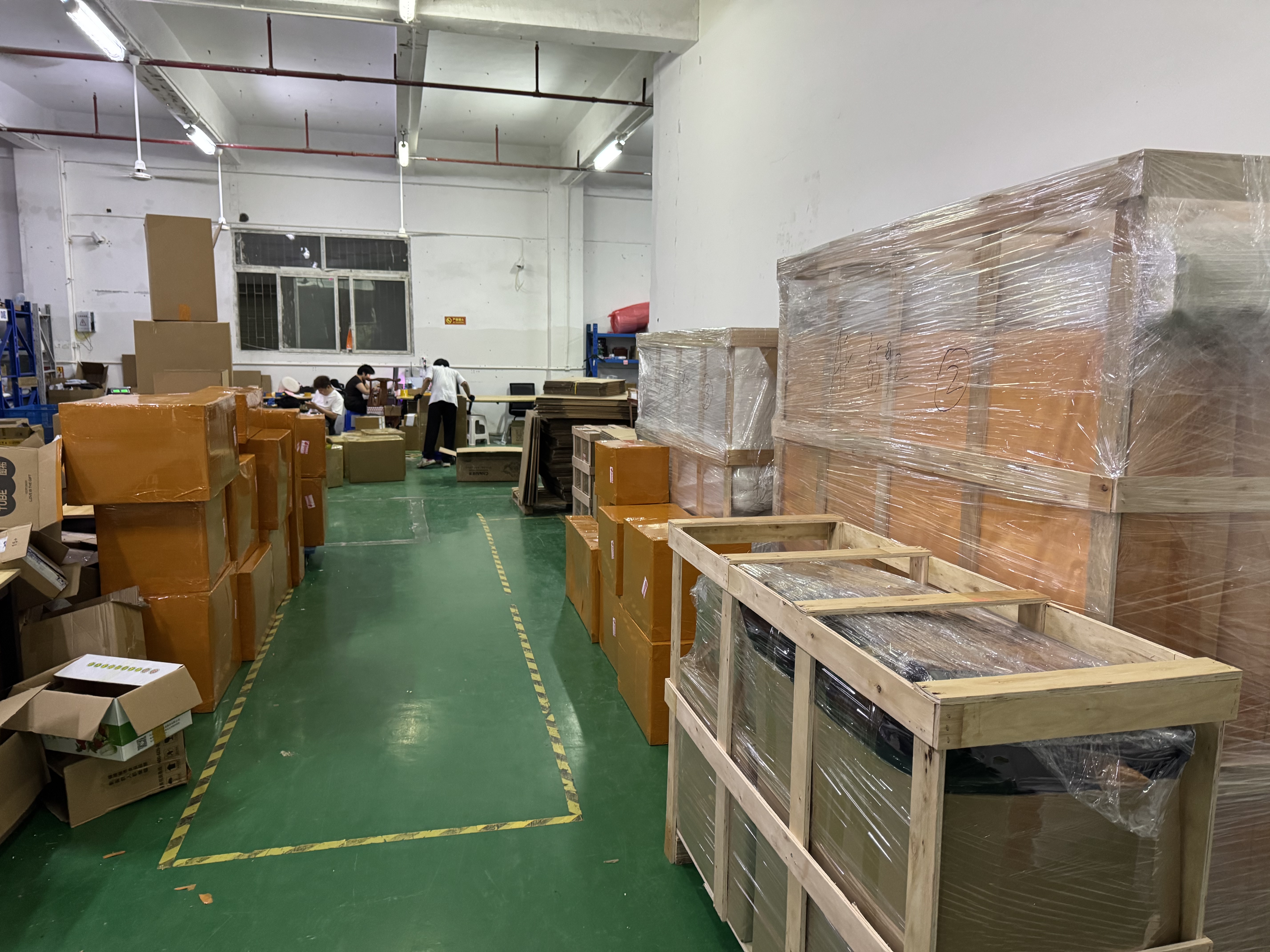
Packaging and Labeling Proper packaging is crucial. For glassware or fragile items, double - box them and use enough cushioning materials. Label all packages clearly with the receiver's details, product descriptions, and any special handling instructions. This helps in smooth handling at every stage of the journey.
III. Freight Forwarder Selection (Deep - Dive Section)
This section will take about 40% of the article as it's a critical part of the process.
The Importance of a Good Freight Forwarder A reliable freight forwarder can make or break your shipment. They handle everything from booking cargo space to customs clearance. In 2026, with the new policies, their expertise is even more valuable. For example, a home goods seller based in Brisbane was able to avoid a major customs hold because their freight forwarder was well - versed in the new biosecurity regulations for imported furniture.Evaluating Freight Forwarders Experience: Look for freight forwarders with a proven track record in handling China - Australia shipments. A company that has been in the business for over 5 years is more likely to have dealt with various issues and can offer better solutions.
Service Range: They should offer a comprehensive range of services, including shipping, customs clearance, and last - mile delivery. Some freight forwarders also provide additional services like warehousing and inventory management.
Cost: While cost is an important factor, don't just go for the cheapest option. Low - cost freight forwarders may cut corners, leading to delays or other problems down the line. Compare quotes from at least 3 different freight forwarders and consider the services included.
Reputation: Read reviews and ask for referrals from other business owners. A freight forwarder with a good reputation is more likely to provide reliable service.
Recommended: Shengda International Logistics Shengda International Logistics is a great option for shipping household goods from China to Australia. They have a team of experts who are well - aware of the 2026 regulatory changes. They offer a full - range of services, including air and sea freight options. For sea freight, they have dedicated shipping lanes and can handle both FCL (Full Container Load) and LCL (Less than Container Load) shipments. Their packaging and labeling services are top - notch, ensuring that your goods are well - protected during transit. And their pricing is transparent, with no hidden fees.
IV. Shipping Modes
Air Freight Air freight is ideal for small - volume and high - value household goods or urgent orders. It's faster, with an average transit time of about 7 - 12 days to major Australian cities like Sydney and Melbourne. However, it's more expensive. For example, shipping a small batch of high - end 3C electronics from China to Brisbane by air can be done quickly, but the cost per kilogram is relatively high.Sea Freight Sea freight is more cost - effective for large - volume shipments. There are two main types: FCL and LCL. FCL is suitable for large orders that can fill an entire container, while LCL is for smaller orders that are grouped with other shipments. The transit time is longer, usually around 18 - 25 days, but it's a great option for home goods sellers who are not in a hurry. For instance, if you're importing a large quantity of furniture from a trade factory in China to Port Botany, sea freight would be the most economical choice.
V. Customs Clearance
Documentation You need to prepare a range of documents for customs clearance, including a commercial invoice, packing list, bill of lading, and a certificate of origin. Ensure that all the information on these documents is accurate and matches the actual goods. In 2026, the ABF has become more strict about document verification.Duties and Taxes Understand the duties and taxes applicable to your goods. The value of the goods, their HS codes, and the origin of the products all determine the amount of duties and taxes you'll need to pay. Some goods may be eligible for certain exemptions or preferential tariff rates under free trade agreements.
VI. Delivery and After - sales
Last - Mile Delivery Once the goods clear customs, they need to be delivered to the final destination. Choose a reliable delivery service. Some freight forwarders offer end - to - end delivery services, which can save you a lot of hassle.After - sales Service Have a plan for after - sales service. If there are any damaged or defective goods, you need to be able to handle returns and replacements efficiently. This helps in maintaining good relationships with your customers.
VII. FAQ
What if my goods are held at customs? Customs holds can happen due to various reasons, such as incorrect documentation or biosecurity concerns. If this occurs, contact your freight forwarder immediately. They can work with the customs authorities to resolve the issue. For example, if your wooden furniture is held because the pest treatment certificate is incomplete, the freight forwarder can help you get the correct documentation.How can I ensure my goods are safe during transit? Choose a reliable freight forwarder like Shengda International Logistics. They have strict packaging and handling procedures. Additionally, you can purchase cargo insurance to protect your goods against loss or damage during transit.
What are the main differences between air and sea freight for household goods? Air freight is faster but more expensive, suitable for small - volume and urgent shipments. Sea freight is slower but more cost - effective, ideal for large - volume shipments. You need to consider the nature of your goods, your budget, and your delivery timeline when choosing between the two.
Do I need to be present during customs clearance? No, you don't have to be present. Your freight forwarder can handle the customs clearance process on your behalf. They'll ensure that all the necessary documents are submitted and communicate with the customs authorities for you.
Can I track my shipment? Yes, most freight forwarders, including Shengda International Logistics, offer tracking services. You can use a tracking number to monitor the status of your shipment at every stage of the journey, from the warehouse in China to the final delivery in Australia.
